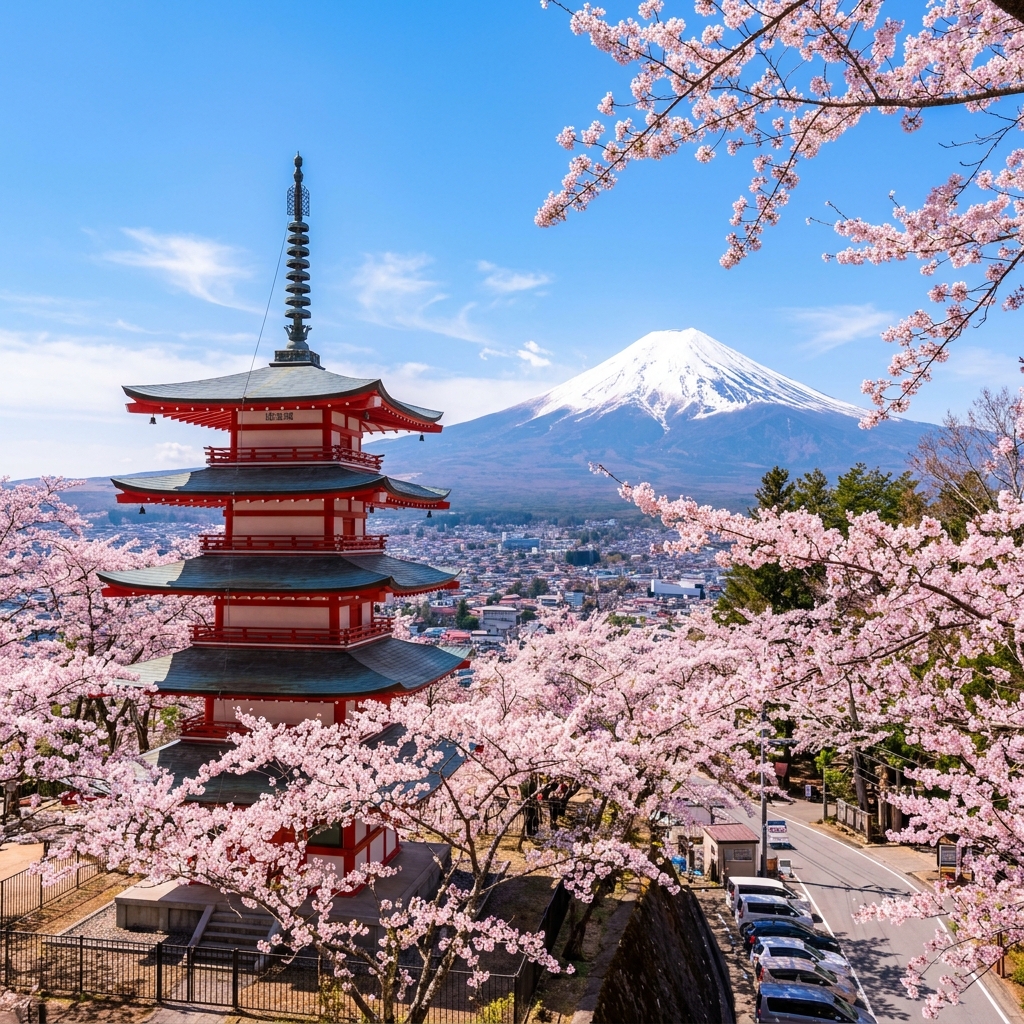
Plan an epic 14-day Japan family trip with kids covering Tokyo, Kyoto, Osaka, Mount Fuji, and Nara. Complete 3,200+ word master guide with bullet train, food, and budget tips.
The Ultimate 14-Day Japan Family Travel Master Guide: Tokyo, Kyoto, Osaka & Mount Fuji with Kids
Few countries in the world captivate the imagination of family travelers quite like Japan. Seamlessly blending ancient Shinto shrines, samurai castles, and peaceful bamboo groves with futuristic bullet trains, neon-lit skyscrapers, interactive digital art museums, and pop-culture hubs, Japan offers an extraordinary multi-generational vacation destination. Exploring this archipelago nation with children creates memories that will last a lifetime for parents and kids alike.
Traveling through Japan with children is widely recognized as one of the safest, cleanest, and most rewarding family adventures on Earth. With flawless public transportation, virtually non-existent crime rates, spotless public restrooms equipped with changing tables, polite hospitality (Omotenashi), and endless kid-approved dining options ranging from conveyor-belt sushi to warm ramen bowls, Japan accommodates young travelers of all ages.
Navigating Japan with kids requires balancing historic temple exploration with hands-on theme parks, bullet train rides, scenic mountain views of Mount Fuji, and traditional thermal bath (Onsen) relaxation. Drawing inspiration from top international family travel guides at MomVoyage Family Travel, this comprehensive 14-day master guide provides a stress-free, parent-tested roadmap across Tokyo, Hakone, Mount Fuji, Kyoto, Nara, and Osaka. Learn more about our editorial mission and team on About MomVoyage.
---
Pre-Trip Planning & Essential Japanese Logistics
Preparing for a two-week family journey across Japan demands taking care of key transport, luggage forwarding, and connectivity logistics before arriving at Tokyo’s Narita (NRT) or Haneda (HND) airports.
1. Transportation: JR Pass & IC Smart Cards (Suica / Pasmo / ICOCA) * **Japan Rail (JR) Pass**: If traveling extensively between Tokyo, Kyoto, Hiroshima, and Osaka via Shinkansen bullet trains, evaluate regional or nationwide JR Passes to streamline ticketing across regional Japanese rail networks. * **IC Cards (Suica / Pasmo / Welcome Suica / ICOCA)**: Essential contactless smart cards used for subways, city buses, convenience stores (*Conbini*), vending machines, and coin lockers. Tap-and-go digital IC cards can be added directly to Apple Wallet or Google Pay on smartphones for instant contactless payment while boarding suburban trains. * **Shinkansen Bullet Trains**: Bullet trains travel at speeds up to 320 km/h (200 mph). Reserve seats in advance if traveling with large luggage or requesting Mount Fuji views (Window Seat E on Tokyo-to-Kyoto routes, or Window Seat A on Kyoto-to-Tokyo return journeys).
2. Hands-Free Luggage Forwarding (*Takkyubin*) One of Japan's best-kept travel secrets for families is **Takkyubin** (operated by Yamato Transport, easily identifiable by the iconic black cat logo on yellow signboards). * **How It Works**: Hotel front desks can ship your large family suitcases directly from your Tokyo hotel to your Kyoto hotel for approximately $15-$20 per bag, delivering them within 24 hours. This allows your family to travel onto bullet trains lightly with just small backpacks!
3. Pocket Wi-Fi vs. eSIM for Family Connectivity Constant internet access is essential for navigating complex Japanese train station exits and translating kanji signs in real time. * **Pocket Wi-Fi Routers**: Ideal for families traveling together, allowing up to 5-10 devices (smartphones, tablets, laptops) to connect to a single portable Wi-Fi unit picked up upon airport arrival. * **Google Translate App**: Download offline Japanese language dictionaries and use the camera feature to translate restaurant menus and transit signage instantly.
---
Day 1-4: Tokyo – Modern Wonders, Pop Culture & Digital Art
Begin your Japanese journey in Tokyo, a sprawling metropolis where ultra-modern technology meets quiet historic neighborhoods.
Day 1: Arrival & Asakusa Historic District * **Senso-ji Temple (Asakusa)**: Tokyo’s oldest Shinto-Buddhist temple site, founded in 645 AD. Walk down **Nakamise-dori**, a historic market street lined with traditional stalls selling rice crackers (*Senbei*), sweet bean cakes (*Ningyo-yaki*), wooden toys, and hand-woven fans. * **Sumida Park & Tokyo Skytree**: Walk along the Sumida River toward Tokyo Skytree, the tallest tower in the world (634 meters), offering panoramic views across the Tokyo skyline and Mount Fuji on clear mornings.
Day 2: Digital Art, TeamLab & Odaiba Waterfront * **TeamLab Planets (Toyosu)**: An immersive, walk-through digital art museum where visitors walk barefoot through water basins filled with digital koi fish, projection-mapped orchid gardens, and infinite crystal light rooms. Children adore diving into sensory light mirror rooms and chasing interactive projections. * **Odaiba Seaside Park**: Visit the giant life-sized **Unicorn Gundam Statue** outside DiverCity mall, which transforms with glowing lights and movement during afternoon shows, followed by a stroll along the Tokyo Bay promenade.
Day 3: Harajuku, Meiji Shrine & Shibuya Crossing * **Meiji Jingu Shrine**: Walk through a tranquil 170-acre forest of 100,000 towering trees to reach Tokyo’s grandest Shinto shrine dedicated to Emperor Meiji and Empress Shoken. * **Takeshita Street (Harajuku)**: Explore colorful youth fashion boutiques, monster-themed crepe stands, rainbow cotton candy shops, and quirky character pop-up stores. * **Shibuya Scramble Crossing & Hachiko Statue**: Walk across the world’s busiest pedestrian intersection, where up to 3,000 people cross simultaneously during green lights. Pose with the famous bronze statue of Hachiko, the loyal Akita dog.
Day 4: Akihabara & Ghibli Museum / Theme Parks * **Akihabara Electric Town**: Explore multi-story anime stores, retro video game arcades (Super Potato), and capsule toy centers (*Gachapon*) filled with thousands of collectible miniature vending machines. * **Ghibli Museum (Mitaka)**: Walk through fairy-tale exhibits designed by animation director Hayao Miyazaki (*My Neighbor Totoro*, *Spirited Away*, *Kiki's Delivery Service*). Tickets must be reserved months in advance on the 10th of each month.
---
Day 5-6: Hakone & Mount Fuji – Geothermal Springs & Pirate Ships
Leave Tokyo aboard the Odakyu Romancecar train heading toward Hakone, a scenic mountainous resort region famous for hot springs (Onsen), crater lakes, and views of Mount Fuji.
Day 5: Hakone Open-Air Museum & Lake Ashi Pirate Cruise * **Hakone Open-Air Museum**: A 70,000-square-meter outdoor sculpture park nestled in alpine valleys. Children can climb inside the giant *Knitted Wonder Space* play structure and walk up the *Symphonic Sculpture* stained-glass tower. * **Lake Ashi Sightseeing Cruise**: Ride a fun, pirate-themed galleon boat across Lake Ashi while enjoying postcard views of Mount Fuji and the floating red Torii gate of Hakone Shrine.
Day 6: Owakudani Geothermal Valley & Ryokan Onsen Experience * **Hakone Ropeway to Owakudani**: Ride the aerial ropeway over the volcanic crater of Owakudani, filled with roaring steam vents and sulfur deposits. * **Black Eggs (*Kuro-tamago*)**: Eat traditional eggs boiled in natural geothermal sulfur pools, turning the eggshells pitch black. Local legend says eating one egg adds seven years to your life! * **Traditional Ryokan Experience**: Spend the night at an authentic Japanese inn (*Ryokan*). Families sleep on comfortable tatami mats, wear cotton *Yukata* robes, enjoy a multi-course *Kaiseki* dinner, and soak in soothing natural geothermal Onsen baths.
---
Day 7-9: Kyoto – Bamboo Groves, Golden Pavilions & Geisha Districts
Board the Shinkansen bullet train from Odawara to Kyoto, the ancient cultural heart of Japan home to 17 UNESCO World Heritage sites, 2,000 temples, and traditional geisha districts.
Day 7: Fushimi Inari Shrine & Gion District * **Fushimi Inari Taisha**: Hike through a magical tunnel created by over 10,000 vibrant vermilion Torii gates stretching up the sacred Mount Inari. Kids love spotting bronze fox statues (*Kitsune*) holding key scrolls in their mouths. * **Gion & Hanamikoji Street**: Walk through historic wooden merchant streets (*Machiya*) in search of fleeting glimpses of Geiko and Maiko (apprentice geishas) heading to evening appointments.
Day 8: Arashiyama Bamboo Grove & Monkey Park * **Arashiyama Bamboo Grove**: Walk through towering, soaring green bamboo stalks that sway gracefully in the mountain breeze. * **Iwatayama Monkey Park**: Take a pleasant 20-minute uphill forest hike to meet over 120 wild, free-roaming Japanese Macaques (snow monkeys). Families can step inside an enclosed wire hut to hand-feed apples and peanuts to the monkeys. * **Togetsukyo Bridge & River Boat**: Rent wooden rowboats along the Katsura River framing lush forested hillsides.
Day 9: Kinkaku-ji (Golden Pavilion) & Nijo Castle * **Kinkaku-ji**: Marvel at the top two floors of this Zen temple completely covered in pure gold leaf, reflecting over the Mirror Pond (*Kyoko-chi*). * **Nijo Castle "Nightingale Floors"**: Walk inside the historic residence of the Tokugawa Shoguns. The wooden floorboards (*Uguisubari*) were engineered to squeak like chirping birds when stepped on, alerting samurai guards to secret intruders!
---
Day 10: Day Trip to Nara – Sacred Deer & Giant Buddha
Take a short 45-minute local train ride south from Kyoto to Nara, Japan’s first permanent capital established in 710 AD.
Nara Park & Deer Feeding * **Bow-Trained Wild Deer**: Over 1,000 free-roaming Sika deer wander through Nara Park. Kids can purchase bundles of natural *Shika-senbei* (deer crackers). The deer have learned to bow their heads politely to visitors to request a cracker!
Todai-ji Temple & Great Buddha (*Daibutsu*) * **World's Largest Wooden Building**: Todai-ji houses the *Daibutsu*, a monumental 15-meter (50-foot) bronze statue of Buddha weighing over 500 tons. * **Buddha’s Nostril Pillar**: Inside the temple hall, children can try crawling through a wooden pillar opening with the exact dimensions of the Great Buddha's nostril—legend says those who squeeze through are blessed with enlightenment and good fortune!
---
Day 11-12: Osaka – Street Food, Castles & Universal Studios Japan
Take the train to Osaka, known as "Japan's Kitchen" (Tenka no Kuryo), famous for lively comedy, vibrant street food, and entertainment.
Day 11: Dotonbori Street Food & Osaka Castle * **Dotonbori Neon Promenade**: Explore Osaka's neon entertainment district featuring giant animated food signs (giant moving crabs, octopus, pufferfish). * **Must-Try Osaka Street Eats**: - *Takoyaki*: Crispy octopus balls topped with savory sauce, mayonnaise, and dancing bonito flakes. - *Okonomiyaki*: Savory cabbage pancake loaded with pork belly, seafood, and sweet glaze. * **Osaka Castle & Park**: Explore the five-story historic castle museum surrounded by stone moats and cherry trees.
Day 12: Universal Studios Japan (USJ) & Super Nintendo World * **Super Nintendo World**: Step directly inside real-life Mario Kart racing circuits, punch interactive *? Blocks* with power-up bands, and visit Toadstool Cafe inside a giant mushroom. * **The Wizarding World of Harry Potter**: Explore Hogwarts Castle, drink frozen Butterbeer, and ride the Flight of the Hippogriff.
---
Day 13: Hiroshima & Miyajima Island Day Excursion
Take a morning Shinkansen bullet train from Osaka to Hiroshima and the sacred island of Miyajima.
Peace Memorial Park & Museum * **Peace Memorial Park & Atomic Bomb Dome**: View the historic shell of the Industrial Promotion Hall and visit the Children’s Peace Monument dedicated to Sadako Sasaki. Children around the world send millions of paper cranes here as a symbol of global peace.
Miyajima Island & Floating Torii Gate * **Itsukushima Shrine**: Take a 10-minute ferry across the bay to view the world-famous "Floating" red Torii Gate standing in the sea waters during high tide.
---
Day 14: Return to Tokyo & Departure
Board the Shinkansen back to Tokyo for last-minute souvenir shopping at Tokyo Station (Character Street) before departing from Narita or Haneda airports.
---
Complete Japanese Theme Parks & Pop Culture Guide for Families
Japan is world-renowned for its immersive, state-of-the-art family theme parks and pop-culture hubs. Incorporating one or two theme park days into your 14-day itinerary provides unforgettable memories for children and teenagers:
1. Tokyo Disneyland & Tokyo DisneySea * **Tokyo Disneyland**: Modeled after California's Magic Kingdom, featuring exclusive rides like *Beauty and the Beast: Enchanted Tale* inside a massive pink castle. * **Tokyo DisneySea**: The only marine-themed Disney park in the world, featuring *Fantasy Springs* (bringing Frozen, Tangled, and Peter Pan to life), *Journey to the Center of the Earth* inside Mount Prometheus, and *Sinbad’s Storybook Voyage*.
2. Ghibli Park (Nagoya) Located 3 hours west of Tokyo in Aichi Earth Expo Memorial Park, Ghibli Park brings the beloved animated worlds of Studio Ghibli to life without noisy roller coasters. * **Ghibli's Grand Warehouse**: Walk through indoor film sets, ride the Catbus from *My Neighbor Totoro*, and view life-sized character scenes. * **Dondoko Forest & Mononoke Village**: Explore Satsuki and Mei’s real-life house and wooden playground structures.
3. Warner Bros. Studio Tour Tokyo – The Making of Harry Potter Located in Nerima, Tokyo, this 30,000-square-meter indoor attraction is the largest indoor Harry Potter attraction in the world. Walk through the Great Hall, Diagon Alley, Platform 9 ¾, the Forbidden Forest, and ride a broomstick against green screens.
---
Complete Regional Japanese Dining & Food Guide for Kids
Dining in Japan is remarkably inexpensive, clean, and family-friendly. Below is a detailed breakdown of child-approved culinary experiences across the country:
1. Convenience Store Culture (*Conbini*) Japanese convenience stores—**7-Eleven, Lawson, and FamilyMart**—are open 24/7 and serve high-quality, fresh meals daily: * **Onigiri (Rice Triangles)**: Seaweed-wrapped rice triangles filled with cooked salmon, tuna mayonnaise, or teriyaki chicken ($1.20 USD). * **Egg Salad Sandwiches (*Tamago Sando*)**: Ultra-soft milk bread filled with creamy egg salad, famous among international food critics. * **Hot Snacks**: Crispy boneless fried chicken (*Famichiki / L-Chiki*) served piping hot at checkout counters.
2. Conveyor-Belt Sushi (*Kaitenzushi*) * **Kura Sushi & Sushiro**: Touchscreen table terminals allow families to order sushi, tempura, edamame, and udon noodles delivered directly to the booth on mini bullet train tracks. Kura Sushi features a table plate-slot game (*Bikkura-Pon*) where every 5 empty plates inserted grants a chance to win collectible anime keychains.
3. Noodle Houses & Yatai Stalls * **Ramen**: Rich pork broth (*Tonkotsu*), soy broth (*Shoyu*), or miso broth topped with sliced chashu pork, bamboo shoots, and soft-boiled ramen eggs. * **Udon & Soba**: Chewy wheat udon noodles served hot in light dashi broth or cold with dipping sauce (*Zaru Soba*) on warm summer days.
---
Detailed Family Packing & Souvenir Shopping Checklist
Preparing a complete family packing list ensures you don't forget essential items during your two-week Japanese road and train journey:
1. Clothing & Accessories - 2x Pair of broken-in, comfortable slip-on walking shoes for adults and kids (you will log between 15,000 and 20,000 steps per day across Japanese railway stations and temple complexes). - 5x Tops and bottoms in breathable, quick-dry fabrics suitable for seasonal layering. - 1x Lightweight waterproof rain jacket or compact windbreaker umbrella. - Clean, comfortable socks without holes (you will remove shoes frequently when entering temples, ryokans, tea houses, and traditional tatami restaurants).
2. Electronics & Connectivity - 1x Portable Pocket Wi-Fi router or pre-activated eSIM for continuous mobile map navigation. - 2x High-capacity power banks (10,000+ mAh) for keeping smartphones, cameras, and tablets charged during full-day city explorations. - European / US Type A two-prong ungrounded plug adapters (Japan operates on 100V voltage).
3. Popular Souvenirs for Children - **Stamp Rally Notebook (*Eki-stamp*)**: Purchase a blank notebook for children to collect free decorative rubber ink stamps located at every major Japanese train station, subway line, theme park exit, and historic shrine. - **Tenugui & Furoshiki**: Traditional printed cotton towels and decorative silk wrapping cloths. - **Character Goods**: Pokemon plushies from Pokemon Center Tokyo, Studio Ghibli wooden music boxes, and Nintendo power-up bands.
---
Complete Japanese Etiquette & Manners Guide for Families
Japanese culture values social harmony, public cleanliness, and mutual respect. Teaching children basic Japanese manners ensures warm, welcoming interactions with locals throughout your vacation:
1. Public Transportation Etiquette * **Quiet Voices**: Keep conversation quiet on subways, city buses, and bullet trains. Phone calls are strictly prohibited inside passenger train cars. * **No Eating on Subways**: Eating and drinking while walking or riding local urban subways is frowned upon (except on long-distance Shinkansen bullet trains where drop-down seat trays are provided).
2. Shoe Etiquette (*Remove Shoes*) * Remove outdoor shoes whenever entering traditional inns (*Ryokan*), temple halls, private homes, castle interiors, and tatami mat dining areas. Look for elevated wooden step ledges (*Genkan*) where indoor slippers are neatly arranged.
3. Trash & Recycling Habits * Public trash cans are extremely rare in Japanese cities. Always carry a small plastic bag in your daypack to store family trash until returning to your hotel room or convenience store recycling bins.
---
Comprehensive 14-Day Family Travel Budget & Expense Estimator
Planning a realistic financial breakdown for a family of four traveling across Japan for 14 days helps manage trip expenses without surprises:
1. Transport & Rail Budget * **JR Passes & Shinkansen Bullet Train Tickets**: $350 - $480 USD per person (child discounts available for ages 6-11; children under 5 ride free on laps). * **Subway & Local Transit IC Smart Cards (Suica / ICOCA)**: $80 - $120 USD total per person for city subway rides, local buses, and minor station transfers.
2. Lodging Budget (13 Nights Total) * **Family-Friendly City Hotels / Western Chains (Tokyo, Kyoto, Osaka)**: $110 - $190 USD per night for twin or triple occupancy family rooms. * **Authentic Traditional Ryokan with Kaiseki Dinner & Breakfast**: $260 - $450 USD total for 1-2 luxury nights in Hakone or Mount Fuji hot spring districts. * **Estimated Total Lodging Expenses**: $1,700 - $2,800 USD across 13 nights.
3. Food & Dining Budget * **Convenience Store Breakfasts & Afternoon Snacks**: $20 - $35 USD per day for a family of four enjoying fresh onigiri, pastries, coffee, and fruit teas. * **Casual Lunches (Ramen, Udon, Curry Rice, Katsu)**: $35 - $60 USD per day. * **Sit-Down Dinners (Conveyor Sushi, Izakaya, Okonomiyaki, Yakiniku)**: $60 - $110 USD per day. * **Estimated Total Food & Beverage Budget**: $1,300 - $2,000 USD.
4. Sightseeing, Admission & Theme Parks * **TeamLab Planets Tokyo Admission**: $25 - $38 USD per adult, $12 - $18 per child. * **Universal Studios Japan (USJ) Express Passes**: $80 - $140 USD per person. * **Temples, Castles & Ropeways**: $5 - $15 USD per historic site. * **Estimated Total Sightseeing Budget**: $400 - $750 USD.
Grand Total Estimated 14-Day Vacation Budget: $3,750 - $6,030 USD (excluding international flights) for a family of four.
---
Season-by-Season Guide for Planning Your Family Visit to Japan
Choosing the optimal time of year to visit Japan depends on your family's preferences for weather, seasonal blooms, cultural festivals, and outdoor activities:
1. Spring (March to May): Cherry Blossom (*Sakura*) Season * **Highlights**: Pale pink cherry blossoms bloom across Tokyo, Kyoto, Osaka, and Mount Fuji between late March and early April. Parks host lively *Hanami* picnic parties under blooming trees. * **Family Tips**: Book lodging and train reservations 4 to 6 months in advance as spring is peak international travel season. Temperatures are pleasant (12°C - 20°C / 54°F - 68°F).
2. Summer (June to August): Festivals & Mount Fuji Climbing * **Highlights**: Summer brings vibrant street festivals (*Matsuri*), spectacular evening fireworks displays (*Hanabi*), and official Mount Fuji climbing season (July to early September). * **Family Tips**: Summer in Japan is hot and humid (28°C - 35°C / 82°F - 95°F) with rainy season in June. Stay hydrated with vending machine drinks and visit air-conditioned theme parks or mountain resorts like Hakone.
3. Autumn (September to November): Fall Foliage (*Koyo*) * **Highlights**: Vibrant red maple leaves and golden ginkgo trees frame historic temples in Kyoto, Nara, and Tokyo from late October through November. Autumn weather is crisp, clear, and sunny. * **Family Tips**: Ideal hiking weather for visiting Arashiyama Monkey Park, Nara Park deer walks, and outdoor hot spring baths.
4. Winter (December to February): Snow Landscapes & Winter Illuminations * **Highlights**: Magical winter light displays in Tokyo, snow-capped Mount Fuji views, and world-class skiing in Hokkaido and Nagano. Soak in outdoor hot springs while snow falls around you. * **Family Tips**: Winter is relatively mild in Tokyo and Osaka (5°C - 12°C / 41°F - 54°F). Pack warm coats, thermals, and comfortable winter walking boots.
---
Detailed Airport Arrival & Departure Guide for Families
Arriving in Japan after a long international flight with children can feel overwhelming without a clear airport strategy:
1. Narita Airport (NRT) vs. Haneda Airport (HND) * **Haneda Airport (HND)**: Located closer to central Tokyo (approx. 30 minutes via Tokyo Monorail or Keikyu Line). Highly recommended for families with young toddlers to minimize initial airport transit time. * **Narita Airport (NRT)**: Located approx. 60-90 minutes from central Tokyo. Connect directly via the **Narita Express (N'EX)** train to Tokyo, Shinjuku, or Shibuya stations, or ride the **Keisei Skyliner** train to Ueno.
2. Essential Airport Arrival Checklist * **Step 1: Wi-Fi Pickup**: Collect your pre-ordered Pocket Wi-Fi router from the airport arrival terminal counter before passing through ticket gates. * **Step 2: Activate Suica / Pasmo IC Cards**: Purchase physical Welcome Suica tourist IC cards at airport ticket vending machines or load digital cards into Apple Wallet. * **Step 3: Send Excess Luggage via Takkyubin**: Drop off large suitcases at Yamato Transport counters in the arrival lobby to deliver them straight to your hotel room.
---
Detailed Public Transport Navigation Tips for Parents with Strollers
Navigating Japanese railway stations with baby strollers or toddlers requires small practical strategies to avoid unnecessary stair climbs:
1. Finding Station Elevators (*Erebētā*) * Japanese train stations feature elevated yellow floor tactile paving guiding passengers to elevators. Look for blue elevator icons on overhead station direction signage. * Downloading the **Google Maps** app or **Japan Travel NAVITIME** app provides step-by-step route options specifically filtered for elevator and stroller accessibility.
2. Rush Hour Avoidance Strategies * Avoid riding major Tokyo and Osaka subway lines during weekday morning rush hours (7:30 AM - 9:00 AM) and evening rush hours (5:30 PM - 7:00 PM) when trains are crowded with commuters. * Travel during mid-morning (9:30 AM - 11:30 AM) or early afternoon when train cars are spacious and seating is readily available.
---
Essential Japanese Health, Safety & Emergency Information
1. Hydration & Vending Machine Access: Japan features over 4 million clean, modern vending machines serving chilled green tea, sports drinks (Pocari Sweat), mineral water, and warm canned coffee every 100 meters across cities and rural villages alike. 2. Earthquake & Typhoon Safety Preparedness: Japan boasts the world's most advanced earthquake warning infrastructure. Download the official Japan Travel by NAVITIME app or Safety Tips app for real-time train updates and English weather/safety alerts. 3. Respect Sacred Grounds & Local Traditions: Maintain quiet voices when walking around Shinto shrines and Buddhist temple halls. Bow politely before entering through red Torii gates and perform traditional hand-washing rituals (Chozuya) at shrine purification fountains.
For additional international family travel itineraries, packing checklists, destination guides, and community support, visit MomVoyage and read about our mission on About MomVoyage. Safe and happy travels on your unforgettable Japanese adventure!