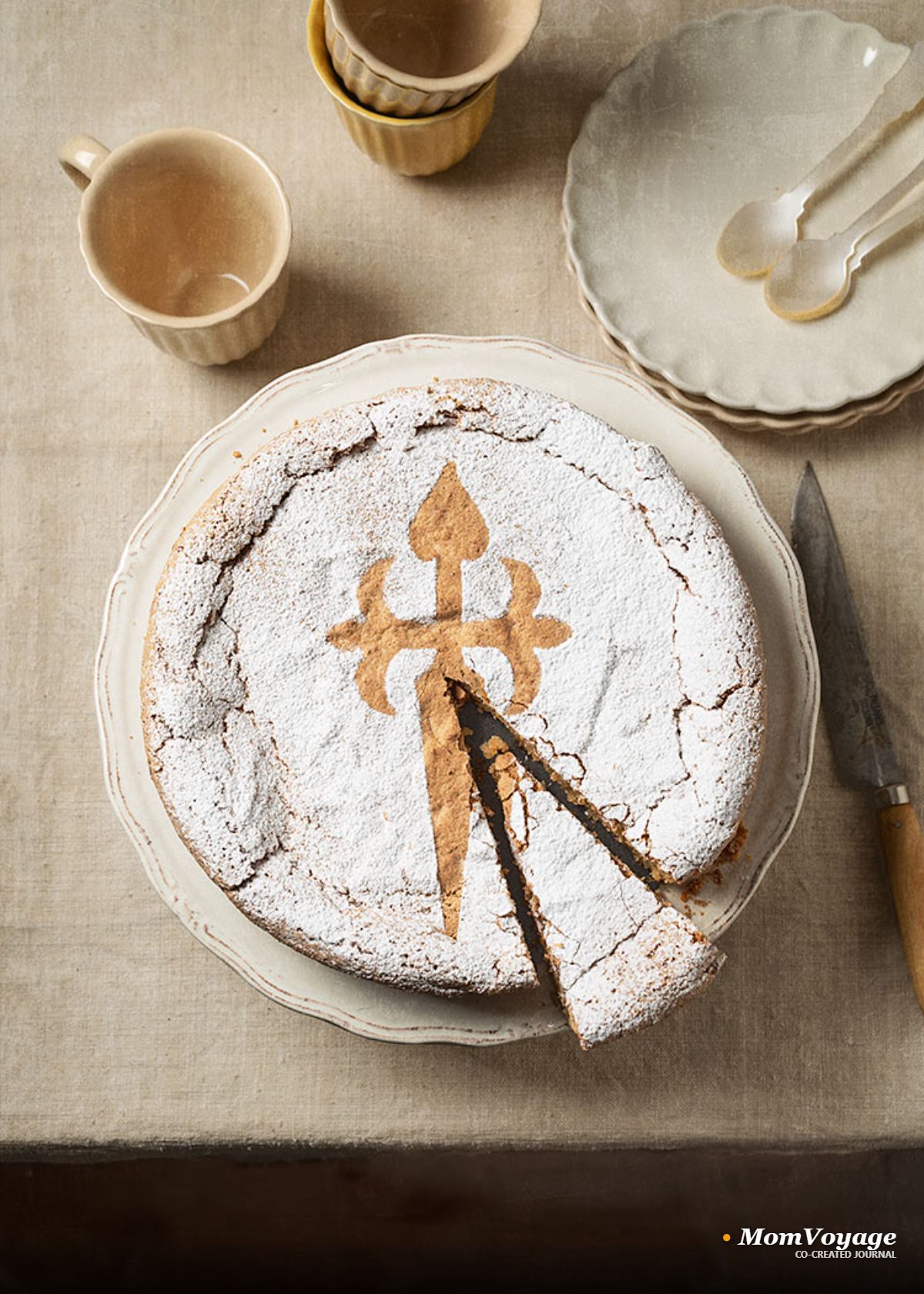
Master the iconic Torta de Santiago! This A Coruña specialty is easier to bake than you think. Get the authentic recipe and impress with this delicious almond cake.
The Quintessential Torta de Santiago: A Recipe for Authenticity
A Coruña's Torta de Santiago is more than just a dessert; it's a culinary emblem of Galicia, a whispered story of sun-drenched almonds and the enduring spirit of Saint James. While the city itself offers a tapestry of experiences, from the Tower of Hercules to its lively maritime culture, the true essence of its gastronomy often culminates in this deceptively simple yet profoundly satisfying almond cake. This recipe aims to demystify its preparation, guiding you through each stage to achieve a moist, fragrant, and unmistakably Galician Torta de Santiago that will grace any table with elegance and flavor. We will delve into the importance of each ingredient, the nuances of technique, and the traditions that make this cake a beloved classic.
The Foundation: Unveiling the Core Ingredients
The magic of Torta de Santiago lies in its purity of ingredients. Unlike many elaborate cakes, it relies on a few high-quality components to shine. The star, of course, is the almond. For an authentic Galician Torta, seek out finely ground almonds. While store-bought almond flour is acceptable, for the most traditional texture, consider grinding whole, blanched almonds yourself. This process releases their natural oils, contributing to the cake's inherent richness and moistness.
Beyond almonds, sugar plays a crucial role, providing sweetness and structure. A simple granulated sugar is standard, but some recipes might advocate for a touch of icing sugar to ensure a finer crumb. Eggs are the binding agents, providing lift and richness. The quality of your eggs will directly impact the final texture and color of the cake. Finally, a hint of citrus zest, typically from a lemon, is essential. This bright, aromatic note cuts through the richness of the almonds and sugar, offering a refreshing counterpoint and adding a layer of complexity that elevates the cake from merely sweet to truly exquisite. Butter, while not always present in every traditional recipe, can be added for an extra layer of richness and tenderness.
Mastering the Almond Grind: The Key to Texture
The texture of your Torta de Santiago is paramount, and it all begins with the almonds. For the most authentic experience, the ideal scenario involves grinding blanched almonds yourself. Blanching removes the brown skins, preventing any bitterness and ensuring a uniformly pale color. To grind them, a food processor is your best friend. Pulse the blanched almonds in short bursts, taking care not to over-process them into a paste. You are aiming for a fine, flour-like consistency with occasional small, discernible pieces of almond. This slight coarseness is what gives the Torta de Santiago its characteristic tender, slightly crumbly texture.
If you opt for pre-ground almond flour, choose a finely ground variety. Coarser grinds can result in a tougher cake. Some bakers advocate for a mix of finely ground almonds and a small amount of almond meal for added depth of flavor and textural intrigue. Whichever method you choose, the key is to ensure your almonds are fresh. Stale almonds can impart a rancid flavor, detracting from the delicate taste of the cake.
The Art of Incorporation: Gentle Mixing for a Tender Crumb
The method of combining your ingredients is as important as the ingredients themselves. The Torta de Santiago is not a cake that benefits from vigorous beating or overmixing. The goal is to create a tender, moist crumb, and this is achieved through gentle incorporation.
Begin by creaming your butter and sugar together until light and fluffy, if using butter. This process incorporates air, which contributes to the cake's lift. Then, gradually add your eggs, one at a time, beating well after each addition. This ensures the eggs are fully emulsified, creating a stable base for the batter. Next, it’s time to introduce the dry ingredients: the finely ground almonds, sugar (if not creamed with butter), and lemon zest. Fold these into the wet ingredients with a spatula, using a light, sweeping motion. Avoid overworking the batter at this stage. Overmixing can develop the gluten in the almond flour (though it's less prevalent than in wheat flour), leading to a tougher cake. The batter should be thick but pourable, with a slightly coarse, almond-flecked appearance.
The Essential Addition: Lemon Zest for Galician Zest
The subtle yet indispensable addition of lemon zest is what truly distinguishes a Galician Torta de Santiago. It's the whisper of sunshine and the tang of the sea that balances the rich, nutty flavor of the almonds. Use fresh, unwaxed lemons for the best aroma and flavor. The zest is the outermost yellow layer of the peel; avoid the bitter white pith underneath. A microplane or a fine grater is ideal for zesting, as it captures the fragrant oils without digging into the bitter white layer.
The amount of lemon zest can be adjusted to your preference. A single lemon is often sufficient for a standard-sized cake, but if you desire a more pronounced citrus note, you can add a little more. The zest not only adds an aromatic dimension but also provides a slight brightness that cuts through the sweetness, preventing the cake from feeling heavy. It’s this harmonious balance of rich almond and bright citrus that makes the Torta de Santiago so addictive.
The Time-Honored Tradition: The Cross of Saint James
The most iconic visual element of the Torta de Santiago is, undoubtedly, the Cross of Saint James. This heraldic symbol, a red cross with fleur-de-lis at the ends, is traditionally stenciled onto the top of the cooled cake using icing sugar. This practice is deeply rooted in the pilgrimage to Santiago de Compostela, the culmination of the Camino de Santiago.
To achieve this, you will need a stencil of the Cross of Saint James. These can be purchased online or made at home by carefully cutting the design from cardstock. Ensure the stencil is food-safe. Once your Torta de Santiago has cooled completely, place the stencil centrally on the cake. Sift a generous amount of icing sugar over the stencil, ensuring an even coating. Gently lift the stencil to reveal the crisp, white cross against the golden-brown cake. This final flourish is not just decorative; it's a homage to tradition and a beautiful representation of A Coruña's rich cultural heritage.
Baking to Perfection: Achieving Golden Brown Bliss
Baking the Torta de Santiago requires a moderate oven temperature to ensure even cooking without burning the delicate almond surface. Preheat your oven to around 180°C (350°F). A well-greased and floured springform pan (approximately 23-24 cm or 9-inch) is ideal for this cake, as it allows for easy removal without damaging its structure. Line the bottom with parchment paper for added insurance.
Pour your batter evenly into the prepared pan. The batter will be thick, so use a spatula to spread it out smoothly. The baking time can vary depending on your oven, but typically ranges from 30 to 45 minutes. You’ll know your Torta de Santiago is ready when the top is golden brown and a wooden skewer or toothpick inserted into the center comes out clean. Be cautious not to overbake, as this can dry out the cake. The aroma of toasted almonds and citrus should fill your kitchen as it bakes, a comforting promise of the deliciousness to come.
Cooling and Resting: The Patience of the Galician Baker
Once baked to perfection, it's crucial to allow your Torta de Santiago to cool properly. Remove the cake from the oven and let it cool in the pan for about 10-15 minutes. This initial cooling period allows the cake to set and firm up, making it easier to handle.
After this brief respite, carefully invert the cake onto a wire rack to cool completely. This is where patience is key. Resist the urge to frost or slice it while warm. Allowing the cake to cool thoroughly ensures that it holds its shape and that the flavors have a chance to meld and deepen. For the best texture and flavor, many believe that a Torta de Santiago is even better the day after it's baked. This resting period allows the moisture to redistribute evenly throughout the cake, resulting in an even more tender and flavorful experience.
Serving Suggestions: Embracing the Galician Spirit
The beauty of Torta de Santiago lies in its versatility. It requires no elaborate accompaniments to shine. Its rich almond flavor, delicate sweetness, and subtle citrus notes make it a perfect standalone treat.
Traditionally, it's enjoyed with a strong coffee, a robust Spanish wine, or a glass of sweet Moscatel. In A Coruña, you might find it served as part of a leisurely afternoon coffee break or as a sophisticated dessert after a meal. For a touch of Galician charm, serve it alongside a dollop of slightly sweetened whipped cream or a scattering of fresh berries. However, for the purist, the Torta de Santiago in its unadorned glory, with its iconic Cross of Saint James, is an experience in itself, transporting you directly to the heart of Galicia with every delicious bite.
Journey Highlights
- The Ultimate Torta de Santiago Recipe - Key Ingredients for Authentic Flavor - Step-by-Step Baking Guide - Tips for a Perfect Finish
Local Secrets & Insider Tips
Elevating Your Torta de Santiago Experience: Insider Secrets from a Local
As a lifelong resident and avid culinary explorer of A Coruña, I've had the distinct pleasure of tasting countless Torta de Santiago creations. This iconic almond cake is far more than just a dessert; it's a deeply ingrained tradition, a comforting taste of home that evokes memories of family gatherings and sun-drenched afternoons. While the recipe itself is relatively straightforward, unlocking its true potential requires a touch of local wisdom. Here’s how to transform your Torta de Santiago from good to extraordinary.
Timing is Everything: Embracing the Rhythm of A Coruña
When to Bake & Savor: The Quintessential Afternoon: While a Torta de Santiago can be enjoyed any time, its subtle, complex almond notes truly shine in the quiet lull of a late afternoon. Pair it with a robust Galician coffee or a glass of crisp Albariño – the perfect accompaniment to contemplative enjoyment. Avoiding the Bakery Rush: If you're seeking the freshest, most authentic ingredients, or even a pre-made torta, timing is key. Morning Market Buzz: Local markets like Mercado de San Agustín are vibrant in the mornings. Arrive between 9:00 AM and 10:30 AM for the best selection of produce and freshly ground almonds, but be prepared for lively crowds. Afternoon "Pausa": For a more relaxed market experience and to potentially snag a slightly imperfect, yet delicious, torta from a bakery at a discount, aim for the hour between 6:00 PM and 7:00 PM, just before many establishments close for the evening. Bakeries in the Rúa de Ferrol or around Praza de María Pita are good hunting grounds.
Hidden Entrances & Viewpoints: While not directly related to baking, understanding A Coruña’s layout enhances your appreciation for its traditions. For a unique perspective on the city, particularly at sunset, explore the less-trodden paths along the Paseo Marítimo. Instead of heading straight to the Tower of Hercules, consider starting your walk from the Praza de España and heading west. This offers a more intimate view of the coastline and the city’s relationship with the sea.
Ingredient Secrets: The Soul of the Almond Cake
Almond Flour - The Cornerstone: Quality is Paramount: Do not compromise on the quality of your almond flour. For the most authentic flavor and texture, insist on finely ground, blanched almonds. This means the skins have been removed, resulting in a smoother cake and a more refined almond essence. Local Market Advantage: Your best bet for exceptional almond flour is at A Coruña’s local markets. Ask vendors at Mercado de San Agustín for "almendra molida fina y pelada." Many will freshly grind almonds for you on the spot – a sensory experience in itself! The Cinnamon Conundrum: Many recipes include a whisper of cinnamon. As a purist, I find this unnecessary, even detrimental, to the exquisite almond flavor. If you feel a strong inclination, use the absolute smallest pinch possible, so subtle it’s almost imperceptible. The true star is the almond.
The Zest of Life: Lemon Zest - A Non-Negotiable: The bright, citrusy zest of lemon is the perfect foil to the richness of the almonds, preventing the cake from becoming cloying and adding a vital layer of freshness. Organic & Finely Grated: Always opt for organic lemons to avoid pesticides. Grate only the yellow part of the peel, avoiding the bitter white pith. Use a microplane or the finest side of your grater for an almost powdery zest that integrates seamlessly.
Baking Nuances: Precision for Perfection
Oven Calibration & Time: Preheat Diligently: This is non-negotiable. A properly preheated oven ensures even baking and a consistent rise. The Sweet Spot: I consistently recommend preheating your oven to 170°C (340°F). Baking time typically ranges from 30 to 40 minutes. However, ovens are notoriously individual. The true indicator is the cake's behavior. The "Springy Touch" Test: Gently press the center of the cake with your fingertip. It should feel slightly springy, like a firm pillow. The Skewer's Verdict: Insert a thin skewer or toothpick into the deepest part of the cake. It should emerge with moist crumbs clinging to it, but absolutely no wet batter. Overbaking is the most common pitfall, leading to a dry, crumbly texture.
Cooling & Unmolding - The Patience Game: Cool in the Mold: This is crucial for preventing heartbreak. Allow the Torta de Santiago to cool completely in its baking pan. This allows it to set properly and makes unmolding a clean, graceful affair. Rushing this step will almost guarantee a broken cake. The Gentle Unmold: Once completely cool, carefully run a thin knife around the edge of the cake to loosen it. Then, invert the pan onto a cooling rack. A gentle tap on the bottom of the pan should release the cake.
The Iconic Stencil: A Symbol of Santiago
Crafting or Acquiring Your Stencil: Purchase Options: Stencils are readily available in specialty baking stores and many souvenir shops in A Coruña. Look for one specifically sized for your cake pan. DIY Elegance: For a personal touch, create your own from sturdy cardstock or a thin plastic sheet. Ensure the Cross of Saint James is clearly defined and the stencil is rigid enough to hold its shape.
The Art of the Dusting: Centering is Key: After the cake has cooled completely, place the stencil precisely in the center. Take your time to align it perfectly. Generous and Even: Sift a generous amount of powdered sugar over the stencil. Use a fine-mesh sieve for an even distribution. The Reveal: This is the moment of truth! Slow and Steady: Lift the stencil slowly and carefully. I often find it helpful to gently hold down the outer edges of the stencil with one hand while lifting the inner part with the other. The "Edge Lift" Technique: For an exceptionally clean line, some bakers prefer to dust the sugar, then very carefully lift the stencil by its edges, pulling it away from the cake.
Serving Traditions: The Galician Way
Room Temperature is Best: Unlock the Flavors: Torta de Santiago is best served at room temperature. Chilling the cake mutes its delicate almond notes and makes the texture less appealing. Perfect Pairings: Galician Coffee: A strong, dark coffee, often brewed in a moka pot or espresso machine, is the quintessential accompaniment. Albariño: For a truly regional experience, pair a slice with a chilled glass of Albariño. This crisp, dry white wine from the Rías Baixas region offers a refreshing counterpoint to the rich cake. Orujo: For the adventurous, a small shot of local orujo (a pomace brandy) can also be a bold pairing.
Logistics & Pro-Tips for A Coruña
Getting Around: A Coruña is a walkable city, especially the historic center and the promenade. For longer distances, the local buses (Compañía de Tranvías de A Coruña) are efficient and affordable. Consider purchasing a rechargeable bus card for convenience. Language: While many locals in tourist areas speak English, learning a few basic Spanish phrases (and even Galician, if you're feeling ambitious!) will be greatly appreciated. "Ola" (Hello), "Grazas" (Thank you - Galician), "Por favor" (Please), and "Canto custa?" (How much does it cost?) go a long way. Siesta Etiquette: While less strictly observed in large cities like A Coruña, some smaller shops may close for a few hours in the afternoon, typically between 2:00 PM and 4:30 PM. Plan your shopping accordingly.
Safety & Etiquette Advice
Petty Theft: As in any city, be aware of your surroundings, especially in crowded areas like markets and tourist hotspots. Keep valuables secure and out of sight. Respecting Local Customs: When visiting churches or religious sites, dress modestly. Always ask permission before taking photos of individuals. Dining Etiquette: Tipping is not as ingrained in Spanish culture as in some other countries. A small tip (rounding up the bill or leaving a few extra euros) for excellent service is appreciated but not obligatory. It’s common to enjoy a leisurely meal, so don’t expect to be rushed.
Enjoy your culinary journey into the heart of A Coruña! May your Torta de Santiago be as rich in tradition as it is in flavor.
Common Questions
Frequently Asked Questions about Torta de Santiago
- What is Torta de Santiago? Torta de Santiago is a traditional Spanish almond cake originating from Galicia. It's typically made with ground almonds, eggs, sugar, and lemon zest, and often features the Cross of Saint James (Cruz de Santiago) stenciled on top with powdered sugar.
- What makes Torta de Santiago unique? Its primary ingredient is almond flour, giving it a dense yet moist texture and a rich, nutty flavor. The simplicity of its ingredients highlights the quality of the almonds. The iconic Cross of Saint James decoration is also a distinctive feature.
- Can I make Torta de Santiago gluten-free? Yes, Torta de Santiago is naturally gluten-free as it does not contain wheat flour, relying entirely on almond flour for its structure.
- How should I store Torta de Santiago? Store the cake in an airtight container at room temperature for up to 3-4 days. If you refrigerate it, the texture can become drier.
- What is the best way to serve Torta de Santiago? It's delicious served on its own, with a cup of coffee or tea, or as a dessert with a dollop of whipped cream or a glass of sweet wine. It's particularly delightful with a glass of local Galician wine.