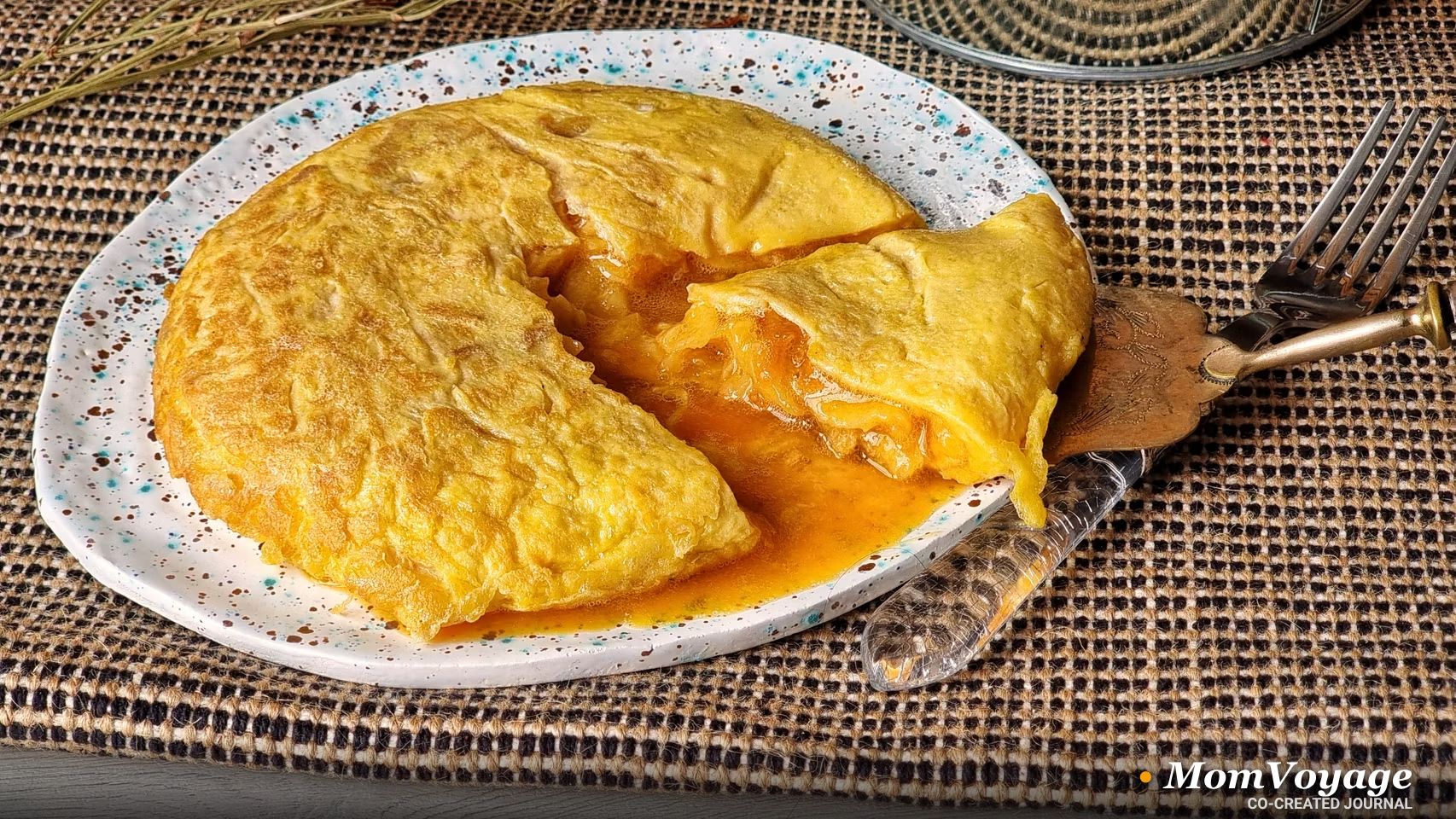
Master the authentic Tortilla Gallega recipe from A Coruña. Discover simple steps, fresh ingredients, and tips for the perfect Spanish potato omelette at home.
Mastering the Authentic Tortilla Gallega
The Tortilla Gallega is more than just a dish; it's a culinary cornerstone of A Coruña, embodying the region's love for simple, high-quality ingredients transformed into something truly special. While variations exist across Spain, the Galician version often emphasizes a softer, creamier interior and a delicate balance of potato and egg. This guide will walk you through creating an authentic Tortilla Gallega that captures the essence of this beloved local recipe.
The Essential Ingredients
To achieve the perfect Tortilla Gallega, sourcing fresh, quality ingredients is paramount. The beauty of this dish lies in its simplicity, making each component vital.
- Potatoes: Approximately 500g of medium-sized potatoes, preferably a waxy variety like Monalisa or Kennebec, which hold their shape well when cooked. Aim for about 3-4 medium potatoes. - Eggs: 5-6 large, fresh eggs. The quantity of eggs should complement the potatoes, creating a cohesive omelette without being too dry or too wet. - Onion (Optional but Recommended): 1 medium yellow onion, finely sliced. While traditionalists sometimes debate its inclusion, onion adds a layer of sweetness and moisture that is highly prized in A Coruña. - Olive Oil: A generous amount of good quality extra virgin olive oil for frying the potatoes and cooking the tortilla. You'll need at least 150-200ml. - Salt: To taste. Use sea salt for the best flavor.
The Art of Preparation
Achieving the perfect Tortilla Gallega requires patience and attention to detail, particularly in the cooking of the potatoes and the folding of the omelette.
1. Prepare the Potatoes and Onion: Peel the potatoes and slice them thinly, about 3-4mm thick. If using onion, slice it thinly as well. Place the sliced potatoes and onion in a bowl, season generously with salt, and toss to coat evenly.
2. Slow-Fry the Potatoes (Confit): Heat a generous amount of olive oil in a non-stick frying pan over medium-low heat. The oil should be enough to almost cover the potatoes. Add the salted potatoes and onion to the oil. The key here is to poach or confit the potatoes rather than deep-fry them until crispy. They should become tender and soft, absorbing the olive oil's flavor, over about 15-20 minutes. Stir occasionally to ensure even cooking and prevent sticking. The potatoes should be cooked through but not browned or crispy.
3. Drain and Mash (Slightly): Once tender, carefully drain the potatoes and onion using a colander set over a bowl to catch the flavorful olive oil (this oil can be reused). Let them drain for a few minutes. Gently break up some of the potato slices with a fork or the back of a spoon – you want a mixture of whole and slightly broken pieces to give the tortilla texture.
4. Combine with Eggs: In a large bowl, whisk the eggs with a pinch of salt until just combined – don't over-whisk. Add the slightly broken potato and onion mixture to the whisked eggs. Gently fold everything together, ensuring all potato pieces are coated in egg. Let this mixture sit for at least 5-10 minutes; this allows the potatoes to absorb some of the egg, leading to a moister tortilla.
5. Cook the Tortilla: Heat about 2-3 tablespoons of the reserved olive oil in the same non-stick pan over medium heat. Once hot, pour in the egg and potato mixture. Spread it evenly. Use a spatula to gently shape the edges, tucking them inwards. Cook for about 4-6 minutes, until the edges and the bottom start to set and turn golden brown. You can gently shake the pan to ensure it's not sticking.
6. The Flip: This is the crucial step. Place a large plate or a lid that is wider than the pan over the frying pan. With one swift, confident motion, invert the pan so the tortilla lands onto the plate. Carefully slide the tortilla back into the pan, uncooked side down. Use the spatula to tuck in the edges again, creating a neat, rounded shape.
7. Finish Cooking: Cook for another 3-5 minutes on the second side, depending on how cooked you like your tortilla. For a truly authentic Tortilla Gallega, aim for a slightly runny or 'jugosa' (juicy) center. Slide the finished tortilla onto a clean serving plate.
Serving Your Tortilla Gallega
Serve your homemade Tortilla Gallega warm or at room temperature. It's perfect as a light lunch, a tapa, or part of a larger meal. Enjoy the comforting flavors of A Coruña!
Journey Highlights
- Prepare potatoes and onion by peeling and thinly slicing. - Season potatoes and onion generously with salt. - Slow-fry potatoes and onion in olive oil until tender, about 15-20 minutes. - Drain cooked potatoes and onion, then gently break up some pieces. - Whisk eggs with salt and combine with the potato mixture. - Let the mixture sit for 5-10 minutes. - Heat olive oil in a pan and pour in the egg and potato mixture. - Cook for 4-6 minutes until the bottom sets. - Invert the tortilla onto a plate. - Slide the tortilla back into the pan to cook the other side for 3-5 minutes. - Serve warm or at room temperature.
Local Secrets & Insider Tips
A Coruña, let me share some insider secrets to truly savor our culinary heritage, especially when it comes to our beloved Tortilla Gallega.
Timing is Everything: Forget the midday rush. For the most authentic experience, visit a local 'tasca' or 'bar de tapas' in the early evening, around 7:00 PM to 8:00 PM, just as they're preparing their fresh batches for the night. This is when the tortilla is at its peak, often still slightly warm and incredibly moist. Avoid the lunch hour (1:30 PM - 3:30 PM) if you want a quieter, more local feel.
Hidden Entrances & Local Haunts: While tourist spots have their charm, the real magic of our food lies in the neighborhood bars. Instead of heading straight to the main squares, wander down the smaller side streets in areas like Monte Alto or Os Mallos. Look for bars packed with locals, not just tourists. A good sign is a counter laden with various 'pinchos' and a lively, chatter-filled atmosphere. My personal favorite for an authentic, no-frills Tortilla Gallega is a tiny place called 'O Recanto do Pulpo' (look for the small, unassuming blue awning near Calle de la Merced) – their tortilla is legendary.
Dishes Beyond the Tortilla: While you must try the Tortilla Gallega, don't stop there! At 'O Recanto do Pulpo', ask for their 'Pulpo a Feira' (Galician-style octopus) if it's available – it's prepared with a traditional smoky paprika and sea salt that’s divine. Another must-try in A Coruña is 'Merluza a la Gallega' (hake in green sauce). For a truly local experience, find a small marisquería and order a plate of 'Navajas' (razor clams) simply grilled with garlic and parsley – simple, fresh, and spectacular.
Logistical Pitfalls: Many visitors underestimate the 'siesta' hours. While less strict in larger cities, some smaller shops and even cafes might close between 2:00 PM and 5:00 PM. Plan your culinary explorations around this, perhaps enjoying a long lunch or visiting tapas bars that stay open. Also, parking can be a nightmare in the city center, especially on weekends. Opt for public transport or use the underground parking garages like Plaza de Pontevedra and be prepared to walk a bit. When ordering tapas, remember that in many traditional bars, a small tapa often comes free with your drink – a fantastic way to sample local flavors without breaking the bank!
Common Questions
Frequently Asked Questions about Tortilla Gallega
Q1: What makes Tortilla Gallega different from other Spanish tortillas? A1: While the core ingredients (potatoes, eggs, oil, salt) are similar, the Tortilla Gallega often features a softer, more tender potato texture achieved through slow-frying (confit) rather than frying until crispy. The inclusion of onion is also more common and highly prized in the Galician version, adding sweetness and moisture.
Q2: Can I make Tortilla Gallega without onion? A2: Yes, you absolutely can. While onion is a popular addition in A Coruña, the dish is delicious without it. If you prefer it without, simply omit the onion and proceed with the recipe using only potatoes.
Q3: How do I achieve a 'runny' or 'jugosa' center? A3: To achieve a 'jugosa' center, slightly undercook the tortilla on the second side. The residual heat will continue to cook the inside after it's removed from the pan. Ensure your potato mixture isn't too dry; letting the potatoes sit in the whisked eggs for 5-10 minutes before cooking helps absorb moisture.
Q4: What kind of potatoes are best for Tortilla Gallega? A4: Waxy potatoes like Monalisa or Kennebec are ideal. They hold their shape better when slow-fried and provide a pleasant texture without becoming mushy. Starchy potatoes can sometimes lead to a less desirable consistency.