Albuquerque's most guarded culinary secret is revealed! Discover the shocking ingredient in this viral New Mexican recipe. Click NOW!
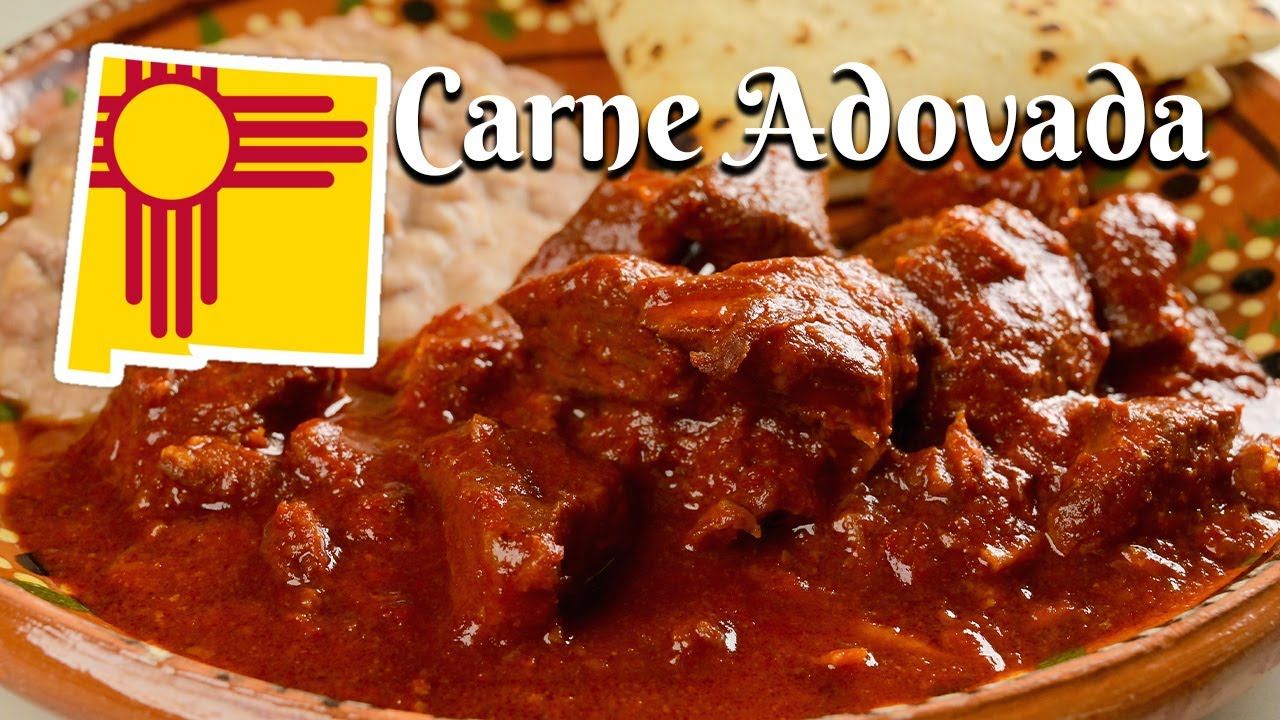
Carne Adovada is more than just a dish in Albuquerque; it's a culinary cornerstone, a taste of home passed down through generations. This slow-cooked pork, marinated in a rich, red chile sauce, embodies the soul of New Mexican cuisine. While many variations exist, the heart of a true Albuquerque Carne Adovada lies in its deep, smoky flavor, achieved through patient simmering and a carefully balanced blend of chiles.
Ingredients:
- 2 lbs pork shoulder (Boston butt), cut into 1.5-inch cubes - 1 cup dried New Mexico red chile pods (stems and seeds removed) - 2-3 cloves garlic, minced - 1 teaspoon ground cumin - 1/2 teaspoon dried oregano - 1/4 teaspoon ground black pepper - 1 tablespoon apple cider vinegar - 1/2 cup water (or as needed for sauce consistency) - 2 tablespoons vegetable oil or lard - Salt to taste
Preparation Steps:
1. Prepare the Chile Sauce: Toast the dried red chile pods lightly in a dry skillet over medium heat until fragrant (about 1-2 minutes). Be careful not to burn them. Place the toasted pods in a bowl and cover with very hot water. Let them soak for about 20-30 minutes until softened. Drain the pods, reserving some of the soaking liquid. 2. Blend the Sauce: Place the softened chile pods in a blender with the minced garlic, cumin, oregano, black pepper, and apple cider vinegar. Add about 1/2 cup of fresh water (or some of the reserved soaking liquid) and blend until smooth. If the sauce is too thick, add a little more water until it reaches a thick but pourable consistency. 3. Sear the Pork: Season the pork cubes generously with salt. Heat the vegetable oil or lard in a heavy-bottomed pot or Dutch oven over medium-high heat. Brown the pork cubes in batches on all sides. Do not overcrowd the pot. Remove the browned pork and set aside. 4. Simmer: Pour the blended chile sauce into the same pot. Cook for 5-10 minutes, stirring occasionally, allowing the sauce to deepen in flavor. Return the browned pork to the pot. Stir to coat the pork evenly with the sauce. Add more water if needed to ensure the pork is mostly submerged. 5. Slow Cook: Bring the mixture to a simmer, then reduce the heat to low, cover the pot tightly, and let it cook for at least 2-3 hours, or until the pork is fork-tender. Stir occasionally, checking the liquid level and adding a splash more water if it becomes too dry. 6. Serve: Once the pork is tender and the sauce has thickened, taste and adjust seasoning with salt if necessary. Serve hot, traditionally with warm tortillas, beans, and rice. Some prefer to shred the pork within the sauce before serving.
Journey Highlights
- Pork shoulder - New Mexico red chile pods - Garlic - Cumin - Oregano - Black pepper - Apple cider vinegar - Water - Vegetable oil or lard - Salt
Local Secrets & Insider Tips
As a lifelong resident, I'll tell you that making authentic Carne Adovada is an art form perfected over countless family meals. Forget the tourist traps; the real magic happens in home kitchens and humble local eateries.
Timing and Crowds: If you're looking for the best Carne Adovada outside of a home, aim for local diners during off-peak hours. That means arriving at Maria's New Mexican Kitchen around 10:30 AM on a weekday – before the lunch rush. Avoid weekends if you can. For a truly no-crowd experience, plan to visit a small, family-run spot like Sadie's of New Mexico (the original, smaller location on 4th Street, not the larger ones) on a Tuesday or Wednesday afternoon, between 2 PM and 4 PM.
Hidden Gems & Viewpoints: While Carne Adovada isn't typically found at scenic viewpoints, the 'hidden gem' is often the restaurant itself. Look for unassuming buildings on side streets away from Old Town. El Encanto Restaurant on San Mateo Blvd is a local legend for its Carne Adovada, and it's rarely swamped with tourists because it's not in the main tourist drag. The best 'viewpoint' is actually the flavor explosion you get when you taste it.
Must-Order Dishes: At Maria's, order the Carne Adovada plate with a side of their homemade tortillas and calabacitas. If you're at El Encanto, try their 'Stuffed Sopapillas' alongside the Carne Adovada – it’s a double dose of local flavor. Frontier Restaurant, near the university, is another classic. Their Carne Adovada is simpler, more straightforward, and incredibly satisfying, especially at their 24-hour walk-up window late at night. Don't expect fancy plating; expect pure, unadulterated flavor.
Logistical Pitfalls: Many visitors underestimate the chile. Even 'mild' red chile has a kick! If you're sensitive to spice, ask for it 'Christmas style' (a mix of red and green chile) and specify 'mild' or 'less spicy'. Also, portions are usually generous. Don't be afraid to ask for a to-go box; leftovers are fantastic the next day, often even better. Lastly, remember that many local spots close early or are closed on Sundays and Mondays. Always check hours before you go, especially for the smaller, independent eateries.
Common Questions
Frequently Asked Questions About Carne Adovada
What is the optimal cut of pork for achieving the best Carne Adovada?
For an undeniably tender and succulent Carne Adovada, pork shoulder, also known as Boston butt, is the undisputed champion. This cut boasts a generous amount of intramuscular fat (marbling) and connective tissue, which are crucial for its success during the extended, slow-cooking process. As the pork shoulder braises, these elements break down, transforming into gelatin and infusing the meat with moisture and an incredibly rich, melt-in-your-mouth texture. While other cuts can be used, pork shoulder's inherent characteristics make it the most forgiving and rewarding choice for authentic Carne Adovada.
Can I substitute New Mexico red chiles with other dried chiles for Carne Adovada?
While New Mexico red chiles are the cornerstone of authentic Carne Adovada flavor, offering a unique balance of mild heat and earthy sweetness, experimentation is possible. For a similar depth of flavor with a slightly different nuance, consider using Ancho chiles (which are dried poblanos, providing a smoky, raisin-like sweetness) or Guajillo chiles (offering a brighter, slightly fruity flavor with a mild to medium heat). It's crucial to exercise caution when selecting alternative chiles, especially those known for their intense spiciness, such as arbol or cayenne. Unless you desire a significantly hotter dish, it's best to avoid chiles with very high Scoville ratings to preserve the characteristic, comforting profile of Carne Adovada. If you do opt for a spicier chile, start with a smaller quantity and adjust to your personal heat preference.
What is the ideal cooking time for Carne Adovada to achieve perfect tenderness?
The secret to exceptional Carne Adovada lies in its slow and patient cooking method. The goal is to achieve a level of tenderness where the pork is easily shreddable with a fork, practically falling apart. This typically requires a minimum of 2 to 3 hours of simmering or braising. However, many enthusiasts find that cooking it for 4 to 6 hours, or even longer at a low temperature, yields even more profound tenderness and allows the flavors to meld beautifully. The exact cooking time will depend on the size of your pork pieces and the specific cooking method used (stovetop, oven, or slow cooker). It's always best to check the pork's tenderness periodically after the initial 2-hour mark and continue cooking until it reaches your desired consistency.
What are the traditional and complementary accompaniments for Carne Adovada?
Carne Adovada is a robust and flavorful dish that pairs wonderfully with a variety of traditional New Mexican accompaniments. Warm, freshly made flour tortillas are a classic staple, perfect for scooping up the rich sauce and tender pork. Other beloved pairings include calabacitas, a savory casserole often made with zucchini, corn, and cheese, and creamy refried beans or fluffy Mexican rice. For a refreshing contrast to the dish's richness, a simple side salad with a light vinaigrette can also be an excellent choice. Beyond these staples, consider serving it alongside some pickled red onions or a dollop of sour cream for added complexity.