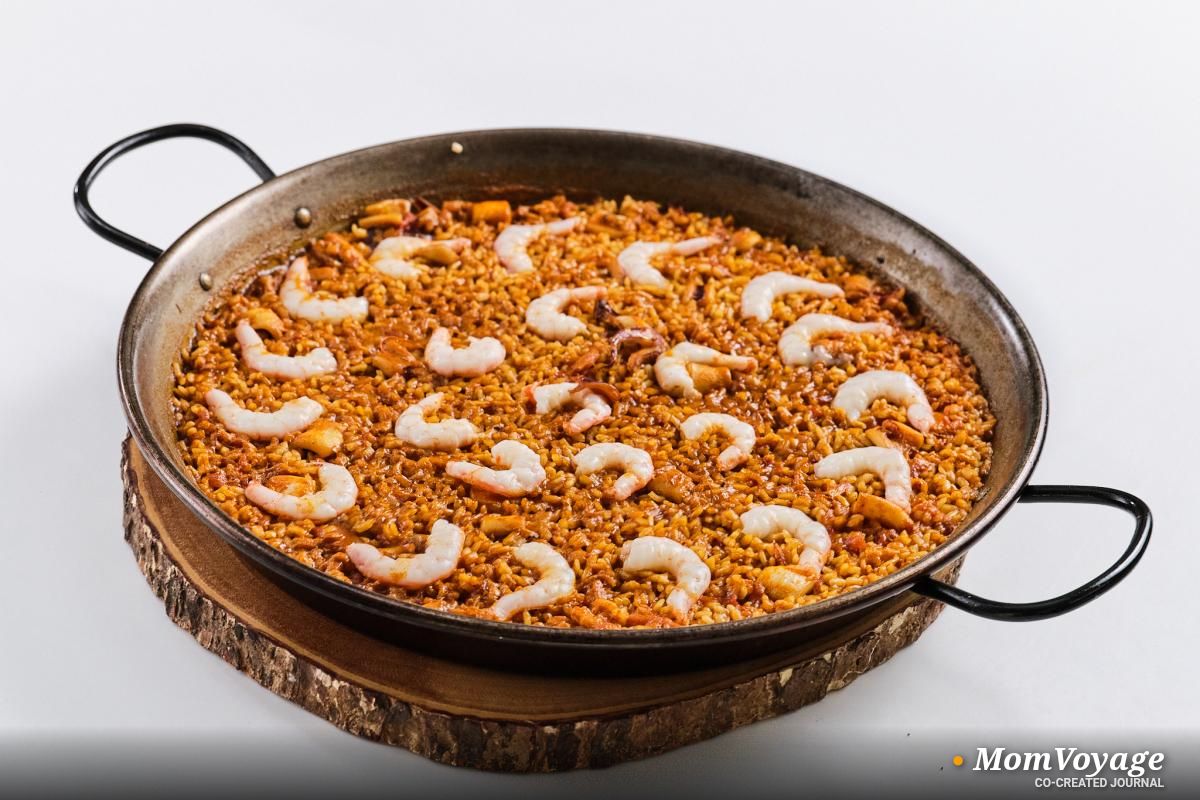
Savor Alicante's authentic Arroz a Banda! Learn the traditional recipe, secret ingredients, and preparation for this iconic Valencian seafood rice dish. Your culinary journey starts here.
Alicante's Soul: The Authentic Arroz a Banda
Alicante, a vibrant coastal city on Spain's Costa Blanca, is renowned for its beautiful beaches, historic castle, and, of course, its incredible cuisine. Among the many culinary delights, one dish stands out as a true representation of the region's seafaring heritage and agricultural bounty: Arroz a Banda. This flavorful rice dish, traditionally cooked in a clay pot (cazuela) and served in two parts (hence 'a banda' or 'on the side'), is a testament to simple, fresh ingredients prepared with masterful technique. It's more than just a meal; it's a taste of Alicante's soul.
What is Arroz a Banda?
Arroz a Banda, at its core, is a rice dish cooked in a rich, intensely flavorful fish broth. The rice absorbs this liquid, becoming infused with the essence of the sea. It's typically served with aioli (garlic mayonnaise) on the side, which adds a creamy, pungent counterpoint to the savory rice. The 'a banda' aspect refers to the traditional way it was served: the rice was cooked separately from the fish and seafood, which were often presented as a first course, with the flavorful rice following as the second. While variations exist, the heart of the dish remains the pristine quality of the fish stock and the perfect texture of the rice.
The Authentic Recipe: Ingredients and Preparation
Creating a truly authentic Arroz a Banda requires attention to detail and a focus on high-quality, fresh ingredients. Here’s a breakdown of what you’ll need and how to bring this Alicante classic to life.
#### Ingredients:
For the Fish Broth (The Soul of the Dish): 1 kg mixed fish bones and heads (from white fish like hake, monkfish, or scorpionfish – avoid oily fish like sardines) 2 liters of water 1 large tomato, roughly chopped 1 leek (white and light green parts), roughly chopped 1 sprig of parsley 1 bay leaf Salt to taste
For the Rice: 300g Bomba or Senia rice (short-grain varieties that absorb liquid well) 1 ripe tomato, grated (skin discarded) 1 small ñora pepper (dried red pepper), deseeded and pulp scraped out, or 1 teaspoon sweet paprika 2-3 cloves of garlic, finely chopped 1 small sprig of rosemary (optional, but traditional) 100 ml extra virgin olive oil Approx. 800 ml – 1 liter of hot, strained fish broth (adjust as needed based on rice) Salt to taste Lemon wedges, for serving Aioli (homemade or good quality store-bought), for serving
#### Preparation:
1. Make the Fish Broth: In a large pot, combine the fish bones and heads with water, chopped tomato, leek, parsley, bay leaf, and a pinch of salt. Bring to a boil, then reduce heat and simmer gently for about 30-40 minutes, skimming off any foam that rises to the surface. Strain the broth through a fine-mesh sieve, pressing down on the solids to extract maximum flavor. Discard the solids. You should have at least 1 liter of concentrated broth. Taste and adjust salt.
2. Prepare the Sofrito: In a wide, shallow pan (preferably a paella pan or a cazuela), heat the olive oil over medium heat. Add the chopped garlic and sauté until fragrant but not browned (about 1 minute). Add the grated tomato and cook, stirring occasionally, until the water has evaporated and the tomato has darkened and thickened into a paste (about 5-7 minutes). Stir in the ñora pepper pulp or paprika and cook for another minute, being careful not to burn it.
3. Add the Rice: Add the rice to the pan and stir well to coat each grain with the sofrito and oil. Toast the rice for 1-2 minutes, stirring constantly.
4. Cook the Rice: Pour in the hot fish broth. The ratio is typically 1 part rice to 2.5-3 parts broth, but this can vary. Bring to a rolling boil. Add the sprig of rosemary (if using) and season with salt. The key is to cook the rice uncovered over high heat for the first 8-10 minutes until most of the liquid has been absorbed and small 'craters' appear on the surface. Then, reduce the heat to low and continue to cook for another 8-10 minutes, or until the rice is tender and the liquid is fully absorbed. The rice should be moist but not soupy, with a slightly al dente texture.
5. Rest and Serve: Once cooked, remove the pan from the heat, cover it loosely with a clean kitchen towel or foil, and let it rest for 5-10 minutes. This allows the flavors to meld and the rice to finish cooking evenly. Remove the rosemary sprig. Serve the Arroz a Banda directly from the pan, accompanied by lemon wedges and a generous dollop of aioli on the side for each person to mix in as they please.
A Taste of Alicante
Arroz a Banda is more than just a recipe; it's an experience. It embodies the freshness of the Mediterranean, the warmth of Spanish hospitality, and the rich culinary heritage of Alicante. Whether you make it at home, inspired by these steps, or savor it in a local restaurant, this dish is sure to transport you to the sunny shores of the Costa Blanca with every delicious bite.
Journey Highlights
- The Star Dish: Arroz a Banda, a celebrated traditional rice dish cooked in flavorful fish broth. - Key Components: Requires a rich, homemade fish stock and high-quality short-grain rice (Bomba or Senia). - Flavor Base: A sofrito made with garlic, ripe tomato, and ñora pepper or paprika creates depth. - Cooking Method: Rice is toasted, then cooked uncovered over high heat before simmering until liquid is absorbed. - Serving Tradition: Served with lemon wedges and aioli for a complete culinary experience.
Local Secrets & Insider Tips
As a local who's savored countless bowls of Arroz a Banda, let me share some insider secrets to truly experience this Alicante treasure:
Timing Your Culinary Pilgrimage: To taste the most authentic Arroz a Banda, aim for a mid-week lunch, ideally between 1:30 PM and 3:00 PM. This is when locals gather for their main meal, and restaurants will be preparing fresh batches using the morning's catch. Avoid weekend evenings, as dishes might be pre-prepared or less fresh.
Finding the Hidden Gems: Steer clear of restaurants directly on the main beachfront promenade if you seek true authenticity. Venture into the side streets of the Casco Antiguo (Old Town) or head towards the Barrio de San Blas. Look for unassuming, family-run establishments with handwritten menus or daily specials boards.
Insider Dish Recommendations: At restaurants known for their rice dishes (often called arrocerías), order the Arroz a Banda when it's explicitly listed as 'Arroz a Banda del día' (Arroz a Banda of the day). This usually signifies it's made with the freshest fish stock. Ask if they serve it 'en cazuela' – this means it's cooked and served in a traditional individual clay pot, concentrating the flavors beautifully. A must-try accompaniment is a simple 'ensalada de tomate con cebolla tierna' (tomato and spring onion salad) to cut through the richness.
Navigating the Logistics: Many tourists get tripped up by the 'a banda' concept. Remember, traditionally, the fish/seafood was served first, and the rice followed. Modern restaurants often serve it all together, but the rice is still the star. Don't be afraid to ask for 'un poco de alioli' (a little aioli) if it's not automatically provided – it's crucial for the full flavor profile. Also, be aware that rice dishes are often made to order and can take 30-45 minutes, so factor this into your meal planning. It's worth the wait!
The Secret Ingredient? Patience and Quality: The true secret to exceptional Arroz a Banda isn't a rare spice, but the quality of the fish stock and the perfect cooking of the rice. Insist on places that make their broth fresh daily. If you see a restaurant with large pots simmering away in the back, that's usually a good sign!
Common Questions
Frequently Asked Questions about Arroz a Banda:
Q1: What makes Arroz a Banda different from Paella?
A1: While both are rice dishes from the Valencia region, Arroz a Banda is primarily characterized by its intense fish broth and the rice being the main focus, often served separately from any seafood. Paella, on the other hand, typically includes a wider variety of ingredients cooked together in the pan with the rice, such as rabbit, chicken, beans, or various seafood, and is often drier in texture.
Q2: Can I use any type of fish for the broth?
A2: It's best to use the bones, heads, and carcasses of lean white fish like hake, monkfish, or scorpionfish. Avoid oily fish like sardines or mackerel, as their strong flavor can overpower the delicate broth needed for Arroz a Banda.
Q3: What is ñora pepper and why is it used?
A3: Ñora is a type of dried round red pepper common in Spanish cuisine. Its pulp provides a unique, mild sweetness and a beautiful reddish hue to dishes like Arroz a Banda. If you can't find ñora, sweet paprika is a suitable substitute, though the flavor will be slightly different.
Q4: How can I ensure the rice is cooked perfectly 'al dente'?
A4: The key is using the correct rice-to-broth ratio and managing the heat. Cook vigorously at the beginning to evaporate excess liquid, then reduce the heat to allow the rice to absorb the remaining broth gently. Taste a grain towards the end of cooking to check for doneness. Resting the rice after cooking also helps achieve the perfect texture.
Q5: Is aioli essential for Arroz a Banda?
A5: While traditionally served with aioli, it's often added by the diner to their own taste. The creamy, garlicky mayonnaise provides a rich counterpoint to the savory rice. If you're not a fan of aioli, you can skip it, but it's a highly recommended addition for the authentic experience.