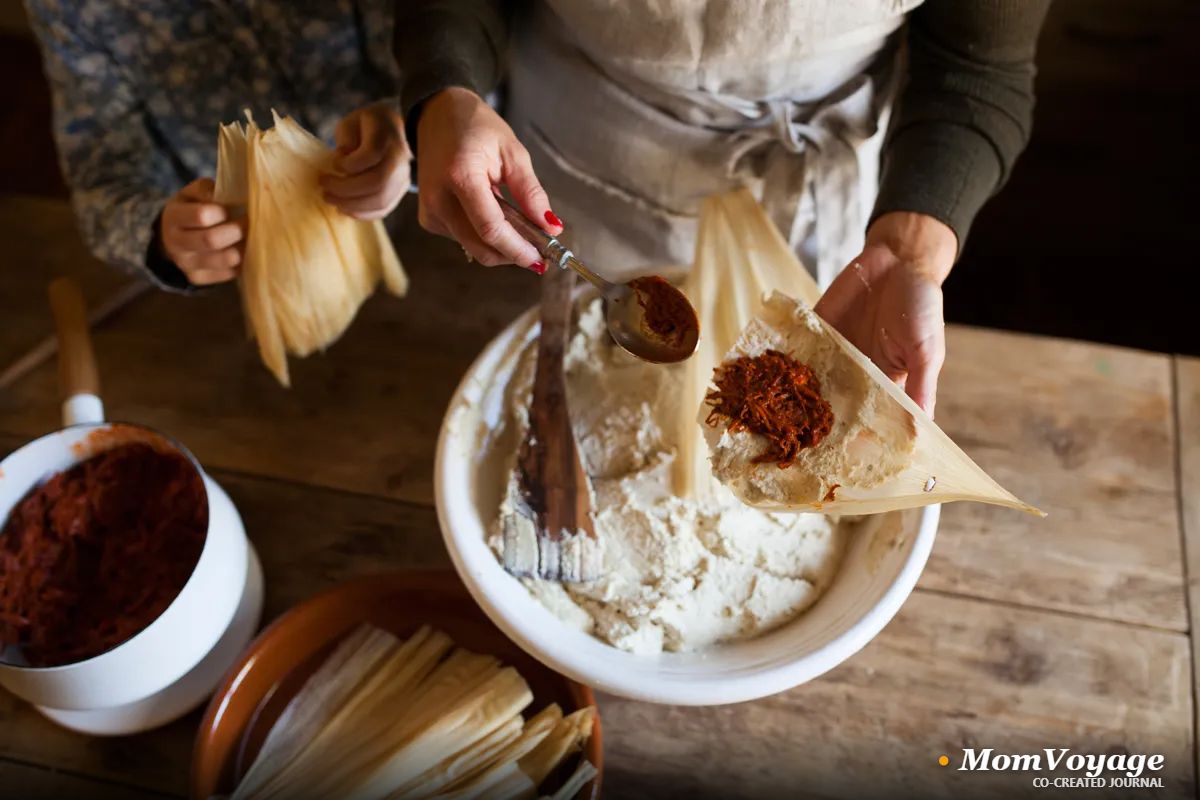
Master the art of Bakersfield's famous tamales. This guide reveals the authentic recipe and simple steps to create delicious, homemade tamales from Kern County.
The Soul of Bakersfield: Crafting Perfect Tamales
Bakersfield's culinary heart beats with the rhythm of its vibrant Mexican-American community, and no dish embodies this spirit more than the tamale. More than just food, tamales are a labor of love, a symbol of celebration, and a taste of home. This guide will walk you through creating authentic Bakersfield-style tamales, focusing on the rich flavors and traditional techniques that make them unforgettable.
Ingredients:
1. Masa Harina: A fine corn flour specifically for tamales. Choose a good quality brand. 2. Lard or Vegetable Shortening: Essential for tender, flavorful masa. Lard provides the most authentic taste. 3. Broth: Chicken or pork broth is traditional, adding depth and moisture. 4. Filling: Seasoned shredded pork or chicken (carnitas or pollo asado work well) is classic. For a vegetarian option, seasoned potatoes or beans are delicious. 5. Salsa Roja or Verde: A flavorful, moderately spicy salsa to bind the filling and masa. 6. Corn Husks: Soaked until pliable, these form the natural wrapper. 7. Salt: To season the masa and filling. 8. Baking Powder: A small amount to lighten the masa.
Preparation Steps:
1. Prepare the Corn Husks: Soak dried corn husks in hot water for at least 30 minutes until soft and pliable. Drain well. 2. Prepare the Filling: Cook and shred your chosen meat (pork or chicken). Season generously with salt, pepper, and any desired spices. If using a vegetarian filling, prepare and season it now. 3. Make the Masa Dough: In a large bowl, combine masa harina, baking powder, and salt. In a separate bowl, whip lard or shortening until light and fluffy. Gradually add broth to the masa harina mixture, alternating with the whipped lard, until a soft, pliable dough forms. It should be the consistency of thick peanut butter. 4. Test the Masa: Drop a small piece of masa into a glass of cold water. If it floats, it's ready. If it sinks, continue mixing and testing. 5. Assemble the Tamales: Take a softened corn husk, wide end up. Spread about 1/4 cup of masa dough evenly over the wider half of the husk, leaving about a 1-inch border at the top and the sides. 6. Add the Filling: Place 1-2 tablespoons of filling down the center of the masa. 7. Fold the Tamale: Fold the masa-covered husk in half lengthwise, so the edges of the masa meet. Then, fold the sides inward to create a compact packet. 8. Steam the Tamales: Arrange tamales upright in a steamer basket, open end up. Do not pack too tightly. Cover the tamales with a layer of extra corn husks, then cover the pot tightly with a lid. Steam for 45-60 minutes, or until the masa easily pulls away from the husk. 9. Rest and Serve: Let tamales rest for at least 15 minutes before serving. This allows them to firm up.
Journey Highlights
- Preparing the Corn Husks - Making the Perfect Masa Dough - Assembling and Folding - Steaming to Perfection - Resting and Serving - Classic Pork Filling - Savory Chicken Filling - Vegetarian Potato Option - The Importance of Lard - Using Quality Masa Harina - Achieving the Right Dough Consistency - Ensuring Tamales are Cooked Through - Variations in Salsa Choice
Local Secrets & Insider Tips
As a local who's spent years perfecting tamale-making and exploring Bakersfield's culinary landscape, I can tell you a few things that make all the difference.
Timing is Everything: If you're visiting during a local festival or holiday season when tamales are abundant, aim to visit the smaller, family-run bakeries or market stalls early in the morning, around 8:00 AM. This is when they are freshest, and you'll likely get the best selection before they sell out.
Hidden Gems: Don't just stick to the main streets. Many of the best tamale spots are tucked away in unassuming strip malls or neighborhood centers. Look for places with a steady stream of locals coming and going – that's always a good sign.
The Real Deal Dish: While many places offer pork or chicken, seek out places that might offer special regional variations. If you see 'Tamales de Rajas' (poblano pepper strips) or 'Tamales de Pipián' (a rich, herbaceous sauce made from pumpkin seeds), try them! These are less common and often indicative of a kitchen with deep roots.
Logistical Pitfalls: Transporting your tamales can be tricky. If buying a large batch, bring a cooler with ice packs, especially if it's warm out. They need to stay relatively warm but not hot for extended periods. If you're making them at home, ensure your steamer pot is large enough; overcrowding leads to uneven cooking. Also, make sure your corn husks are thoroughly soaked – dry spots will tear and make folding difficult.
Common Questions
Frequently Asked Questions about Bakersfield Tamales:
Q: What is the most traditional filling for Bakersfield tamales? A: The most traditional fillings often involve seasoned shredded pork (like carnitas) or chicken (pollo asado). Vegetarian options like seasoned potatoes or beans are also popular.
Q: How do I know when the tamales are fully cooked? A: Tamales are ready when the masa easily pulls away from the corn husk. You can test one by carefully removing it from the steamer and letting it cool slightly. If the masa is firm and separates cleanly, they are done.
Q: Can I make tamales ahead of time? A: Yes, tamales can be assembled ahead of time and refrigerated before steaming. They can also be steamed and then frozen for later enjoyment. Reheat by steaming.