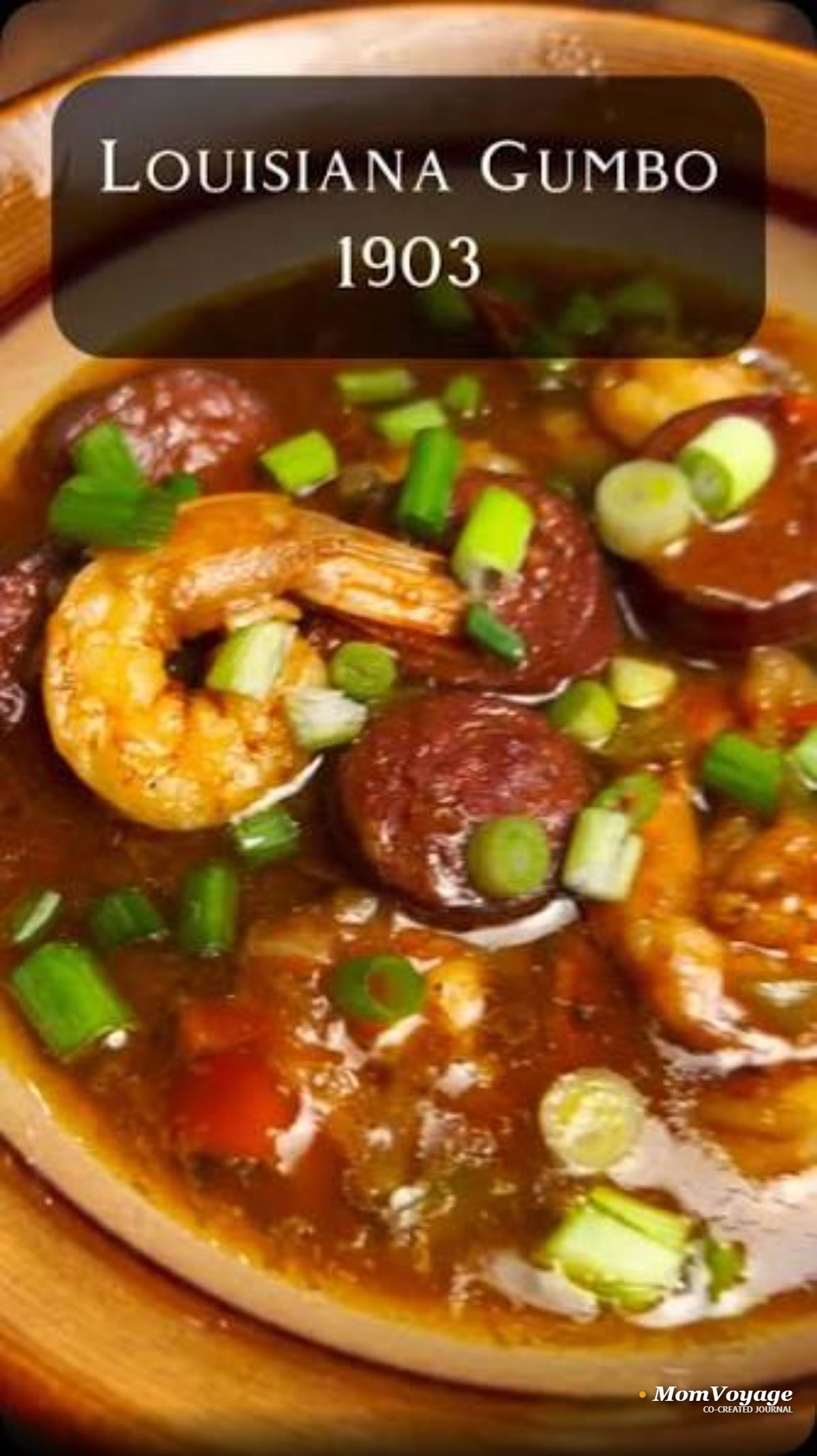
Master the art of authentic Baton Rouge gumbo with this exclusive recipe. Learn the essential ingredients and step-by-step guide for a taste of true Louisiana soul food.
The Heart of the Matter: Mastering the Baton Rouge Roux
The foundation of any truly exceptional Baton Rouge gumbo is its roux. This isn't just flour and fat; it's a carefully orchestrated transformation where heat coaxes out complex, nutty flavors and a rich, deep color that speaks of hours of patient attention. In Baton Rouge, the roux is often dark, a deep mahogany bordering on chocolate, signifying a gumbo that’s robust and full-bodied. The key to achieving this depth without burning is slow and steady heat, constant stirring, and an understanding that this process is a labor of love, not a race. Vegetable oil is a common choice for its neutral flavor and high smoke point, making it forgiving for home cooks. However, some traditionalists swear by lard or even butter, each imparting subtle nuances. The ratio of flour to fat is crucial; typically, it’s a one-to-one by volume, but the consistency you’re aiming for – thick and luxurious – will dictate slight adjustments. Patience is your greatest ingredient here; a burnt roux is irrecoverable and will impart a bitter, acrid taste to your entire pot.
The 'Holy Trinity': Baton Rouge's Aromatic Cornerstone
Beyond the roux, the "holy trinity" of vegetables forms the aromatic soul of Baton Rouge gumbo. This trio – the finely chopped yellow onion, green bell pepper, and celery – is sautéed until tender, releasing a wave of fragrant goodness that perfumes the entire kitchen. These humble ingredients, when cooked down, provide a subtle sweetness, a hint of peppery bite, and a foundational savory depth that complements the richness of the roux and the proteins. The size of the chop matters; a fine dice allows the vegetables to melt into the gumbo, becoming an integral part of the sauce rather than distinct chunks. Garlic, a vital supporting player often considered a spiritual addition to the trinity, is minced and added towards the end of the vegetable sauté to preserve its pungent aroma. Some households might even add a dash of paprika or a pinch of red pepper flakes at this stage, further building layers of flavor before the liquids are introduced.
Building the Broth: The Essence of Flavor Infusion
The chicken broth acts as the liquid canvas upon which the flavors of the roux, trinity, and proteins will meld. Opting for low-sodium chicken broth is a wise choice, as it allows you to control the saltiness of the final dish. The sheer volume of broth is also important, as gumbo is meant to be a hearty, stew-like dish with a rich sauce. As the broth simmers, it begins to incorporate the flavors from the roux and sautéed vegetables, creating a complex base. Some recipes will call for a combination of chicken and seafood stocks for an even more nuanced flavor profile, particularly if seafood is part of the protein mix. A well-made broth, simmered for hours with aromatics like bay leaves or peppercorns, can elevate your gumbo to extraordinary heights. However, for a classic chicken and andouille version, good quality chicken broth is perfectly sufficient.
Protein Powerhouse: Chicken and Andouille's Perfect Harmony
The combination of boneless, skinless chicken thighs and andouille sausage is a beloved classic in Baton Rouge gumbo. Chicken thighs are chosen for their succulence and ability to remain moist during the simmering process, a contrast to the sometimes drier chicken breast. The andouille sausage, a spicy, smoked pork sausage with a characteristic Cajun kick, provides a savory, smoky, and slightly peppery counterpoint. Slicing the andouille into rounds allows its flavorful oils to render into the gumbo as it cooks, infusing every spoonful with its distinct character. The quality of your andouille is paramount; seek out authentic Cajun-made andouille for the best flavor and spice. This protein pairing offers a delightful textural and flavor interplay, with the tender chicken absorbing the rich gumbo broth and the bold sausage adding its fiery essence.
The Simmering Symphony: Developing Depth and Harmony
Once all the components are united – the dark roux, the softened trinity, the chicken, the sausage, and the broth – the true magic of gumbo unfolds during the simmering process. This is where time and patience are rewarded as the flavors meld, deepen, and harmonize. A low, gentle simmer is essential, allowing the gumbo to thicken gradually without breaking or becoming greasy. This slow cooking process also ensures that the chicken becomes incredibly tender and infused with the complex flavors of the broth and other ingredients. The dried thyme and cayenne pepper are added at this stage, their flavors blooming in the heat. Salt and freshly ground black pepper are seasoned throughout the cooking process, with a final adjustment at the end to achieve perfect balance. The goal is a rich, unctuous sauce that coats the back of a spoon, a testament to the slow, deliberate development of flavor.
The Accompaniments: The Perfect Partners for Your Baton Rouge Gumbo
While the gumbo itself is a masterpiece, its presentation and enjoyment are often elevated by carefully chosen accompaniments. The most classic pairing, and arguably essential, is fluffy white rice. The rice serves as a neutral canvas, absorbing the rich, savory broth and providing a satisfying textural contrast. The amount of rice is a matter of personal preference; some prefer a generous bed of rice topped with a ladleful of gumbo, while others opt for a smaller portion of rice to allow the gumbo's flavors to shine more prominently. Beyond rice, a scattering of fresh parsley or sliced green onions adds a burst of freshness and a vibrant visual appeal, cutting through the richness of the gumbo. Some adventurous souls might even enjoy a dash of hot sauce on the side, allowing each diner to customize the heat level to their liking.
Variations on a Theme: Exploring Baton Rouge's Gumbo Landscape
While this recipe highlights a classic chicken and andouille gumbo, the world of Baton Rouge gumbo is vast and rich with variations. Seafood gumbo, featuring shrimp, crab, and oysters, is another beloved staple, showcasing the bounty of Louisiana's waterways. A dark roux is still preferred, but the cooking time might be slightly adjusted to accommodate the delicate nature of seafood. Some recipes might incorporate okra, either fresh or frozen, which acts as a natural thickener and adds a distinct, slightly earthy flavor. Okra is often sautéed separately before being added to the gumbo to mitigate its sometimes slimy texture. The debate over the inclusion of tomatoes in gumbo is a lively one; while Creole gumbo often features tomatoes, Acadiana (Cajun) gumbo, like the one often found in Baton Rouge, traditionally omits them to allow the dark roux and trinity to take center stage. Exploring these different iterations offers a deeper understanding of the culinary diversity within Baton Rouge.
Journey Highlights
- The Roux: The foundation of any great gumbo. Patience is key to achieving the perfect dark chocolate color without burning. - The Holy Trinity: Onion, bell pepper, and celery form the aromatic base. - Proteins: Chicken and spicy andouille sausage offer a classic flavor combination. - Simmering: Allowing the flavors to meld is crucial for depth. - Serving: Ladle generously over fluffy white rice and garnish.
Local Secrets & Insider Tips
As a lifelong resident and devoted culinary explorer of Baton Rouge, I can assure you that gumbo is far more than just a dish; it's an institution, a ritual, and a profound expression of our Louisiana soul. To truly savor it like a native, you need to go beyond the surface and embrace a few carefully guarded insider secrets. Forget the generic tourist fare; let's dive into the heart of Baton Rouge gumbo.
Mastering the Art of the Gumbo Pilgrimage
The quest for the perfect gumbo requires a strategic approach. Here's how to navigate Baton Rouge's culinary landscape like a seasoned pro:
Elite Gumbo Destinations: Where Authenticity Reigns Supreme
Tony's Seafood: This is the pilgrimage site for gumbo aficionados. Timing is Everything: Aim for a weekday arrival precisely at 10:00 AM. This is when they open their doors and the magic begins. Weekends will be an overwhelming crush of people, and by midday, their legendary seafood gumbo can be depleted. The Gumbo Order: Don't hesitate. Order the Seafood Gumbo. It's a symphony of fresh Gulf catches – shrimp, oysters, crawfish (when in season) – enveloped in a dark, rich, and impeccably made roux that whispers of hours of patient attention. Embrace the Chaos: The bustling market atmosphere might seem intimidating, but it's the very essence of Tony's. The vibrant energy is as much a part of the experience as the gumbo itself. Look for the designated order counter, and don't be afraid to ask staff for guidance if you're unsure. Pro-Tip: While you're there, grab some of their fried seafood or boiled crawfish (if available and in season). They are equally outstanding.
Parrain's Seafood: A perennial favorite, Parrain's delivers consistent excellence. Strategic Lunch Arrival: To beat the lunchtime rush, plan to arrive between 11:00 AM and 11:30 AM on a weekday. This window allows you to secure a table before the floodgates of hungry diners open. Gumbo Variation: While their seafood gumbo is a solid choice, don't overlook their Chicken and Sausage Gumbo. It's equally well-executed and offers a different, equally satisfying flavor profile. Insider Entrance: During peak times, the main entrance can be bottlenecked. If you're with a larger group or have difficulty with crowds, subtly observe if there's a secondary entrance used by staff that might offer a slightly less chaotic entry point, though this is not guaranteed.
The Hidden Gem: Neighborhood Joints and Corner Store Treasures
The true soul of Baton Rouge gumbo often resides in unassuming neighborhood establishments.
Seek and Ask: Venture off the main thoroughfares. Engage with locals – your barista, the person at the liquor store, or a friendly face at a community park. Ask them, "Where do you go for the best gumbo?" They might point you towards a "corner store" (which often doubles as a small eatery) or a modest diner with a daily gumbo special. Daily Delights: These hidden gems frequently feature unique daily gumbo specials. This is where you'll encounter family recipes passed down through generations, showcasing regional variations and personal touches that mass-produced gumbo simply can't replicate. Be open to trying a Shrimp and Okra Gumbo (often a summer staple) or a Duck and Andouille Gumbo. Cash is King: Many of these smaller establishments are cash-only. Always have some small bills on hand to avoid any inconvenience.
Logistics and Gumbo Etiquette: Savoring the Louisiana Way
Gumbo is not a dish to be rushed; it's an experience to be savored.
The "Melding" Factor: As many home cooks know, gumbo is often at its absolute peak the day after it's made. The flavors have time to meld and deepen. If you're fortunate enough to have leftovers from a restaurant or a home-cooked batch, allow it to rest. Generous Portions: Be prepared for hearty servings. Gumbo is a complete meal, often so substantial that it can easily serve as lunch and dinner, or be enjoyed thoroughly the next day. Don't feel obligated to finish every last drop in one sitting – savor it. Rice is Non-Negotiable: Your gumbo must be served over rice. This is not a suggestion; it's a fundamental aspect of the dish. White rice is traditional, but some places offer brown rice. The French Bread Imperative: A side of crusty French bread is not optional. It's essential for sopping up every last drop of that precious, flavorful broth. Ensure it's fresh and has a good crust for optimal dipping. The Pace of the South: Embrace the relaxed pace of dining in Baton Rouge. Service might not be lightning-fast, but it will be friendly and genuine. Take your time, enjoy your meal, and engage in conversation.
Drinks to Complement Your Gumbo Experience
Iced Tea: The quintessential Louisiana beverage, particularly sweet iced tea, is the perfect counterpoint to the richness of gumbo. Local Brews: For those who enjoy beer, a crisp lager or a Blonde Ale from a local Louisiana brewery can be a refreshing choice. Classic Pairing: For a truly authentic experience, a cold Abita Amber or Abita Purple Haze often pairs wonderfully.
Safety and General Etiquette
Street Smarts: Baton Rouge is a vibrant city, but like any urban area, it's wise to be aware of your surroundings. Stick to well-lit areas, especially when exploring on foot at night. Respectful Dining: Gumbo is a cherished dish. When dining at a local spot, be respectful of the staff and other patrons. Avoid overly loud conversations that might disturb others. Dietary Considerations: If you have severe allergies, always inform your server clearly and ask specific questions about ingredients, especially regarding the roux and any seafood components. Tipping: Standard tipping practices apply. For excellent service, a tip of 15-20% is customary.
By following these tips, you're not just eating gumbo; you're embarking on a delicious journey into the heart and soul of Baton Rouge. Enjoy every spoonful!
Common Questions
Frequently Asked Questions about Baton Rouge Gumbo
Q: What makes Baton Rouge gumbo unique? A: Baton Rouge gumbo often features a dark, rich roux and a generous amount of the 'holy trinity' (onion, bell pepper, celery). It strikes a balance between Creole and Cajun styles, offering deep flavor without being overwhelmingly spicy, though andouille sausage adds a pleasant kick.
Q: How do I prevent my roux from burning? A: Low to medium heat and constant stirring are essential. If you see black specks or smell a burnt odor, you must start over. It takes patience, but the flavor is worth it. Aim for a color ranging from peanut butter to dark chocolate.
Q: Can I use other meats in my gumbo? A: Absolutely! While chicken and andouille are classic, seafood (shrimp, oysters, crab), smoked sausage, or even duck are common additions or substitutions. For a seafood gumbo, add the seafood near the end of the cooking process to avoid overcooking.
Q: What is the 'holy trinity' in Cajun and Creole cooking? A: The 'holy trinity' refers to the essential aromatic base of finely chopped onion, bell pepper, and celery. It's fundamental to the flavor profile of many Louisiana dishes, including gumbo.