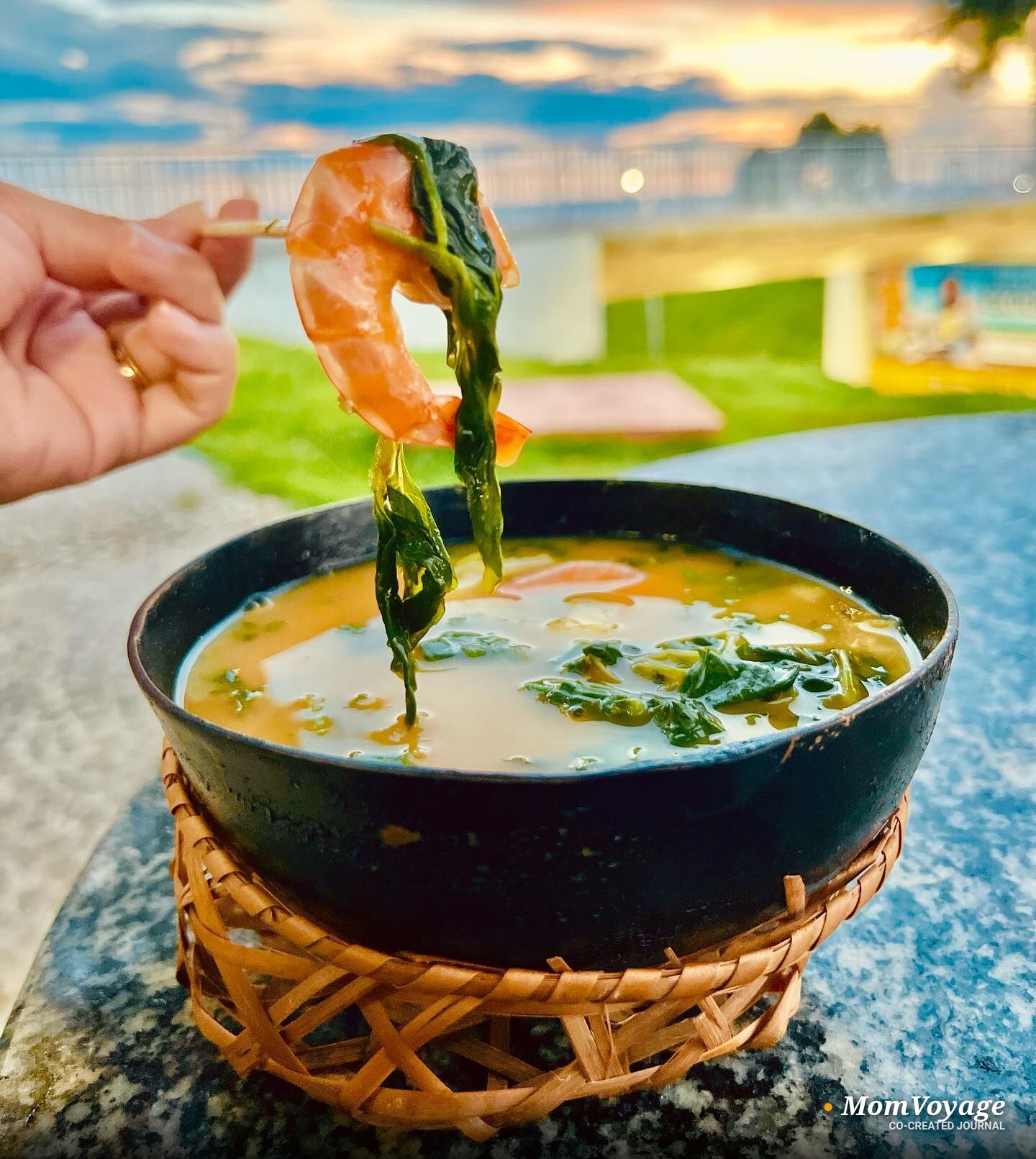
Craving authentic Belém flavor? Learn to make Tacacá, the iconic Amazonian soup, with our step-by-step guide. Taste the magic of Pará!
The Essence of Belém: Crafting Authentic Tacacá
Tacacá is more than just a soup; it's an experience, a warm hug from the Amazon. Its distinctive taste comes from a blend of unique ingredients native to the region. The preparation, while seemingly simple, requires careful attention to detail to achieve the perfect balance of flavors and textures. This guide will walk you through recreating this iconic dish in your own kitchen, bringing a piece of Belém's culinary soul to your table.
Key Ingredients:
- Tucupi: A yellow broth extracted from wild manioc (cassava), known for its savory and slightly acidic profile. It's crucial to use tucupi preto, which has been detoxified and seasoned. - Goma de Tapioca: Tapioca starch, which thickens the broth and creates its characteristic silky texture. - Jambu: An herb native to the Amazon, famous for its unique numbing effect on the mouth and tongue, adding a tingling sensation that complements the other flavors. - Dried Shrimp: Small, dried shrimp that provide a burst of umami and a subtle seafood flavor. - Garlic and Chicory: For aromatic depth and a hint of bitterness. - Salt and Pepper: To taste.
Preparation Steps:
1. Prepare the Tucupi Base: In a pot, heat the pre-seasoned tucupi preto with crushed garlic, chicory, salt, and pepper. Bring it to a gentle simmer and let it cook for about 10-15 minutes to allow the flavors to meld. Do not boil vigorously. 2. Thicken the Soup: Slowly whisk in the goma de tapioca into the simmering tucupi. Continue whisking constantly to avoid lumps. The mixture should thicken into a smooth, slightly viscous broth. Adjust the consistency by adding more goma or a little hot water if needed. 3. Add the Jambu: Just before serving, add fresh jambu leaves to the hot soup. They only need to wilt for a minute or two; overcooking will diminish their unique tingling effect. 4. Assemble and Serve: Ladle the hot Tacacá into bowls. Add a generous portion of dried shrimp to each bowl. Serve immediately, traditionally in a cuia (a small dried gourd or bowl), while piping hot. The jambu will release its characteristic tingle, and the tucupi will warm you from the inside out.
Journey Highlights
- Tucupi (black, seasoned): The savory, yellow base. - Goma de Tapioca: For thickening. - Jambu: The star herb for its tingling sensation. - Dried Shrimp: Adds umami and texture. - Garlic: For aroma. - Chicory: For a hint of bitterness. - Salt & Pepper: Seasoning.
Local Secrets & Insider Tips
Ah, Tacacá! The soul of Belém in a bowl. If you want the real deal, straight from the streets of my city, you need to know a few things. Forget the tourist traps; here's how a local enjoys it.
Finding the Best Tacacá:
Most locals will tell you the best Tacacá isn't in fancy restaurants, but from the tacacazeiras (women who sell Tacacá) at street stalls or small markets. The most famous spots are often found near the Ver-o-Peso market, but the real gems are a bit more hidden.
- Visit the Estação das Docas: While a popular spot, seek out the smaller, less flashy vendors. They often set up in the late afternoon, around 4:00 PM, as the heat starts to die down. This is prime time before the evening crowds. - Local Markets: Venture into neighborhood markets like the Feira do Guamá or Feira do Marco. The Tacacá here is often more authentic and less commercialized. Go early in the morning, around 8:00 AM, as vendors often sell out by lunchtime.
The True Tacacá Experience:
- Order it 'quente e com tudo': This means 'hot and with everything.' You want it piping hot, and you definitely want the dried shrimp and a good amount of jambu. - Jambu's Tingle: Don't be alarmed by the tingling sensation from the jambu! It's supposed to happen and is a beloved part of the experience. It actually helps cut through the richness of the tucupi. - Pairing: Locals often enjoy Tacacá as a late-afternoon snack or a light dinner. It's incredibly filling due to the goma and tucupi.
Logistics to Watch Out For:
- Hygiene: While street food is fantastic, trust your instincts. Look for vendors who appear clean and have a steady stream of local customers. The tacacazeiras are generally very particular about their stalls. - Tucupi: Ensure the tucupi is properly seasoned and cooked. A good vendor will have it simmering. If it looks pale or thin, it might not be prepared correctly. - Portion Size: Tacacá is served in small bowls (traditionally cuias), but it's very rich and filling. A single serving is usually enough.
Common Questions
Frequently Asked Questions about Tacacá
Q: What is Tacacá? A: Tacacá is a traditional Amazonian soup from Belém, Pará, Brazil, known for its unique ingredients like tucupi, goma de tapioca, and jambu.
Q: What does 'jambu' do? A: Jambu is an herb that causes a distinct tingling or numbing sensation on the tongue and lips, which is a signature characteristic of Tacacá.
Q: Is tucupi safe to eat? A: Yes, the tucupi used in Tacacá is specifically processed to remove toxins. It's typically seasoned and simmered before use.
Q: Can I find these ingredients outside of Brazil? A: These ingredients, particularly seasoned tucupi and fresh jambu, can be challenging to find. Look for specialty Brazilian or Amazonian food stores, or online retailers. Some ingredients might be substituted with caution, but authenticity may be affected.
Q: How is Tacacá typically served? A: It is traditionally served very hot, often in a 'cuia' (a small bowl made from a gourd), with dried shrimp added just before consumption.