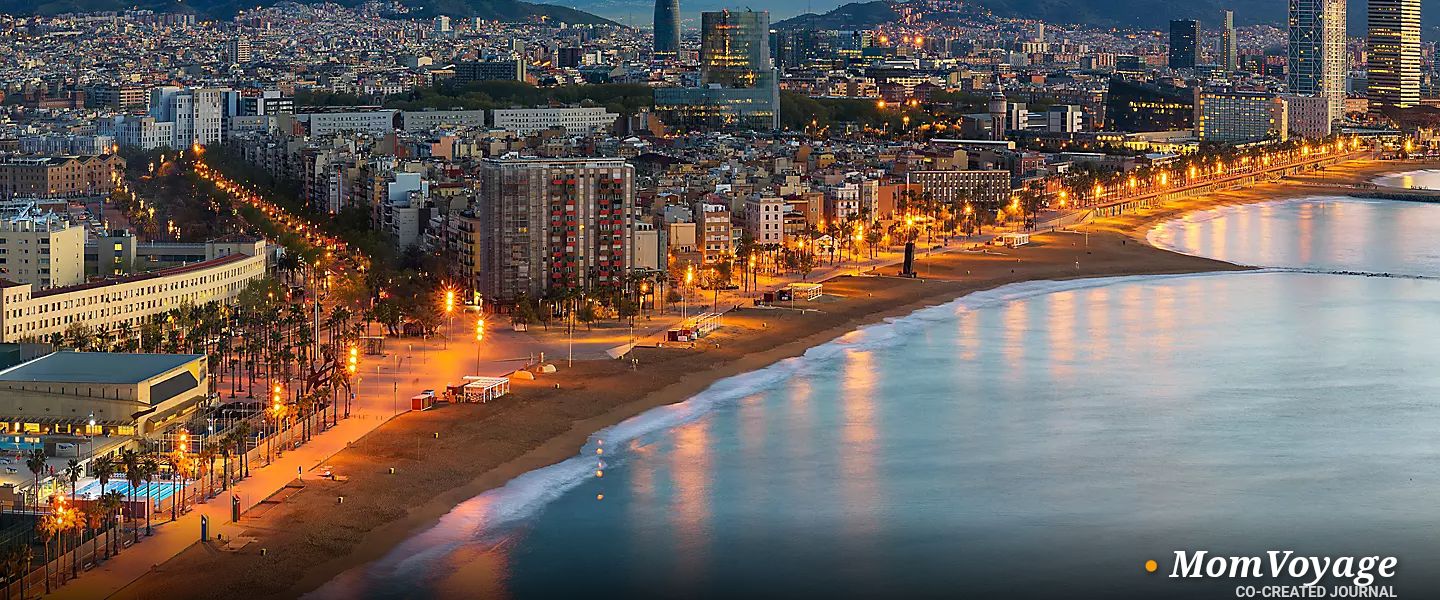
Explore the captivating journey from Bilbao to Barcelona, uncovering hidden gems, local flavors, and insider tips for an unforgettable Spanish adventure. Discover the magic beyond the landmarks.
Bilbao to Barcelona: A Tale of Two Spanish Treasures
Embarking on a journey from Bilbao to Barcelona is to traverse a fascinating cultural and geographical spectrum of Spain. From the rugged, green landscapes of the Basque Country to the sun-drenched, artistic energy of Catalonia, this route offers a rich tapestry of experiences. While both cities boast world-class attractions, their distinct characters shine through their most iconic landmarks: the Guggenheim Museum Bilbao and Gaudí's Sagrada Familia in Barcelona.
The Guggenheim Museum Bilbao vs. Sagrada Familia: An Architectural Dialogue
The Guggenheim Museum Bilbao, designed by Frank Gehry, is a dazzling masterpiece of contemporary architecture. Its titanium curves shimmer under the sunlight, reflecting the Nervión River and symbolizing Bilbao's transformation from an industrial powerhouse to a cultural mecca. Inside, its vast, light-filled galleries host an impressive collection of modern and contemporary art.
In contrast, Antoni Gaudí's Sagrada Familia in Barcelona is a living testament to a singular artistic vision, a basilica that has been under construction for over 140 years. It is a UNESCO World Heritage site and a symbol of Catalan identity, its intricate facades and soaring spires pushing the boundaries of Gothic and Art Nouveau styles.
A Comparative Lens on Architectural Genius:
Materiality and Form: The Guggenheim embraces the cool, metallic gleam of titanium, its amorphous, sculptural form intentionally abstract and open to interpretation. It evokes a sense of dynamism and modernity. The Sagrada Familia, conversely, uses stone as its primary medium, creating a grounded yet ethereal presence. Its organic forms, inspired by nature, are imbued with deep religious symbolism, making it a narrative in stone. Intent and Function: The Guggenheim is a clear statement of contemporary art and cultural revitalization, designed to house and showcase art. Its function is primarily as a museum and a beacon for tourism. The Sagrada Familia, while an architectural marvel, is fundamentally a place of worship. Its intricate design serves not only aesthetic purposes but also educational and spiritual ones, aiming to tell the story of Christianity. Completion and Evolution: The Guggenheim was conceived and built within a relatively defined timeframe, a completed masterpiece representing a specific moment in architectural history. The Sagrada Familia, on the other hand, is a continuously evolving project. Its ongoing construction allows for a unique dialogue between different generations of architects and artisans, each contributing to its unfolding narrative. This unfinished nature adds a layer of anticipation and wonder. Surroundings and Integration: The Guggenheim dramatically reshapes its urban context, becoming an iconic focal point that has spurred regeneration around it. It stands as a bold, modern intervention in the cityscape. The Sagrada Familia, while monumental, is deeply integrated into the Eixample district of Barcelona. It feels like an organic, albeit extraordinary, extension of the urban fabric, drawing people in with its intricate details at street level. Emotional Resonance: While both evoke awe, the Guggenheim often elicits a response of admiration for its audacious design and the art it contains. The Sagrada Familia tends to inspire a more profound emotional and spiritual connection, a sense of wonder tinged with reverence for its divine aspirations and human dedication.
Basque Hospitality: More Than Just Pintxos
The Basque Country, with Bilbao as its vibrant heart, is renowned for its deeply ingrained sense of community and its warm, albeit sometimes reserved, hospitality. This is a land where traditions are cherished, and social gatherings, especially those centered around food, are paramount.
The Pintxo Culture: Forget tapas; in the Basque Country, it’s all about pintxos. These bite-sized culinary creations are miniature works of art, often served on a small slice of bread and held together with a toothpick. The sheer variety is astonishing, ranging from simple anchovy and pepper combinations to elaborate seafood and meat creations. Key Pintxo Experiences to Seek: Gilda: A classic skewer of olive, anchovy, and pickled pepper. Bacalao al Pil-Pil: Cod cooked in its own oil and garlic, creating a creamy emulsion. Txangurro a la Donostiarra: Crab meat baked in its shell with vegetables. Foie Gras Pintxo: A decadent treat often served seared. The 'Txoko' Experience: These are traditional, often private, gastronomic societies where members gather to cook, eat, and socialize. While access can be exclusive, some offer public dining experiences or insights into their culinary traditions. They represent the deep-rooted passion for gastronomy that defines Basque culture. Language and Identity: The Basque language, Euskara, is one of Europe's oldest living languages and a powerful symbol of Basque identity. You'll hear it spoken alongside Spanish, and encountering it adds another layer to the cultural immersion. Festivals and Celebrations: From the Aste Nagusia (Semana Grande) in Bilbao, a week-long festival of music, parades, and fireworks, to local village festivals, the Basque Country knows how to celebrate life with infectious energy and a strong sense of collective joy.
Catalan Spirit: A Symphony of Art, Sun, and Sea
Catalonia, with Barcelona as its glittering capital, pulsates with a distinct rhythm – a blend of artistic fervor, sun-drenched Mediterranean lifestyle, and a fiercely independent spirit. This region is a feast for the senses, offering a dynamic cultural landscape.
The Gaudí Legacy: Beyond the Sagrada Familia, Barcelona is a living museum of Antoni Gaudí's unique architectural vision. Parc Güell: A whimsical wonderland of colorful mosaics, gingerbread-like houses, and serpentine benches, offering panoramic city views. Casa Batlló and Casa Milà (La Pedrera): These residential buildings on Passeig de Gràcia are breathtaking examples of Gaudí's organic, undulating designs, blending art and living space seamlessly. Las Ramblas and the Gothic Quarter: Las Ramblas: The iconic tree-lined boulevard, alive with street performers, flower stalls, and bustling cafes. While touristy, it's an essential Barcelona experience. Gothic Quarter (Barri Gòtic): A labyrinth of narrow medieval streets, hidden plazas, and ancient Roman walls. It's a place to get lost, discover charming shops, and soak in centuries of history. Mediterranean Flavors: Catalan cuisine is a celebration of fresh, seasonal ingredients, influenced by its coastal location. Paella: While often associated with Valencia, delicious versions of this iconic rice dish are readily available. Crema Catalana: The region's signature dessert, a rich custard topped with a caramelized sugar crust, akin to crème brûlée. Cava: Catalonia is the birthplace of this sparkling wine, perfect for toasting any occasion. The Beach Culture: Barcelona's urban beaches, like Barceloneta, offer a vibrant mix of relaxation, water sports, and lively chiringuitos (beach bars). It's a place where locals and tourists alike embrace the Mediterranean way of life.
The Journey Between: Landscapes and Lesser-Known Gems
The route between Bilbao and Barcelona is not merely a transit; it’s an opportunity to explore the diverse landscapes and uncover hidden treasures that lie between these two metropolises.
Navarre's Natural Beauty: As you head east from the Basque Country, you'll enter Navarre, a region of dramatic contrasts. The Bardenas Reales: A stunning semi-desert landscape resembling the American Badlands, with unique rock formations carved by erosion. Pamplona: Famous for its Running of the Bulls during the San Fermín festival, Pamplona also boasts a beautiful Old Town and a vibrant cultural scene. Aragon's Majestic Pyrenees (Optional Detour): For those with more time and a love for the mountains, a detour into the Aragonese Pyrenees offers breathtaking scenery. Ordesa y Monte Perdido National Park: A UNESCO World Heritage site with dramatic glacial valleys, soaring peaks, and pristine forests, ideal for hiking. Coastal Catalonia: As you approach Barcelona, the coastline of Catalonia offers charming seaside towns and hidden coves. Sitges: A picturesque coastal town with beautiful beaches, a vibrant LGBTQ+ scene, and a charming old town. Tarragona: An ancient Roman city with remarkably preserved amphitheaters, aqueducts, and ruins, offering a glimpse into Roman Hispania.
A Culinary Pilgrimage: From Pintxos to Paella
The transition from Basque Country to Catalonia is a culinary adventure that reflects the distinct gastronomic identities of each region.
Basque Gastronomy: Precision and Innovation: Focus: Fresh, high-quality ingredients, often with a strong emphasis on seafood and local produce. Techniques: While traditional methods are revered, Basque chefs are also at the forefront of culinary innovation, with many Michelin-starred restaurants pushing the boundaries of flavor and presentation. Key Dishes: Beyond pintxos, explore dishes like Marmitako (tuna stew), Kokotxas (hake throats), and locally sourced lamb and beef. Catalan Cuisine: Mediterranean Abundance: Focus: The bounty of the Mediterranean Sea and the fertile land, with an emphasis on fresh vegetables, olive oil, and herbs. Techniques: A balance of traditional rustic dishes and refined preparations, often utilizing garlic, tomatoes, and nuts. Signature Flavors: The use of sofrito (a slow-cooked base of onions, tomatoes, and garlic) is fundamental. Romesco sauce, a vibrant blend of roasted peppers, almonds, hazelnuts, and garlic, is another iconic flavor. Wine Pairings: Basque Country: Primarily known for its crisp, dry white wine, Txakoli, which has a slight effervescence and is perfect with seafood. Red wines from Rioja Alavesa, an enclave within the Basque Country, are also excellent. Catalonia: The star is undoubtedly Cava. However, Catalonia also produces excellent still wines, particularly from the Penedès region, including reds and whites that pair beautifully with its diverse cuisine.
The Art of Experiencing: Museums and Artistic Expressions
Both Bilbao and Barcelona are cultural powerhouses, each offering a distinct artistic narrative.
Bilbao: A Modern Art Hub: Guggenheim Bilbao: As discussed, a landmark of contemporary art. Its collection spans post-war American art, European art, and significant installations. Museo de Bellas Artes de Bilbao: A more traditional museum showcasing a rich collection of Basque art from the Middle Ages to the present day, alongside Spanish masters. Street Art and Murals: Beyond formal institutions, Bilbao has embraced street art, with vibrant murals adorning many of its urban spaces, reflecting its creative energy. Barcelona: A Tapestry of Eras: Picasso Museum: A deep dive into the formative years of Pablo Picasso, showcasing his early works and offering insights into his artistic development. Fundació Joan Miró: Dedicated to the surrealist artist Joan Miró, this museum houses an extensive collection of his paintings, sculptures, and textiles, set in a striking building overlooking the city. MNAC (Museu Nacional d'Art de Catalunya): Housed in the Palau Nacional on Montjuïc, this museum offers a comprehensive overview of Catalan art, from Romanesque frescoes to modernism. Contemporary Galleries: Barcelona has a thriving contemporary art scene with numerous independent galleries showcasing emerging and established artists across various disciplines.
Embracing the Contrasts: The Ultimate Spanish Sojourn
The journey from Bilbao to Barcelona is more than just a geographical progression; it’s an immersion into the soul of Spain. It's about appreciating the rugged, introspective beauty of the Basque Country, where tradition and innovation dance in a culinary embrace, and then surrendering to the vibrant, sun-drenched exuberance of Catalonia, where art, architecture, and a zest for life are inextricably linked.
The Bilbao Experience: Seek out the quiet intensity of its cultural offerings, the surprising sophistication of its gastronomy, and the warm, genuine welcome of its people. Allow the architectural marvels to inspire and the coastal breezes to refresh. The Barcelona Experience: Dive headfirst into the sensory overload of its bustling streets, the ethereal beauty of its iconic landmarks, and the sheer joy of its Mediterranean lifestyle. Let the art ignite your imagination and the flavors tantalize your palate.
By traversing this route, you gain a profound appreciation for Spain's remarkable diversity, understanding that its treasures are not confined to singular cities but are woven into the very fabric of its regions, each offering a unique and unforgettable chapter in your Spanish adventure.
Journey Highlights
- Bilbao: Explore the Casco Viejo (Old Town) with its narrow streets and pintxos bars. - En route: Consider a stop in the charming coastal town of San Sebastián for its stunning beaches and culinary scene. - Barcelona: Wander through the Gothic Quarter, marvel at Park Güell, and stroll down Las Ramblas.
Local Secrets & Insider Tips
Insider Tips for Your Bilbao to Barcelona Adventure
As a seasoned traveler who's explored these regions extensively, I've gathered some insights to elevate your journey from Bilbao to Barcelona. Forget the usual tourist traps and embrace the authentic spirit of these incredible cities.
Bilbao - Mastering the Guggenheim and Beyond:
Guggenheim Visit: To truly appreciate the Guggenheim without the overwhelming crowds, aim to arrive precisely at 9:30 AM on a Tuesday or Wednesday. Tuesdays and Wednesdays tend to be less busy than weekends or Thursdays. Purchase your tickets online in advance to skip the ticket line. Hidden Viewpoint: For an unparalleled photo opportunity of the Guggenheim, skip the riverfront crowds and walk across the Zubizuri bridge. Then, head slightly uphill towards the Mirador de Artxanda. While it requires a short funicular ride (also best done early morning), the panoramic view of the city, with the Guggenheim perfectly framed, is breathtaking. Pintxos Perfection: Venture into the Casco Viejo but bypass the main tourist streets like Plaza Nueva. Seek out bars on smaller side streets like Calle Somera or Calle Santa María. Order the 'Bacalao Club Ranero' (salt cod casserole) at Bar Bacaïla or the 'Gilda' (an anchovy, olive, and pepper skewer) at Bar Txiriboga – simple yet iconic.
Barcelona - Unveiling Catalan Secrets:
Sagrada Familia Strategy: Book your tickets for the earliest possible slot (usually 9:00 AM). Crucially, opt for a ticket that includes access to one of the towers (Nativity or Passion facade) and arrive at least 15 minutes before your entry time. The light is most magical on the Sagrada Familia's Passion Facade side in the late afternoon (around 4-5 PM), so consider timing your visit to catch that glow through the stained glass. Gaudí's Hidden Gem: While Park Güell is popular, many miss the Casa Vicens, Gaudí's first major commission. It's less crowded than Casa Batlló or La Pedrera, offering a vibrant, Mudejar-inspired glimpse into his early genius. Visit right at opening (10:00 AM) to have the most serene experience. Culinary Delights in Gràcia: For authentic Catalan cuisine away from the tourist throngs, head to the Gràcia neighborhood. Skip restaurants on the main squares and find smaller, family-run spots. Try 'Esqueixada de Bacallà' (shredded salt cod salad) or 'Botifarra amb mongetes' (sausage with white beans) at a place like Bodega Marín or Can Punyetes. Logistical Pitfall: The metro in Barcelona is efficient, but be aware of pickpockets, especially on crowded lines like L3 (Green Line) heading towards popular tourist spots. Always keep your belongings secure and be mindful of your surroundings, especially when distracted by the scenery.
Common Questions
Frequently Asked Questions
Q: What is the best way to travel from Bilbao to Barcelona? A: The most convenient way is to fly, with several daily direct flights. Alternatively, you can take a train (often requiring a change) or a bus, which offers a scenic, albeit longer, journey.
Q: How long should I spend in each city? A: For Bilbao, 2-3 days are ideal to explore the Guggenheim and the Old Town. For Barcelona, at least 4-5 days are recommended to truly immerse yourself in its many attractions.
Q: Is it worth visiting both Bilbao and Barcelona on one trip? A: Absolutely. They offer distinct cultural experiences, from Basque traditions and art to Catalan vibrancy and modernist architecture, providing a comprehensive taste of Spain.