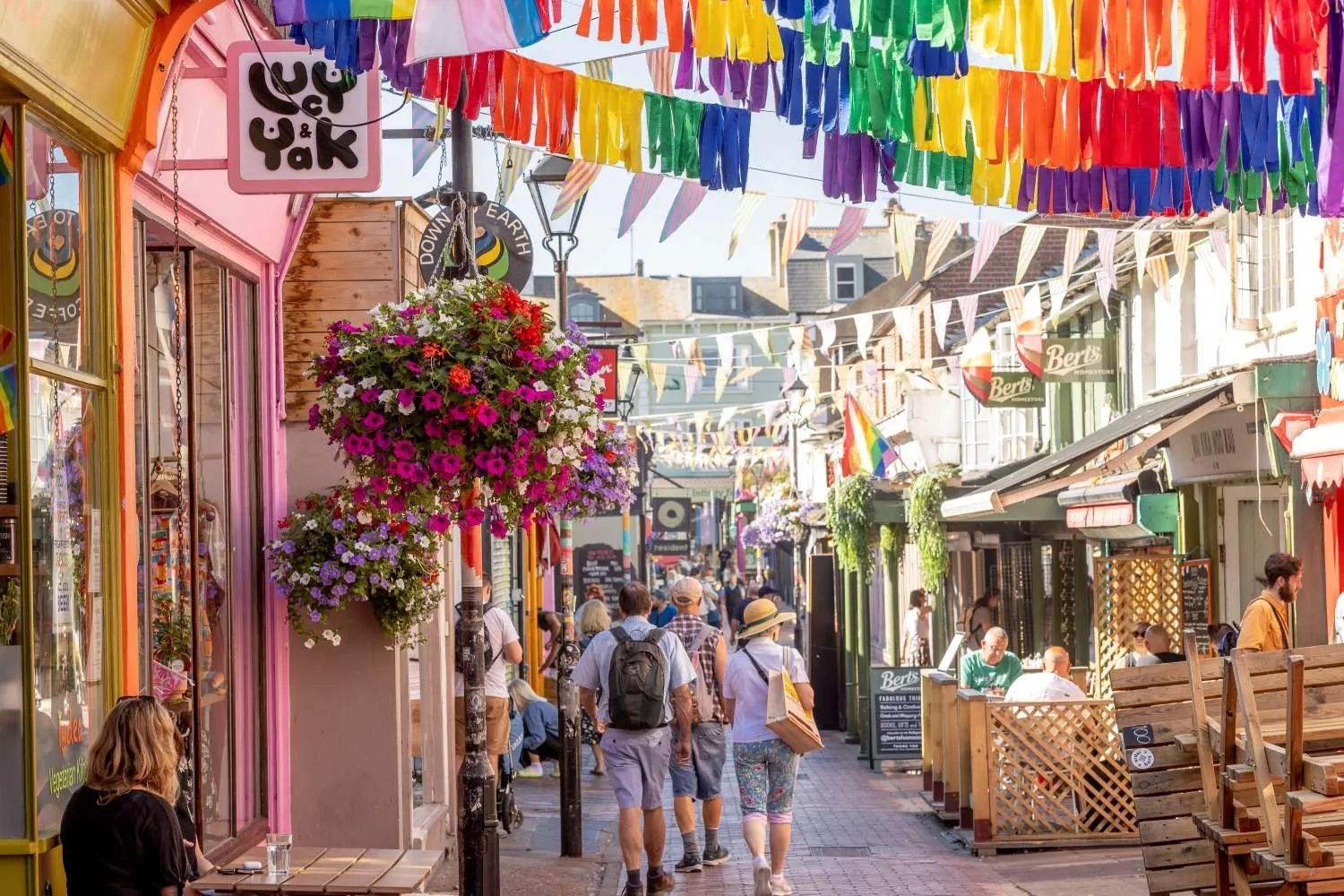
Brighton or Bristol? The ultimate showdown! Discover which English city reigns supreme and why you're probably wrong about your favorite.
Brighton to Bristol: An Unlikely Rivalry
Embarking on a journey from the vibrant seaside charm of Brighton to the eclectic, creative energy of Bristol is more than just a change of scenery; it's a dive into two distinct facets of England's metropolitan spirit. While seemingly worlds apart, these cities offer unique experiences that cater to different tastes, making the choice between them—or the decision to visit both—a fascinating one for any traveler.
Why Travel from Brighton to Bristol?
Brighton, perched on the South Coast, is a city that pulses with a bohemian, artistic, and undeniably fun-loving vibe. Its iconic pier, pebble beaches, and the flamboyant Royal Pavilion are just the tip of the iceberg. It's a place of quirky independent shops, a thriving LGBTQ+ scene, and a constant buzz of activity.
Bristol, nestled in the West Country, presents a different kind of allure. Famous for its rich maritime history, its association with the enigmatic artist Banksy, and its stunning engineering marvels like the Clifton Suspension Bridge, Bristol boasts a gritty, creative, and forward-thinking atmosphere. It's a city that celebrates its industrial heritage while embracing innovation and street art.
The journey between these two metropolitan hubs is surprisingly straightforward, offering a chance to traverse diverse English landscapes and experience the contrasting cultures that define modern Britain.
Comparing the Icons: Royal Pavilion vs. Clifton Suspension Bridge
To truly grasp the essence of each city, let’s pit their most recognizable landmarks against each other.
Brighton's Royal Pavilion: This architectural marvel is an extravagant, Indo-Saracenic fantasy that stands in stark contrast to its Regency surroundings. Once a seaside pleasure palace for King George IV, its opulent interiors, intricate details, and exotic domes are a testament to a period of flamboyant excess. It’s a visual feast, offering a glimpse into a royal lifestyle far removed from the everyday.
Bristol's Clifton Suspension Bridge: An engineering masterpiece by Isambard Kingdom Brunel, the Clifton Suspension Bridge is an iconic symbol of Victorian ingenuity and ambition. Spanning the Avon Gorge, its elegant design and commanding presence offer breathtaking panoramic views of the city and the surrounding countryside. It represents progress, vision, and a connection to Bristol's industrial prowess.
While the Pavilion is about dazzling indulgence and exoticism, the Suspension Bridge speaks to enduring strength, innovation, and majestic scale. One is a flamboyant interior spectacle, the other a grand, functional exterior statement. Your preference likely says a lot about whether you seek pure escapism or awe-inspiring human achievement.
Navigating the Metropolitan Routes
Traveling between Brighton and Bristol typically involves major road networks and train lines. The most common routes leverage the M4 motorway for a significant portion of the journey when heading west from the London area, or the M3/M4 corridor. Train travel offers a comfortable and often quicker alternative, with services usually connecting through London, making it a convenient option for those avoiding driving.
Practicalities: Getting There and Around
By Train: Services from Brighton to Bristol are frequent but often require a change, typically at London Victoria or London Paddington. The total journey time can range from 3.5 to 5 hours depending on connections. Booking tickets in advance is highly recommended for the best fares.
By Car: The drive from Brighton to Bristol is approximately 3-4 hours, depending on traffic conditions, primarily using the M25 and M4 motorways. Parking in both cities can be challenging and expensive, especially in central areas. Consider park-and-ride options or public transport once you arrive.
Getting Around: Both cities have good public transport networks. Brighton is well-served by buses, and its compact center is very walkable. Bristol also has an extensive bus system, and its key attractions are relatively accessible, though some areas like Clifton are hilly.
Foodie Finds
Brighton: Don't leave without trying some fresh fish and chips by the sea. For something more unique, seek out the diverse international cuisine in the North Laine area, particularly Ethiopian or vegan eateries which Brighton excels at. A classic Brighton experience also includes a sticky, sweet doughnut from a pier vendor.
Bristol: Explore St Nicholas Market for an incredible array of street food – try a traditional Caribbean curry or a gourmet grilled cheese sandwich. For a classic pub meal, look for traditional pubs away from the immediate tourist center in areas like Cliftonwood for authentic pies and ales.
Journey Highlights
- Brighton's Royal Pavilion: A vibrant Indo-Saracenic palace. - Brighton's Pier: Iconic seaside entertainment. - Brighton's North Laine: Bohemian shopping and dining. - Bristol's Clifton Suspension Bridge: Brunel's engineering marvel. - Bristol's Harbourside: Maritime history and modern attractions. - Bristol's street art scene: Banksy's legacy and contemporary works.
Local Secrets & Insider Tips
Alright, let's cut through the usual tourist fluff and get you sorted for a trip between Brighton and Bristol. I've spent enough time in both to know their quirks.
Crowd Avoidance & Peak Moments:
- Brighton Pier: Forget strolling the pier mid-afternoon, especially on a sunny weekend. For that classic pier experience with fewer bodies, aim for the pier between 9:00 AM and 10:00 AM on a weekday. You’ll get the bracing sea air and the vintage amusements without the crushing crowds. The same applies to the Lanes – earlier is better for relaxed browsing. - Clifton Suspension Bridge (Bristol): The views are spectacular, but everyone knows it. To get those iconic, unobstructed photos without a hundred selfie sticks, you need to be there for sunrise. Seriously. It’s magical, quiet, and the light is incredible. If sunrise isn't your thing, aim for right after a major rain shower on a weekday – the clouds often break for dramatic views, and people tend to stay away.
Hidden Gems & Insider Access:
- Brighton: Instead of just the main Pier, explore the West Pier remnants from the promenade – it's more atmospheric and less commercial. For a unique viewpoint, head up to Devil's Dyke on the South Downs (a short bus ride or drive from Brighton) for breathtaking coastal panoramas that dwarf the pier crowds. Inside the Royal Pavilion, look for the less-advertised musical instruments room. - Bristol: Beyond the bridge itself, find the walkway underneath the Avon Gorge near the Clifton end. It offers a completely different, awe-inspiring perspective looking up at Brunel’s masterpiece. For Banksy fans, forget the main tourist trails; explore areas like Stokes Croft and Easton – you’ll find more authentic, less-preserved (and sometimes ephemeral) pieces. The SS Great Britain docked in the harbour is a must-see, but try to go mid-morning on a weekday to avoid school groups.
Must-Try Local Bites:
- Brighton: Skip the generic seafood joints on the front. Head to the North Laine and find 'Fatto a Mano' for arguably the best Neapolitan pizza outside of Naples, or seek out a smaller independent cafe for a proper Sussex crumble. If you want classic Brighton, get a 'Chippy' tea from a place like 'The Gingerman' (yes, it's a pub, but their fish and chips are legendary) – but get it to take away and eat on the beach. - Bristol: Don’t just hit St Nicholas Market (though it’s good!). Venture to 'The Gallimaufry' on Gloucester Road for excellent, locally sourced modern British food in a lively, authentic setting. For a truly Bristolian pub experience, find a place like 'The Pump House' by the harbour and order their steak and ale pie – hearty and proper.
Logistical Pitfalls to Avoid:
- Parking: If driving, parking in central Brighton and Bristol is a nightmare and expensive. Use multi-storey car parks slightly out of the absolute center or research 'RingGo' or similar apps before you arrive. For Bristol, consider parking near Temple Meads station and using public transport. - Train Connections: Don't assume the shortest train time means the easiest connection. Sometimes a slightly longer journey with a single, well-timed change is far less stressful than multiple frantic dashes across London stations. Always check the platform numbers and allow ample buffer time, especially if changing at Paddington for Bristol. - Hills: Bristol, particularly Clifton, is very hilly. If you have mobility issues, plan your routes carefully and utilize buses or taxis for longer distances within the city. Brighton is generally flatter, but the Lanes can be narrow and busy.
Common Questions
Frequently Asked Questions
Q: Is it better to visit Brighton or Bristol? A: This depends entirely on your preferences. Brighton offers a lively, beach-centric experience with a bohemian flair. Bristol provides a rich historical and artistic journey with a strong sense of creative independence. Many travelers enjoy both for their contrasting atmospheres.
Q: How long does it take to get from Brighton to Bristol by train? A: Typically, the train journey takes between 3.5 to 5 hours, including at least one change, usually in London.
Q: Is Bristol or Brighton more expensive? A: Both cities can be moderately expensive, particularly for accommodation and dining in central tourist areas. Generally, Brighton might feel slightly pricier due to its popular seaside resort status, but costs are comparable for many aspects.
Q: What is the best way to get around Bristol? A: Bristol has a good bus network, and many central areas are walkable. For attractions like the Suspension Bridge or further afield, buses or taxis are convenient. Consider renting a bike for the flatter Harbourside area.
Q: Can you do Brighton and Bristol in a weekend? A: It’s ambitious but possible if you focus on key highlights in each city and travel efficiently. A more relaxed experience would dedicate at least two full days to each city.