Bristol vs Oxford: Discover which UK city is winning the future. Shocking tech disparities revealed! Don't travel until you read this.
Bristol's Technological Vanguard: A City Wired for Tomorrow
Bristol has cemented its reputation as a powerhouse of innovation, particularly in sectors like aerospace, microelectronics, and creative digital industries. The city boasts a vibrant tech scene, with numerous startups and established companies driving advancements. Districts like Temple Quarter are undergoing significant regeneration, transforming into modern hubs that blend living, working, and leisure with a focus on smart city solutions. Expect to see evidence of this forward-thinking ethos in the city's infrastructure, its public spaces, and the very fabric of its urban planning. Bristol isn't just talking about the future; it's actively building it, piece by interconnected piece.
The city's commitment to technological advancement is palpable. From its world-leading aerospace sector at Filton, which has been at the forefront of aviation innovation for decades, to the burgeoning fintech and creative tech scenes clustered around the city center, Bristol pulses with a dynamic energy. This is a city that attracts talent and investment by offering a tangible glimpse into what a technologically integrated society can look like. The emphasis is on practical application and tangible results, with a strong focus on sustainability and community benefit woven into the technological narrative.
Temple Quarter: Bristol's Smart City Showcase
Temple Quarter is the beating heart of Bristol's futuristic aspirations. Once a derelict industrial area, it's being meticulously redeveloped into a mixed-use district that exemplifies smart city principles. This is where you'll find cutting-edge architecture seamlessly integrated with advanced digital infrastructure. The aim is to create a living laboratory, a place where new technologies can be tested and deployed to improve the lives of residents and visitors alike. Think responsive lighting systems, integrated public transport networks powered by real-time data, and sustainable energy solutions that are not just aesthetically pleasing but also highly functional.
The regeneration project prioritizes connectivity and accessibility. High-speed broadband is ubiquitous, enabling seamless communication and data flow. Public spaces are designed to be adaptable and interactive, incorporating digital displays and augmented reality experiences. Furthermore, Temple Quarter is a hub for innovation, housing accelerators and incubators that nurture the next generation of tech entrepreneurs. This creates a virtuous cycle, where new ideas are constantly being generated and tested within the very environment designed to accommodate them.
Oxford's Intellectual Crucible: Where Tradition Meets Tomorrow
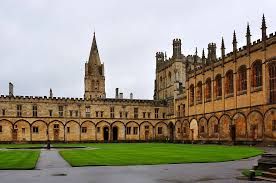
Oxford, renowned globally for its ancient university, presents a different, yet equally compelling, vision of progress. While not characterized by the same overt displays of technological hardware as Bristol, its futuristic trajectory is deeply rooted in intellectual capital, cutting-edge research, and a subtle integration of innovation into its historic fabric. The university’s research departments are powerhouses of discovery, pushing the boundaries of fields that will shape our future, from artificial intelligence and quantum computing to advanced materials and life sciences.
Oxford's "future" is less about gleaming new infrastructure and more about the genesis of groundbreaking ideas. The university's research parks and spin-out companies are quietly revolutionizing industries. These aren't always visible to the casual visitor but are foundational to the technological advancements that will define the coming decades. The city’s progress is often measured not in smart streetlights, but in Nobel Prizes and patents.
The Oxford Science Park: A Nucleus of Discovery
The Oxford Science Park is a prime example of how Oxford is translating its intellectual might into tangible future advancements. This hub is home to a diverse array of companies, many of them spin-outs from the University of Oxford, working on everything from pioneering cancer treatments to developing next-generation computing technologies. It’s a place where scientific breakthroughs are nurtured and commercialized, bridging the gap between academic excellence and real-world application.
The park fosters a collaborative environment, encouraging cross-pollination of ideas between different research groups and companies. This synergy is crucial for accelerating innovation. You'll find state-of-the-art laboratories, specialized facilities, and an ecosystem designed to support the growth of high-tech enterprises. While it might not have the urban regeneration flair of Bristol's Temple Quarter, its impact on the future is profound, driving discoveries that will have global ramifications.
Connecting the Cores: The Journey Between Innovation Hubs
The journey between Bristol and Oxford, though not an epic expedition, offers a fascinating transition between two distinct models of future-building. The train route, often a swift and convenient way to travel between these two dynamic cities, underscores the logistical efficiency that underpins both their approaches to progress. As you depart Bristol, you leave behind a city buzzing with tangible technological integration, and as you approach Oxford, you enter a realm where the future is being conceived in laboratories and lecture halls.
The landscapes you pass through can be seen as metaphors for their respective cities: Bristol's is increasingly shaped by modern development and infrastructure, while Oxford retains a more classic, verdant charm, hinting at the deep historical roots from which its future innovations spring. Understanding this journey is key to appreciating the nuanced ways in which these two powerhouses are shaping the world to come.
The Role of Infrastructure in Future Cities
Both Bristol and Oxford recognize the critical role of infrastructure in enabling their respective visions of the future. In Bristol, this translates to a focus on smart grids, efficient public transport powered by data analytics, and the widespread availability of high-speed digital connectivity. The city is investing in infrastructure that supports its technologically driven economy and aims to create a more livable and sustainable urban environment. This includes efforts to integrate renewable energy sources and promote the adoption of electric vehicles.
Oxford, while perhaps less visibly demonstrating its infrastructure, is no less focused on enabling future progress. Its infrastructure investments are often geared towards supporting its world-class research institutions. This includes advanced laboratory facilities, specialized computing clusters, and high-capacity data networks that can handle the immense processing power required for cutting-edge scientific research. The university’s ongoing development projects often incorporate advanced technological features to support its academic and research endeavors.
Comparing Futuristic Districts: Tangible Tech vs. Intellectual Capital
The most striking difference between Bristol and Oxford lies in their approaches to showcasing their futuristic districts. Bristol's Temple Quarter is a tangible manifestation of its tech-centric future, designed to be experienced directly. It’s a vibrant, mixed-use district where you can walk amidst the innovations, witness smart city solutions in action, and feel the pulse of a city actively embracing technological integration. The emphasis is on creating an environment that is not only functional but also inspiring, a place where residents and visitors can engage with the future on a daily basis.
Oxford's futuristic districts, primarily centered around its renowned university and its associated science parks, are more about the intellectual incubation of future advancements. While the buildings themselves might be modern and equipped with advanced technology, the true "futurism" lies within. It’s in the research being conducted, the ideas being formulated, and the groundbreaking discoveries being made. The impact is often felt globally, long after the initial research has moved from the lab to the marketplace.
Bristol's Smart City Initiatives: A Practical Approach
Bristol's approach to smart city development is characterized by its pragmatism and focus on real-world applications. The city has been a pioneer in various smart city initiatives, from deploying advanced sensor networks to monitor environmental conditions to developing intelligent traffic management systems. There's a strong emphasis on using data to improve public services, enhance sustainability, and create a more responsive urban environment.
Examples of Bristol's smart city initiatives include:
Bristol is Open: A project aimed at making Bristol a leading smart city, promoting open data and innovation in areas like connectivity, mobility, and energy. Smart Traffic Management: Utilizing real-time data to optimize traffic flow, reduce congestion, and improve public transport efficiency. Environmental Monitoring: Deploying sensors to gather data on air quality, noise pollution, and other environmental factors, informing policy decisions and public health initiatives.
These initiatives highlight Bristol's commitment to leveraging technology to create a more efficient, sustainable, and livable city for its residents.
Oxford's Research Ecosystem: The Breeding Ground for Tomorrow's Breakthroughs
Oxford's contribution to the future is primarily through its unparalleled research ecosystem. The University of Oxford consistently ranks among the top universities globally, producing groundbreaking research across a vast spectrum of disciplines. This academic excellence fuels innovation, leading to the creation of spin-out companies and the development of technologies that have the potential to reshape industries and societies.
Key aspects of Oxford's research ecosystem include:
World-Class Research Departments: From theoretical physics and artificial intelligence to medicine and biotechnology, Oxford's departments are at the forefront of scientific inquiry. Technology Transfer and Commercialization: The university has robust mechanisms in place to facilitate the transfer of intellectual property from academia to the commercial sector, fostering the growth of innovative startups. Interdisciplinary Collaboration: Oxford encourages collaboration between different academic disciplines, leading to novel approaches to complex challenges and fostering unexpected breakthroughs. Talent Attraction: The university's global reputation attracts leading academics, researchers, and students, creating a dynamic intellectual environment that drives innovation.
This focus on fostering a rich intellectual environment ensures that Oxford remains a crucial hub for the development of technologies that will define our future.
The Future Isn't Either/Or: A Symbiotic Vision
The contrast between Bristol and Oxford isn't about one city being more "futuristic" than the other, but rather about their distinct pathways to shaping the future. Bristol is actively building its future through tangible technological integration and urban regeneration, making its progress visible and experiential. Oxford, conversely, is cultivating its future through intellectual prowess and groundbreaking research, laying the foundational discoveries that will underpin tomorrow's world.
Ultimately, the future isn't an either/or scenario. It's a complex interplay of practical application and theoretical discovery. Bristol's smart city solutions will likely benefit from the fundamental research emerging from institutions like Oxford. Conversely, the innovations born in Oxford will require the kind of integrated urban environments that Bristol is striving to create to be fully realized and impactful for society. Their proximity and the connectivity between them suggest a symbiotic relationship, where both cities contribute essential elements to the tapestry of what's to come.
What Travelers Can Expect: A Tale of Two Futures in One Journey
For the traveler, the journey from Bristol to Oxford offers a unique opportunity to witness two powerful, yet different, visions of the future. In Bristol, you can immerse yourself in a city that has embraced technology as a tool for urban improvement, experiencing smart city solutions firsthand. You’ll see the physical manifestations of innovation, from regenerated urban districts to advancements in sustainable infrastructure.
In Oxford, the future is more subtle but no less significant. You'll encounter a city where intellectual curiosity and scientific inquiry are paramount, a place where the seeds of transformative technologies are sown. While you might not see the same overt technological integration as in Bristol, you'll sense the powerful undercurrent of innovation emanating from its world-renowned university and research institutions. This journey is a masterclass in how diverse approaches can lead to a shared goal: shaping a better tomorrow.
Journey Highlights
- Bristol: A Hub for Aerospace, Microelectronics, and Digital Industries. - Temple Quarter: Bristol's regeneration zone focusing on smart city tech. - Oxford: Leading research in AI, Medicine, and Quantum Computing. - Science Parks: Oxford's centers for technological innovation. - Travel Options: Car (M4/A40/A34), Train (via Didcot/Swindon), Bus.
Local Secrets & Insider Tips
Insider Tips for Your Bristol to Oxford Adventure
As a seasoned traveler who's traversed these routes countless times, let me give you the real lowdown. Forget the generic tourist traps; here’s how to make the most of your journey between these two fascinating cities.
Avoiding Crowds & Prime Times:
Bristol: For the harborside and SS Great Britain, aim to arrive by 9:00 AM on a weekday. This gets you ahead of school groups and the main tourist influx. If you want to experience the vibrant street art scene, do a self-guided tour early on a Saturday morning around 8:30 AM before the weekend crowds gather. Oxford: The iconic Radcliffe Camera and Bodleian Library area gets swamped. To truly appreciate the architecture without the throng, visit between 6:45 AM and 7:30 AM on a Sunday. Yes, it’s early, but the ethereal light and quiet streets are magical. For a less crowded university experience, explore the colleges on the outskirts like Keble or St Hilda's around 4:00 PM on a Tuesday or Wednesday afternoon.
Hidden Gems & Secret Spots:
Bristol: Skip the main shopping streets and head to Gloucester Road. It's Europe's longest independent shopping street, packed with unique boutiques, cafes, and record stores. For a breathtaking, non-touristy view of the Clifton Suspension Bridge, walk down to the Leigh Woods side, near the Observatory, and follow a small path down towards the Avon Gorge. You get a unique, lower-angle perspective. Oxford: While everyone flocks to the Bridge of Sighs, seek out the quieter beauty of University College Gardens (if accessible) or the serene botanic gardens on the eastern side of the river. For a unique perspective, find the small, often overlooked, entrance to the University Parks from Norham Gardens – it leads to a less-trodden section perfect for a peaceful stroll.
Culinary Delights (Beyond Tourist Menus):
Bristol: For authentic local grub, head to the Southville area and find a proper pub like The Tobacco Factory or The Plough. Order their 'Sausage and Mash' or a traditional Sunday Roast if it's the right day. Avoid the generic chains near the harbour. Oxford: Steer clear of the main High Street eateries. Instead, venture into the Cowley Road area. Try 'The Olympic' for classic British pub fare done exceptionally well, or explore the numerous ethnic eateries for authentic curries or Mediterranean dishes. Look for places with handwritten menus and a local buzz.
Logistical Hurdles & Pro-Tips:
Parking: Both cities have notoriously difficult and expensive parking. If driving, research park-and-ride options or accommodation with parking before you arrive. In Oxford, the city center is largely pedestrianized, making parking even trickier. University Access: Remember that most Oxford colleges have specific visiting hours and sometimes charge entry fees. Check their websites in advance. Bristol's attractions are generally more accessible. Public Transport: While trains are efficient, local buses in both cities can be confusing for newcomers. Download the local transport apps (e.g., First Bus for Bristol, Oxford Bus Company) to plan your routes and purchase tickets digitally. Validate your ticket correctly to avoid fines!
Common Questions
Frequently Asked Questions: Bristol vs. Oxford - The Future is Already Here
This FAQ expands upon the key themes discussed in our article, "Bristol vs. Oxford: The Future Is Already Here (And It's NOT What You Think!)", offering more in-depth insights for curious readers.
**Q: When comparing technological advancement, how do Bristol and Oxford differ in their primary strengths?**
A: While both cities are at the forefront of innovation, their technological advancements manifest in distinct ways. Bristol has established itself as a dynamic and diverse tech hub, boasting a robust ecosystem across various sectors. Its strengths lie particularly in the digital technology sector, encompassing software development, creative industries, and fintech, as well as a significant presence in the aerospace and defence industries. This broad-based technological prowess makes Bristol a significant player in the wider UK tech landscape.
In contrast, Oxford's technological advancement is deeply rooted in its world-renowned academic institutions and its unparalleled expertise in highly specialized research and development. The city is a global leader in scientific fields, including life sciences, biotechnology, pharmaceuticals, and advanced materials. Oxford's innovation is often driven by breakthroughs emerging from the University of Oxford and its associated research parks, translating cutting-edge scientific discoveries into tangible applications and potential future technologies. Therefore, while Bristol excels in broader digital and industrial tech application, Oxford leads in pioneering fundamental scientific research that shapes future technological trajectories.
**Q: Could you elaborate on the scenic qualities of the journey between Bristol and Oxford?**
A: The direct travel routes between Bristol and Oxford are predominantly characterized by efficient, high-speed infrastructure, such as motorways and dual carriageways. While these routes are optimized for journey time and convenience, they are generally not considered exceptionally scenic. The primary focus is on practical transit rather than picturesque landscapes.
However, the surrounding countryside in the regions flanking these main arteries offers pleasant and often rolling views. For travellers who prioritize a more visually engaging experience, opting for slower, more traditional B-road routes can be highly rewarding. These secondary roads often meander through quaint villages, agricultural land, and pockets of natural beauty, revealing a more picturesque and tranquil side of the English countryside that the faster routes bypass.
**Q: What are the most effective and practical methods for travelling between Bristol and Oxford?**
A: The optimal mode of transport between Bristol and Oxford generally depends on individual priorities. For speed, efficiency, and the avoidance of potential road congestion, the train is frequently the most recommended option. The rail network provides a direct and reliable service, allowing passengers to relax and avoid the stresses of traffic.
Alternatively, driving offers a greater degree of flexibility, particularly for those who intend to make multiple stops along the way or require the convenience of personal transport upon arrival in Oxford or Bristol. This includes the ability to explore smaller towns or attractions en route that might not be easily accessible by public transport. It is advisable to check live traffic conditions and consider potential peak travel times if opting for a road journey.
**Q: Does Oxford possess distinct "futuristic districts" in a similar vein to what might be perceived in Bristol?**
A: Oxford's approach to its "futuristic" identity differs significantly from the concept of distinct architectural or urban development zones. Rather than showcasing futuristic elements through specific districts, Oxford's forward-looking nature is intrinsically embedded within its world-class research institutions and its thriving network of science parks and innovation hubs.
You will find the essence of innovation not in curated zones but integrated into the very fabric of its academic and research infrastructure. This includes cutting-edge laboratories, state-of-the-art research facilities, and the physical spaces where groundbreaking scientific discoveries are made. These centres of intellectual and technological pursuit are where Oxford's future is actively being shaped, often leading to advancements that may not be immediately visible as distinct architectural features but represent the pinnacle of current and future technological and scientific endeavour.