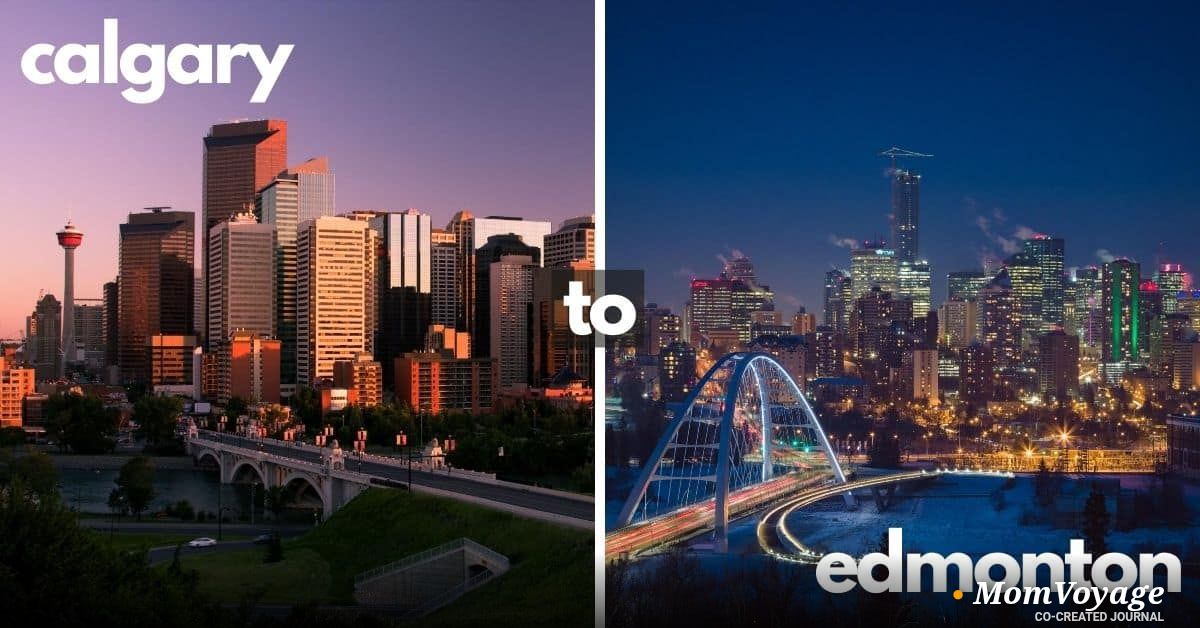
Experience the best of Alberta on a Calgary to Edmonton road trip. Uncover hidden gems, culinary secrets, and expert tips for an unforgettable journey through the prairies.
Embarking on the road from Calgary to Edmonton is more than just traversing the distance between two major cities; it's a journey through the heart of Alberta, a chance to witness the subtle yet captivating shifts in landscape and discover hidden gems along the way. This drive, while relatively short, offers a rich tapestry of experiences for those willing to look beyond the highway.
The Practicalities of the Prairie Drive
The most direct route between Calgary and Edmonton spans approximately 290 kilometers, typically taking around three to three-and-a-half hours of pure driving time. However, this journey is best savored, not rushed. Consider the time of year: spring and fall offer ideal weather for scenic stops, while summer provides long daylight hours but can bring more traffic. Winter driving demands extra caution, preparedness, and flexibility due to potential road conditions.
When planning your trip, factor in fuel stops. While service stations are reasonably spaced, it's always wise to fill up when you see a convenient option, especially if you're venturing off the main QEII highway. Similarly, rest stops are plentiful, offering opportunities to stretch your legs, grab a coffee, or use facilities. If you're traveling with children or pets, these planned breaks become even more crucial. Mobile phone service can be spotty in certain rural stretches, so downloading offline maps or having a physical map as a backup is a prudent measure. Understanding these practicalities will allow you to focus on the enjoyment of the journey.
Uncovering the Route's Charms: Beyond the Highway Markers
While the primary artery connecting Calgary and Edmonton is the Queen Elizabeth II (QEII) Highway, often referred to as the QE2 or simply "the Highway," the true magic of this road trip lies in the detours and discoveries made along its periphery. This expansive prairie landscape, often perceived as monotonous, reveals its beauty in the vast skies, the rolling hills that hint at the foothills, and the agricultural bounty that shapes Alberta's identity. Don't just see the asphalt; look outwards, into the fields, towards the distant horizons, and be open to the unexpected.
The charm of this route isn't about dramatic, postcard-perfect vistas at every turn. Instead, it's about the subtle narratives written into the land. It's the way the light changes the color of the wheat fields from emerald green to golden amber, the stark beauty of a lone farmhouse against an endless sky, or the resilience of a herd of cattle grazing in a windswept pasture. By slowing down and embracing the rural character, you'll begin to appreciate the quiet power and understated elegance of the Albertan prairies.
Red Deer: The Mid-Point Oasis
Approximately halfway between Calgary and Edmonton lies Red Deer, a vibrant city that serves as an excellent stopping point for a stretch, a meal, or even a brief exploration. Its strategic location makes it a natural hub, and it offers a variety of attractions for a short break.
Within Red Deer, consider a visit to Discovery Canyon, a unique natural water park that's perfect for a refreshing dip on a warm day. For art and history enthusiasts, the Alberta Sports Hall of Fame & Museum provides a fascinating glimpse into the province's athletic heritage, while the Gaetz Avenue offers a lively downtown area with numerous cafes, restaurants, and shops. If you're traveling with family, the Kerry Wood Nature Centre offers beautiful walking trails and educational exhibits about local flora and fauna. Red Deer provides a welcome break from the driving, offering a taste of urban amenities within a more relaxed prairie setting.
Small Town Charms and Local Flavors
The smaller communities dotting the QEII corridor each possess their own unique character and often hold unexpected treasures. Towns like Innisfail, Bowden, Ponoka, and Leduc offer glimpses into rural Alberta life and are worth a brief exploration if time permits.
Look for local diners and cafes that serve up hearty, home-style cooking. These are often the best places to experience authentic Albertan hospitality and taste regional specialties. You might find yourself enjoying a delicious perogy platter, a classic burger, or even a locally sourced bison dish. Beyond the culinary, many of these towns boast charming main streets with independent boutiques, antique shops, and historical markers that tell the stories of their founding and development. Don't be afraid to pull over and wander; these small-town encounters can be some of the most memorable parts of your road trip.
Agricultural Heartland: A Landscape of Cultivation
As you drive north from Calgary, you'll witness a profound transformation of the landscape into one of Alberta's most productive agricultural regions. The rolling plains give way to meticulously cultivated fields, a testament to the fertile soil and the hard work of Albertan farmers.
Observe the different types of crops that dominate the scenery, depending on the season. In spring, you'll see vast expanses of young green shoots, while summer brings vibrant hues of gold and brown as grains ripen. You might also spot fields of canola, their bright yellow flowers creating stunning swathes of color. This agricultural tapestry isn't just visually appealing; it's the backbone of Alberta's economy, supplying food and resources both domestically and internationally. Take a moment to appreciate the scale and dedication involved in sustaining this vital industry.
Conservation and Natural Beauty: Unexpected Pockets of Green
While the dominant imagery is one of vast prairies, the route also offers pockets of surprising natural beauty and opportunities for conservation. Look for signs of wetlands, coulees, and areas that have been preserved for their ecological significance.
For instance, areas around Oldman River Dam (though slightly west of the direct QEII route, it influences the regional landscape) and various provincial parks offer opportunities to experience Alberta's natural heritage. Even smaller, less-advertised natural areas can provide serene spots for a picnic or a short hike. These green spaces serve as vital habitats for wildlife and offer a welcome contrast to the open fields. They are reminders that even in a predominantly agricultural landscape, nature finds a way to thrive.
Entering the Urban Pulse of Edmonton
As you approach Edmonton, the urban landscape begins to emerge, a stark contrast to the rural expanses you've traversed. The city skyline, once a distant mirage, grows larger and more defined, signaling the end of your journey and the beginning of a new adventure.
Edmonton, known as Alberta's capital city, is a hub of culture, industry, and entertainment. From its renowned festivals and vibrant arts scene to its extensive river valley park system, there's an abundance of experiences to discover. The transition from prairie to city offers a fascinating juxtaposition, highlighting the diverse facets of Alberta and the remarkable journey from its southern agricultural heartland to its dynamic northern urban center.
The Art of Slow Travel: Embracing the Journey
Ultimately, the Calgary to Edmonton road trip is an exercise in embracing the art of slow travel. It's about understanding that the destination is important, but the journey itself holds immense value. By choosing to linger, to explore the side roads, to chat with locals, and to simply observe the changing scenery, you transform a routine drive into a memorable exploration of Alberta.
This journey is a testament to the fact that even seemingly straightforward routes can be rich with discovery. It's an invitation to look closer, to appreciate the subtle beauty of the prairies, and to experience the diverse character of a province that offers so much more than meets the eye. So, next time you find yourself on this stretch of highway, remember to slow down, open your eyes, and let Alberta unfold before you.
Journey Highlights
- The drive from Calgary to Edmonton covers approximately 290 km and takes about 3-3.5 hours without stops. - Best times to travel are Spring (May-June) and Fall (September-October) for pleasant weather and fewer crowds. - Key towns to consider for stops include Crossfield, Carstairs, Innisfail, Red Deer, Lacombe, and Ponoka. - Red Deer is a good midway point for lunch and offers attractions like the Alberta Sports Hall of Fame. - Look for local diners to experience authentic prairie comfort food and Alberta beef dishes. - Don't miss trying regional specialties like Saskatoon berry pie or bannock. - The route transitions from foothills to prairies, offering diverse scenery. - Edmonton, the destination, provides numerous attractions including the Alberta Legislature Building and the Royal Alberta Museum.
Local Secrets & Insider Tips
As a seasoned Albertan road-tripper, I can tell you this drive is more than just a transfer – it’s a chance to soak in the vastness and character of our province. Here’s how to make it truly special:
Timing is Everything for a Peaceful Stop: - If you’re stopping in Red Deer for a break, aim for the Alberta Sports Hall of Fame & Museum right when they open at 10:00 AM on a weekday. You’ll often have the exhibits to yourself for the first hour, allowing for a more immersive experience before school groups or larger crowds arrive. - For a less busy lunch in Red Deer, bypass the highway-adjacent chains and head downtown to a spot like Billy Brothers Smokehouse. Arrive between 11:30 AM and 12:00 PM for their lunch specials before the main rush.
Hidden Entrances & Viewpoints: - In Innisfail, instead of just passing through, look for the turn-off to the Innisfail Aquatic Centre & Campground. The walking paths around the adjacent lagoon offer a surprisingly peaceful spot for a stretch and some bird-watching – a little pocket of tranquility most drivers miss. - While Red Deer’s main attractions are well-known, don’t overlook the Waskasoo Environmental Education Park. Its network of trails, particularly along the Red Deer River, offers beautiful, quiet vistas. Access points are scattered throughout the city; try the entrance off 55th Street for a less-trafficked area.
Must-Try Local Flavors: - In Lacombe, skip the generic cafes and seek out Lions Drive-In. It’s a local institution famous for its milkshakes and classic drive-in fare. Order their perogy and sausage plate if you want a hearty, authentic prairie meal. - If you see a roadside stand or market selling Saskatoon Berry Pie between Red Deer and Edmonton, pull over! The quality can vary, but a good one is pure sunshine. Look for pies with a deep purple filling and a flaky crust.
Logistical Pitfalls to Avoid: - Gas: While gas stations are frequent on the QEII, they become less common on smaller detours. It's always wise to fill up in a larger center like Red Deer or Innisfail if your tank is approaching half-empty, especially if you plan on exploring side roads. Gas prices can also fluctuate, so keep an eye out for better deals. - Construction: Alberta experiences significant highway construction during the warmer months (roughly May to September). Always check Alberta 511 (available online or as an app) before you leave and during your trip for real-time updates on delays, closures, or detours. A minor construction delay can turn a 3-hour drive into a 4.5-hour one if unexpected. - Cell Service: While generally good along the main highway, cell service can become spotty once you venture onto smaller secondary roads or into more rural areas. Download offline maps for your navigation app as a backup.
Common Questions
Frequently Asked Questions
Q: What is the fastest way to drive from Calgary to Edmonton? A: The fastest route is via the Queen Elizabeth II Highway (QEII), also known as Highway 2. This is a direct, divided highway connecting the two cities.
Q: Are there many places to stop for gas and food along the Calgary to Edmonton route? A: Yes, the QEII is a major transportation corridor, and you'll find numerous service stations, restaurants, and fast-food options in towns like Airdrie, Crossfield, Innisfail, Red Deer, and Lacombe.
Q: Is the drive from Calgary to Edmonton safe in winter? A: The QEII is generally well-maintained in winter. However, conditions can change rapidly. Always check road reports (e.g., Alberta 511) before you leave, ensure your vehicle is equipped for winter driving (snow tires are recommended), and be prepared for potential delays or reduced visibility due to snow and ice.
Q: Can I take a scenic route instead of the highway? A: While the QEII is the most direct, you can explore smaller provincial highways that run parallel or slightly east of the main route. This will significantly increase your travel time but might offer a more rural experience. For example, parts of Highway 11 or 13 could be incorporated for a longer, more leisurely drive, but it requires detailed planning.
Q: What are the must-try local foods between Calgary and Edmonton? A: Keep an eye out for diners and cafes offering Alberta beef burgers or steaks. Saskatoon berry pie is a classic prairie dessert. In some smaller communities, you might find bakeries selling bannock, especially if there's a local event or market happening.