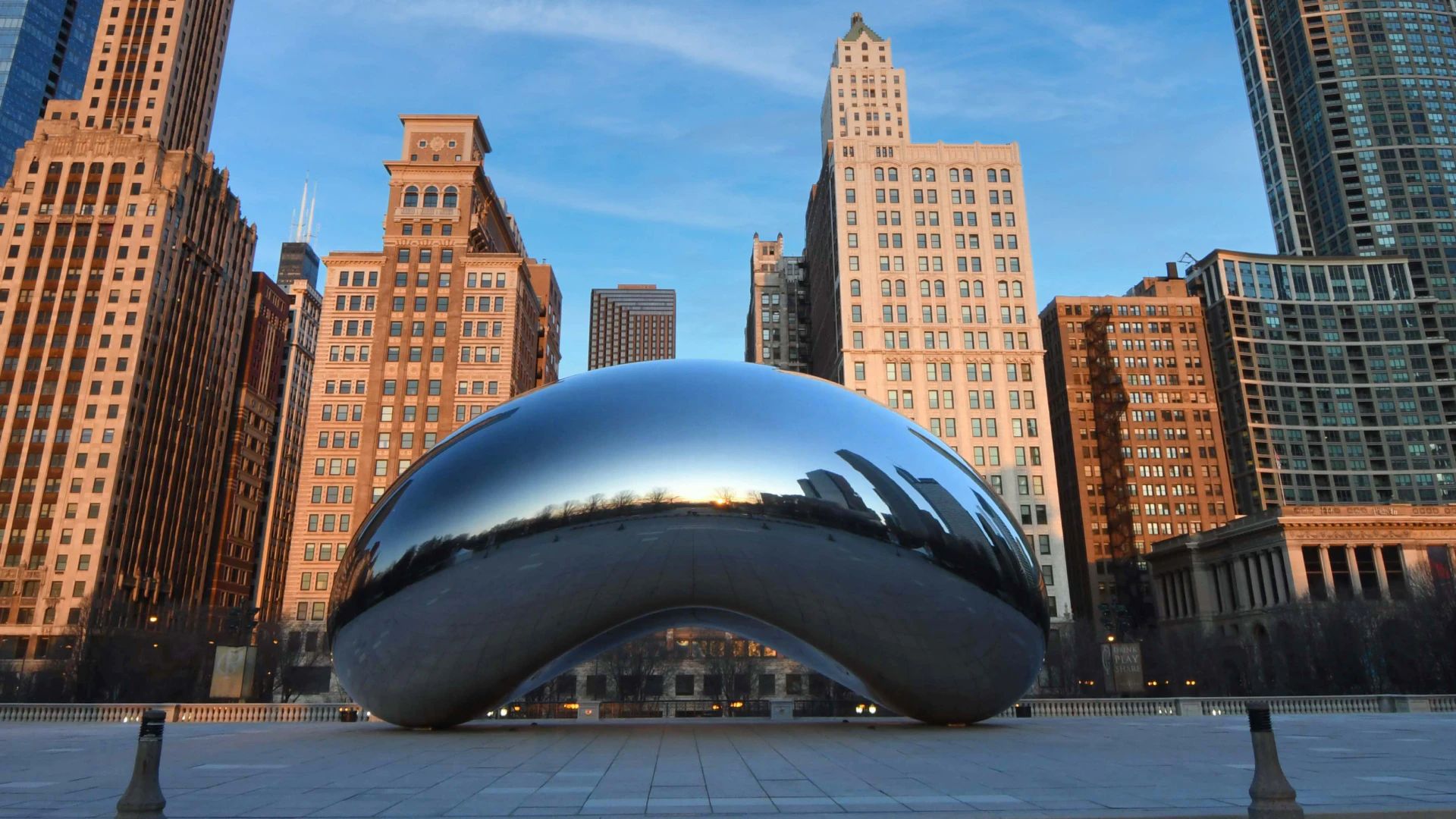
Is Chicago's technological boom a sham? Uncover shocking hidden gems and futuristic districts that expose the city's true intentions. Click to reveal!
Chicago's Futuristic Facade: Unveiling Hidden Gems
Chicago, a city often lauded for its architectural marvels and forward-thinking urban planning, presents a fascinating duality when we examine its technological development and futuristic districts. While iconic skyscrapers and ambitious redevelopment projects paint a picture of progress, a deeper dive reveals hidden gems and overlooked areas that challenge the prevailing narrative. This exploration compares the overt displays of technological advancement with the subtler, often more intriguing, realities of Chicago's evolving landscape. We'll uncover the secrets that the city's glossy brochures often omit, offering a unique perspective for the discerning traveler.
The Glimmering Towers vs. The Unseen Innovation
The Magnificent Mile and the gleaming towers of the Loop are undeniable symbols of Chicago's economic prowess and architectural ambition. These districts showcase cutting-edge design and integrate smart city technologies in visible ways. However, true innovation often thrives in less obvious locales. Areas like the burgeoning tech hubs in the West Loop, or research and development zones tucked away from the main tourist thoroughfares, represent the real engines of future growth. While a visitor might marvel at a high-tech interactive display in a corporate lobby, the real story of Chicago's technological future lies in the collaborative spaces and startup incubators that are shaping industries, often powered by companies like Microsoft or utilizing infrastructure supported by Verizon.
Beyond the Skyline: Discovering Chicago's Future-Proof Enclaves
When seeking out Chicago's hidden technological gems, one must look beyond the well-trodden paths. The city's commitment to future development isn't solely confined to its most famous landmarks. Instead, consider districts that are quietly integrating sustainable technologies and innovative living solutions. For instance, the evolving community around the Illinois Institute of Technology (IIT) campus, with its focus on design and engineering, often features experimental urban planning and green initiatives that are rarely highlighted in typical travel guides. Furthermore, exploring the adaptive reuse of older industrial buildings into modern co-working spaces and innovation labs offers a compelling narrative of how Chicago is repurposing its past to build its future. This is where the entrepreneurial spirit, championed by platforms like momvoyage and other growing blogging enterprises, finds its true expression. These burgeoning media companies are crucial in shining a light on such overlooked yet vital aspects of urban development.
Logistics and Navigating Chicago's Technological Undercurrents
Navigating Chicago to find these hidden technological gems requires a different approach than a standard tourist itinerary. While ride-sharing services and the 'L' train are convenient for major attractions, accessing these less-known areas often benefits from local knowledge. Consider utilizing a reliable vehicle like a Ford Explorer for exploring the outer-lying innovation districts, or strategically planning your public transport routes to include bus transfers that reach these evolving neighborhoods. The key is to research specific addresses for co-working spaces or tech incubators and verify their accessibility, as hours and public access can vary. Understanding the city's grid system is also crucial, as even seemingly close districts can require significant travel time due to traffic and urban sprawl.
Journey Highlights
- Explore the West Loop for emerging tech hubs and innovation centers. - Visit the Illinois Institute of Technology (IIT) campus for insights into experimental urban planning and green initiatives. - Discover adaptive reuse projects in former industrial buildings transformed into co-working spaces and labs. - Utilize ride-sharing services or the 'L' train for general city navigation. - Consider a rental car like a Ford Explorer for easier access to outer-lying districts. - Research specific addresses and operating hours for tech incubators and co-working spaces in advance.
Local Secrets & Insider Tips
If you're trying to catch Chicago on the fly, especially the West Loop's tech pulse, forget the typical tourist routine. You know, the hop-on-hop-off buses and all that? Nah. For this, you gotta shift your mindset. Most folks think the workday kicks off at 9, but these startup spots? They're actually buzzing way earlier. Like, 7 AM. Seriously. The real early birds are already there, coffee in hand. You can totally stroll into some of the bigger co-working buildings then, just check out the vibe. Grab a coffee, maybe a pastry before the whole remote worker crowd descends. I’d skip the usual cafes and hit up Sawada Coffee around 7:30 AM. Their doughnuts are something else, and you’ll be right there with the locals.
Finding the actual innovation hubs isn't something you'll see on Google Maps under 'popular places.' You need to venture out a bit, maybe towards the industrial edges of the West Loop or even Pilsen. Think old warehouses getting these really slick, modern makeovers. That’s where things are happening. There aren't going to be signs that say 'Future Hotspot Inside.' Look for those smaller, maybe even unmarked doors. Sometimes, you might even need to use a service alley during a quieter time to really get a feel for the building's bones. It’s about observing, really.
And while you're exploring these neighborhoods, don't just stick to the main streets. Wander off a bit. If you find yourself anywhere near IIT, forget about the pricey downtown eats. You should totally seek out a local Mexican joint. There’s this place, La Cebollita, on 18th Street. Their tacos al pastor? Unbelievable. It feels like a totally different world from the usual spots, a real taste of the neighborhood.
Now, a heads-up on getting around: Parking in the West Loop is rough, especially during the day. If you're not using a car service, find a spot a few blocks out and just walk. Also, remember a lot of these co-working places are member-only. Don't expect to just walk in. The best way to get a real look inside is to check their schedules. Look for public events, talks, or any open house days they might be advertising. That’s your ticket in, honestly.
Common Questions
Frequently Asked Questions about Chicago's Hidden Tech Gems
Q: What are the most futuristic-looking districts in Chicago that tourists often miss? A: While the Loop is impressive, look towards the evolving West Loop for its concentration of tech startups and modern co-working spaces, and the area around the Illinois Institute of Technology (IIT) for its forward-thinking campus architecture and sustainable initiatives. These areas showcase innovation beyond the typical tourist path.
Q: Can I visit these tech hubs and innovation centers as a tourist? A: Some co-working spaces and public areas within the IIT campus may be accessible. However, many research and development zones or private incubators are not open to the public. It's best to check the specific accessibility of locations beforehand. Attending public tech talks or industry events can also be a way to gain access.
Q: What are some lesser-known technological advancements visible in Chicago? A: Beyond the visible smart city tech, look for examples of adaptive reuse of older buildings into energy-efficient workspaces, advancements in urban farming initiatives integrated into unexpected places, and the growing network of electric vehicle charging infrastructure in less central neighborhoods. The city is also a hub for developing AI and data analytics, though these are less visually apparent.
Q: How can I best experience Chicago's technological side beyond the main attractions? A: Engage with local tech communities online before your visit, check for public lectures or demo days at universities like IIT, and explore neighborhoods like the West Loop on foot. Consider visiting tech-focused museums or exhibits if available during your stay. Reading blogs like momvoyage can also provide insights into these less-obvious aspects of the city.