Explore Cincinnati like never before! Uncover 13 unique comparisons, hidden gems, and local secrets in this ultimate road journal. Your perfect Ohio adventure awaits.
Cincinnati's Charm: A Weekend Road Journal
Cincinnati, Ohio, a city rich in history and brimming with modern attractions, offers a captivating experience for any traveler. Known for its distinctive architecture, vibrant arts scene, and delicious culinary landscape, a journey through Cincinnati is a journey of discovery. This road journal delves into the heart of the city, comparing its facets and revealing the layers that make it such a unique destination.
Navigating the Ohio River Divide: Banks and Bridges
Cincinnati's identity is inextricably linked to the mighty Ohio River, which not only defines its geography but also its historical development and ongoing cultural narrative. The city is effectively split into two distinct sides by this natural artery, each offering a unique perspective and experience. Exploring both the northern and southern banks is crucial to understanding the full spectrum of Cincinnati's charm.
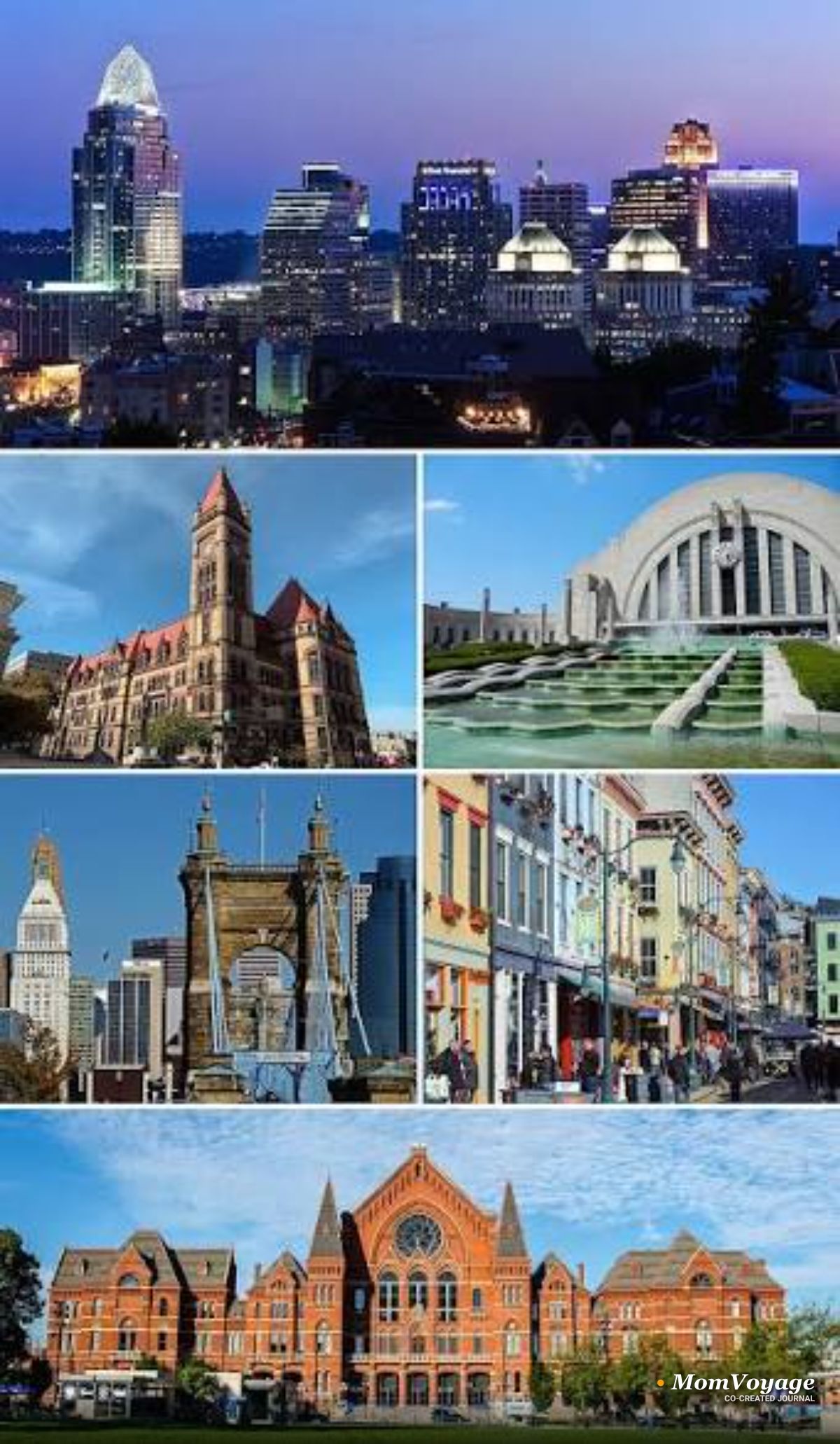
On the northern side, the city center, often referred to as Downtown, is a hub of commercial activity, historical landmarks, and a burgeoning arts and entertainment district. Here, you'll find the iconic Roebling Suspension Bridge, a testament to the city's industrial past and a stunning architectural marvel that connects Cincinnati to Covington, Kentucky. This side of the river boasts a dense concentration of skyscrapers, historical buildings like Union Terminal, and a lively atmosphere, especially during business hours and evenings when its numerous restaurants and bars come alive. The architecture on this side often reflects a blend of Victorian grandeur and modern urban development, with towering glass structures juxtaposed against ornate, century-old facades.
Across the river, on the southern bank in Kentucky, lies a different, yet equally compelling, Cincinnati experience. Cities like Covington and Newport have undergone significant revitalization, transforming from industrial outposts to vibrant entertainment and residential districts. The view of the Cincinnati skyline from the Kentucky side is arguably one of the most breathtaking, especially at night when the city lights twinkle across the water. Here, you'll find a more laid-back vibe, with eclectic shops, independent breweries, and a strong sense of community. The architecture often leans towards historic preservation, with beautifully restored row houses and a more intimate streetscape. Walking across the Roebling Bridge or taking a short drive over one of the other bridges offers a tangible comparison of the urban development and cultural nuances of each side, highlighting how the river acts not as a barrier, but as a connector and a catalyst for distinct identities.
A Tale of Two Districts: Over-the-Rhine vs. Hyde Park
Cincinnati's diverse neighborhoods offer a microcosm of the city's broader character, with certain districts standing out for their distinct personalities and offerings. Two such neighborhoods that embody this diversity are Over-the-Rhine (OTR) and Hyde Park. Comparing these areas provides a fascinating insight into the city's historical evolution and its contemporary appeal.
Over-the-Rhine, a historically German neighborhood, is a testament to urban renewal and artistic resurgence. Once a district of decline, OTR has transformed into a vibrant hub for arts, culture, and culinary innovation. Its defining characteristic is its stunning collection of 19th-century Italianate architecture, a legacy of its past as a settlement for German immigrants. The streets are lined with ornate brick buildings, many of which have been meticulously restored and repurposed into boutique shops, artisanal restaurants, breweries, and galleries. The energy in OTR is palpable, driven by a young, creative population and a thriving nightlife scene. The comparison here lies in its dynamic, ever-evolving nature, constantly reinventing itself while honoring its historical roots. It represents a more edgy, urban, and forward-thinking aspect of Cincinnati.
In stark contrast, Hyde Park embodies a more established, affluent, and traditionally suburban charm within the city limits. Known for its tree-lined streets, grand Victorian and Craftsman-style homes, and a sophisticated yet relaxed atmosphere, Hyde Park offers a different pace of life. Its main street, Hyde Park Square, is a picturesque destination with upscale boutiques, independent bookstores, and a concentration of well-regarded restaurants and cafes. The architecture here speaks of a different era of prosperity, with a focus on residential grandeur and a sense of enduring elegance. The comparison with OTR highlights Hyde Park's emphasis on established community, family-friendliness, and a more refined, polished aesthetic. While OTR buzzes with an in-your-face creative energy, Hyde Park offers a more serene and sophisticated experience.
From Baseball to Brews: Cincinnati's Sporting and Libation Legacy
Cincinnati boasts a rich history in both sports and brewing, two pillars that have shaped its cultural identity and continue to draw residents and visitors alike. The city's passion for baseball, symbolized by the Cincinnati Reds, and its deep-rooted connection to German brewing traditions offer a compelling comparison of its leisure and social fabric.
The Cincinnati Reds, America's first professional baseball team, are an integral part of the city's heritage. Playing at the iconic Great American Ball Park, the Reds evoke a sense of nostalgia and civic pride. Attending a game is more than just a sporting event; it's a cultural immersion, a chance to experience a slice of American tradition. The roar of the crowd, the smell of hot dogs, and the shared experience of cheering on the home team create a powerful sense of community. The comparison here lies in the widespread appeal and unifying force of professional sports, a passion that transcends generations and demographics, connecting the city through shared victories and defeats.
Complementing its sporting fervor is Cincinnati's equally impressive brewing legacy. Historically, the city was a major brewing center, home to a significant German immigrant population that brought with them their expertise and love for beer. While the industry experienced a decline in the latter half of the 20th century, a resurgence in craft brewing has revitalized this aspect of Cincinnati's culture. Neighborhoods like Over-the-Rhine are dotted with microbreweries and taprooms, offering a diverse range of beers, from traditional lagers to innovative craft ales. Exploring these establishments provides a different kind of social experience, one focused on artisanal craftsmanship, local flavors, and a more intimate gathering. The comparison here is with the spirit of entrepreneurship and innovation that has brought brewing back to its prominence, creating a new wave of enthusiasts and businesses.
Culinary Crossroads: Findlay Market vs. Rookwood Dining
Cincinnati's culinary scene is a dynamic blend of historical influences and contemporary trends, offering a spectrum of dining experiences. Two prominent examples that showcase this diversity are Findlay Market and the dining establishments around Rookwood Commons. Comparing these locales reveals the city's evolution from traditional markets to modern gastronomic hubs.
Findlay Market, the city's oldest continuously operating public market, is a vibrant epicenter of local food culture. Established in 1852, it is a living testament to Cincinnati's agricultural roots and its enduring appreciation for fresh, locally sourced ingredients. The market bustles with a diverse array of vendors offering everything from fresh produce and artisanal cheeses to baked goods, meats, and international delicacies. Exploring Findlay Market is an immersive sensory experience, a chance to interact directly with farmers and food producers, sample unique flavors, and discover the bounty of the region. The comparison here lies in its emphasis on authenticity, community, and the direct connection between producer and consumer. It represents the heart of traditional food appreciation.
In contrast, the dining scene around Rookwood Commons, a popular lifestyle center, represents a more contemporary and curated culinary landscape. Rookwood offers a concentration of well-known chain restaurants alongside trendy, chef-driven establishments, catering to a diverse palate seeking both familiar favorites and novel gastronomic adventures. The ambiance here is often more polished and modern, with stylish interiors and a focus on the overall dining experience. The comparison with Findlay Market highlights Rookwood's emphasis on convenience, variety, and a more upscale or trend-conscious dining environment. While Findlay Market celebrates the raw ingredients and the artisanal process, Rookwood showcases the finished product in a refined setting, often appealing to those seeking a more curated and sophisticated meal.
Artistic Expressions: Contemporary Art at CAC vs. Historic Collections at IAM
Cincinnati's commitment to the arts is evident in its diverse range of institutions, each offering a unique perspective on creative expression. Comparing the Contemporary Arts Center (CAC) with the art collections housed within the Cincinnati Museum Center at Union Terminal (often referred to as the Institute of Arts and Museums - IAM, though it's a broader museum complex) reveals the city's multifaceted artistic landscape.
The Contemporary Arts Center (CAC) is a beacon of avant-garde and cutting-edge art. Its striking, deconstructivist architecture by Zaha Hadid is a statement in itself, reflecting the forward-thinking nature of its exhibitions. The CAC is dedicated to showcasing new art and new ideas, often featuring challenging and thought-provoking installations, performances, and multimedia works. The focus is on the immediate present and the emerging future of art, providing a platform for artists who are pushing boundaries and questioning conventions. The comparison here lies in its embrace of the experimental, the ephemeral, and the intellectually stimulating aspects of contemporary art. It's a space for dialogue and for experiencing art in its most current and evolving forms.
Conversely, the art collections within the Cincinnati Museum Center at Union Terminal offer a more historical and broadly curated artistic experience. While the Museum Center encompasses various museums, its art-related exhibits often delve into the city's artistic heritage, showcasing a range of periods and styles. This can include everything from fine art collections that tell the story of regional artists and movements to decorative arts and historical artifacts that reflect the aesthetic sensibilities of bygone eras. The comparison with the CAC highlights a focus on artistic legacy, historical context, and a more traditional approach to art appreciation. It’s a journey through time, understanding how art has shaped and reflected Cincinnati’s past, offering a more encyclopedic view of artistic achievement.
The Rise of the Neighborhoods: Covington's Revival vs. Walnut Hills' Renaissance
Cincinnati's metropolitan area is not confined to its city limits, and examining neighboring communities like Covington, Kentucky, and the re-emerging Walnut Hills neighborhood within Cincinnati itself offers a compelling insight into urban revitalization and the evolving character of the region.
Covington, Kentucky, situated directly across the Ohio River from Cincinnati, has undergone a remarkable transformation in recent decades. Once a city grappling with economic challenges, Covington has blossomed into a vibrant destination known for its historic architecture, burgeoning arts scene, and a growing culinary landscape. The revitalization efforts have focused on preserving its rich architectural heritage, particularly its stunning Victorian homes and its historic Mainstrasse Village, while simultaneously fostering a dynamic environment for independent businesses, breweries, and restaurants. The comparison with other neighborhoods lies in its successful blend of historical preservation and modern development, creating a unique sense of place that attracts both residents and visitors seeking an alternative to the immediate downtown core. Covington represents a successful cross-border collaboration, offering a distinct yet complementary experience to Cincinnati proper.
Walnut Hills, a historic neighborhood within the city of Cincinnati, is also experiencing a significant renaissance. Once a thriving community, it faced periods of decline but is now undergoing a resurgence driven by renewed investment, community initiatives, and a growing appeal to artists, entrepreneurs, and families seeking affordable and character-filled housing. The neighborhood boasts beautiful historic architecture, a diverse population, and a growing number of independent businesses, cafes, and community organizations. The comparison here highlights the internal revitalization efforts within Cincinnati itself, showcasing how a neighborhood can reclaim its vitality through community engagement and strategic development. Walnut Hills embodies the spirit of reinvention and the power of grassroots efforts to bring a historic area back to its former glory, offering a more intimate and community-focused urban experience.
Comparing Cincinnati's Urban Fabric: Thirteen Distinct Facets
To truly appreciate Cincinnati's multifaceted charm, a detailed comparison of its various elements is essential. Here are thirteen key aspects that distinguish the city and offer rich ground for comparative analysis:
1. Architectural Styles: Compare the grandeur of Victorian mansions in Hyde Park and Clifton with the Italianate facades of Over-the-Rhine and the modern skyscrapers downtown. 2. Culinary Scene Evolution: Contrast the traditional market offerings at Findlay Market with the trendy, chef-driven restaurants in areas like Rookwood or downtown. 3. Riverfront Development: Compare the expansive parks and entertainment venues on the Cincinnati side of the river with the revitalized riverfront areas in Covington and Newport, Kentucky. 4. Neighborhood Revitalization: Analyze the distinct paths to renewal taken by Over-the-Rhine (arts and culture-driven) versus Covington (heritage and tourism-focused). 5. Arts Institutions: Compare the focus on contemporary, experimental art at the Contemporary Arts Center with the historical and broader collections found within the Cincinnati Museum Center. 6. Craft Brewery Culture: Contrast the established brewery scene in Over-the-Rhine with newer, emerging craft beer hubs in other city neighborhoods or across the river. 7. Sports Fanaticism: Compare the legacy and tradition of the Cincinnati Reds with the passion for other local sports teams or collegiate athletics in the region. 8. Green Spaces and Parks: Contrast the urban oasis of Eden Park with the more expansive natural settings of Devou Park in Covington. 9. German Heritage Influence: Compare the tangible impact of German immigration on architecture and food in Over-the-Rhine with its subtler influence in other parts of the city. 10. Public Transportation: Analyze the connectivity and accessibility of the streetcar system in downtown and OTR versus the reliance on personal vehicles in more suburban neighborhoods. 11. Economic Drivers: Compare the historical industrial base with the current emphasis on technology, healthcare, and arts in shaping the city's economy. 12. Waterfront Accessibility: Contrast the public access and recreational opportunities along the Ohio River in different districts and cities. 13. Cultural Event Landscape: Compare the major festivals and events held in downtown with the more intimate community-based gatherings in specific neighborhoods.
Journey Highlights
- The Ohio Riverfront: A Tale of Two Views - Over-the-Rhine (OTR): Historic Charm vs. Modern Revitalization - Findlay Market: Bustling Market vs. Culinary Hub - Music Hall: Architectural Grandeur vs. Acoustic Excellence - The Cincinnati Zoo: A Natural Haven vs. Conservation Leader - Newport Aquarium (Kentucky side): Underwater Wonders vs. Educational Experience - Paycor Stadium: Sports Arena vs. Entertainment Venue - Paul Brown Stadium: A Fan's Paradise vs. Community Gathering Space - Great American Ball Park: Baseball Tradition vs. Modern Ballpark - Contemporary Arts Center: Innovative Exhibits vs. Architectural Statement - Taft Museum of Art: Classic Collection vs. Intimate Setting - National Underground Railroad Freedom Center: History Lessons vs. Inspiration - Smale Riverfront Park: Urban Oasis vs. Recreational Space
Local Secrets & Insider Tips
As a seasoned local who's witnessed Cincinnati's vibrant transformation firsthand, I'm thrilled to share insider secrets for an unforgettable weekend. Forget the tourist traps and overwhelming crowds; these tips will immerse you in the Queen City's authentic soul.
Navigating Music Hall & Washington Park: A Symphony of Smart Choices
Music Hall is an architectural marvel, but its popularity can be daunting.
Weekday Matinees are Gold: If your schedule allows, aim for a weekday matinee performance. These are significantly less crowded, offering a more intimate experience. Evening Event Strategy: For evening performances, arrive by 6:30 PM. This gives you ample time to secure prime parking in the Washington Park Garage (the easiest and most accessible option), enjoy the vibrant pre-show buzz in the park, and even grab a pre-performance drink at a nearby establishment without feeling rushed. The Elusive Elm Street Entrance: For a truly seamless entry, seek out the side entrance near Elm Street. It's often overlooked by the main throngs and can significantly cut down your wait time. Washington Park Perks: Beyond parking, the park itself is a destination. During warmer months, check the schedule for free yoga classes or concerts in the amphitheater. Grab a coffee from a local vendor and simply people-watch – it's a true Cincinnati pastime. Etiquette Note: While enjoying the pre-show atmosphere, be mindful of the park's residents and other patrons. Keep noise levels reasonable and dispose of any trash properly.
Over-the-Rhine (OTR): Culinary Adventures Beyond the Beaten Path
OTR is Cincinnati's hottest neighborhood, but "hottest" doesn't always mean "best." Venture slightly off the main drags for truly exceptional dining.
The Eagle OTR - A Must-Do: This is non-negotiable. While their main dining room is fantastic, consider a reservation if possible, or be prepared for a wait. Signature Dishes: The Fried Chicken is legendary for a reason. Crispy, juicy, and perfectly seasoned. Don't skip the Mac and Cheese – it's creamy, decadent, and the ideal accompaniment. For the Adventurous Palate: Order the Spicy Fried Chicken Sandwich. It offers a delightful kick and is a true taste of local comfort food. Beverage Brilliance: They boast an impressive selection of local craft beers and bourbon cocktails. Ask your server for recommendations based on your preferences. Hidden Culinary Gems: Explore streets like Vine and Elm, but then branch out to sections of Race, Elm, and Orchard for less crowded, equally delicious options. Look for places that are buzzing with locals – that's usually a good sign. Morning Bites: For a fantastic brunch or breakfast in OTR, consider Maplewood or Bitter Almond Bakery & Bistro. Both offer creative menus and a more relaxed atmosphere than some of the busier spots. Safety & Awareness: OTR has undergone a remarkable revitalization, but like any urban neighborhood, it's wise to stay aware of your surroundings, especially after dark. Stick to well-lit streets and avoid walking alone in dimly lit alleys.
Mastering Cincinnati's Transportation: Beyond the Connector
While the streetcar is a charming way to see a portion of the city, it's not a one-size-fits-all solution.
The Connector (Streetcar): Route Limitations: Understand that its route is strictly limited to the downtown, Over-the-Rhine, and Findlay Market corridor. It's excellent for hopping between these areas but won't take you further afield. Best Use Cases: Perfect for easily accessing Findlay Market for lunch, exploring the shops in OTR, or getting to Music Hall from downtown. Pro-Tip: Download the "Queen City Metro" app for real-time streetcar tracking and route information. Rideshare & Personal Vehicles: For Deeper Dives: To explore distinct neighborhoods like Clifton (home to the University of Cincinnati and the charming Ludlow Avenue) or the upscale boutiques and historic homes of Hyde Park, a rideshare service (Uber/Lyft) or your own vehicle is essential. Parking in Clifton: Parking can be tricky around UC. Look for metered street parking on side streets or public garages near the university. Hyde Park Charm: Hyde Park Square offers ample parking, but it can get busy on weekends. Be patient. Bus System: Cincinnati's bus system is extensive, but can be less intuitive for visitors. If you're feeling adventurous and have time, it's a very affordable option, but rideshares are generally more convenient for tourists.
Cincinnati Zoo & Botanical Garden: Embracing the Wild Wisely
The zoo is a beloved institution, and arriving strategically makes all the difference.
Prime Animal Activity: Arrive precisely at opening time. Weekdays: 9 AM. Weekends: 10 AM. This is when animals are most active, especially the big cats, before the midday heat sets in. You'll witness them hunting, playing, and engaging in natural behaviors. The "Kellee-the-Cat's" Cheetah Encounter: This is your insider tip for incredible cheetah viewing without the usual crowds. The "Kellee-the-Cat's" viewing area offers a more intimate and less obstructed perspective. Go there early! Beat the Heat: Plan your route to visit exhibits that might be more impacted by the sun (like reptiles or outdoor primate enclosures) earlier in the day. Hydration Station: Bring a reusable water bottle. There are numerous refill stations throughout the zoo. Plan Your Visit: Check the zoo's daily schedule online for keeper talks, feeding times, and animal encounters. These can enhance your experience and offer unique viewing opportunities.
Cincinnati Chili: The Culinary Crown Jewel
Authentic Cincinnati chili is a unique experience that deserves more than a cursory glance at the most prominent chains.
Camp Washington Chili - The Undisputed Champion: This is where you go for the real deal. It's a no-frills, old-school diner that has been serving up chili perfection for generations. The Legendary Coneys: You must try a Coney dog. Their hot dogs are top-notch, and the chili topping is a revelation. The Cincinnati Staple: Their cinnamon-spiced chili is the defining characteristic of Cincinnati chili. It's savory, slightly sweet, and undeniably comforting. "Wet" is the Way to Go: If you appreciate a generous amount of chili sauce, ask for it "wet." This means extra chili poured over your dish. The "Ways": Familiarize yourself with the "ways": 2-Way: Chili over spaghetti. 3-Way: Chili, spaghetti, and shredded cheddar cheese. 4-Way: Chili, spaghetti, cheese, and chopped raw onion. 5-Way: Chili, spaghetti, cheese, onion, and kidney beans. Local Beverage Pairings: Enjoy your chili with a classic Coca-Cola in a glass bottle or a local craft beer if available. Other Esteemed Chili Parlors: While Camp Washington is my top pick, also consider Dixie Chili (known for its tangier chili) or Pleasant Ridge Chili for slightly different takes on this Cincinnati icon. Etiquette: Chili parlors are generally casual. Order at the counter or at your table, and be prepared for a bustling, friendly atmosphere.
By embracing these insider tips, you'll unlock the true essence of Cincinnati's charm, creating a weekend filled with authentic flavors, captivating sights, and memorable experiences. Enjoy your journey through the Queen City!
Common Questions
Frequently Asked Questions: Cincinnati's Charm: A Weekend Road Journal
**What are the most essential neighborhoods to explore during a weekend in Cincinnati, and what makes each distinct?**
Cincinnati boasts a vibrant tapestry of neighborhoods, each offering a unique flavor. For a well-rounded weekend, consider these must-visit areas:
Over-the-Rhine (OTR): This historic district is a true gem, renowned for its stunning 19th-century Italianate architecture. OTR buzzes with a lively mix of trendy boutiques, independent shops, innovative restaurants, craft breweries, and vibrant nightlife. Don't miss the Findlay Market, a bustling public market offering fresh produce, artisanal foods, and local crafts. Downtown: The heart of the city, Downtown is home to major attractions like the National Underground Railroad Freedom Center, the Cincinnati Museum Center at Union Terminal, and the iconic Great American Ball Park (home of the Reds). It's also a hub for business, government, and a growing number of dining and entertainment options. Mount Adams: Perched on a hill overlooking the Ohio River, Mount Adams offers breathtaking panoramic views, charming streets lined with Victorian homes, and a bohemian atmosphere. It's home to the Cincinnati Art Museum, the Playhouse in the Park, and the iconic Holy Cross Immaculata Church. Hyde Park: Known for its upscale ambiance and beautiful tree-lined streets, Hyde Park offers a more sophisticated experience with its chic boutiques, fine dining establishments, and the picturesque Hyde Park Square.
**Beyond its iconic riverfront, what are the quintessential experiences or products that Cincinnati is most celebrated for?**
Cincinnati's fame extends far beyond the banks of the Ohio River. The city is most renowned for:
Cincinnati Chili: A truly unique culinary institution, Cincinnati chili is a spiced meat sauce served over spaghetti (a "five-way" includes cheese, onions, and beans) or hot dogs. It's a distinctive regional specialty you won't find anywhere else. Reds Baseball: As the first professional baseball team in the United States, the Cincinnati Reds hold a special place in baseball history. Catching a game at the historic Great American Ball Park is a quintessential Cincinnati experience. Fountain Square: This central gathering place in Downtown Cincinnati is a vibrant hub for events, festivals, and public art, embodying the city's community spirit. Procter & Gamble (P&G): While a global corporation, P&G's origins and significant presence in Cincinnati are a source of local pride and economic influence. German Heritage: Cincinnati has a rich German heritage, evident in its historic architecture (especially in OTR), its numerous breweries, and its Oktoberfest celebrations.
**Considering a weekend itinerary, how walkable is Cincinnati, and which areas are most conducive to exploring on foot?**
Cincinnati is a moderately walkable city, with several key areas particularly well-suited for pedestrian exploration, making it ideal for a weekend visit:
Over-the-Rhine (OTR): This neighborhood is exceptionally walkable, with most attractions, shops, and restaurants concentrated within a few blocks. You can easily spend a day or two here purely on foot. Downtown: The downtown core is also quite walkable, especially around Fountain Square and leading up to the riverfront attractions. Many hotels are located within easy walking distance of key sights. Mount Adams: While hilly, Mount Adams is very walkable once you're within the neighborhood itself, allowing you to discover its hidden gems and enjoy the scenic overlooks.
It's worth noting that the distances between some of these distinct neighborhoods might necessitate short rideshare services or public transport for maximum efficiency during a short weekend trip.
**What are some of Cincinnati's more distinctive and off-the-beaten-path experiences that offer a unique glimpse into the city's character?**
To truly capture Cincinnati's charm beyond the typical tourist spots, consider these unique activities:
Explore the American Sign Museum: This fascinating museum celebrates the art and history of American signage, showcasing a vibrant collection of vintage and iconic signs. Visit the Krohn Conservatory: Immerse yourself in a tropical paradise within this stunning glass conservatory, featuring diverse plant collections and seasonal exhibits. Discover the Cincinnati Streetcar (The Loop): A convenient and affordable way to navigate between Downtown and OTR, the streetcar itself is an experience, allowing you to hop on and off to explore different areas. Experience the Roebling Suspension Bridge: Walk or bike across this historic bridge, which predates the Brooklyn Bridge, for incredible views of the Cincinnati skyline and the Ohio River. Delve into the underground history of Findlay Market: Beyond the food stalls, explore the remnants of the original underground market infrastructure that once supported the bustling trade. Attend a show at the Aronoff Center for the Arts: Experience world-class performances, from Broadway shows to local theater productions.
**What is the optimal time of year to plan a weekend road trip to Cincinnati to fully enjoy its attractions and atmosphere?**
Cincinnati offers a delightful experience year-round, but certain seasons provide particular advantages for a weekend road trip:
Spring (April - May): The weather begins to warm up, and the city's parks and outdoor spaces come alive with blooming flowers. This is a fantastic time to enjoy walking tours, outdoor dining, and the beginning of baseball season. Fall (September - October): This is arguably the most picturesque time to visit. The autumn foliage paints the city in vibrant hues, and the weather is typically crisp and pleasant, perfect for exploring neighborhoods and enjoying seasonal festivals. Oktoberfest celebrations are a major draw. Summer (June - August): Summer offers a lively atmosphere with numerous outdoor concerts, festivals, and sporting events. However, it can also be hot and humid, so be prepared for warmer temperatures. Winter (November - March): While colder, Cincinnati offers festive holiday decorations and a cozy ambiance, particularly in December. Indoor attractions like museums and the Cincinnati Museum Center are excellent options, and you can enjoy the city's culinary scene.
Ultimately, the "best" time depends on your preferences for weather and specific events. However, spring and fall generally offer the most comfortable and visually appealing conditions for a comprehensive weekend exploration.