Embark on a captivating road trip from Colorado Springs to Savannah. Explore diverse landscapes and uncover hidden treasures along this scenic metropolitan route.
The Majestic Departure: Embracing the Rockies' Embrace
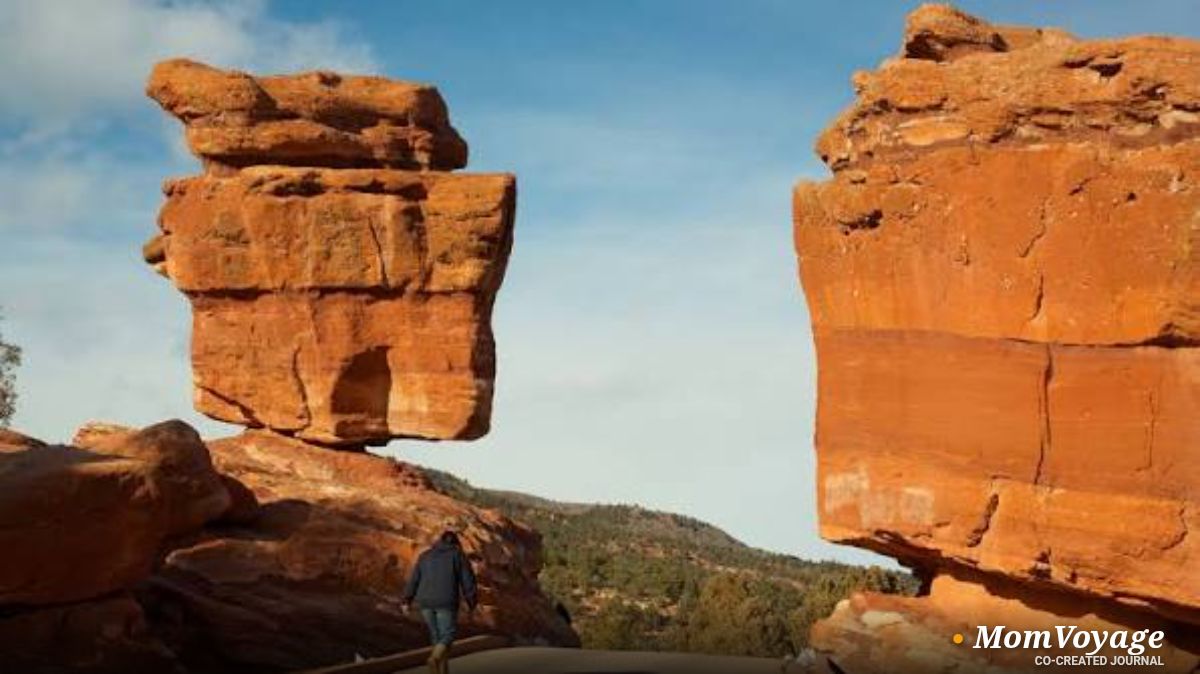
Your epic cross-country odyssey begins in Colorado Springs, a city cradled by the awe-inspiring Pikes Peak and the dramatic red rock formations of Garden of the Gods. Before you set your sights eastward, take a moment to truly absorb the essence of this high-altitude haven. The crisp mountain air, the panoramic vistas, and the sheer scale of the natural wonders here serve as a powerful prelude to the expansive journey ahead. Consider an early morning hike in Garden of the Gods to witness the sunrise paint the sandstone spires in hues of orange and pink – a truly unforgettable spectacle that will fuel your adventurous spirit.
The drive out of Colorado Springs itself is a scenic transition. As you head east, the elevation gradually begins to fall, and the rugged peaks slowly recede in your rearview mirror, replaced by rolling plains. This initial leg of the journey is an introduction to the vastness of the American West. Pay attention to the subtle shifts in landscape, from the foothills dotted with juniper and piñon pine to the more open grasslands that signal your departure from the immediate mountain environment. This is your opportunity to reflect on the grandeur you're leaving behind and to anticipate the unfolding beauty that lies ahead.
Plains of Promise: The Heartland's Enduring Charm
Leaving the Rockies behind, you'll enter the vast expanses of the Great Plains. This is not merely a transition; it's an immersion into the agricultural heartland of America, a landscape defined by its endless horizons and the resilient spirit of its inhabitants. While seemingly homogenous at first glance, the plains reveal their subtle nuances to those who take the time to observe. Vast fields of wheat, corn, and soybeans stretch as far as the eye can see, a testament to human ingenuity and the fertile soil. The sheer scale of these agricultural operations is a humbling sight, a powerful reminder of the nation's capacity to feed itself and the world.
Keep an eye out for charming small towns that punctuate the landscape, each with its own unique history and character. These communities often serve as vital hubs for local agriculture and offer glimpses into a slower pace of life. Consider stopping for a meal at a local diner; the food is often hearty, the people friendly, and the conversations insightful. You'll encounter roadside attractions that celebrate the region's heritage, from giant sculptures of prairie dogs to historical markers detailing the lives of early settlers. Embrace the simplicity and the honest beauty of this often-underappreciated region.
The Crossroads of Culture: Navigating the Midwest's Mosaic
As you continue your eastward trajectory, you'll begin to encounter the vibrant tapestry of the Midwest. This region is a dynamic blend of industrial heritage, agricultural abundance, and a rich cultural mosaic. Depending on your chosen route, you might pass through states like Kansas, Missouri, Illinois, Indiana, and Ohio, each offering a distinct flavor. Here, the landscape begins to subtly shift again, with rolling hills and denser forests starting to appear, signaling your move away from the purely prairie environment.
This is a prime opportunity to explore some of America's iconic cities. Chicago, for instance, offers world-class museums, a stunning architectural skyline, and a vibrant culinary scene. St. Louis, with its Gateway Arch, provides a powerful symbol of westward expansion and a rich musical heritage. Even smaller cities can surprise you with their thriving arts communities, historic districts, and unique local attractions. Don't underestimate the allure of these metropolitan centers; they are crucial threads in the fabric of the American experience, offering a sophisticated counterpoint to the open spaces you've traversed.
Appalachian Ascendancy: A Glimpse of the Old South's Foothills
As you venture further east, the terrain begins a dramatic transformation as you approach the Appalachian Mountains. This ancient mountain range, while not as imposing as the Rockies, offers a rugged beauty and a distinct cultural identity. The landscape becomes more varied, with winding roads, dense forests, and charming mountain towns. This is a region steeped in history, from its Native American roots to its role in early American settlement and industry. The air here feels different – cleaner, perhaps carrying the scent of pine and damp earth.
Consider taking a scenic drive along one of the many byways that weave through the Appalachians. Routes like the Blue Ridge Parkway (depending on your specific path) offer breathtaking vistas and numerous overlooks where you can pause to admire the rolling, tree-covered peaks. Explore small mountain communities that have retained their unique traditions and dialects. You might stumble upon craft shops selling handmade pottery or quilts, or hear the distinct sounds of bluegrass music drifting from a local venue. This leg of the journey provides a tangible connection to a more traditional, often slower-paced, vision of American life.
Echoes of the Old South: The Carolinas' Gentle Allure
Entering the Carolinas marks a significant shift in atmosphere and landscape. You're transitioning into the heart of the Old South, a region characterized by its genteel charm, rich history, and a unique culinary heritage. The dense forests give way to more open fields, interspersed with sprawling estates and historic plantations. The air becomes warmer and more humid, carrying the faint scent of magnolias and salt from the distant coast. This is where the landscape begins to whisper promises of the Lowcountry's unique beauty.
Beyond the natural beauty, the Carolinas are a treasure trove of historical significance. Cities like Charleston, South Carolina, or Asheville, North Carolina, offer opportunities to delve into centuries of American history. Imagine the stories held within the cobblestone streets, the grand antebellum homes, and the historic churches. The region's culinary scene is equally compelling, a fusion of African, Native American, and European influences. Be sure to sample iconic dishes like shrimp and grits, barbecue, and she-crab soup, experiencing the true flavors of the South.
The Lowcountry's Lullaby: Arriving in Enchanting Savannah
Finally, your epic journey culminates in the captivating city of Savannah, Georgia. As you approach the coast, the landscape transforms into the distinctive Lowcountry – a region of marshlands, tidal rivers, and ancient, moss-draped live oaks. The air grows thick with humidity and the distinctive scent of salt and blooming jasmine. Savannah itself is a living museum, a city that seems to have gracefully preserved its past while embracing the present. Its famous historic district, with its meticulously maintained squares and pastel-colored architecture, is a UNESCO World Heritage Site for a reason.
Take your time to wander through Savannah's seventeen historic squares, each with its own unique character and monuments. Stroll down River Street, where you can watch ships glide by and browse the charming shops. Indulge in the city's renowned culinary scene, which showcases the freshest local seafood and traditional Southern fare. From the haunting beauty of Bonaventure Cemetery to the vibrant energy of City Market, Savannah offers a sensory feast that perfectly caps off your cross-country adventure. It's a destination that encourages you to slow down, breathe deep, and savor the enduring magic of the American South.
Reflections on the Road: A Tapestry of American Experience
The drive from Colorado Springs to Savannah is more than just a geographical progression; it's a profound immersion into the diverse fabric of America. You've transitioned from the raw, untamed beauty of the Rockies to the serene, historic charm of the Lowcountry, traversing a vast spectrum of landscapes, cultures, and histories in between. Each mile traveled has offered a new perspective, a different story, and a deeper understanding of this vast and varied nation.
The memories you've collected – the vast plains under an endless sky, the lively conversations in a roadside diner, the scent of pine in the Appalachian foothills, the gentle murmur of the Atlantic coast – are the true souvenirs of this journey. This cross-country route is a testament to the enduring allure of exploration, a reminder that the greatest discoveries often lie just beyond the horizon, waiting to be experienced on the open road. As you depart Savannah, carry with you the rich tapestry of America woven into the miles you've covered.
Journey Highlights
- Scenic Drives: I-70 East, I-24 East, I-16 East - Major Cities Along the Way: Denver, Kansas City, Nashville, Atlanta - Attractions: Rocky Mountains, Gateway Arch, Grand Ole Opry, Historic Savannah - Estimated Driving Time: Approximately 26-30 hours (without stops) - Best Time to Travel: Spring (April-May) or Fall (September-October)
Local Secrets & Insider Tips
Traveler who’s made this exact trek more times than I can count, let me give you the real insider scoop.
Avoiding the Crowds & Finding the Magic:
Kansas City BBQ: Skip the long lines at the most famous spots. Head to Q39 around 2:30 PM on a weekday. You’ll get the full experience without the lunch rush. Order the burnt ends and the tri-tip. Unbeatable. Nashville's Honky Tonks: If you want to experience Broadway without feeling like a sardine, aim for a Tuesday or Wednesday afternoon, between 3 PM and 6 PM. The music is still top-notch, and you can actually hear your friends. For a less rowdy, authentic vibe, check out The Bluebird Cafe (book tickets months in advance) or Robert's Western World for classic country. Atlanta's Traffic: Atlanta is notorious. If you must drive through during peak hours (7-9 AM, 4-7 PM), use Waze religiously and be prepared for detours. Consider staying overnight just outside the city if your schedule allows, or plan your passage for midday.
Hidden Gems & Logistics:
Hidden Viewpoint (near Colorado Springs): Before you even hit I-70, take a slight detour to Garden of the Gods. Go at sunrise – the light on the red rocks is unbelievable, and you'll have the place almost to yourself. Use the less crowded west entrance. The Unexpected Stop: Between Kansas City and Nashville, consider a stop in St. Louis, Missouri. Instead of just the Gateway Arch (which is great, but busy), visit the City Museum. It's an architectural marvel made from reclaimed materials – totally unique and fun for all ages. Arrive right when they open at 10 AM. Savannah's Secret: Most people flock to River Street. For a truly peaceful experience, visit Wormsloe Historic Site at sunrise or sunset. The iconic avenue of oaks is magical, and the early/late hours mean fewer people. Also, seek out The Olde Pink House for dinner, but make reservations weeks in advance and ask for a table in the basement tavern for a more intimate feel. Their fried green tomatoes are legendary. Logistical Pitfall: Gas stations can be sparse on certain stretches of I-70 in Eastern Colorado and Kansas. Fill up whenever you see a well-serviced station, especially if your fuel gauge is approaching half-full. Don't wait until the last minute.
Common Questions
Frequently Asked Questions
Q: What is the best time of year for this road trip? Spring and Fall offer the most pleasant weather across the entire route, avoiding the extremes of summer heat and winter snow.
Q: How many days should I allocate for this trip? While the driving can be done in about 3-4 days, allocating 7-10 days allows for exploration of key cities and attractions along the way.
Q: Are there any significant tolls on this route? Tolls can be encountered, particularly in the Midwest and on certain stretches approaching Savannah. It's advisable to have an E-ZPass or similar transponder, or be prepared for cash payments.
Q: What kind of vehicle is best suited for this trip? A comfortable sedan or SUV is ideal. Ensure your vehicle is well-maintained, especially tires and brakes, given the varied terrain and distances.