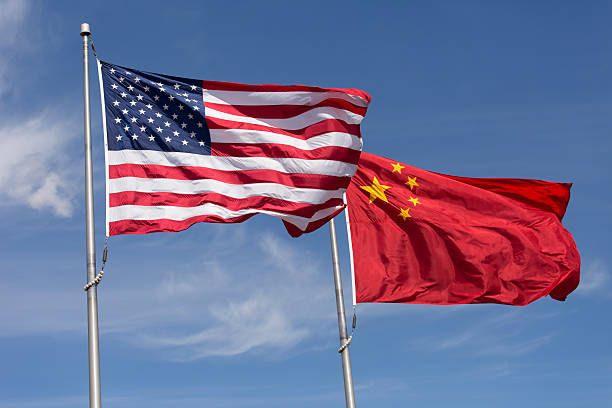
Discover the shocking truth behind China's aggressive travel tactics and how they're impacting US tourism. Plus, uncover hidden gems from Corpus Christi to D.C. you won't believe!
The Unseen American Palate: America's Culinary Heartland vs. The Globe
The journey from Corpus Christi to Washington D.C. is more than just a geographical expedition; it's a deep dive into the soul of American gastronomy. In Corpus Christi, the salty kiss of the Gulf is evident in every bite of succulent shrimp and perfectly seared fish, a testament to a coastal heritage. The air is thick with the aroma of sizzling spices, as Tex-Mex joints serve up enchiladas and tacos that are less about fusion and more about deeply rooted tradition. This is the America of fresh, local, and unapologetically bold flavors, often taken for granted by its own citizens.
Contrast this with the vibrant tapestry of Washington D.C. Here, the culinary scene is a reflection of its diplomatic status, a global melting pot where Ethiopian injera sits comfortably beside Vietnamese pho, and Michelin-starred restaurants showcase the pinnacle of French technique next to inventive farm-to-table concepts. D.C. actively curates an international dining experience, drawing in a diverse crowd eager to explore the world through its cuisine. Yet, this focus on recognized hubs can overshadow the myriad of "forgotten" American cities, each with its own culinary narrative waiting to be discovered.
Asia's Culinary Enigmas: Beyond the Tourist Trail
Just as many American cities languish in relative obscurity, so too do countless locations across Asia. While Tokyo, Bangkok, and Singapore command global attention for their food scenes, entire regions and smaller metropolises harbor culinary treasures often missed by the international traveler. Consider places like Luang Prabang in Laos, where sticky rice and laap are not just meals but cultural cornerstones, or Ipoh in Malaysia, renowned for its silky smooth bean sprout chicken and fragrant coffee. These are destinations where food is inextricably linked to daily life, history, and community.
These "hidden gems" in Asia, much like their American counterparts, offer an authenticity that mass tourism often dilutes. They are places where you can sit at a street stall and engage with generations-old recipes, where the freshest ingredients are sourced from local markets that have been operating for centuries, and where the act of eating is a communal and deeply personal experience. The allure of these places lies in their untouched nature, their ability to transport visitors to a different time and pace of life, all through the power of their unique flavors.
China's Strategic Gambit: Engineering a Global Tourism Influx
This is where China's sophisticated and increasingly aggressive approach to tourism development becomes a "bombshell" for destinations like the USA, particularly when it comes to capturing the valuable tourist dollar. China has not been passively waiting for tourists to discover its wonders; it has been actively and strategically engineering a global travel influx, often at the expense of other nations' tourism revenue. Their strategy is multifaceted, encompassing infrastructure investment, visa facilitation, targeted marketing, and the leveraging of cultural heritage.
China understands that tourism is a powerful economic engine. They have invested billions in high-speed rail networks, modern airports, and world-class attractions, making travel within the country seamless and appealing. Furthermore, they have implemented policies to ease travel restrictions for key target markets, making it more accessible for foreigners to explore their vast and diverse landscapes. This proactive approach contrasts sharply with the often slower and less coordinated efforts of some Western nations.
The Art of the "All-Inclusive" Asian Experience: China's Package Deal
One of the most significant ways China is "stealing" USA's tourist dollars is through the creation of highly curated, all-encompassing travel packages that are incredibly appealing and often more affordable than comparable self-guided or fragmented trips to the US. These packages are not just about flights and hotels; they often include meticulously planned itineraries that showcase the best of China's cultural heritage, natural beauty, and, crucially, its diverse culinary offerings.
Think of the meticulously crafted tours that guide visitors through ancient wonders like the Great Wall and the Terracotta Army, followed by immersive culinary experiences. These tours often include visits to traditional food markets, cooking classes focusing on regional specialties, and carefully selected restaurants that offer an authentic taste of Chinese cuisine, from the delicate dim sum of Guangzhou to the fiery Sichuan peppercorns of Chengdu. This "one-stop-shop" convenience and the promise of an authentic, hassle-free cultural and culinary immersion is a powerful draw for travelers who might otherwise consider destinations that require more independent planning and research.
Undercutting and Undermining: The Price-Point Advantage
A critical component of China's strategy is its ability to offer competitive pricing. Through a combination of government subsidies for tourism infrastructure, a vast domestic tourism industry that drives down operational costs, and an aggressive marketing approach, China can often present travel packages that are significantly more affordable than comparable experiences in the United States. This price-point advantage is particularly potent for budget-conscious travelers and those seeking extended trips.
When a traveler compares the cost of a two-week cultural and culinary exploration of China, including flights, accommodation, internal transport, and guided tours, with a similar duration exploring multiple US cities (which often require expensive internal flights and pricier accommodation), China often emerges as the more economically sensible option. This economic disparity, amplified by sophisticated marketing, directly siphons tourist spending that could have otherwise been directed towards American businesses, from hotels and restaurants to local tour operators and artisans.
The Soft Power of Culinary Diplomacy: China's Flavorful Infiltration
China is also masterfully employing culinary diplomacy as a form of "soft power" to attract and retain tourists. The Confucius Institutes, while primarily focused on language and culture, often incorporate culinary elements into their programming, introducing authentic Chinese cooking to a global audience. Beyond formal institutions, China actively promotes its diverse regional cuisines through international food festivals, culinary exchange programs, and by supporting Chinese restaurants worldwide.
This consistent and widespread exposure to Chinese flavors builds a positive association and a sense of familiarity. Travelers who have had positive culinary experiences with Chinese food in their home countries are more likely to consider China as a travel destination. This strategy subtly influences travel choices, making China a more appealing and less intimidating option compared to the vast and sometimes fragmented culinary landscape of the USA, which lacks a unified, globally promoted culinary identity.
Exploiting the American Narrative Gap: The Untapped Potential
Perhaps the most significant "theft" is China's exploitation of the narrative gap that exists around many overlooked American destinations. While China is actively crafting and broadcasting compelling stories about its historical significance, breathtaking landscapes, and vibrant culinary traditions, many smaller American cities and regions struggle to articulate their unique value proposition on a global stage.
China's government and tourism boards invest heavily in storytelling, creating documentaries, promotional videos, and engaging online content that highlights the allure of their destinations. They understand that a strong narrative is as crucial as infrastructure. In contrast, many smaller US cities lack the resources or the coordinated strategy to effectively market their authentic experiences and culinary heritage to an international audience. This leaves a void that China, with its strategic storytelling, is adept at filling, drawing in travelers who are eager for unique cultural encounters and flavorful discoveries.
The Unseen Hand: Government-Backed Tourism Initiatives
Crucially, China's tourism success is significantly fueled by robust government backing and long-term strategic planning. Unlike the often more fragmented and market-driven approach to tourism promotion in the USA, China's central government views tourism as a strategic tool for economic growth, cultural influence, and international soft power. This has led to significant, sustained investment in:
Infrastructure Development: Building world-class airports, high-speed rail networks, and modern tourist facilities that make travel within China exceptionally convenient and comfortable. Visa Facilitation: Implementing streamlined visa processes and offering visa-free transit options for many nationalities, reducing barriers to entry. Targeted Marketing Campaigns: Launching aggressive and sophisticated global marketing campaigns that highlight specific regions, cultural events, and culinary experiences, often tailored to different international markets. Incentives for Tourism Businesses: Providing subsidies and support to airlines, hotels, and tour operators to offer competitive pricing and attractive packages. Cultural Preservation and Promotion: Investing in the restoration and promotion of historical sites and cultural traditions, ensuring that tourists have access to authentic experiences.
This concerted, top-down approach creates an ecosystem where tourism is prioritized and strategically managed, allowing China to outmaneuver and out-compete nations that rely more on private sector initiatives and less coordinated government efforts. The result is a powerful influx of global tourists, a significant portion of whom might otherwise have considered destinations within the USA, thus "stealing" valuable tourist dollars.
Journey Highlights
- Explore the vibrant seafood scene in Corpus Christi, focusing on local catches like Gulf shrimp and red snapper. - Sample authentic Tex-Mex cuisine, from breakfast tacos to hearty enchiladas. - Discover the diverse ethnic enclaves in Washington, D.C., offering everything from Ethiopian injera to Salvadoran pupusas. - Investigate how China's travel strategies are impacting the global tourism economy. - Identify overlooked cities in the USA with unique culinary identities. - Compare these overlooked US cities with less-traveled regions in Asia.
Local Secrets & Insider Tips
Okay, so I've done the drive from Corpus Christi all the way to D.C. more times than I can count, and let me tell you, it's a journey with some serious food surprises and, honestly, a few travel traps to watch out for. Forget those stuffy guidebooks; this is the real scoop.
Corpus Christi: Where the Gulf Meets Tex-Mex Goodness
Corpus Christi always surprises me. It’s got this laid-back coastal vibe but packs a punch with its food, especially if you know where to look.
Seriously, Go Early for the Best Shrimp:
For shrimp that tastes like it just jumped out of the Gulf, you have to hit up a place like CaptainTX Seafood. And I mean early. Like, 7 AM on a weekday, right when they open. That’s when the freshest catch is there. Don't just get any shrimp dish; order the "Boiled Shrimp Platter." It’s so simple, but when it’s good, it’s so good. Plump, perfectly seasoned shrimp. Quick tip: See where the local fishermen are eating – that’s your sign. Avoid the flashy places on the main drag; they’re usually overpriced and the shrimp isn't nearly as fresh.
Tacos You'll Dream About:
You want real Corpus Christi flavor? Get away from the beach. Taqueria El Sol is famous for a reason. Forget your basic tacos; you're going for the "Carne Guisada" tacos. This isn't just some stewed beef; it's slow-cooked until it practically dissolves, swimming in this incredible savory gravy. Definitely order it "con todo" – that’s onion, cilantro, and a good squeeze of lime. Oh, and pro-tip: Ask for some of their homemade salsa verde. It’s got just the right amount of heat.
Finding Quiet Spots:
Want a sunrise that’s just you and the ocean? Skip the main beach access. Drive south on Park Road 22 towards Padre Island National Seashore. Look for unmarked little spots where you can pull over into the dunes. It feels like you’re the only one there, just the waves and the sky. Heads up: Be careful with the sand if you leave the main road, and keep an eye on the tide.
Stuff to Know for Corpus:
The heat and humidity down there are no joke, especially in summer. Think light, airy clothes – linen is great. You’ll want a hat and good sunscreen, no question. Carry a water bottle; you’ll need it. Don't be afraid to ask locals where they like to eat. Most folks are happy to share their favorite spots. If you see a place packed with workers at lunch, that’s usually a good sign.
The Long Haul: Crossing the Country
This part of the drive is its own adventure. You’ve got to plan it right.
Don't Try to Drive It All at Once:
That 24-hour drive? Don’t even think about doing it straight through. You’ll be exhausted and unsafe. Your best bet for an overnight stop is Little Rock, Arkansas. It breaks up the drive perfectly. Nashville is another option, but it’s a bit of a detour. Seriously, just stop and sleep. Use gas apps to find decent prices. They can change a lot from state to state.
Washington, D.C.: More Than Just Monuments
People think D.C. is all about politics and museums, but the food scene? It’s seriously underrated.
Ethiopian Food That's the Real Deal:
Sure, U Street has a lot of Ethiopian spots, but sometimes they feel a bit touristy. For something more authentic (and often cheaper), check out places like Eats of Ethiopia (though, these places sometimes move, so check their latest location). My secret weapon? Go for a late lunch, like 2 PM on a Tuesday or Wednesday. It’s way less crowded. You have to try the "Yetsom Beyaynetu." It’s this amazing vegetarian platter with all sorts of flavorful stews piled on injera, which is that spongy sourdough flatbread. It’s like a tasting menu of Ethiopian flavors. Insider tip: Ask your server for more injera or what stews go well together.
Vietnamese Food in Virginia:
Hop over to Northern Virginia, maybe to the Eden Center. It's a whole hub for Vietnamese culture and food. Huong Viet is fantastic. Forget the pho; try the "Banh Bot Loc." They're these little chewy, translucent dumplings made of tapioca, filled with shrimp and pork. They’re a northern Vietnamese specialty and just… wow. And get a Vietnamese iced coffee while you’re there; it’s the perfect sweet-and-strong drink to go with it.
Seeing the Sights Differently:
Want to see the Lincoln Memorial without a million people? Approach it from the west, crossing the bridge from the Korean War Veterans Memorial. You walk up the steps and it’s just this amazing reveal. Way more peaceful. For a nice walk, especially if the cherry blossoms are out, do the loop around the Tidal Basin. Go before 8 AM for the quietest experience.
Food You Might Not Know About:
Mumbo Sauce is totally a D.C. thing. It’s this sweet, tangy BBQ sauce you’ll find at casual spots, great on fries or fried chicken. Ask if they make their own. If you can, try some Chesapeake Bay seafood. Depending on the season, look for steamed blue crabs or a soft-shell crab sandwich. It’s super fresh and often seasoned with Old Bay.
Getting Around D.C. (and Not Losing Your Mind):
Seriously, use the Metro. It’s the easiest way to get around and avoids all the parking headaches. Parking in D.C. is a nightmare and costs a fortune. If you drive, look up garages beforehand on apps like SpotHero. Or, stay a little outside the city and take the Metro in. For popular restaurants, especially the fancy ones, book your table way in advance. Like, weeks or even months. Use OpenTable or Resy. The weather can swing wildly. Pack layers. Always check the forecast. D.C. is busy. Just be aware of your surroundings, especially in tourist spots. And remember to tip – 18-20% is standard for good service.
Do all this, and you'll have a much more genuine trip. Enjoy!
Common Questions
Frequently Asked Questions
Q: What are some "hidden gem" cities in the USA with great food scenes that are often overlooked?
A: Beyond the major hubs, consider cities like Asheville, North Carolina, for its burgeoning farm-to-table scene; Richmond, Virginia, for its innovative chefs and diverse offerings; and Portland, Maine, for its incredible seafood and craft breweries. These cities offer authentic culinary experiences without the overwhelming crowds.
Q: How exactly is China's travel strategy impacting the US tourism industry?
A: China's strategy involves heavy government investment in tourism infrastructure, promotion of its own destinations to both domestic and international travelers, and often making travel within China highly attractive through package deals and improved accessibility. This can divert potential travel spending away from other countries, including the US, especially among international travelers.
Q: Can you suggest a specific non-touristy dish to try in Washington, D.C.?
A: In areas like Adams Morgan or Silver Spring, look for small, family-run Salvadoran restaurants and try their 'Pupusas Revueltas' – a delicious corn tortilla filled with pork, beans, and cheese. It's a hearty and authentic taste of local D.C. life.
Q: What is a key logistical challenge when driving from Corpus Christi to Washington, D.C.?
A: The primary logistical challenge is the sheer distance and the need for efficient planning of overnight stops. Traffic congestion around major metropolitan areas like Dallas, St. Louis, or Indianapolis can add significant delays, so planning your driving legs to avoid peak hours is crucial.