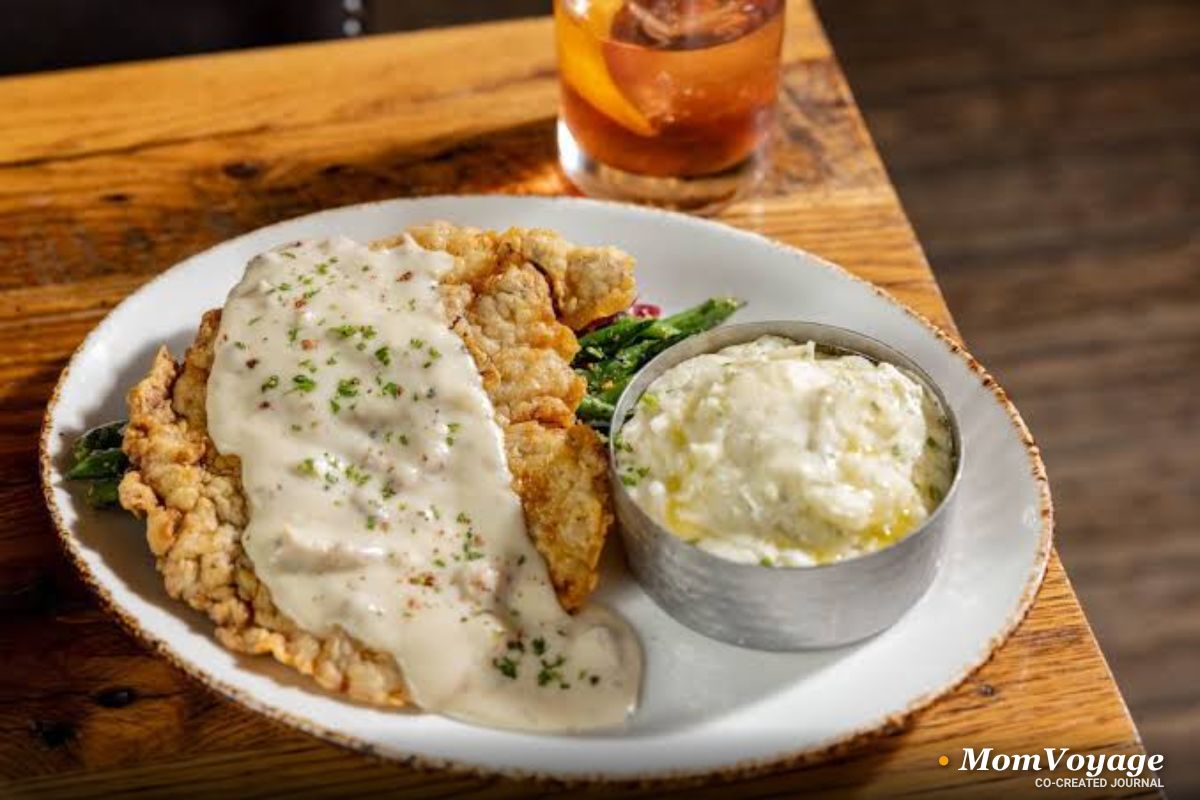
Master the art of Dallas's iconic Chicken Fried Steak. This guide reveals the authentic recipe and expert tips for a truly Texan culinary experience.
The Art of the Perfect Dallas Chicken Fried Steak
Chicken Fried Steak is more than just a meal in Dallas; it's a culinary institution, a beloved comfort food that embodies the heartiness and flavor of Texas. This guide will walk you through recreating this Texan classic with authentic flavor and technique, ensuring a crispy, tender, and deeply satisfying experience that will transport you straight to a classic Dallas diner. We'll delve beyond the basics, exploring the nuances that elevate a good chicken fried steak to an extraordinary one.
Understanding the Core Components: Steak and Dredging
The foundation of an exceptional chicken fried steak lies in the quality of the meat and the precision of the dredging process. For the steak, we recommend starting with about 1.5 pounds of cube steak. Cube steak is ideal because it’s already mechanically tenderized, ensuring a tender bite every time. If you can’t find cube steak, a well-tenderized top sirloin or round steak, pounded thin and then lightly scored, will also work beautifully. The key is to have a steak that is relatively thin, no more than about 1/2 inch thick, so it cooks through evenly and quickly without drying out.
The dredging process is where the magic of that iconic crispy crust begins. We’ll be using a seasoned flour mixture. Gather 2 cups of all-purpose flour, and to this, add 1 tablespoon of salt, 1 tablespoon of freshly ground black pepper, 2 teaspoons of paprika for a touch of warmth and color, 1 teaspoon of garlic powder, and 1 teaspoon of onion powder. This blend creates a savory base that clings beautifully to the steak and develops a golden-brown crunch when fried.
The Wet Mixture: Ensuring Adhesion and Flavor
To achieve that perfectly adhered coating, a wet mixture is crucial. In a separate shallow dish or bowl, whisk together 2 large eggs with 1/4 cup of milk. This simple combination provides the perfect adhesive for the seasoned flour. The milk not only helps to emulsify the eggs, creating a smoother batter, but also adds a subtle richness to the coating. Some cooks swear by adding a splash of hot sauce to this mixture for an extra layer of flavor, so feel free to experiment if you desire a little kick. The goal here is a smooth, emulsified mixture that will coat the steak evenly, allowing the flour to stick without clumping.
The Dredging Technique: Building Layers of Crispiness
This is where the true art of chicken fried steak comes into play. Take your prepared steak and first dip it thoroughly into the seasoned flour mixture, ensuring it's completely coated on all sides. Shake off any excess flour. Next, dip the floured steak into the egg and milk mixture, letting any excess drip back into the bowl. Immediately return the wet steak to the seasoned flour, pressing the flour gently to create a thick, even coating. Some chefs advocate for a double dredge – dipping it back into the egg wash and then the flour again – for an extra-thick, shatteringly crisp crust. Whichever method you choose, ensure the entire surface of the steak is covered. Let the dredged steaks rest on a wire rack for about 5-10 minutes before frying. This resting period allows the coating to adhere better and prevents it from falling off during the frying process.
Frying to Golden Perfection: Achieving the Ideal Texture
The frying stage is critical for that signature crunch. You'll need vegetable oil or shortening for frying, enough to fill your pan to about 1/2 inch deep. Heat the oil in a heavy-bottomed skillet (cast iron is ideal) over medium-high heat until it reaches about 350°F (175°C). If you don't have a thermometer, you can test the oil by dropping a tiny bit of the flour mixture into it; it should sizzle immediately and float to the surface. Carefully place the dredged steaks into the hot oil, being careful not to overcrowd the pan. Fry for about 3-5 minutes per side, or until deeply golden brown and crispy. The exact time will depend on the thickness of your steak. Use tongs to flip them and ensure even cooking. Once fried, remove the steaks from the pan and place them on a wire rack set over a baking sheet to drain any excess oil. This keeps them crispy and prevents them from becoming soggy.
Crafting the Essential Creamy Gravy
No chicken fried steak is complete without a generous ladleful of creamy white gravy. This is where the flavor of the fried steak truly shines. After frying the steaks, carefully pour out most of the hot oil, leaving behind about 1/4 cup of flavorful pan drippings in the skillet. If you don't have enough drippings, you can supplement with butter. Place the skillet back over medium heat. Whisk in 1/4 cup of all-purpose flour with the drippings, stirring constantly for about 1-2 minutes to cook out the raw flour taste and create a roux. Gradually whisk in 3 cups of milk, preferably whole milk for its richness. Continue whisking until the gravy thickens and becomes smooth. Season generously with salt and freshly ground black pepper to taste. The goal is a thick, velvety gravy that coats the back of a spoon.
Serving Suggestions: Completing the Dallas Experience
To complete the authentic Dallas chicken fried steak experience, serve the golden-brown, crispy steaks immediately, generously smothered in the hot, creamy white gravy. Traditional accompaniments include creamy mashed potatoes, which provide the perfect vehicle for soaking up all that delicious gravy. A side of steamed green beans or a simple garden salad can offer a fresh counterpoint to the richness of the dish. For a true diner feel, consider serving with a side of buttered toast to mop up any lingering gravy. This dish is best enjoyed hot, shared with friends and family, as a true taste of Dallas hospitality.
Journey Highlights
- Select well-tenderized cube steak or pound whole cuts to 1/4-inch thickness. - Create a two-step breading process: first egg wash, then seasoned flour. - Ensure frying oil is at the correct temperature (350°F/175°C) for optimal crispiness. - Don't overcrowd the pan when frying. - Use reserved pan drippings for the most authentic gravy flavor. - Gradually add milk to the roux for a smooth, lump-free gravy.
Local Secrets & Insider Tips
As a Dallas native who's eaten more Chicken Fried Steak than I care to admit, let me share some insider secrets to elevate your experience beyond just the recipe.
Timing and Crowds: For the quintessential Dallas experience, especially at classic diners known for their CFS, aim for off-peak hours. This means mid-morning (around 10:00 AM) on a weekday, after the breakfast rush but before the lunch crowd, or a late afternoon slot (around 3:00 PM). Avoid weekend brunch times (9 AM - 1 PM) and typical dinner hours (6 PM - 8 PM) at popular spots like Maple Leaf Diner or Lucky's Cafe if you want a relaxed meal.
Hidden Gems & Viewpoints: While not directly tied to CFS, exploring Dallas's culinary scene means venturing beyond the obvious. For a different perspective on local flavor, try a hole-in-the-wall Tex-Mex joint away from the tourist centers. Think about places like El Fenix (original location) for its historic ambiance or Mia's Tex-Mex for their legendary Bob Armstrong Dip. The 'hidden gem' aspect of Dallas dining often lies in these unpretentious, long-standing establishments.
Must-Order Dishes (Beyond CFS): If you're at a place renowned for CFS, don't be afraid to explore their other specialties. At Maple Leaf Diner, their Butter Tart is legendary and a must-try dessert. At Lucky's Cafe, their Migas Tacos are a fantastic breakfast/brunch option that rivals their CFS. For a truly local, non-touristy experience, seek out places serving authentic Kolaches (savory or sweet) from Czech bakeries tucked away in older neighborhoods – a nod to the diverse culinary heritage.
Logistical Pitfalls: 1. Parking: Many classic diners are in older parts of town with limited or street parking. Arrive a bit early to circle the block or be prepared for a short walk. 2. Reservations: Most traditional diners don't take reservations. Be prepared for a potential wait, especially on weekends. Patience is key! 3. Portion Sizes: Chicken Fried Steak is notoriously hearty. Order an appetizer only if you're exceptionally hungry, or be prepared for delicious leftovers. Many places offer half-portions which are still substantial. 4. Spice Levels: While CFS itself isn't spicy, the accompanying gravy can vary. If you're sensitive to pepper, ask your server about the gravy's seasoning. For a kick, many locals add hot sauce like Cholula or Valentina.
Common Questions
Frequently Asked Questions About Chicken Fried Steak
Q: What is the best cut of beef for Chicken Fried Steak? A: Traditionally, cube steak is used because it's already tenderized. However, tenderized top sirloin or round steak also works very well. The key is ensuring the meat is tender and pounded to about 1/4-inch thickness.
Q: How do I get a really crispy coating? A: Make sure your oil is hot enough (around 350°F/175°C) before adding the steak, and don't overcrowd the pan, as this lowers the oil temperature. Frying in batches is crucial. Also, letting the breaded steaks rest for a few minutes before frying can help the coating adhere better.
Q: My gravy is lumpy. How can I fix it? A: The best way to avoid lumps is to gradually whisk in the milk after making the roux. If lumps do form, you can try whisking vigorously or carefully running the gravy through a fine-mesh sieve. Ensure the heat is low when adding the milk initially.
Q: Can I make Chicken Fried Steak ahead of time? A: While best served fresh, you can prepare the steaks up to the breading stage and refrigerate them. Fry them just before serving. The gravy can also be made ahead and gently reheated, though it may require a little extra milk to reach the right consistency.