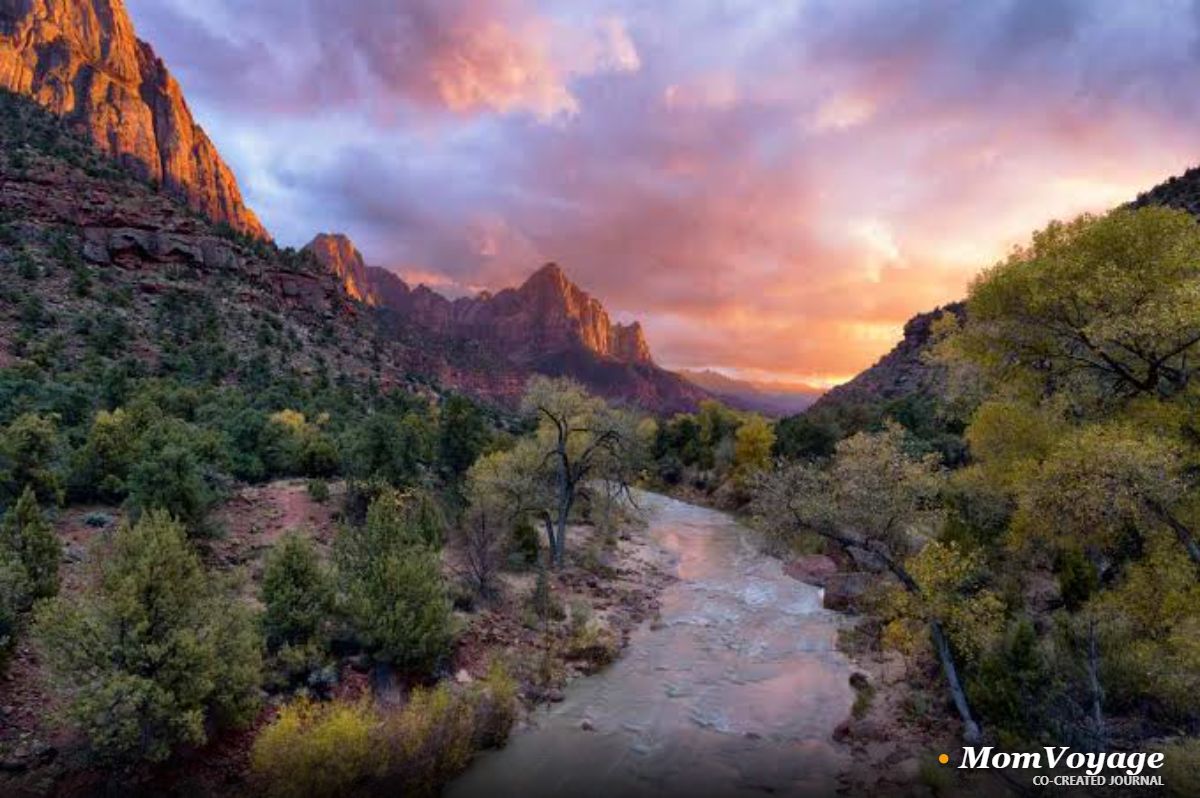
Discover Denver's surprising hidden gems and the incredible outdoor adventures waiting just beyond the city. Your insider guide to exploring nature's wonders near the Mile High City.
Denver, Colorado, often lauded as the gateway to the majestic Rocky Mountains, holds a multitude of secrets far beyond its iconic peaks. While its proximity to world-class skiing and hiking is undeniable, the Mile High City itself and its immediate surroundings offer a treasure trove of hidden gems and outdoor activities that often go unnoticed by the casual visitor. This guide delves into the less-traveled paths, showcasing the natural beauty and unique experiences that make Denver a destination in its own right, not just a launching pad.
The Urban Oasis: Denver's Unsung Green Spaces
While the allure of the Rockies is powerful, Denver boasts an impressive network of urban parks and natural areas that offer immediate respite and adventure without venturing far. These aren't just manicured lawns; many provide genuine natural experiences and a surprising array of wildlife.
Washington Park (Wash Park): Often considered Denver's "Central Park," Wash Park is far more than just a place for jogging. Its two large lakes, the Forbes and Grasmere, are popular for paddleboarding and kayaking in warmer months, and offer scenic beauty year-round. The park is crisscrossed with paved and unpaved trails, perfect for cycling, rollerblading, or simply a leisurely stroll. Birdwatching is surprisingly rewarding here, with various waterfowl and songbirds frequenting the area. The diverse flora, including mature trees and vibrant flower gardens, provides a beautiful backdrop for photography and quiet contemplation. Don't miss the historic boathouse or the opportunity to rent a pedal boat on a sunny afternoon.
Cheyenne Mountain State Park (Near Colorado Springs, but a popular day trip): While technically outside of Denver proper, this state park is an accessible and fantastic day trip for those seeking a more rugged, yet still close, natural escape. It offers over 27 miles of trails that wind through grasslands, ponderosa pine forests, and along the foothills of Cheyenne Mountain. Hiking, biking, and horseback riding are popular activities. The park is renowned for its abundant wildlife, including elk, mule deer, wild turkeys, and a variety of birds of prey. The summit of Cheyenne Mountain offers panoramic views of Colorado Springs and the surrounding plains, a rewarding vista for those who make the climb. The park also features a shooting range and camping facilities, extending its appeal for a longer outing.
Bear Creek Trail System: This extensive network of trails follows Bear Creek from Denver into the foothills, offering a surprisingly wild experience within a relatively urban corridor. The trails are a mix of paved and natural surfaces, catering to a variety of skill levels for hiking, biking, and running. You can find serene stretches with babbling brooks, dense riparian areas, and open meadows. Keep an eye out for deer, coyotes, and numerous bird species. The beauty of this system is its connectivity, allowing for long, continuous adventures or shorter, more focused excursions. It’s a prime example of how nature can thrive even close to a major city.
Gateway to the Foothills: Red Rocks and Beyond
Just a short drive west of Denver lies a dramatic transition zone, where the plains meet the rugged beauty of the foothills. This area is not only home to world-famous landmarks but also offers numerous lesser-known natural attractions.
Red Rocks Park and Amphitheatre: While the amphitheater itself is internationally recognized for its concerts, the surrounding park is a natural wonderland deserving of exploration. The iconic red sandstone formations are geological marvels, sculpted by millions of years of erosion. Hiking trails weave through the park, offering stunning vistas of the rock formations, the Denver skyline, and the distant plains. The Trading Post Trail is a popular choice for a moderately challenging hike that takes you past some of the most impressive rock formations. The geological history of the area is palpable, and the sheer scale of the rocks is awe-inspiring. It’s a place where nature’s artistry is on full display.
Matthews/Winters Park: Adjacent to Red Rocks, this park offers a more rugged and less crowded hiking experience. The trails here are steeper and more challenging, rewarding hikers with incredible views and a greater sense of solitude. The park is home to a variety of native flora and fauna, and its geological features are just as dramatic as those in Red Rocks. It's a fantastic option for those who want to experience the foothills' raw beauty without the crowds.
Lookout Mountain: Offering one of the most iconic views of Denver and the surrounding plains, Lookout Mountain is a must-visit. Beyond the panoramic vistas, the area is rich with natural beauty. The drive up is scenic, and there are various trails for hiking and biking. The Buffalo Bill Museum and Grave is a notable historical site, but the natural allure of the mountain itself, with its diverse plant life and potential for wildlife sightings, is equally compelling. The cooler mountain air provides a welcome escape from the city's heat in the summer.
The Front Range's Untamed Heart: State Parks Within Reach
Denver's true secret lies in its immediate proximity to state parks that offer a more wild and immersive natural experience, perfect for day trips and weekend adventures. These parks preserve significant natural landscapes and provide a habitat for a diverse range of wildlife.
Golden Gate Canyon State Park: This expansive park, a short drive from Denver, feels worlds away from urban life. It boasts over 35 miles of hiking trails that traverse aspen groves, ponderosa pine forests, and rocky outcrops. The park offers a variety of landscapes, from lush meadows to steep canyons, making it a haven for hikers, mountain bikers, and nature photographers. Keep an eye out for elk, mule deer, black bears, and a plethora of bird species. The park’s name hints at its geological significance, with dramatic rock formations and canyons. Renting a cabin or camping here allows for a truly immersive experience in the Colorado wilderness.
Roxborough State Park: Known for its dramatic red rock formations that rise vertically from the landscape, Roxborough offers a visually stunning and geologically unique hiking experience. The Fountain Valley Trail is a popular, relatively easy hike that showcases the park's towering sandstone spires, hogbacks, and mesas. The contrast between the vibrant red rocks, the blue sky, and the surrounding green vegetation is breathtaking. The park is also a crucial habitat for several endangered and threatened plant and animal species, emphasizing its ecological importance. Birdwatching is excellent here, and the sense of ancient geological power is profound.
Staunton State Park: As Colorado's newest state park, Staunton offers a pristine and relatively undeveloped natural experience. It features a diverse landscape with granite domes, waterfalls, and high alpine meadows. Over 25 miles of trails provide opportunities for hiking, mountain biking, and horseback riding, ranging from gentle strolls to strenuous climbs. The park is a prime location for wildlife viewing, with opportunities to spot elk, deer, bighorn sheep, and various birds of prey. The park's elevation provides cooler temperatures and stunning mountain vistas, making it an ideal escape during warmer months.
The Controversial Beauty: Uncovering Denver's Less-Than-Sanitized Natural Spaces
While the curated beauty of state parks is undeniable, Denver’s “secret side” also encompasses areas that, while undeniably natural and beautiful, harbor a certain raw, untamed, and sometimes even controversial character. These are places where nature’s cycle of life and death is on full display, and where human interaction with the environment can be complex and even challenging.
The South Platte River Trail (The "Junk" Sections): The South Platte River, often lauded for its urban greenway development, has sections that are far less pristine. While the paved trails are popular for recreation, venturing off the beaten path, particularly in the industrial areas or further east, reveals a different side of the river's ecosystem. Here, the river is a lifeline for a surprising variety of urban wildlife: raccoons, coyotes, various waterfowl, and even raptors have adapted to this more gritty environment. The controversial aspect arises from the visible human impact – discarded items, graffiti, and evidence of transient populations – alongside the undeniable resilience of nature. It’s a stark reminder of the intersection between urban development and the natural world, a place that challenges conventional notions of beauty and wilderness. Exploring these sections requires a mindful approach, acknowledging both the ecological significance and the social realities. It’s a raw, unfiltered glimpse into an ecosystem constantly negotiating human presence.
Abandoned Mining Areas in the Foothills: West of Denver, remnants of past mining operations dot the landscape. While many are officially off-limits due to safety hazards, their proximity and visibility offer a glimpse into a more rugged, historical, and ecologically altered environment. These areas, often overgrown with hardy pioneer plants and attracting specific types of wildlife that thrive in disturbed habitats, present a complex narrative. The scars of human industry are etched into the land, yet nature is inexorably reclaiming them. The controversy lies in the inherent dangers of exploring such sites and the ethical considerations of disturbing potentially contaminated land. However, from a distance, or with extreme caution and adherence to regulations, these areas showcase the persistent power of nature to adapt and endure, even in the face of significant environmental disruption. It’s a beauty found in resilience and the slow march of time.
Urban Wildlife Sanctuaries (Often Unmarked): Beyond designated parks, many urban natural areas, drainage ditches, and undeveloped lots in Denver serve as de facto wildlife sanctuaries. These are the forgotten corners where coyotes den, where foxes hunt, and where a surprisingly diverse array of birds find refuge. The "controversy" here is often the lack of formal recognition and protection, making these spaces vulnerable to development. However, their existence highlights the adaptability of wildlife and the importance of even small, fragmented green spaces within a cityscape. Observing a family of foxes navigating suburban backyards or spotting a hawk perched on a power line is a testament to nature’s tenacity. These are the unsung heroes of Denver’s ecological landscape, a secret network of life thriving in the shadows of human activity.
The High-Altitude Escape: Adventures Above the City
While Denver itself is at a mile high, venturing slightly higher opens up a world of alpine beauty and adventure that feels distinctly separate from the urban sprawl. These destinations offer a taste of the true Rocky Mountain experience without demanding extended travel.
Mount Falcon Park: Located just west of Denver, this park offers a network of trails with dramatic elevation changes and stunning views. The iconic castle ruins atop the park are a historical curiosity, but the real draw is the natural beauty. Hikers can ascend to viewpoints offering panoramic vistas of Denver, the foothills, and the surrounding mountains. The trails wind through diverse terrain, from dense forests to open meadows, and are popular with hikers, trail runners, and mountain bikers. Wildlife sightings, including elk and deer, are common. The park’s accessibility makes it a perfect spot for a challenging day hike with rewarding scenery.
Genesee Park: Part of Denver's extensive Mountain Parks system, Genesee Park is a large, forested area offering a genuine wilderness feel relatively close to the city. It's home to the largest herd of plains bison in Colorado, often seen grazing in open meadows. Driving through the park offers opportunities to spot these magnificent animals, as well as elk and deer. Several hiking trails provide access to different parts of the park, allowing for exploration of its wooded canyons and scenic overlooks. The park’s natural beauty and abundant wildlife make it a compelling destination for those seeking a more authentic mountain experience.
Evergreen Lake and Surrounding Trails: A short drive into the foothills brings you to the picturesque Evergreen Lake. The lake itself is a hub for activity, with opportunities for kayaking, paddleboarding, and fishing in the warmer months, and ice skating in the winter. Surrounding the lake are numerous trails that wind through the Roosevelt National Forest and into the charming town of Evergreen. These trails offer a mix of gentle walks and more challenging hikes, often leading to scenic overlooks or through dense pine forests. The fresh mountain air and the tranquility of the lake provide a perfect escape from the city.
Rivers and Reservoirs: Water-Based Adventures Near Denver
Denver's water features extend beyond its urban parks, with nearby reservoirs and stretches of rivers offering a different kind of outdoor recreation, from tranquil paddling to adventurous fishing.
Chatfield State Park: This expansive park centered around Chatfield Reservoir is a hub for water-based activities. The reservoir is a popular spot for sailing, boating, paddleboarding, and swimming. Anglers can try their luck catching a variety of fish species. Beyond the water, Chatfield offers extensive trails for hiking, biking, and horseback riding, many of which wind through grasslands and offer views of the reservoir and the distant mountains. The park also features a popular dog park and an archery range, making it a versatile destination for a full day of outdoor fun.
Cherry Creek State Park: Similar to Chatfield, Cherry Creek Reservoir provides a wealth of water recreation opportunities, including boating, fishing, and swimming. The park also boasts a network of paved and unpaved trails that are ideal for cycling, running, and walking. Birdwatchers will find Cherry Creek a rewarding destination, with its diverse wetland habitats attracting a wide array of avian species. The park’s accessibility and variety of activities make it a favored spot for families and outdoor enthusiasts.
South Platte River (Beyond the Urban Greenway): While the urban section of the South Platte is well-known, venturing further east of Denver opens up opportunities for a more traditional river experience. Sections of the river are known for their fishing, particularly for trout and warm-water species. Kayaking and fishing are possible in certain areas, though access can be more limited and requires careful planning. These stretches offer a glimpse of a more natural riparian ecosystem, supporting a variety of plant and animal life adapted to riverine environments. It’s a testament to the river’s enduring presence, even as it flows through the heart of a metropolitan area.
The High Country's Edge: Day Trips into True Wilderness
For those willing to venture a bit further, Denver serves as an excellent jumping-off point for day trips into the true high country, where the alpine scenery becomes more dramatic and the sense of wilderness more profound.
Estes Park and Rocky Mountain National Park (Gateway Access): While Rocky Mountain National Park is a world-renowned destination, the town of Estes Park itself offers a charming base with its own natural beauty and access to the park's lower elevations. Exploring the trails around Estes Park, such as those near Lily Lake or Sprague Lake, provides stunning mountain views without the full commitment of a multi-day park expedition. The drive up to Estes Park is also incredibly scenic, winding through foothills and forests. It offers a taste of the grandeur of the Rockies, making it an achievable and highly rewarding day trip from Denver.
Georgetown and Guanella Pass: The historic mining town of Georgetown is a picturesque stop, but the true gem is the scenic drive along Guanella Pass. This high-altitude road winds through alpine tundra, past stunning mountain peaks, and offers access to numerous hiking trails. In the summer, the wildflowers are spectacular, and the crisp mountain air is invigorating. The pass provides access to trailheads for more challenging hikes, as well as opportunities for picnicking and simply soaking in the breathtaking scenery. It’s a journey into a higher, wilder Colorado.
Brainard Lake Recreation Area: Situated near Ward, this area offers stunning alpine lakes and hiking trails set against a backdrop of dramatic peaks. The trails around Brainard Lake and nearby Long Lake are relatively accessible and offer incredible views of the surrounding mountains. The area is known for its abundant wildflowers in the summer and its pristine beauty. It’s a perfect destination for a day of hiking and enjoying the high-altitude environment, providing a sense of solitude and immersion in nature.
The Unseen Ecosystems: Urban Nature and Biodiversity
Denver's "secret side" also lies in its often-overlooked urban ecosystems. These are not grand vistas, but rather the resilient pockets of nature that thrive in surprising places, supporting a diverse array of life.
Urban Creeks and Drainage Systems: Beyond the major rivers, Denver is crisscrossed by smaller creeks and a complex network of drainage systems. These areas, often overgrown and seemingly insignificant, are vital corridors for wildlife. You might find deer grazing in a drainage ditch at dusk, or a variety of birds and small mammals utilizing these green pathways. Their ecological importance is often underestimated, providing essential habitat and water sources within the urban matrix. They are a testament to nature's ability to adapt and find a foothold even in highly developed areas.
Railroad Corridors and Undeveloped Lots: Even seemingly barren railroad tracks or neglected vacant lots can become havens for nature. Pioneer plants take root, attracting insects and providing food sources for birds. These fragmented green spaces, often overlooked by city planners and residents alike, contribute to the overall biodiversity of Denver. They are miniature ecosystems, demonstrating the persistent drive of life to emerge and flourish. Observing the resilience of nature in these unexpected places is a key part of understanding Denver's secret side.
Community Gardens and Urban Farms: While not strictly "wild," these spaces represent a conscious effort to integrate nature into the urban fabric. They support pollinators, provide habitats for beneficial insects, and create a connection to the natural world for city dwellers. The biodiversity within a well-managed community garden can be surprisingly rich, attracting a variety of bird species and other urban wildlife. They are a testament to the growing recognition of the importance of green spaces within our cities.
Denver's allure extends far beyond the iconic peaks that frame its horizon. By venturing beyond the obvious, one discovers a city and its immediate surroundings teeming with natural beauty, outdoor adventures, and surprising ecological resilience. This guide has aimed to unveil some of these hidden gems, encouraging a deeper appreciation for the Mile High City's untamed spirit.
Journey Highlights
- Denver's surprising connection to nature. - Unique outdoor activities accessible from the city. - Off-the-beaten-path natural reserves and parks. - Local culinary secrets and must-try dishes. - Insider tips for navigating Denver and its surroundings.
Local Secrets & Insider Tips
spent years exploring every nook and cranny around Denver, let me share some insider knowledge to elevate your trip beyond the typical tourist trail.
Beat the Crowds at Popular Spots: - For Red Rocks Amphitheatre, aim to visit on a weekday morning, ideally between 8:00 AM and 10:00 AM, before most visitors arrive. The acoustics are incredible even without a concert. - If you're heading to the Rocky Mountain National Park's Bear Lake area, plan your arrival for 6:00 AM or shortly after sunrise. The timed entry system helps, but early is always best. Alternatively, consider the Wild Basin entrance, which is far less frequented.
Discover Hidden Entrances & Viewpoints: - At Golden Gate Canyon State Park, skip the main entrance queues and look for the Nighthawk Trailhead off Golden Gate Canyon Road. It offers equally stunning views with far fewer people. - For a secret city view, bypass the crowded overlooks. Instead, drive up to the highest point of Ruby Hill Park after sunset. It offers a fantastic, low-key panorama of the city lights.
Savor Local Flavors (Beyond Tourist Traps): - Forget the flashy downtown restaurants for authentic Colorado cuisine. Head to Sam’s No. 3 downtown for their legendary breakfast burritos – get the 'smothered' version with green chili. It’s a local institution. - For a taste of the Southwest, try El Taco de MAESTRO in the RiNo Art District. Their barbacoa tacos are melt-in-your-mouth delicious, and you won't find many tourists here.
Navigating Common Pitfalls: - Altitude Sickness: Denver is a mile high. Drink double the water you think you need on your first day, and limit alcohol. If you plan to hike higher, acclimatize slowly. The 'Denver Boot' is a real thing, and it’s not fun. - Parking: In popular mountain areas, trailheads fill up by 7:30 AM on weekends, even in summer. Have a backup plan or utilize park-and-ride options where available. Some smaller parks have very limited parking, so check park websites beforehand. - Weather: Colorado mountain weather changes in an instant. Always carry layers, including a waterproof jacket, even on a sunny day. A sudden thunderstorm or snow flurry is not uncommon, even in July.
Common Questions
Frequently Asked Questions about Denver's Hidden Gems
Q: What are some less crowded natural areas near Denver? A: While Rocky Mountain National Park is stunning, consider Golden Gate Canyon State Park or Staunton State Park for fewer crowds. For a true escape, Brainard Lake Recreation Area offers incredible alpine scenery with a bit more effort to access.
Q: Are there any unique outdoor activities right in Denver? A: Absolutely! Explore the extensive bike trails along the South Platte River, discover hidden urban nature pockets like the High Line Canal Trail, or try stand-up paddleboarding on Cherry Creek Reservoir. The Denver Botanic Gardens also offers a serene, curated natural experience.
Q: What's the best time of year to visit Denver for outdoor activities? A: Late spring (May-June) and early fall (September-October) offer fantastic weather with fewer crowds than peak summer. Winter is great for snowshoeing and skiing, but some high-altitude trails may be inaccessible.
Q: Can I access these areas using public transport? A: For areas within Denver, yes, the RTD bus system is quite comprehensive. For the foothills and further mountain parks, a car is highly recommended for flexibility and access to trailheads not served by public transit.