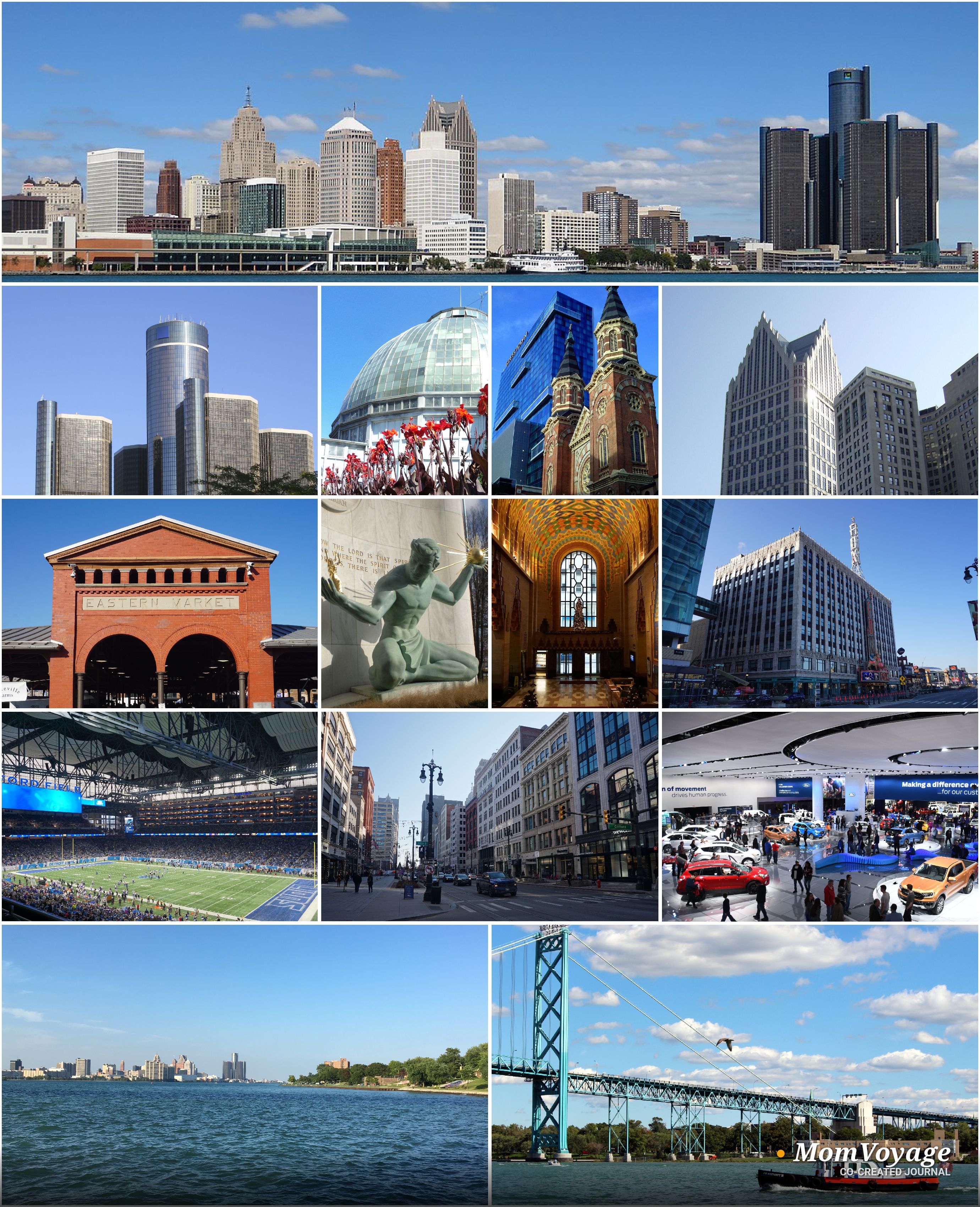
Uncover Detroit's most captivating hidden gems. Explore unique art, food, and history, much like the distinct charm of Spain's Seville and Valencia.
Detroit's Echoes of Seville: Where Grit Meets Gothic Grandeur
Just as Seville resonates with the echoes of its Moorish past, with the Alcázar and the Giralda standing as testaments to centuries of history, Detroit too, possesses a palpable sense of its foundational narrative. This isn't always found in meticulously preserved structures, but rather in the ghosts of its industrial might and the architectural skeletons that hint at a bygone era of unparalleled prosperity. Think of the grand, often cavernous, former industrial buildings that now house nascent creative endeavors. These spaces, much like the weathered stones of Seville's Triana district, tell a story of endurance. Explore the area around Michigan Central Station, a monumental Beaux-Arts masterpiece that, despite its disuse for decades, carries an undeniable, almost romantic, grandeur. Its ornate details and sheer scale evoke a sense of lost opulence, mirroring the way Seville's Plaza de España, though built for a specific exposition, now feels like a permanent fixture of timeless beauty. The stories embedded in these Detroit structures are as rich and layered as the intricate tilework of a Sevillian patio, speaking of ambition, innovation, and a profound connection to the city's very soul. It’s in these echoes of grandeur, often found in unexpected corners, that Detroit truly reveals its Sevilian spirit – a deep-rooted connection to history that underpins its present.
Valencia's Vanguard: Detroit's Reimagined Waterfront and Artistic Renaissance
Valencia, a city that seamlessly blends its ancient roots with the avant-garde vision of Calatrava's City of Arts and Sciences, finds its parallel in Detroit's dynamic waterfront and its burgeoning artistic landscape. The revitalized RiverWalk, much like Valencia's modern architectural marvels, represents a forward-looking embrace of urban renewal and a reconnection with natural beauty. Here, former industrial areas are being transformed into vibrant public spaces, offering opportunities for recreation and cultural immersion. This mirrors Valencia's transformation, where the old riverbed was reimagined into a linear park, a testament to innovative urban planning.
Detroit's artistic resurgence, too, echoes Valencia's reputation as a hub of creativity. Beyond the established institutions, venture into the burgeoning gallery scene in areas like Corktown or the Eastern Market, where street art flourishes and independent artists are pushing boundaries. These spaces are the Detroit equivalent of discovering hidden studios in Valencia's Ruzafa neighborhood, brimming with contemporary expression. The spirit of innovation is palpable, as artists utilize reclaimed materials and unconventional spaces to create works that are both thought-provoking and deeply reflective of the city’s evolving identity. This is where Detroit’s “new Valencia” truly shines, a testament to its capacity for reinvention and its embrace of a progressive future, all while honoring its past.
The Heartbeat of the People: Detroit's Public Squares and Community Hubs
Just as Seville's plazas, from the bustling Plaza Nueva to the more intimate courtyards of the Santa Cruz quarter, serve as the city's living rooms, Detroit's public spaces and community hubs pulse with the lifeblood of its residents. While not always as architecturally monumental as their Spanish counterparts, these areas are the true engines of connection and cultural exchange. The Eastern Market, a historic farmers market that has been a cornerstone of the city for over a century, is a prime example. On Saturdays, it transforms into a vibrant spectacle of vendors, musicians, and community members, a true reflection of Detroit's diverse populace. It’s a place where conversations flow as freely as the coffee, and where the spirit of the city is palpable in every interaction.
Consider also the various community gardens and pocket parks that have sprung up throughout the city, often cultivated by passionate residents. These green spaces, though perhaps less formal than a manicured Sevillian garden, offer vital oases of calm and connection. They are where neighbors gather, children play, and a sense of shared ownership thrives. These hubs, whether a bustling market or a tranquil garden, are the democratic spaces where the soul of Detroit is most profoundly felt, much like the spirited conversations that spill out of tapas bars in Seville’s labyrinthine alleys. They are the places where the city’s resilience is not just an idea, but a lived experience, nurtured by the very people who call Detroit home.
Culinary Journeys: From Traditional Flavors to Modern Gastronomy
Both Seville and Valencia are renowned for their rich culinary traditions, and Detroit, in its own distinct way, offers a parallel journey for the palate. Seville's tapas culture is legendary, a vibrant tapestry of small plates bursting with local flavors – from succulent jamón ibérico to refreshing gazpacho. Detroit, while not boasting a direct lineage of tapas, has embraced a similar spirit of diverse and accessible culinary experiences. Explore the diverse eateries in neighborhoods like Mexicantown, where authentic flavors transport you to another continent, or delve into the burgeoning farm-to-table scene, which champions local ingredients with a dedication akin to how Spanish chefs honor regional produce.
Valencia, with its paella and fresh seafood, showcases a more refined approach to regional cuisine. Detroit’s emerging fine-dining scene, often found in repurposed industrial spaces, offers a sophisticated counterpoint. Here, chefs are creatively reinterpreting traditional American comfort food and drawing inspiration from the city’s multicultural influences. Think of innovative dishes that might incorporate Southern soul food elements with global twists, or experimental tasting menus that highlight the bounty of the Great Lakes region. The common thread, whether in a bustling Sevillian tapas bar or a sleek Detroit restaurant, is a profound respect for ingredients and a passion for creating memorable culinary experiences that reflect the unique character of the city.
The Industrial Soul: Detroit's Monumental Factories and Their Creative Resurgence
Seville's historic Alcázar, with its intricate Mudejar architecture, speaks of a rich and layered history. Detroit, in a starkly different yet equally compelling way, possesses its own monumental historical testaments: its vast, often imposing, former industrial factories. These structures, once the heart of the automotive industry, are not crumbling ruins but rather canvases for a new era of creativity and innovation. Much like exploring the centuries-old courtyards of the Alcázar, wandering through these colossal factory spaces offers a tangible connection to Detroit's past. Buildings like the former Packard Automotive Plant or the Fisher Body Plant, though often undergoing adaptive reuse, retain an awe-inspiring grandeur.
This industrial heritage is being reimagined, not unlike how Valencia has infused modern designs into its historic urban fabric. Today, these former factories are becoming incubators for artists, manufacturers, and tech startups. They are being transformed into live/work spaces, art studios, and even breweries, breathing new life into structures that once symbolized a bygone industrial might. This reinvention of the industrial landscape is Detroit's unique answer to preserving its heritage while forging a new identity, a powerful narrative of resilience and adaptation that is as compelling as any ancient monument.
The Spirit of Innovation: Detroit's Tech Hubs and Creative Incubators
Valencia is increasingly recognized as a hub of technological advancement and innovative design, exemplified by its futuristic architecture and its embrace of new industries. Detroit, too, is undergoing a significant transformation, emerging as a vibrant center for innovation, particularly within the tech and creative sectors. While Seville might be known for its traditional crafts and artistic heritage, Detroit's "Valencia moment" is characterized by its forward-thinking spirit and its commitment to nurturing new ideas.
Beyond the automotive industry’s evolving role, Detroit is witnessing the rise of a dynamic tech ecosystem. Incubators and accelerators are fostering startups, attracting talent, and driving economic growth. Areas like the newly revitalized downtown core and the burgeoning tech corridors are buzzing with entrepreneurial energy. This is where you'll find the city’s modern marvels, not in towering ancient structures, but in the collaborative spaces where new technologies are being developed and creative ventures are taking flight. This spirit of innovation, coupled with a growing appreciation for the arts, positions Detroit as a city that is not only embracing its past but is actively shaping its future, much like Valencia’s bold vision.
Public Art as a Unifying Force: Detroit's Murals and Installations
Both Seville and Valencia are cities where art is woven into the very fabric of public life, often found adorning plazas and streets. Detroit, too, embraces public art as a powerful tool for storytelling, beautification, and community building. While Seville might showcase its art through ancient tiles and intricate ironwork, and Valencia through its avant-garde sculptures and architectural statements, Detroit's public art scene is characterized by its vibrant murals and thought-provoking installations, often found in unexpected urban corners.
Explore the alleys and building facades throughout the city, and you’ll discover a kaleidoscope of artistic expression. These murals, often created by local artists, tell stories of Detroit’s history, its people, and its aspirations. They transform mundane spaces into open-air galleries, fostering a sense of pride and ownership among residents. This democratic approach to art mirrors the spirit of Valencia’s more contemporary public art initiatives, where creativity is accessible to all. Detroit’s public art is not confined to museums; it’s a living, breathing testament to the city’s resilience and its unwavering artistic spirit, a hidden gem waiting to be discovered around every corner.
The Sound of Resilience: Detroit's Live Music Scene and Cultural Vibrancy
Seville pulsates with the passionate rhythms of flamenco, a soul-stirring art form deeply ingrained in its identity. Valencia, while having its own musical traditions, is also a city that embraces a diverse range of contemporary sounds. Detroit, the birthplace of Motown and a global epicenter for techno and house music, resonates with a similarly powerful, and deeply ingrained, musical heritage. While you might seek out a traditional flamenco tablao in Seville, in Detroit, you’ll find a thriving live music scene that reflects its rich history and its ongoing evolution.
Venture into the intimate clubs and larger venues scattered across the city, and you’ll encounter a spectrum of musical genres, from the soulful echoes of its R&B roots to the driving beats of its electronic music legacy. This is where Detroit’s "hidden gem" musical offerings truly shine – often in unpretentious settings where raw talent and authentic expression take center stage. These venues are the city’s modern-day plazas, where communities gather to connect through the universal language of music, a testament to Detroit's enduring spirit and its undeniable cultural vibrancy, a parallel to the soul-stirring performances you might experience in Seville.
Journey Highlights
- Explore the artistic heart of neighborhoods like Corktown and Mexicantown. - Discover unique public art installations scattered throughout the city. - Indulge in the diverse culinary scene, from authentic ethnic eateries to innovative new kitchens. - Visit historical sites that tell the story of Detroit's evolution beyond industry.
Local Secrets & Insider Tips
Detroiter, I can tell you the real magic of this city lies just off the beaten path. Forget the tour buses for a moment and let's uncover some true gems.
For the Heidelberg Project: Best time to visit: Aim for a weekday morning, ideally between 10 AM and 12 PM. This is generally quieter than weekends, allowing for a more contemplative experience with the art. Weekends can get busier, especially in good weather. Insider tip: While the street is the gallery, the adjacent vacant lots and surrounding streets are part of the ongoing art installation. Take your time to observe the details and the evolving nature of the project. The artists often have a small donation box; contributing directly supports this unique cultural landmark.
For the Guardian Building: Logistics: Public access to the interior is limited. While official tours might be available seasonally, your best bet for a glimpse is to enter the lobby during business hours (typically weekdays, 9 AM - 5 PM). Be respectful, as it's an active office building. Hidden viewpoint: Stand in the center of the lobby and look up. The incredible Art Deco ceiling and the sheer scale of the space are breathtaking. Notice the "Mother of Pearl" inlay and the intricate tile work. It feels like stepping into another era.
For a Culinary Delight - La Gloria (Cuban Cuisine): Specific dish: You absolutely must try the Ropa Vieja. It's slow-cooked shredded beef that's incredibly flavorful and tender. Pair it with their authentic black beans and rice. Their plantains are also a fantastic starter. Avoid the rush: Go for lunch on a Tuesday or Wednesday. Weekends are packed, and early evenings can be busy too. They have a fantastic patio if the weather is nice.
For Exploring Eastern Market: Avoid the Saturday crowds: While Saturday is the main market day, the market is open year-round, Tuesday through Sunday. Visit on a Thursday or Friday for a much more relaxed experience, where you can chat with vendors without the hustle and bustle. You'll still find plenty of fresh produce and local goods. Hidden gems within: Don't just stick to the main sheds. Explore the smaller shops and eateries on the perimeter streets. Look for the "Shed 3" area for unique artisan foods and local crafts. Grab a coffee and a pastry from one of the independent bakeries tucked away.
General Logistics Tip: Parking: Parking can be a challenge in popular areas like Eastern Market or Midtown. Utilize ride-sharing services or research parking garages in advance. In some neighborhoods, street parking is available but requires vigilance for signs indicating restrictions.
Common Questions
Frequently Asked Questions About Detroit's Hidden Gems
Q: What makes Detroit's hidden gems comparable to Seville and Valencia? A: Just as Seville offers deep historical charm and Valencia presents modern innovation, Detroit showcases a powerful blend of its industrial past and a burgeoning creative present. The hidden gems represent this duality, offering authentic cultural experiences often overlooked by mainstream tourism.
Q: Are Detroit's hidden gems safe to explore? A: Like any major city, it's wise to be aware of your surroundings. Most hidden gem locations are in revitalized or active neighborhoods. Researching specific areas beforehand and sticking to daylight hours for initial exploration is recommended.
Q: What is the best way to find these hidden gems? A: Engaging with local guides, exploring beyond the downtown core, utilizing local blogs and social media, and simply wandering through diverse neighborhoods are excellent ways to stumble upon unexpected treasures.
Q: Can I experience Detroit's hidden gems on a budget? A: Absolutely! Many of Detroit's most captivating attractions, like street art or exploring neighborhoods, are free or low-cost. Local eateries often offer affordable and authentic culinary experiences.