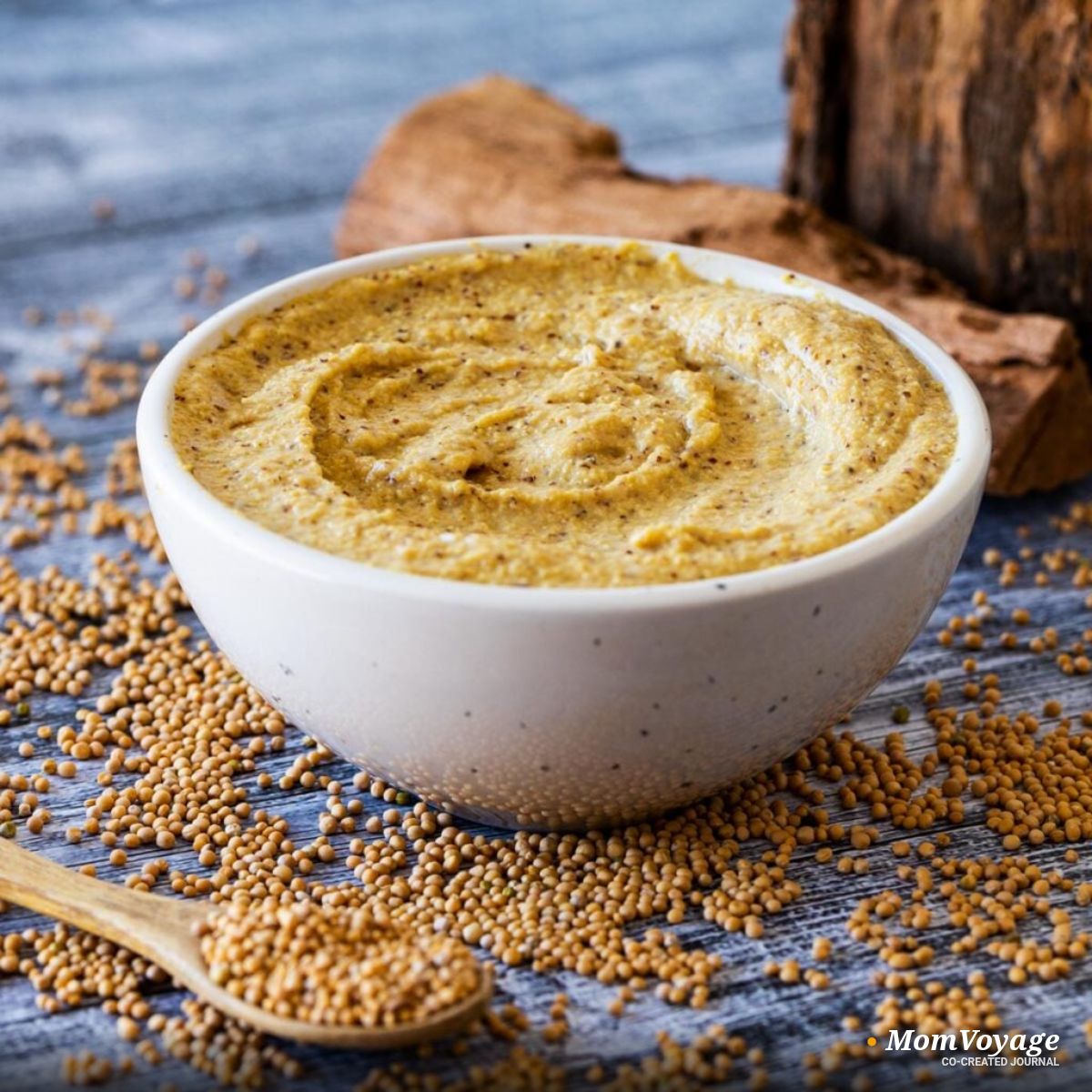
Explore the iconic Dijon mustard recipe. Learn the authentic ingredients and precise steps to craft this legendary French condiment, a true taste of Burgundy.
The Art of Making Authentic Dijon Mustard
Dijon mustard, a cornerstone of French gastronomy, is celebrated for its sharp, pungent, and complex flavor. While often purchased pre-made, crafting your own authentic Dijon mustard at home is a rewarding experience that allows for a nuanced understanding of this iconic condiment. The traditional recipe relies on a few key ingredients, expertly balanced to achieve its signature taste.
Ingredients:
To create true Dijon mustard, you will need:
- 1 cup yellow mustard seeds - 1 cup verjuice (or white wine vinegar for a tangier result, or a mix of both) - 1 teaspoon salt - 1/2 teaspoon sugar (optional, to balance sharpness) - 1/4 cup cold water (or more, to adjust consistency)
Preparation:
1. Soak the Mustard Seeds: In a bowl, combine the yellow mustard seeds with the verjuice (or vinegar/mix). Stir well, ensuring all seeds are submerged. Cover the bowl and let it soak for at least 12 hours, or up to 24 hours, at room temperature. This step is crucial for softening the seeds and releasing their flavor.
2. Grind the Seeds: After soaking, the mustard seeds will have absorbed most of the liquid and softened. Transfer the mixture to a food processor or blender. Begin to process the mixture. Start with short pulses, then blend continuously. Add the salt and optional sugar. Gradually add cold water, a tablespoon at a time, blending until you reach your desired consistency. For a smoother mustard, blend for longer. For a coarser texture, blend less.
3. Age the Mustard: Once blended, the mustard will be quite potent and sharp. Transfer the mustard to a clean glass jar or container. Cover it loosely (or with a breathable cloth) and let it age in the refrigerator for at least 3 days, and ideally up to a week. During this aging period, the harsh sharpness mellows, and the complex flavors of Dijon mustard develop.
4. Storage: After aging, transfer the mustard to an airtight container. Store it in the refrigerator. Homemade Dijon mustard will keep for several weeks, with its flavor evolving over time. Taste and adjust seasoning if needed before serving. Enjoy your authentic, homemade Dijon mustard!
Journey Highlights
- The unique taste profile of Dijon mustard. - Traditional ingredients required for its creation. - A detailed, step-by-step guide to homemade Dijon mustard preparation. - The importance of soaking and aging for flavor development. - Storage and usage tips for the finished product.
Local Secrets & Insider Tips
native of Burgundy, I can tell you that understanding Dijon mustard is about more than just the recipe; it's about the tradition and the subtle nuances that make it exceptional.
For those truly wanting to experience the heart of Dijon's culinary identity, focus on the mustard. Forget the tourist traps and seek out artisan producers. Many small shops offer tastings, and this is where you'll find the real character.
Insider Tips for Dijon Mustard Enthusiasts:
- Artisan Mustard Tastings: Many smaller mustard makers have shops just outside the main tourist drag. Aim to visit these between 10:00 AM and 11:30 AM or 2:00 PM and 4:00 PM on weekdays. This is often when the owners or primary staff are present, offering more personal insights and a wider range of samples.
- Hidden Flavors: Don't just stick to the classic 'Dijon'. Look for mustards infused with tarragon, blackcurrant (cassis), or local white wines. A fantastic, less-touristy spot is Maille (though a chain, their oldest boutique offers an experience) or smaller, independent producers like Moutarderie Fallot in Beaune (a short trip from Dijon, but worth it for their authentic methods).
- Dishes to Seek Out: When dining in less tourist-centric bistros (ask locals for recommendations!), order dishes that showcase mustard's versatility. A perfectly executed 'Poulet à la Moutarde' (chicken in mustard sauce) or a simple steak with a generous dollop of fresh Dijon is divine. Also, try Jambon persillé, a local parsleyed ham often served with mustard.
- Logistics of Flavor: Remember that mustard's flavor intensifies as it ages. The sharpness you taste right after making it will mellow significantly after a few days in the fridge. For the best experience when tasting, try to sample mustards that have had a chance to age properly. Also, keep in mind that storage is key – airtight containers in the fridge are your best friend for preserving that authentic Burgundian bite.
Common Questions
Frequently Asked Questions about Dijon Mustard:
- What is verjuice and why is it used in Dijon mustard? Verjuice is the unfermented juice of unripe grapes. It provides a unique tartness and subtle sweetness that is characteristic of traditional Dijon mustard, differentiating it from mustards made solely with vinegar.
- Can I use brown mustard seeds instead of yellow? While brown mustard seeds can be used, they will result in a spicier and more intensely flavored mustard. Traditional Dijon mustard specifically calls for yellow mustard seeds for its characteristic sharp yet balanced pungency.
- How long does homemade Dijon mustard last? Properly stored in an airtight container in the refrigerator, homemade Dijon mustard can last for several weeks, typically between 4-6 weeks. Its flavor may continue to develop and mellow over time.
- My mustard is too thick. How can I thin it out? If your mustard is too thick after blending, you can gradually add more cold water, a tablespoon at a time, blending until you achieve your desired consistency. Be careful not to add too much at once.
- What's the best way to use homemade Dijon mustard? Homemade Dijon mustard is incredibly versatile. Use it in vinaigrettes, marinades, sauces, as a spread for sandwiches, or to add depth to dips and dressings. Its bold flavor is excellent in classic French dishes like Boeuf Bourguignon or Coq au Vin.