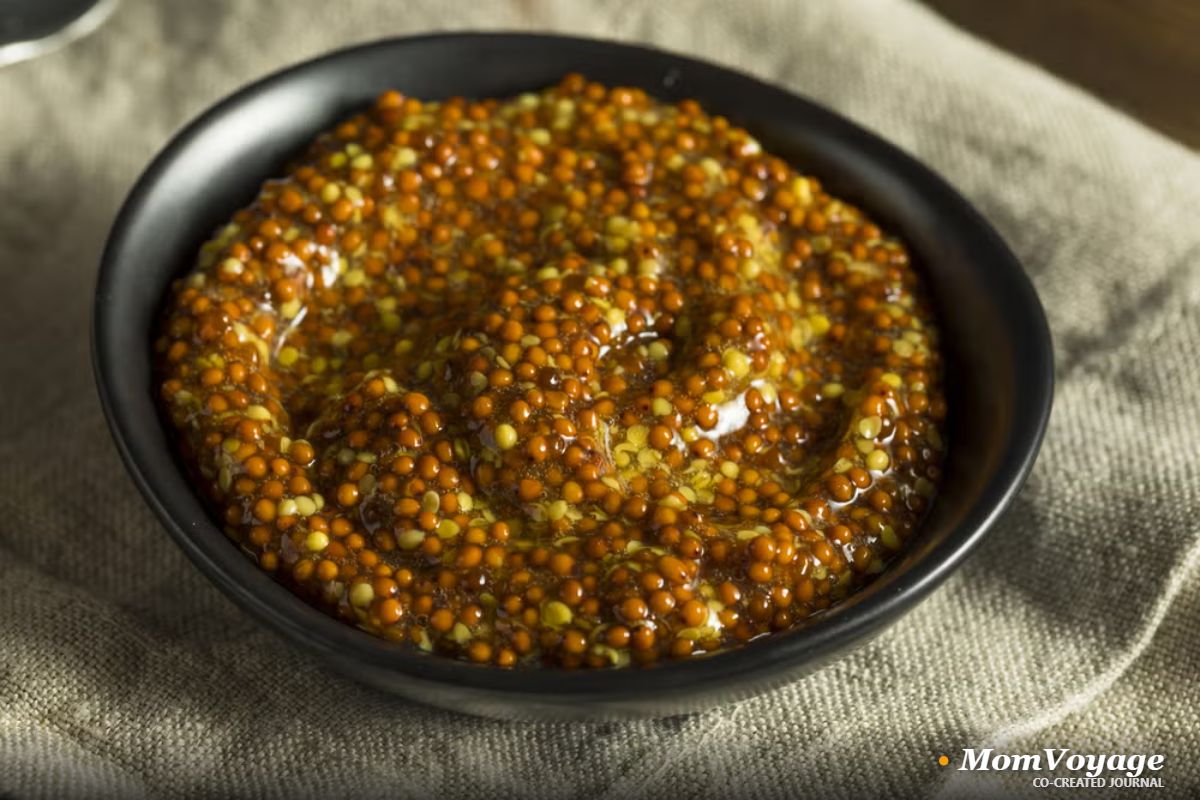
Uncover Dijon's Golden Secret! Master the art of Dijon Mustard Recipe. Elevate your dishes with our authentic guide. Discover more!
The Sacred Ingredients: Unveiling Dijon's Golden Trio
The soul of authentic Dijon mustard lies in its unwavering commitment to a select few, high-quality ingredients. Forget unnecessary additives or complex flavorings; the magic of Dijon is born from the perfect marriage of three fundamental components: mustard seeds, vinegar, and salt. Each plays a crucial role, and their interplay is what gives genuine Dijon its distinctive pungency, tang, and velvety texture. Understanding these ingredients is the first step in unlocking the secrets of this culinary masterpiece.
Mustard Seeds: The Fiery Heart of Dijon
The choice of mustard seed is paramount. Traditional Dijon mustard primarily utilizes brown mustard seeds (Brassica juncea), known for their potent heat and robust flavor. While yellow mustard seeds (Sinapis alba) are milder and often used in American-style mustards, the brown variety provides the signature kick that defines Dijon. Some traditional producers might also incorporate a small percentage of black mustard seeds for added complexity and a subtle nutty undertone. The quality of these seeds is non-negotiable. They must be fresh, free from impurities, and ideally sourced from regions known for high-quality mustard cultivation. The milling of these seeds is another critical step, as the fineness of the grind directly impacts the texture and intensity of the final product. For authentic Dijon, the seeds are typically ground to a fine paste, creating a smooth, emulsified consistency.
The Tangy Embrace: Vinegar's Essential Role
Vinegar is the unsung hero in Dijon mustard, providing the essential acidity that balances the fiery heat of the mustard seeds and helps to emulsify the mixture. Traditionally, white wine vinegar, particularly a good quality Burgundy white wine vinegar, is the preferred choice. Its delicate fruitiness and bright acidity complement the mustard seeds without overpowering them. Some ancient recipes might even call for verjuice, the unripened juice of grapes, which offers a subtler, more nuanced tang. The type and quality of vinegar used significantly influence the final flavor profile. A harsh or overly sharp vinegar can result in an unbalanced mustard, while a well-aged, flavorful vinegar contributes depth and complexity. The vinegar also acts as a preservative, contributing to the mustard's shelf life.
Salt: The Flavor Enhancer and Stabilizer
Salt is more than just a seasoning; it's a vital component that amplifies the inherent flavors of the mustard seeds and vinegar. It tames the raw pungency of the seeds, allowing their subtle nuances to emerge. The type of salt used can also make a difference. Fine sea salt is often preferred for its clean taste and ability to dissolve easily, ensuring a smooth texture. The precise amount of salt is crucial; too little and the mustard will lack depth, too much and it will be overwhelmingly salty. Salt also plays a role in the mustard's texture and preservation by drawing out moisture and inhibiting bacterial growth. The careful balance of salt with the other ingredients is key to achieving that signature Dijon flavor that is both bold and harmonious.
The Ancient Art of Preparation: A Step-by-Step Journey
Creating authentic Dijon mustard is a labor of love, a process that has been refined over centuries. It’s a method that prioritizes patience and precision, allowing the natural flavors to develop harmoniously. While modern kitchens might streamline some aspects, the core principles remain the same. This section will guide you through the traditional preparation steps, revealing the secrets behind that iconic golden hue and inimitable taste.
The Meticulous Milling: From Seed to Paste
The journey begins with the mustard seeds. They are meticulously cleaned and then ground. Historically, this was done using stone mills, which generate less heat, preserving the delicate aromas and flavors of the seeds. The goal is to achieve a fine, consistent paste. The fineness of the grind directly impacts the texture of the final mustard. A very fine grind results in a smooth, emulsified product, characteristic of premium Dijon mustard. Some recipes might call for a slightly coarser grind for a more rustic texture, but the hallmark of traditional Dijon is its refined smoothness. The temperature during milling is crucial; excessive heat can degrade the volatile compounds responsible for the mustard's pungency. Artisanal producers often employ cooling systems to maintain optimal temperatures throughout this stage.
Thepatient Infusion: Allowing Flavors to Mingle
Once the seeds are ground into a paste, the magic truly begins with the infusion. The mustard paste is combined with the chosen vinegar and salt. This is not a hurried process. The mixture is allowed to rest, sometimes for hours, and in more traditional methods, even overnight. During this resting period, the vinegar begins to break down the mustard seed proteins, releasing their volatile sulfur compounds and contributing to the mustard's characteristic pungency and flavor development. The salt works its magic, enhancing the flavors and helping to stabilize the emulsion. This slow, patient infusion allows the ingredients to meld and mature, creating a depth of flavor that cannot be achieved through rapid mixing. It's during this stage that the color of the mustard will also begin to deepen, moving towards its characteristic golden hue.
The Delicate Emulsification: Achieving Dijon's Signature Smoothness
The final, crucial step in creating authentic Dijon mustard is the emulsification process. This is where the oil naturally present in the mustard seeds binds with the liquid ingredients (vinegar) to create a smooth, creamy, and stable condiment. This is achieved through thorough and consistent mixing. Historically, this would have involved vigorous stirring or whisking by hand, a testament to the dedication of early mustard makers. Today, immersion blenders or food processors can be used, but the principle remains the same: continuous agitation to bind the oil and liquid. The goal is to achieve a perfectly homogenous mixture, free from graininess. The consistency should be thick enough to coat the back of a spoon but still fluid enough to spread easily. This emulsification is what gives Dijon its luxurious texture and prevents it from separating over time.
The Authentic Dijon Mustard Recipe: A Burgundian Classic
This recipe aims to replicate the essence of traditional Dijon mustard, emphasizing quality ingredients and a patient approach. While the precise ratios and aging times may vary slightly between artisanal producers, this provides a solid foundation for creating your own golden masterpiece.
Yields: Approximately 1 cup Prep time: 15 minutes Infusion/Resting time: Minimum 2 hours (ideally overnight)
Ingredients:
100 grams brown mustard seeds (Brassica juncea) 150 ml high-quality white wine vinegar (preferably Burgundy white wine vinegar) 1 teaspoon fine sea salt Optional: 1 tablespoon water (if a thinner consistency is desired after resting)
Equipment:
Spice grinder or mortar and pestle Medium-sized non-reactive bowl (glass or ceramic) Whisk or immersion blender Airtight glass jar for storage
Preparation Steps:
1. Prepare the Mustard Seeds: If your mustard seeds are not already ground, carefully grind them into a fine powder using a spice grinder or a mortar and pestle. Aim for a consistency as fine as possible to achieve a smooth mustard. Be cautious not to over-grind, as this can generate heat and affect the flavor.
2. Combine and Infuse: In your non-reactive bowl, combine the ground mustard seeds, white wine vinegar, and sea salt. Stir thoroughly to ensure all ingredients are well incorporated. The mixture will likely appear thick and paste-like at this stage.
3. The Crucial Rest: Cover the bowl with plastic wrap or a lid and let the mixture rest at room temperature for a minimum of 2 hours. For a more authentic and nuanced flavor, it is highly recommended to let it rest overnight. This resting period is crucial for the vinegar to react with the mustard seeds, developing their characteristic pungency and allowing the flavors to meld. You will notice the color deepening during this time.
4. Emulsify for Smoothness: After the resting period, the mixture will have thickened considerably. Using a whisk or an immersion blender, vigorously stir or blend the mixture. The goal is to emulsify the ingredients, creating a smooth, creamy, and homogenous paste. Continue blending or whisking until you achieve your desired consistency. If the mustard is too thick for your liking, you can gradually add a tablespoon of water at a time, blending well after each addition, until the desired texture is reached.
5. Taste and Adjust: Taste the mustard. At this point, it will be quite pungent. If you find it too sharp, you can let it rest for a few more hours or even overnight in the refrigerator. If it lacks a bit of zip, a tiny pinch more salt can be added. However, remember that the pungency will mellow slightly as the mustard ages.
6. Storage: Carefully spoon the finished Dijon mustard into a clean, airtight glass jar. Store it in the refrigerator. Authentic Dijon mustard will continue to develop its flavor in the refrigerator for several weeks, becoming even more nuanced and delicious. The initial pungency will soften into a more complex and balanced heat.
Journey Highlights
- History of Dijon Mustard - Essential Ingredients - Step-by-Step Preparation - Variations and Serving Suggestions
Local Secrets & Insider Tips
As a local who has spent years perfecting this recipe, I can tell you that the magic of true Dijon mustard lies in the details. Forget the industrial versions; this is about crafting something special.
For the best experience making and tasting Dijon mustard:
- Seed Selection is Key: Always opt for high-quality brown mustard seeds (Brassica juncea). They offer the robust flavor and heat essential for authentic Dijon. If you can find them locally in Burgundy, even better!
- The Acidity Matters: Traditionally, verjuice (unripe grape juice) is used. If you can't find verjuice, a good quality white wine vinegar or apple cider vinegar will work. Aim for about a 1:1 ratio of liquid to seeds, adjusting slightly for desired consistency.
- Patience During Aging: After blending your ingredients into a paste, don't rush to taste it. Cover the mixture and let it rest at room temperature for at least 24-48 hours. This allows the flavors to meld and the initial sharpness to mellow into a complex heat. You'll notice a significant difference.
- Grinding Technique: For the smoothest texture, a food processor or a powerful blender works well. However, for a more rustic, traditional texture, consider using a mortar and pestle, especially if you want to control the coarseness. Grind the seeds first into a coarse meal before adding liquids.
- Storage Savvy: Always store your homemade Dijon mustard in a clean, airtight glass jar in the refrigerator. This preserves its flavor and potency. It actually gets better with a little age, so don't be afraid to let it sit for a week or two before diving in.
Common Questions
Frequently Asked Questions about Dijon Mustard
Q: What makes authentic Dijon mustard different from other mustards? A: Traditional Dijon mustard is characterized by its use of brown mustard seeds, a specific blend of verjuice or vinegar, and a simpler, more potent flavor profile compared to many American or English mustards.
Q: Can I use regular vinegar instead of verjuice? A: While verjuice (the juice of unripe grapes) is traditional and adds a unique fruity acidity, white wine vinegar or cider vinegar are common substitutes that will yield excellent results. The key is the quality of the vinegar.
Q: How long does homemade Dijon mustard last? A: Properly stored in an airtight container in the refrigerator, homemade Dijon mustard can last for several months. Its flavor will continue to develop and mellow over time.