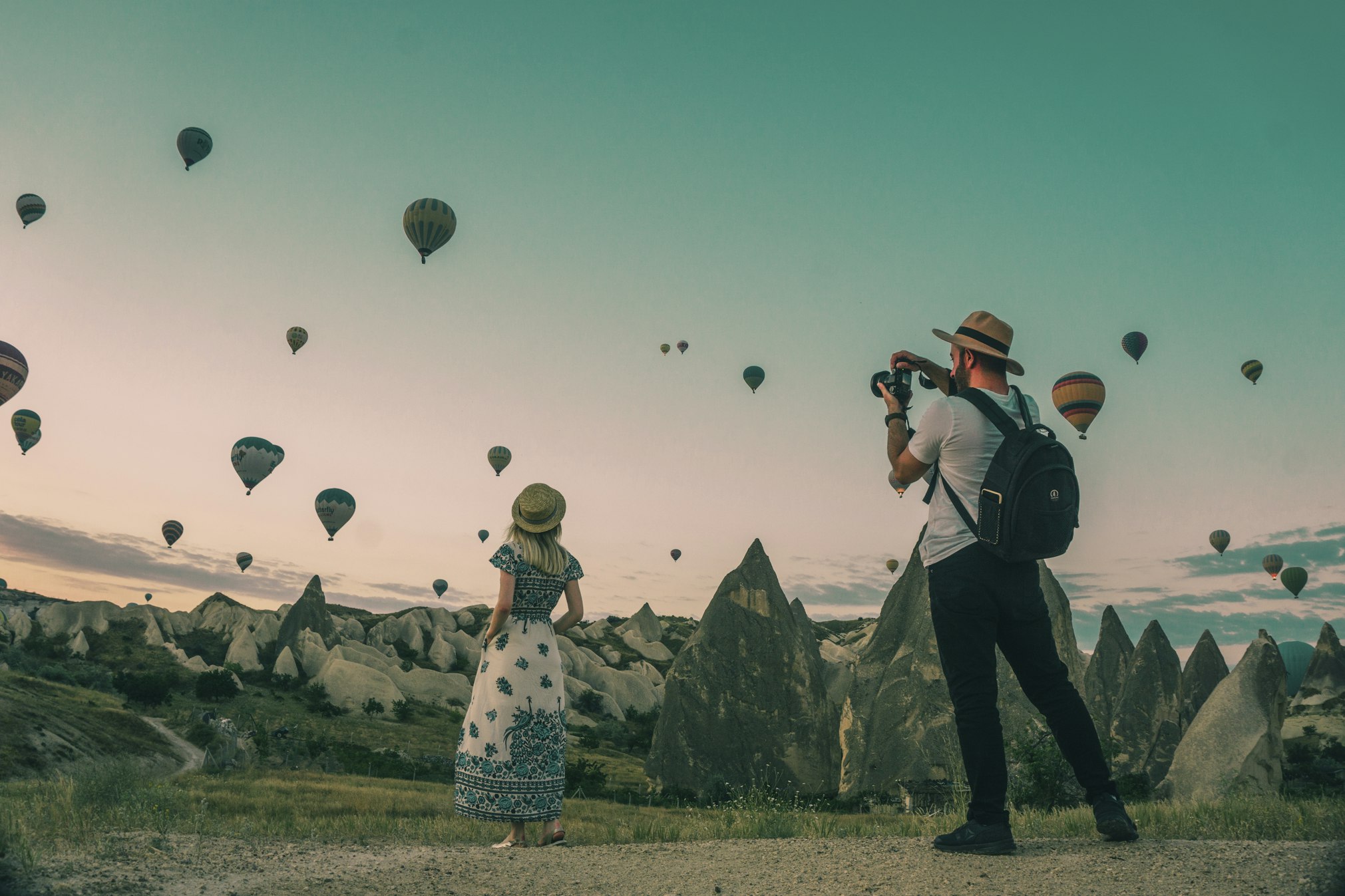
The ultimate Dallas to San Jose road trip itinerary! Our 10-day guide details epic parks, must-see sights, and hidden gems. Read our full guide
Dallas to San Jose: A Desert Odyssey
Embark on an unforgettable journey from the heart of Texas to the tech capital of Silicon Valley. More than just a long drive, this route is a stunning immersion into the vast and diverse landscapes of the American Southwest. To transform this cross-country trek into an epic adventure requires the perfect plan, and this Dallas to San Jose road trip itinerary is your guide to discovering every iconic vista and hidden gem along the way.
Trip Overview This route is designed for those who want to experience the soul of the desert. It spans approximately 2,200 miles and is best enjoyed over 7-10 days to fully appreciate the stops. You'll traverse Texas, New Mexico, Arizona, and California, hitting some of the most iconic national parks in the country.
Leg 1: Dallas to Big Bend National Park
Distance: 540 miles Driving Time: 8.5 hours
Leave the Dallas skyline behind and head west on I-20. The landscape slowly transforms from rolling hills to the rugged expanse of West Texas. Your destination is Big Bend National Park, a remote wonderland where mountains meet the desert. Stay in a nearby town like Terlingua or Marathon.
Must-Do in Big Bend: - Santa Elena Canyon: Hike the trail that takes you right along the Rio Grande, with sheer canyon walls towering above. - Ross Maxwell Scenic Drive: A stunning drive with numerous overlooks and trailheads. - Stargazing: Big Bend has some of the darkest skies in the lower 48 states. Find a safe pullover and be amazed.
Leg 2: Big Bend to White Sands National Park
Distance: 310 miles Driving Time: 5 hours
From the rocky terrain of Big Bend, your next stop is the ethereal, dreamlike landscape of White Sands National Park in New Mexico. Drive through El Paso and head north. The sight of the glistening white gypsum dunes rising from the Tularosa Basin is truly otherworldly. Aim to arrive in the late afternoon to experience the golden hour and sunset.
Must-Do in White Sands: - Dune Sledding: Rent or buy a waxed plastic sled in Alamogordo and slide down the dunes. - Sunset Stroll: The way the setting sun paints the white dunes in hues of pink and orange is pure magic. - Alkali Flat Trail: A strenuous 5-mile loop that takes you into the heart of the dunes.
Leg 3: White Sands to Sedona, Arizona
Distance: 470 miles Driving Time: 7.5 hours
The drive to Sedona takes you through the heart of Arizona's high desert. As you approach, you'll see the iconic red rock formations begin to dominate the horizon. Sedona is known for its stunning beauty, vibrant arts scene, and vortex energy centers.
Must-Do in Sedona: - Cathedral Rock: A challenging but rewarding hike for incredible sunset views. - Devil's Bridge Trail: Hike to the largest natural sandstone arch in the area. - Tlaquepaque Arts & Shopping Village: Explore unique art galleries and shops set in a beautiful, Spanish-style village.
Leg 4: Sedona to Death Valley National Park
Distance: 450 miles Driving Time: 7 hours
Prepare for a journey of extremes as you drive from the high desert of Sedona to the blistering heat and stunning desolation of Death Valley. This leg takes you through Las Vegas, a good place to stop for a meal or to restock supplies before entering one of the most remote parks in the country.
Must-Do in Death Valley: - Badwater Basin: Stand at the lowest point in North America, 282 feet below sea level. - Zabriskie Point: The absolute best spot for sunrise. The light hitting the badlands is breathtaking. - Artist's Palette: A scenic drive through multi-hued volcanic and sedimentary hills.
Leg 5: Death Valley to San Jose
Distance: 450 miles Driving Time: 7.5 hours
The final leg of your journey takes you out of the desert and into the lush landscapes of central and northern California. You'll climb out of the valley, pass through the agricultural heartland, and finally arrive in the bustling hub of Silicon Valley, San Jose. Congratulations, you've completed an epic desert road trip!
Journey Highlights
- Big Bend National Park: Explore rugged canyons and experience some of the darkest night skies in the country. - Marfa, TX: A quirky art town in the middle of the desert, famous for its minimalist art installations. - White Sands National Park, NM: Sled down surreal, glistening white gypsum dunes. - Sedona, AZ: Hike among stunning red rock formations and explore a vibrant arts community. - Grand Canyon National Park, AZ (Optional Detour): Witness one of the world's most incredible natural wonders. - Death Valley National Park, CA: Experience the lowest, driest, and hottest place in North America. - Alabama Hills, CA: Explore the unique rock formations that have been the backdrop for countless Hollywood movies.
Local Secrets & Insider Tips
Forget the generic advice. If you want to do this trip right, listen up. I've driven these roads more times than I can count.
Big Bend & West Texas Secrets:
Don't just drive the main loop in Big Bend. Take the time to hike the South Rim Trail. It's an all-day affair, but the views are life-changing. To beat the crowds and the heat, be at the Chisos Basin trailhead by 6:00 AM. You'll have the trail largely to yourself on the ascent. Also, the famous Starlight Theatre in Terlingua is great, but for a real taste of the area, go to the High Sierra Bar & Grill. Order the goat chili. It's not always on the menu, but if you ask, they might just have it.
Navigating New Mexico & White Sands:
Everyone goes to White Sands for sunset, and it's a mob scene. My pro move: go for a full moon hike. The park service offers them occasionally, and you need to book months ahead. It's an otherworldly experience. If you can't swing that, arrive 90 minutes before sunset, drive as far back on Dunes Drive as you can, and walk west for 15-20 minutes over a few dunes. You'll leave 95% of the people behind. On your way north, skip the tourist traps in Santa Fe and stop in San Antonio, NM, at The Owl Cafe. Order the green chile cheeseburger with a side of onion rings. It’s legendary for a reason.
The Real Sedona & A Death Valley Must-Do:
In Sedona, the Devil's Bridge Trail parking is a nightmare. Instead, park at the Mescal Trailhead off Long Canyon Road and take the Mescal-Chuckwagon trail to Devil's Bridge. It's a slightly longer but much more scenic and less crowded approach. For dinner, avoid the overpriced spots in Uptown and head to Elote Cafe. The line is long for a reason. Get there 30 minutes before they open and put your name down. Order the namesake Elote and the Smoked Pork Cheeks.
Logistics That Wreck Trips:
- Gasoline: Do NOT let your tank go below half between Fort Stockton and Big Bend, or anywhere in Death Valley. Gas stations are few, far between, and sometimes closed. Fill up at every opportunity.
- Water: The 'one gallon per person per day' rule is not a suggestion, it's a requirement for survival. In your car, carry an extra 5-gallon jug of water. It could save your life if you break down.
- Tires: The desert eats tires. Ensure your spare is properly inflated and you know how to change it. A tire plug kit is a $20 investment that can save you a full day and hundreds of dollars.
Common Questions
Frequently Asked Questions
What is the best time of year for this road trip? Fall (October-November) and Spring (March-April) are ideal. The weather is pleasant in the deserts, avoiding the scorching summer heat and potential winter cold snaps. Summer is dangerously hot in places like Death Valley.
What kind of vehicle do I need? A standard sedan is sufficient for the main paved roads. However, an SUV or a vehicle with higher clearance is highly recommended if you plan to explore the unpaved backroads in Big Bend or Death Valley.
How is cell service along the route? Expect it to be non-existent in large parts of Big Bend and Death Valley. Download offline maps (Google Maps, AllTrails) for your entire route before you leave Dallas. A satellite messenger like a Garmin inReach is a wise investment for safety.
Do I need to book accommodations in advance? Yes, absolutely. Especially for lodging near popular national parks like Big Bend and Sedona. Towns are small and options are limited, so book several months in advance if possible, particularly during peak season.