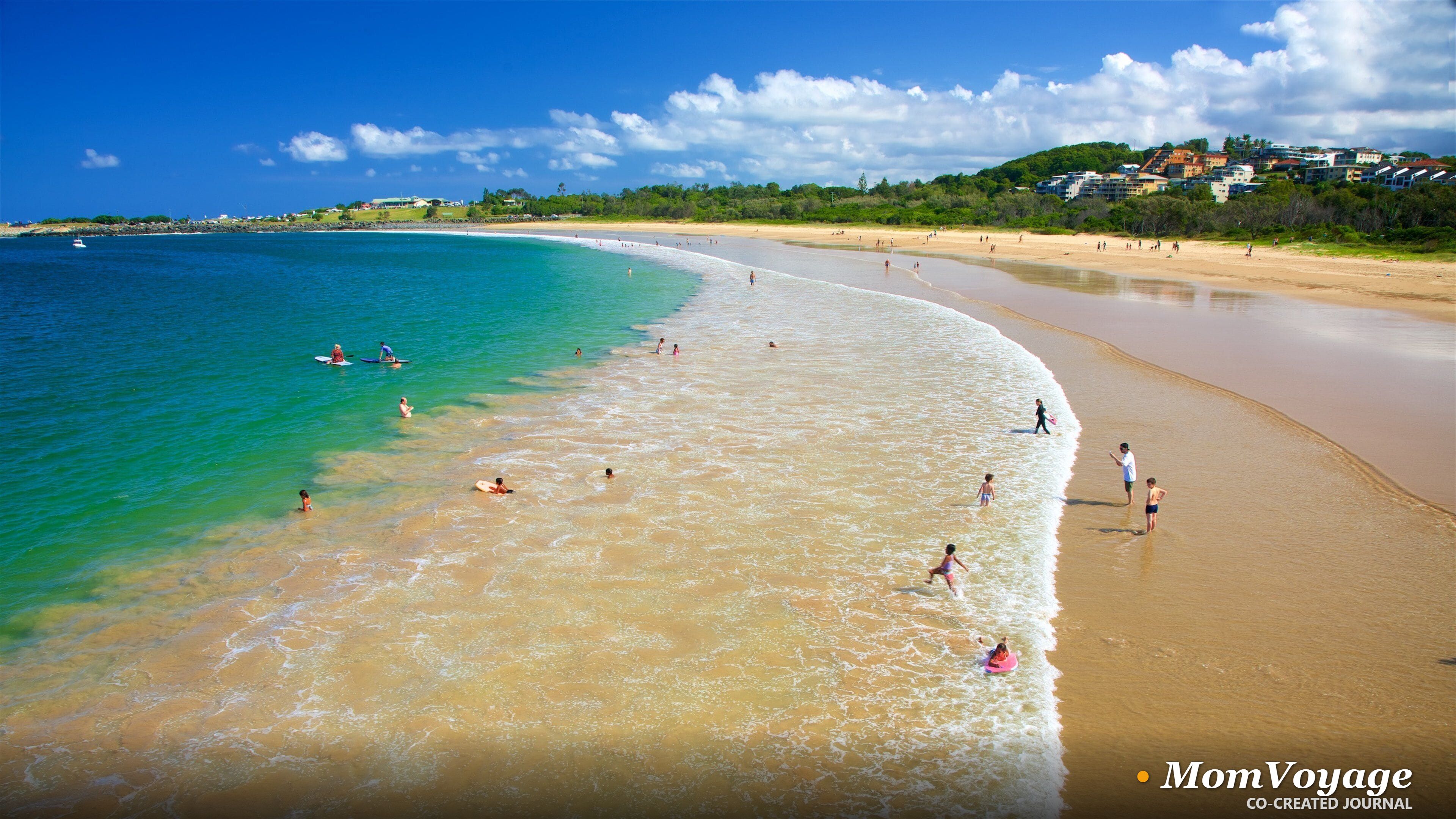
Discover the enchanting differences between European and American beaches. Explore a world of coastal charm you never knew existed. Your European coastal adventure starts here.
A Tapestry Woven with History and Culture
European coastlines are not merely stretches of sand and sea; they are living canvases painted with millennia of human history and diverse cultural influences. Unlike the often more recently developed and commercially driven American beach scenes, Europe's shores are imbued with the echoes of ancient civilizations, maritime empires, and artistic movements. Imagine strolling along a Greek island cove and picturing the philosophers and poets who once sought inspiration by these very waters, or standing on the dramatic Portuguese cliffs where explorers set sail to discover new worlds. This deep historical resonance creates an unparalleled sense of place, transforming a simple beach day into a journey through time. The architecture that often graces these coastlines – ancient Roman ruins, medieval fortresses, and charming fishing villages with centuries-old traditions – further solidifies this connection to the past, offering a stark contrast to the more contemporary, resort-focused infrastructure found on many American beaches.
The Art of the Intimate Cove and Dramatic Cliff Face
While American beaches often favor wide, sweeping sandy expanses, European coasts are masters of intimate, secluded coves and breathtakingly dramatic cliff faces. Think of the hidden calas of the Balearic Islands, accessible only by boat or a determined hike, offering crystal-clear turquoise waters and a sense of personal discovery. Or consider the awe-inspiring cliffs of the Amalfi Coast in Italy, where pastel-hued villages cling precariously to the mountainside, their terracotta roofs a vibrant counterpoint to the azure Mediterranean below. These landscapes offer a different kind of beach experience – one that is less about sprawling space and more about the unique character of each individual bay and promontory. The natural beauty is often more rugged, untamed, and profoundly integrated with the surrounding topography, inviting exploration and a deeper appreciation for the power and artistry of nature.
A Culinary Journey Along the Water's Edge
The gastronomic offerings of European coastlines are a secret ingredient that truly sets them apart. Beyond the typical boardwalk fare, you'll find a rich tapestry of regional culinary traditions deeply intertwined with the sea. In Italy, expect freshly caught seafood grilled to perfection and served with local olive oil and lemon, or savor rich seafood stews brimming with the day's catch. Portugal's Algarve region is renowned for its Piri-Piri prawns and grilled sardines, often enjoyed with a glass of Vinho Verde. The Greek islands offer an abundance of fresh salads, grilled octopus drizzled with olive oil and oregano, and flavorful seafood mezes, all enjoyed in tavernas with stunning sea views. These culinary experiences are not just about sustenance; they are an integral part of the coastal culture, reflecting local produce, historical influences, and a profound respect for the bounty of the ocean.
The Charm of Seaside Villages: A Slower Pace of Life
European seaside towns and villages often exude an irresistible charm that stands in contrast to the often more developed and commercialized beach resorts found elsewhere. These are places where life moves at a gentler pace, where fishing boats still bob in the harbor, and where narrow, cobblestone streets lead to hidden piazzas and local artisan shops. The architecture itself tells a story, with whitewashed walls adorned with vibrant bougainvillea in the Mediterranean, or sturdy stone buildings weathered by the Atlantic winds in Brittany. There's an authenticity to these places, a sense of community and tradition that permeates the air. You can spend your days wandering through local markets, enjoying coffee at a sun-drenched café, or simply watching the world go by from a waterfront promenade, immersing yourself in a lifestyle that prioritizes connection and simple pleasures.
The Lure of the Natural Reserve and Untamed Beauty
Many European coastlines are celebrated for their commitment to preserving natural beauty through protected reserves and national parks. This dedication to conservation means that you can often find stretches of coast that remain remarkably wild and pristine, offering a more immersive experience with nature. Think of the dramatic landscapes of the Cinque Terre in Italy, where terraced vineyards cascade down to the Ligurian Sea, or the rugged, windswept beauty of the Brittany coast in France, dotted with ancient lighthouses and dramatic rock formations. These areas often offer exceptional opportunities for hiking, birdwatching, and simply breathing in the pure, unadulterated sea air. The emphasis is on experiencing the coastline in its natural state, fostering a profound connection with the environment rather than a curated tourist experience.
A Mosaic of Languages, Traditions, and Flavors
The sheer diversity of languages, traditions, and flavors found along Europe's extensive coastline is a significant draw. From the Iberian Peninsula with its distinct regional cultures and culinary influences to the Nordic shores with their stark beauty and unique seafood traditions, each coastline offers a distinct cultural immersion. The Mediterranean, in particular, is a melting pot of influences, where Roman, Greek, Arab, and Ottoman legacies can still be tasted in the food and seen in the architecture. This rich cultural tapestry means that a beach holiday in Spain can be a vastly different experience from one in Croatia or Cyprus, each offering a unique window into the soul of its region. It’s this constant discovery of new cultural nuances and flavors that makes European coastal travel so endlessly fascinating.
Journey Highlights
- Explore the unique geological formations of European coastlines. - Understand the cultural significance of beaches in European societies. - Compare the typical amenities and activities found on European versus American beaches. - Discover lesser-known coastal gems in Europe. - Learn how to best experience the authentic charm of European seaside towns.
Local Secrets & Insider Tips
Beyond the Postcards: Unveiling Europe's Coastal Treasures
As a seasoned traveler who's spent countless summers exploring Europe's shores, I can tell you the real magic lies in the details the guidebooks often miss. These aren't just pretty beaches; they're woven into the fabric of local life, offering experiences that are both profoundly beautiful and refreshingly authentic. Forget the crowded selfie spots and over-priced tourist traps. Let's dive into the secrets that make European coastlines truly unforgettable.
Amalfi Coast, Italy: Sun-Drenched Charm, Minus the Madness
The Amalfi Coast is undeniably stunning, but its popularity can be overwhelming. The key is timing and venturing slightly off the beaten path.
Crowd-Proofing Positano: Forget visiting Positano between 11:00 AM and 4:00 PM in July and August. This is peak tourist influx. Instead, set your alarm for a sunrise stroll through the town around 7:00 AM. You'll have the iconic pastel-colored houses clinging to the cliffs and winding, narrow streets practically to yourself. The early morning light is also magical for photography. Insider Tip: Look for the small, often unmarked, staircases that descend directly from the main road to the lower parts of the village. These can offer breathtaking, unpopulated viewpoints. Local Flavors: Skip the ubiquitous beachfront restaurants in Positano, which often serve generic fare at inflated prices. Instead, head slightly inland to 'Da Vincenzo'. This family-run trattoria is a local institution. Must-Try Dish: Order their Spaghetti alle Vongole. The clams are impossibly fresh, sourced daily from the nearby sea, and the sauce is a delicate dance of garlic, white wine, and parsley. The atmosphere is authentically bustling and warm. Local Drink: Pair your meal with a chilled glass of Falanghina, a crisp, aromatic white wine from the Campania region. Logistics & Pro-Tips: Transportation: The SITA bus is an option, but it gets packed. Consider hiring a scooter for ultimate freedom, but be comfortable with narrow, winding roads. Ferries are a fantastic way to see the coast from the water and avoid traffic. Accommodation: Look for agriturismo properties nestled in the hills above the coast for a more serene and authentic experience, often with incredible views. Safety & Etiquette: Dress modestly when visiting churches. Be aware of your surroundings, especially in crowded areas, as pickpocketing can occur. Always ask permission before photographing locals.
Crete, Greece: Beyond the Pink Sands of Elafonissi
While Elafonissi's unique pink sand is indeed a marvel, Crete offers a wealth of undiscovered coastal gems, particularly on its wild southern shores.
The Loutro Experience: For a truly unique Greek island experience, head to Loutro on the southern coast. The defining characteristic of Loutro is its inaccessibility by road. Getting There: You must take a ferry from Chora Sfakion or Agia Roumeli. This natural limitation significantly limits crowds and preserves the village's tranquil, car-free charm. The ferry ride itself offers stunning coastal views. Authentic Cretan Flavors: Once in Loutro, seek out a small taverna away from the immediate waterfront. Local Specialty: Ask for the 'Dakos' salad. This simple yet incredibly refreshing Cretan specialty consists of dried barley rusks (paximadia) topped with grated fresh tomato, crumbled mizithra cheese (a soft, salty sheep's milk cheese), capers, and a generous drizzle of local olive oil. It's the taste of Crete in a bowl. Local Drink: Enjoy a glass of Raki (also known as Tsikoudia), the strong Cretan spirit often offered as a digestif. Logistics & Pro-Tips: Hiking: Loutro is also a popular stop on the E4 European long-distance path. If you're an avid hiker, consider walking to Loutro from Chora Sfakion or Agia Roumeli for an even more immersive experience. Best Time to Visit: While beautiful year-round, late spring (May-June) and early autumn (September-October) offer pleasant weather and fewer visitors than the peak summer months. Safety & Etiquette: The sun in Crete can be intense. Always wear sunscreen, a hat, and stay hydrated. Respect the quiet atmosphere of Loutro; it's a place for relaxation.
Cinque Terre, Italy: Trails, Trains, and Taste of the Sea
The five cliffside villages of Cinque Terre are postcard-perfect, but navigating them can be a challenge. Ditch the car and embrace the authentic Italian coastal experience.
Logistics are Key: Many tourists attempt to drive between the villages, a mistake you absolutely must avoid. The roads are incredibly narrow, winding, and treacherous, and parking is virtually non-existent and prohibitively expensive. The Best Ways to Explore: Regional Train: The most convenient and efficient way. Trains run frequently between La Spezia and Sestri Levante, stopping at each of the five villages. Hiking Trails: For the most scenic and rewarding experience. The Sentiero Azzurro (Blue Trail) connects the villages, offering breathtaking coastal views. Check trail conditions meticulously before you go, as sections can close due to landslides. Be prepared for steep ascents and descents. Vernazza's Hidden Gem: While Vernazza's main piazza is charming, it’s also the most crowded. Hidden Viewpoint: Wander up the narrow alleyways behind the main street. Look for signs pointing to the Doria Castle. The climb is worth it for panoramic views of the colorful harbor and village. Local Culinary Delights: Bypass the main piazza eateries and seek out a small trattoria on a side street. Must-Try Dish: Indulge in Pesto Genovese pasta. Cinque Terre is the birthplace of pesto, and here, it's made the traditional way: with fresh basil, pine nuts, garlic, Parmigiano Reggiano, Pecorino Sardo, and Ligurian olive oil. Tagliatelle or trofie are common pasta shapes served with it. Local Drink: Enjoy a crisp glass of Sciacchetrà, a sweet, straw-colored dessert wine produced in Cinque Terre. Safety & Etiquette: Wear sturdy walking shoes for hiking. Stay on marked trails. Be mindful of local residents and their property. Reserve tables for dinner if possible, especially in peak season.
Algarve, Portugal: Emerald Caves and Seafood Feasts
The Algarve's dramatic coastline is famous for its golden cliffs and turquoise waters. While popular beaches are stunning, venture a little further to discover true hidden gems.
Discovering Praia da Benagil: Instead of joining the throngs at the more accessible Praia da Marinha, seek out the magical Praia da Benagil's sea cave. Avoiding Boat Tours: These tours can flood the cave with visitors, diminishing the experience. Aim for an early morning (around 8:00 AM) or late afternoon (around 5:00 PM) slot. The Best Approach: Rent a kayak or paddleboard from the smaller, less developed beach to the east of Benagil (Praia do Carvalho is a good starting point, but requires a bit of a scramble). Paddle into the cave at your own pace. Insider Secret: Once inside the cave, look up. There's a natural opening in the ceiling, a "skylight," that lets sunlight stream through, illuminating the cave in an ethereal glow. Culinary Excellence in Carvoeiro: For a memorable meal in the vicinity, venture to the charming village of Carvoeiro. Legendary Seafood: Find 'Restaurante Obrigado'. This unassuming eatery is known for its incredible seafood. Must-Try Dish: Their Arroz de Marisco (seafood rice) is legendary. It's a rich, flavorful stew of rice cooked with a variety of fresh shellfish, fish, and aromatic spices. It's hearty, comforting, and bursting with the taste of the ocean. Local Drink: Enjoy a chilled glass of Vinho Verde, a young, slightly effervescent white wine from Portugal, perfect for seafood. Logistics & Pro-Tips: Car Rental: Having a car is highly recommended for exploring the Algarve's more remote beaches and villages. Best Time for Kayaking: Aim for calm seas. Check the tide times and weather forecasts before heading out. Safety & Etiquette: Always wear a life vest when kayaking or paddleboarding. Be respectful of the natural environment. Enjoy the slower pace of life in the smaller coastal towns.
Common Questions
Frequently Asked Questions about European Coasts:
Q: Are European beaches always crowded? A: While popular spots can be crowded, especially during peak season, many European coastlines offer secluded coves and less-visited towns where you can find tranquility. Timing your visit strategically is key.
Q: What kind of food should I expect at European beaches? A: Expect incredibly fresh, local seafood often prepared with regional flair. Think grilled sardines in Portugal, pasta with vongole in Italy, or fresh calamari in Greece. Many beachside cafes offer simple yet delicious regional specialties.
Q: Do I need to pack differently for European coasts? A: Consider packing for varied weather, as European coastlines can experience cooler breezes even in summer. Comfortable walking shoes are essential for exploring historic towns and cliffside paths. Don't forget a good book for relaxed afternoons!
Q: Are European beaches suitable for families? A: Absolutely. Many European beaches are family-friendly with calm waters, shallow areas, and amenities. Coastal towns often have playgrounds, ice cream shops, and cultural activities suitable for children.