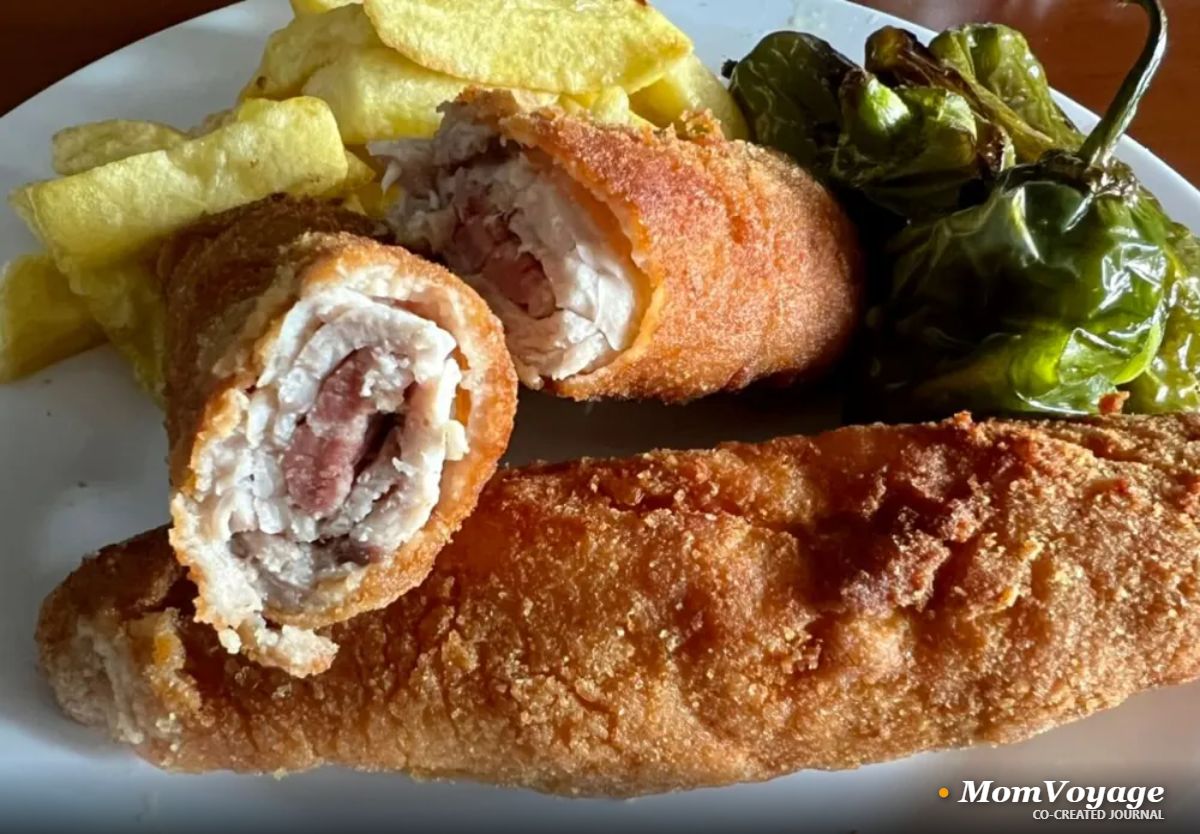
Learn the authentic Flamenquín Cordobés recipe, a culinary masterpiece from Córdoba. Discover ingredients and easy steps to recreate this delicious pork and ham roll.
The Authentic Flamenquín Cordobés Recipe
Córdoba, a jewel of Andalusia, is renowned for its rich history, stunning architecture, and, of course, its delectable cuisine. Among its most famous culinary creations is the Flamenquín Cordobés. This delightful dish, characterized by its crispy exterior and savory, melty interior, has become a staple in tapas bars and homes across Spain. Its name, roughly translating to 'little flamenco,' evokes the vibrant spirit of the region.
Making authentic Flamenquín Cordobés at home is a rewarding experience, allowing you to savor the true taste of Córdoba. This recipe breaks down the process into simple, manageable steps, ensuring a perfect result every time.
Ingredients You'll Need:
- 4 thin slices of pork loin (about 100-120g each) - 4 slices of Serrano ham (or jamón serrano) - 4 slices of cheese (preferably a firm, meltable cheese like Emmental or a mild Spanish cheese) - All-purpose flour, for dredging - 2 large eggs, beaten - Breadcrumbs (preferably panko for extra crispiness) - Salt, to taste - Black pepper, freshly ground, to taste - Olive oil, for frying
Step-by-Step Preparation:
1. Prepare the Pork: Place the pork loin slices between two sheets of plastic wrap. Using a meat mallet or a rolling pin, gently pound the pork slices until they are very thin, about 1/4 inch thick. This ensures they cook quickly and evenly. 2. Season the Pork: Lightly season both sides of the pounded pork slices with salt and freshly ground black pepper. 3. Assemble the Rolls: Lay one slice of seasoned pork flat. Place a slice of Serrano ham on top of the pork, covering most of its surface. Then, place a slice of cheese on top of the ham. Carefully roll up the pork, ham, and cheese tightly, starting from one end. Ensure the filling is completely enclosed. Repeat this process for the remaining slices. 4. Dredge and Coat: Set up three shallow dishes. In the first dish, place the all-purpose flour. In the second dish, place the beaten eggs. In the third dish, place the breadcrumbs. - First, coat each rolled flamenquín evenly with flour, shaking off any excess. - Next, dip the floured roll into the beaten eggs, ensuring it's fully coated. - Finally, roll the egg-coated flamenquín in the breadcrumbs, pressing gently to adhere them. Make sure the entire surface is covered with breadcrumbs for maximum crispiness. 5. Chill (Optional but Recommended): For best results and to help the flamenquines hold their shape during frying, place the coated rolls on a plate and refrigerate for at least 30 minutes. This allows the coating to set. 6. Fry to Perfection: Heat a generous amount of olive oil in a deep skillet or frying pan over medium-high heat. The oil should be deep enough to submerge at least halfway. - Carefully place the flamenquines into the hot oil, being careful not to overcrowd the pan. Fry in batches if necessary. - Fry for about 4-6 minutes, turning occasionally, until the flamenquines are golden brown and crispy on all sides, and the cheese inside is melted and gooey. 7. Drain and Serve: Remove the cooked flamenquines from the oil using a slotted spoon and place them on a plate lined with paper towels to drain any excess oil.
Serving Suggestions:
Flamenquín Cordobés is incredibly versatile. It can be enjoyed as a hearty tapa, a main course, or even as part of a larger meal. Traditionally, it's served hot, often accompanied by a simple green salad, a spoonful of mayonnaise, or a lemon wedge. The contrast between the crispy exterior and the rich, savory filling makes it a truly satisfying dish.
Journey Highlights
- Thin slices of pork loin - Serrano ham - Meltable cheese - Flour, eggs, breadcrumbs - Salt, pepper, olive oil
Local Secrets & Insider Tips
Try to recreate this Andalusian classic, let me give you the real inside scoop on making the perfect Flamenquín Cordobés and enjoying Córdoba's culinary scene.
When visiting Córdoba itself, skip the main tourist drags for truly authentic tapas. Head to areas like the San Basilio neighborhood or the outskirts of the Judería. Look for bars packed with locals, especially during lunch hours (1:30 PM - 3:30 PM) or early evening (8:30 PM - 10:00 PM).
For the Flamenquín Experience:
- The Pork: Always ask for lomo de cerdo that is already thinly sliced, or if you're slicing it yourself, ensure your knife is extremely sharp to get those paper-thin cuts. Pounding is crucial – don't be shy, but don't shred the meat. Between parchment paper is key.
- The Ham & Cheese: Use authentic Jamón Serrano if possible; its flavor is superior. For cheese, a good quality queso curado or semi-curado (cured or semi-cured) from Spain offers a better depth of flavor than Emmental, though Emmental is the classic choice for meltiness. Don't overload the roll; two ingredients are perfect.
- The Coating: For that truly superior crunch, use panko breadcrumbs. They fry up lighter and crispier than traditional breadcrumbs. Ensure each roll is fully coated – any gaps mean less crispiness and potential leaks.
- The Fry: Use a good, neutral oil with a high smoke point, like sunflower oil or a light olive oil. Heat it to around 180°C (350°F). Don't overcrowd the pan; fry in batches. This maintains oil temperature and ensures even crisping. Aim for a deep golden brown. If you’re brave, a quick dunk in a very hot oil bath for the last 30 seconds can give an extra crackle.
Beyond Flamenquín - Local Dining Secrets:
- Beat the Crowds: For the Mezquita-Cathedral, aim to be at the entrance exactly at opening time (check current hours, usually 9:30 AM or 10:00 AM). Avoid midday, especially on weekends. For the Alcázar de los Reyes Cristianos, arriving 30 minutes before closing can offer a more serene experience as day-trippers depart.
- Hidden Gems: Seek out tabernas in the Santa Marina or Santiago neighborhoods. Order salmorejo (a cold tomato soup, thicker than gazpacho) and berenjenas con miel (fried eggplant with honey). These are local staples often overlooked by tourists heading straight for the famous patios.
- Logistical Pitfalls: Many visitors underestimate walking distances. Córdoba's historic center is best explored on foot, but wear comfortable shoes. Taxis are readily available but can be pricey for short distances within the center. If renting a car, be aware that parking in the old town is severely restricted; use public parking garages on the periphery.
- Must-Try Non-Touristy Dishes: In a local bodega, ask for Rabo de Toro (oxtail stew) if it's on the menu – a rich, slow-cooked delight. Also, try Montadito de Pringá, a small sandwich made with leftover slow-cooked meats from cocido or puchero. It’s humble but incredibly flavorful.
Common Questions
Frequently Asked Questions about Flamenquín Cordobés:
- What is Flamenquín Cordobés? Flamenquín Cordobés is a traditional dish from Córdoba, Spain, made of pork loin rolled with Serrano ham and cheese, coated in breadcrumbs, and deep-fried. It's a popular tapa and main course.
- What kind of cheese is best for Flamenquín? A firm, meltable cheese works best. Emmental is a popular choice, but any mild, good melting cheese like Gruyère or even a semi-cured Spanish cheese can be used.
- Can I make Flamenquín ahead of time? You can prepare the rolls and coat them in breadcrumbs ahead of time and refrigerate them for up to a few hours before frying. Frying them just before serving ensures the best crispy texture.
- What should I serve with Flamenquín? It's often served with a simple green salad, a wedge of lemon, or a dollop of mayonnaise. It's also great on its own as a tapa.