Experience the soul of the USA from Fresno to its stunning deserts. Uncover hidden gems, expert tips, and breathtaking natural beauty on an unforgettable American road trip.
From California's Bounty to the Crimson Sands: A Desert Awakening
Our odyssey commences in the surprisingly verdant embrace of Fresno, California. Often perceived solely as an agricultural hub, Fresno stands as an unexpected gateway to the profound emptiness and vibrant life of the American desert. The transition from the manicured orchards and fertile valleys to the rugged, sun-drenched expanses is not just a geographical shift, but a psychological one. It’s a shedding of the familiar, a stepping stone towards a landscape that demands a different kind of attention, a slower, more deliberate observation. As we leave behind the cultivated abundance, the air begins to thin, the colors shift, and the horizon expands, whispering promises of the raw, untamed beauty that awaits. This journey is an exploration of America's soul, painted in hues of ochre, vermillion, and the endless, shifting blues of the desert sky.
The Mojave's Embrace: Where Joshua Trees Dance and Starlight Reigns
The Mojave Desert, a vast and ancient dominion, is our first true immersion into the desert soul. It's a place where the iconic Joshua trees, with their anthropomorphic branches reaching towards the heavens, create a surreal, almost otherworldly forest. These resilient sentinels are not merely plants; they are living sculptures, testaments to the harsh beauty and enduring spirit of this arid land. Beyond the botanical wonders, the Mojave is a land of dramatic geological formations. Towering rock formations, sculpted by millennia of wind and water, rise like silent monoliths, inviting exploration and contemplation. As day transitions into night, the Mojave reveals another of its spectacular gifts: a celestial theater of unparalleled brilliance. Far from the light pollution of cities, the desert night sky explodes with stars, a breathtaking spectacle that instills a profound sense of awe and insignificance in equal measure. Imagine lying beneath a blanket of a billion diamonds, the Milky Way a luminous river flowing across the inky canvas – this is the magic of a Mojave night.
Key Mojave Experiences: Joshua Tree National Park: Wander through groves of these unique trees, hike to panoramic viewpoints like Keys View, and explore unique rock formations such as Skull Rock and Jumbo Rocks. Mojave National Preserve: Discover vast sand dunes, ancient lava flows, and historic pioneer trails. The Kelso Dunes are a particularly impressive sight, and the Mitchell Caverns offer a glimpse into the subterranean world. Death Valley National Park (Southern Gateway): While technically a separate entity, its proximity and shared desert characteristics make it an essential inclusion. Witness the otherworldly landscapes of Badwater Basin, Zabriskie Point, and Artist's Drive.
The Sonoran's Symphony: Cacti Kingdoms and Desert Blooms
Venturing eastward, we enter the Sonoran Desert, a realm of different textures and colors, most notably characterized by its iconic saguaro cacti. These majestic giants, with their arms outstretched as if in a perpetual greeting, are the undisputed kings of this landscape. They stand sentinel over a diverse and surprisingly abundant ecosystem, where an array of other cacti, succulents, and drought-tolerant plants thrive. The Sonoran is a testament to the incredible adaptability of life. During the brief, precious monsoon season, the desert undergoes a miraculous transformation. The arid earth bursts forth with vibrant wildflowers, carpeting the landscape in a riot of color. This ephemeral bloom is a powerful reminder of the cycles of life and renewal, a fleeting spectacle that draws visitors from far and wide. The sheer variety of plant and animal life that has adapted to these challenging conditions is astonishing, a living testament to nature's ingenuity.
Sonoran Desert Highlights: Saguaro National Park (Tucson, Arizona): Immerse yourself in the world's densest concentration of saguaro cacti. Hike various trails, from easy strolls to more challenging climbs, and visit the park's two districts, each offering unique perspectives. Anza-Borrego Desert State Park (California): Famous for its spectacular wildflower displays in spring, this park also boasts rugged badlands, palm oases, and excellent stargazing opportunities. Organ Pipe Cactus National Monument (Arizona): Explore the unique organ pipe cactus and other desert flora and fauna along scenic drives and hiking trails.
The Colorado Plateau's Grandeur: Canyons Carved by Time
Our journey then ascends to the majestic Colorado Plateau, a vast expanse of high desert that has been sculpted by the relentless artistry of water and time. Here, the desert takes on a different form – a landscape of immense canyons, towering mesas, and vibrant geological strata. This is the domain of iconic natural wonders that have captured the human imagination for centuries. The sheer scale of these landscapes is humbling, a visceral reminder of the geological forces that have shaped our planet over eons. The layers of rock exposed in these canyons tell a story of ancient seas, volcanic activity, and the slow, persistent work of erosion. The silence here is profound, broken only by the whisper of the wind or the cry of a soaring raptor, allowing for a deep communion with the raw power of nature.
Colorado Plateau Marvels: Grand Canyon National Park (Arizona): An undisputed wonder of the world, the Grand Canyon offers breathtaking vistas from the South and North Rims. Hike into the canyon or take a mule ride for an unforgettable experience. Zion National Park (Utah): Experience the awe-inspiring sandstone cliffs and narrow slot canyons. Hike the famous Angels Landing or The Narrows for an adrenaline-pumping adventure. Bryce Canyon National Park (Utah): Marvel at the unique hoodoos – towering, spire-like rock formations – that create an alien, ethereal landscape. Arches National Park (Utah): Discover over 2,000 natural sandstone arches, including the iconic Delicate Arch, set against a backdrop of red rock formations.
The Chihuahuan's Resilience: A Tapestry of Life in the Arid Frontier
Further east, we encounter the Chihuahuan Desert, the largest desert in North America. This region, stretching across parts of Texas, New Mexico, and Mexico, is characterized by its higher elevations and a surprising diversity of plant and animal life. While perhaps less dramatic in its immediate geological features than some other desert regions, the Chihuahuan possesses a subtle, enduring beauty. It is a land of rolling hills, wide-open spaces, and unique flora, including the yucca and agave plants, which are central to the region's identity. The resilience of life here is remarkable, with creatures adapted to survive in extreme conditions. The cultural heritage of this desert is also rich and deeply intertwined with the land, with ancient traditions and contemporary life coexisting in harmony with the arid environment.
Chihuahuan Desert Encounters: Big Bend National Park (Texas): Explore a remote and rugged landscape where mountains meet desert and the Rio Grande carves a dramatic boundary. Hike through canyons, kayak the river, and enjoy unparalleled stargazing. White Sands National Park (New Mexico): Witness the surreal landscape of pure white gypsum sand dunes, a striking contrast to the typical desert palette. Guadalupe Mountains National Park (Texas): Home to the highest point in Texas, this park offers rugged mountain terrain and diverse desert ecosystems.
The Desert's Enduring Spirit: A Reflection on Resilience and Connection
Our journey from Fresno through these magnificent desert landscapes is more than just a tour of geological wonders; it is an exploration of the untamed heart of America. The desert, often perceived as desolate, reveals itself as a vibrant, resilient ecosystem teeming with life. It’s a place that strips away the superficial, demanding a deeper connection with the natural world and with ourselves. The vastness of the sky, the stark beauty of the land, and the sheer tenacity of its inhabitants offer profound lessons in resilience, adaptability, and the quiet power of endurance. To journey through the American desert is to confront the elemental, to witness nature in its most raw and powerful form, and to emerge with a renewed appreciation for the planet's extraordinary and enduring spirit. It’s a reminder that even in the most challenging environments, beauty, life, and a profound sense of peace can flourish.
Journey Highlights
- Fresno, California: Your starting point - Scenic routes through diverse terrains - Exploring iconic national parks (e.g., Joshua Tree, Death Valley, Mojave) - Experiencing unique desert flora and fauna - Uncovering ghost towns and historical sites - Sampling regional cuisine - Best times to visit for optimal weather and fewer crowds - Essential packing and preparation tips
Local Secrets & Insider Tips
Expert Tips
As a seasoned desert explorer who calls the fringes of this arid beauty home, let me share some insider wisdom for your journey through California's captivating desert landscapes. This isn't just about seeing the sights; it's about experiencing the soul of the desert, its quiet power, and its rugged beauty.
**Timing is Everything: Mastering the Sun and the Crowds**
The desert is a land of extremes, and understanding its rhythm is key to a rewarding visit.
Joshua Tree National Park: The Early Bird Gets the Joshua Tree. Beat the Rush: For the prime Joshua Tree experience, aim to enter the park via the West Entrance (Joshua Tree) or the North Entrance (Twentynine Palms) no later than 7:00 AM on weekdays, especially during the vibrant spring (March-May) and the crisp fall (September-November). This timing grants you coveted parking at iconic spots like Hidden Valley, Barker Dam, and the Cholla Cactus Garden before the majority of visitors descend. Weekend Warrior Wisdom: If your visit falls on a weekend, consider arriving 30 minutes before sunrise. This allows you to witness the dawn paint the landscape in breathtaking hues and enjoy a quieter period before the day's heat and crowds build. Avoid the Midday Inferno: Never attempt strenuous hikes or extensive exploration between 11:00 AM and 4:00 PM in the summer months (June-August). The sun's intensity is not to be underestimated; heatstroke and dehydration are serious risks. Focus on shaded areas or scenic drives during these hours. Sunset Serenity: While sunrise is popular, sunset offers a magical, often less crowded, experience. Head to Keys View for panoramic vistas as the sun dips below the horizon, casting long shadows and painting the sky with fiery colors.
Death Valley National Park: The Symphony of Light and Shadow. Zabriskie Point Sunrise Spectacle: For the iconic panorama at Zabriskie Point, arrive at least 30 minutes before the official sunrise time. The subtle shifts in light and color as the sun crests the horizon are truly spellbinding, and you'll have a peaceful vantage point to appreciate it. Badwater Basin's Otherworldly Dawn/Dusk: Visit Badwater Basin, the lowest point in North America, shortly after sunrise or before sunset. The salt flats shimmer and reflect the sky, creating an ethereal atmosphere. Midday can be brutally hot. Scotty's Castle (Check Status): While access can vary due to weather events, if open, Scotty's Castle is best visited in the cooler parts of the day. The tours provide a fascinating glimpse into the park's history. Summer Survival: If you must visit Death Valley in summer, focus on early mornings and late evenings. Stick to paved roads, limit your time spent outside vehicles, and absolutely ensure your vehicle's cooling system is in top condition. Carry an emergency supply of water beyond your immediate needs.
**Secret Access Points & Vistas: Beyond the Postcards**
Venture off the beaten path to discover the desert's hidden gems and experience its raw beauty.
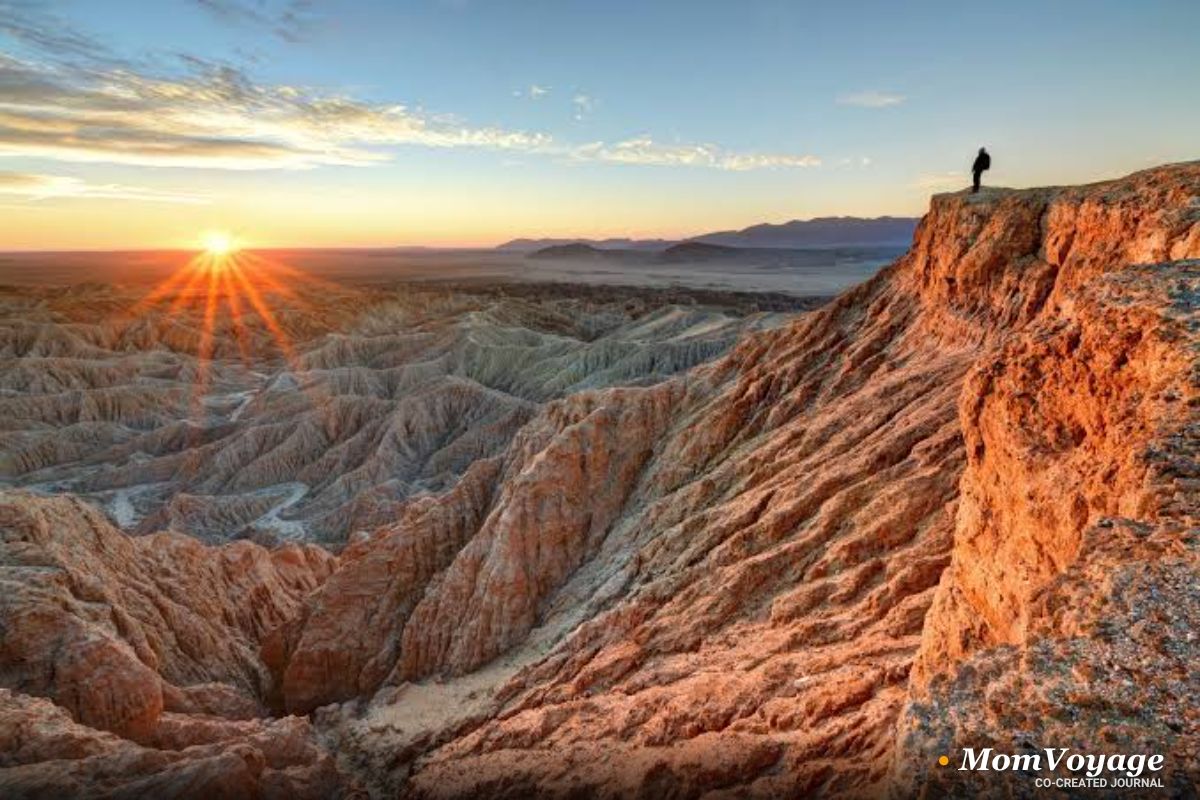
Anza-Borrego Desert State Park: The Intimate Canyon Trails. Beyond the Visitor Center: Skip the initial crowds at the main Visitor Center. Head directly to trailheads that offer more secluded experiences. Slot Canyon Secrets: While the Palm Canyon Trailhead is popular, don't just stick to the main trail. Explore the narrower, lesser-known side canyons branching off from it. These offer a more intimate and adventurous Slot Canyon experience. Look for subtle openings and follow your intuition (and a good map!). The "Third Canyon": Ask a ranger or local about the "Third Canyon" accessible from the vicinity of the Palm Canyon Trailhead. It often offers a more challenging but rewarding exploration. Font's Point Revelation: For a truly awe-inspiring, panoramic view of the badlands, Font's Point is a must. It requires driving on a sandy dirt road, so a high-clearance vehicle is recommended, or you can join a guided tour. The drive is part of the adventure!
Mojave National Preserve: Untamed Joshua Tree Forests. Teutonia Peak Trail - A Joshua Tree Wonderland: For a truly unique and less trafficked panorama, the Teutonia Peak Trail is an absolute revelation. This trail winds through a spectacular forest of Joshua Trees, with some of the most ancient and gnarled specimens in the park. It feels like stepping into another world, far removed from the main roads. Kelso Dunes: Whispering Sands: While popular, arriving early in the morning or late in the afternoon at Kelso Dunes allows for a more serene experience. Hike to the crest of the dunes and listen for the "singing" or "booming" sound the sand can make when disturbed by wind or footsteps. Hole-in-the-Wall Rings Trail: This short, but adventurous trail offers a unique geological experience. You'll scramble through narrow canyons using metal rings to assist your climb. It's a fun and visually striking stop.
**Taste of the Desert: Fueling Your Adventure with Local Flavors**
The desert's culinary scene might be understated, but it's full of authentic, delicious surprises.
Ridgecrest, California: Unassuming Delights. "In-N-Out" Style Burger Havens: For a budget-friendly and satisfying meal, seek out local diners that emulate the classic California burger joint. Ask locals for their favorite spot – many offer surprisingly good burgers with fresh ingredients. Look for places with a dedicated following. Taqueria Treasures: Ridgecrest boasts some incredible, unassuming taquerias. Don't be afraid to try them! Carne Asada tacos, seasoned and grilled to perfection, are a common and often outstanding offering. Look for places with a steady stream of local customers.
Joshua Tree Town & Surrounds: Quirky and Hearty. The Legendary "Fat Rabbit" Sandwich: This is a local institution! You'll find variations of this hearty, satisfying sandwich at several cafes in the Joshua Tree area. It's typically a generous portion of roasted meats, cheese, and delicious toppings on robust bread – the perfect fuel after a day of exploration. Crossroads Cafe is a well-known spot to try it. Desert Oasis Coffee & Eats: Look for small, independent cafes. They often serve delicious coffee brewed with care and have unique food offerings. Roadside Stand Treasures: Always, and I mean always, ask locals for their favorite roadside stands. You'll find the freshest dates (Medjool dates are divine!), local jerky, and sometimes even homemade pies or jams. These are often cash-only and incredibly rewarding finds.
Desert Drinks: Prickly Pear Lemonade/Iced Tea: Keep an eye out for this refreshing, vibrant drink made from the fruit of the prickly pear cactus. It has a unique, slightly tart and sweet flavor. Local Craft Beer: As desert towns grow, so do their craft beer scenes. Many offer brews with desert-inspired names and flavors.
**Logistical Pitfalls & Pro-Tips: Navigating the Arid Expanse**
The desert demands respect and preparation. These tips will ensure a smooth and safe journey.
The Golden Rule of Gas: Fill up your gas tank WHENEVER you see a gas station, even if it's only half-full. Distances between services can be vast and unpredictable. Running out of gas in the desert is not just an inconvenience; it's a serious safety hazard. Digital Detox & Navigation: Download Offline Maps: Cell service is notoriously spotty to non-existent in most park interiors and remote desert roads. Download offline maps of the entire region on your GPS device or smartphone app (like Google Maps, Maps.me, or Gaia GPS) before you lose service. Physical Maps Are Your Friend: Carry a physical, up-to-date map of the parks and surrounding areas. They are reliable even when technology fails. Communicate Your Itinerary: Let someone know your planned route and expected return time, especially if you're venturing off well-traveled paths. The Hydration Imperative: Pack More Water Than You Think You Need: This cannot be stressed enough. Dehydration is a serious and rapid risk in desert environments. A good rule of thumb is at least one gallon of water per person per day, and always have extra for emergencies. Electrolytes Are Key: Beyond water, consider carrying electrolyte supplements or drinks to replenish salts lost through sweating. Hydration Stations: While rare, be aware of any designated water refill stations within the parks and utilize them if available. Vehicle Preparedness: Tire Check: Ensure your tires are in excellent condition and properly inflated. The desert terrain can be rough. A spare tire and the tools to change it are essential. Cooling System Vigilance (Especially for Death Valley in Summer): As mentioned, a well-maintained cooling system is paramount. Check coolant levels before your trip and monitor your temperature gauge. High-Clearance Vehicle: For accessing more remote areas or unpaved roads (like Font's Point), a high-clearance vehicle or 4x4 is highly recommended. Sun Protection is Non-Negotiable: Wide-Brimmed Hats: Essential for protecting your face and neck. Sunscreen: High SPF, and reapply frequently. Sunglasses: Protect your eyes from the intense glare. Lightweight, Long-Sleeved Clothing: Provides a barrier against the sun and can actually help keep you cooler than exposing bare skin.
**Safety and Etiquette: Respecting the Desert's Delicate Balance**
The desert is a living ecosystem. Tread lightly and with reverence.
Leave No Trace Principles: Pack out everything you pack in, including all trash, food scraps, and even organic materials like fruit peels. Stay on Designated Trails: Walking off-trail can damage fragile desert soils, disrupt vegetation, and disturb wildlife habitats. The desert landscape can also be deceptive; unseen washes or unstable ground can pose hazards. Respect Wildlife: Maintain a safe distance from all animals. Do not feed them, as this can disrupt their natural behaviors and diets. Be aware of snakes, scorpions, and other creatures that call the desert home. Wear sturdy shoes. Photography Etiquette: While capturing the desert's beauty is a joy, be mindful of your surroundings. Do not disturb plants or rocks for the perfect shot. Be respectful of other visitors' experiences. Campfire Safety: If campfires are permitted, use designated fire rings and ensure they are completely extinguished before leaving. Be aware of fire restrictions, which are common in desert areas. Noise Levels: The desert's serenity is a significant part of its appeal. Keep noise levels to a minimum, especially in natural areas. Awareness of Your Surroundings: Always be aware of the weather forecast. Desert storms can appear suddenly and bring flash floods, high winds, and lightning. If you see dark clouds gathering, seek shelter immediately.
By embracing these insider tips, you'll transform your desert journey from a simple sightseeing trip into a profound and unforgettable experience. Enjoy the vastness, the silence, and the enduring spirit of the USA's desert soul.
Common Questions
Frequently Asked Questions
Q: What is the best time of year to visit the American deserts?
A: The shoulder seasons – spring and fall – generally offer the most pleasant temperatures for exploring desert landscapes. Summer can be extremely hot, especially in places like Death Valley. Winter is mild and can be beautiful, but some higher elevation areas might experience frost.
Q: What essential items should I pack for a desert trip?
A: Sun protection (hat, sunglasses, sunscreen), plenty of water, sturdy hiking shoes, layers of clothing (as temperatures can fluctuate significantly), a first-aid kit, and a reliable map or GPS are crucial.
Q: Are there any specific safety concerns in desert environments?
A: Staying hydrated, being aware of wildlife (like rattlesnakes), understanding the risks of flash floods, and letting someone know your itinerary are important safety precautions.