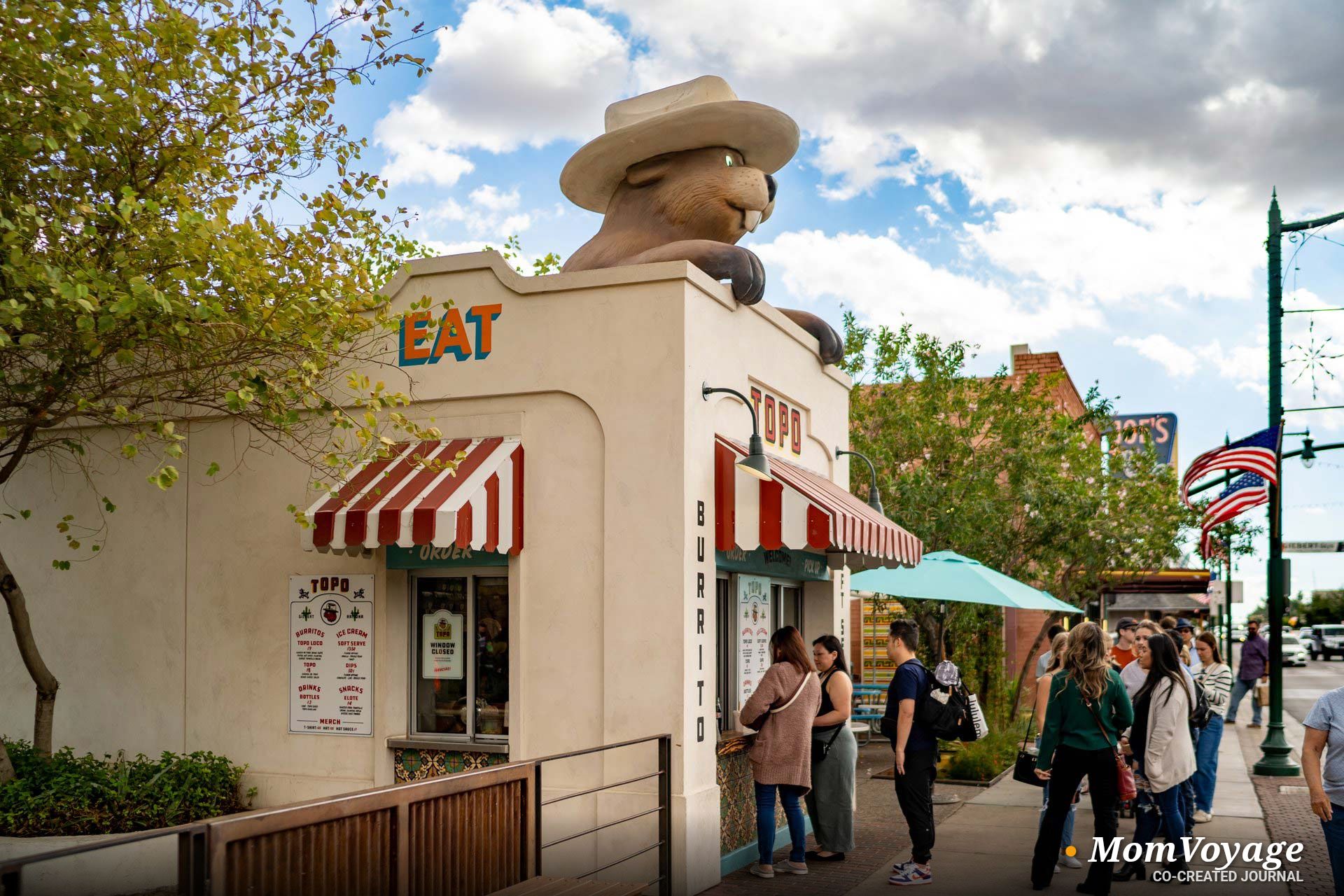
Embark on an epic road trip from Gilbert, AZ to Toledo, OH! Explore desert beauty and Midwestern wonders with our curated guide to sights, tastes, and insider tips.
Gilbert to Toledo: A Desert Oasis to Midwestern Charm
The vast expanse of the United States offers an incredible tapestry of landscapes and cultures. A road trip from Gilbert, Arizona, to Toledo, Ohio, traverses this diversity, moving from the arid beauty of the Sonoran Desert to the lush, Great Lakes region. This journey is more than just miles on a map; it's an exploration of contrasting environments, unique histories, and the evolving American spirit.
The Desert Jewel: Gilbert, Arizona
Gilbert, Arizona, located in the Phoenix metropolitan area, is known for its family-friendly atmosphere, vibrant downtown, and access to stunning desert scenery. It offers a gateway to outdoor adventures, from hiking in the Superstition Mountains to exploring the Desert Botanical Garden. The charm of Gilbert lies in its blend of modern amenities and the rugged, natural beauty that defines the American Southwest.
The Midwestern Port: Toledo, Ohio
Further east, Toledo, Ohio, emerges as a resilient industrial city with a rich history deeply intertwined with the Great Lakes and the Maumee River. Once a bustling center of manufacturing and trade, Toledo has undergone a significant transformation, reinventing itself with a focus on arts, culture, and revitalized waterfront spaces. Its strategic location on the western edge of Lake Erie has shaped its identity, fostering a unique blend of Midwestern practicality and a forward-looking vision. The city's diverse neighborhoods, from historic Old West End to the revitalized downtown, offer a palpable sense of community and a welcoming atmosphere for residents and visitors alike.
Desert Vistas vs. Lakeside Breezes: A Comparative Landmark Analysis
The journey from Gilbert to Toledo presents a fascinating contrast in natural and cultural landmarks, each embodying the spirit of its region. In Arizona, the iconic Superstition Mountains stand as a testament to the raw, untamed beauty of the Sonoran Desert. In Ohio, the Toledo Museum of Art represents a pinnacle of cultural achievement and a beacon of artistic expression.
The Superstition Mountains: Arizona's Rugged Majesty
The Superstition Mountains, a majestic range east of Phoenix and a stone's throw from Gilbert, are more than just a geological formation; they are a canvas of legend and a playground for adventurers. Their jagged peaks, carved by millennia of wind and water, create a dramatic silhouette against the often-cerulean Arizona sky. The name itself whispers tales of mystery and adventure, fueled by the enduring legend of the Lost Dutchman's Gold Mine, a story that has captivated treasure hunters and hikers for generations.
Geological Wonder: Composed primarily of volcanic rock, the mountains boast a unique and rugged topography characterized by steep canyons, towering spires, and expansive plateaus. This geological diversity supports a rich ecosystem, home to saguaro cacti, ocotillo, palo verde trees, and a surprising array of desert wildlife, including javelinas, coyotes, and various bird species. Recreational Paradise: For outdoor enthusiasts, the Superstitions offer an unparalleled experience. Trails range from easy nature walks to challenging multi-day backpacking routes. Popular destinations include: Lost Dutchman State Park: This park provides direct access to hiking trails, including the challenging Peralta Trail that leads to Jacob's Crosscut and the legendary Weaver's Needle. Hieroglyphic Canyon: Discover ancient petroglyphs left by the Hohokam people, offering a glimpse into the region's prehistoric past. Apache Trail: A scenic byway that winds through the foothills, offering breathtaking panoramic views and access to various trailheads. Cultural Significance: Beyond its natural beauty, the Superstition Mountains hold deep cultural and historical significance. The area was once inhabited by Native American tribes, most notably the Apache, who left behind their own stories and legends. The mining boom of the late 19th and early 20th centuries added another layer of history, with tales of prospectors and their enduring quest for riches.
The Toledo Museum of Art: Ohio's Cultural Beacon
In stark contrast to the wild, untamed landscapes of Arizona, the Toledo Museum of Art in Ohio stands as a monument to human creativity and a repository of artistic masterpieces. Established in 1901, the museum is renowned for its exceptional collections, particularly in glass art, but also for its impressive holdings of European and American paintings, ancient artifacts, and decorative arts.
World-Class Glass Pavilion: The museum's Glass Pavilion, a striking architectural achievement in itself, is arguably its most celebrated feature. It houses one of the most comprehensive collections of glass in the world, showcasing pieces from ancient Egypt to contemporary studios. The interactive nature of the pavilion, with live glassblowing demonstrations, makes it a captivating experience for visitors of all ages. Diverse Artistic Spectrum: Beyond glass, the museum boasts a remarkable collection spanning centuries and continents. Key areas include: European Paintings: Works by masters such as El Greco, Rembrandt, Rubens, and Renoir are featured, offering a journey through art history. American Art: A strong representation of American artists from the colonial period to the present day, including notable Impressionist and modern works. Ancient Egyptian and Greek Art: A curated selection of artifacts that provide insight into the civilizations of antiquity. Decorative Arts: Exquisite examples of furniture, ceramics, and metalwork from various periods. Community Engagement: The Toledo Museum of Art is not just a place to view art; it's a vibrant center for community engagement. It offers extensive educational programs, workshops, lectures, and special exhibitions that cater to diverse interests and age groups. The museum's commitment to making art accessible to everyone has solidified its position as a cultural cornerstone of the Midwest.
Comparative Insights:
While the Superstition Mountains offer an experience of awe inspired by nature's grandeur and a connection to the raw, untamed spirit of the Southwest, the Toledo Museum of Art provides a more introspective and intellectual engagement with human ingenuity and aesthetic expression. One invites exploration of rugged landscapes and ancient mysteries, while the other invites contemplation of artistic heritage and cultural evolution. The former speaks of enduring geological forces and the allure of the unknown; the latter celebrates the power of human vision and the creation of beauty. Both, however, represent defining landmarks that shape the identity of their respective regions and offer profound experiences to those who seek them out.
The Open Road: Navigating the Transcontinental Shift
Embarking on a road trip from Gilbert, Arizona, to Toledo, Ohio, is an exercise in experiencing America's vastness and its dramatic environmental shifts. The drive itself is a journey through changing landscapes, climate zones, and cultural echoes. From the fiery reds and oranges of the Arizona desert to the verdant greens of the Midwest, the transition is gradual yet profound.
Desert to Plains: The initial legs of the journey will likely involve traversing vast stretches of the Sonoran Desert, with its iconic saguaros and arid vistas. As you head east and north, the landscape will slowly begin to soften. You'll witness the transition from desert scrub to sparse grassland, then to the rolling plains of states like New Mexico, Oklahoma, and Kansas. This region is characterized by wide-open skies, agricultural fields, and a distinct sense of space. The Great Plains and Beyond: Crossing the Great Plains offers a unique perspective on America's agricultural heartland. Vast fields of corn, wheat, and soybeans stretch to the horizon, a testament to the nation's food production capabilities. The transition becomes more pronounced as you enter states like Missouri and eventually Ohio, where the landscape grows more undulating and dotted with deciduous forests. Approaching the Great Lakes: The closer you get to Toledo, the more you'll feel the influence of the Great Lakes. The air may become more humid, and you'll notice more frequent bodies of water. The topography will likely become gentler, with rolling hills and fertile farmlands. This gradual shift prepares you for the distinct environment of the Lake Erie region.
Gilbert's Cultural Tapestry: More Than Just Desert Sun
While the natural beauty of its desert surroundings is a significant draw, Gilbert, Arizona, offers a rich cultural tapestry woven from its history, community events, and burgeoning arts scene. It's a place that balances modern suburban living with a distinct Southwestern charm.
Historic Downtown Gilbert: This vibrant hub is the heart of Gilbert's community life. Once a quiet agricultural town, it has been meticulously revitalized to become a destination for dining, shopping, and entertainment. Local Eateries: From farm-to-table restaurants to casual cafes, Downtown Gilbert boasts a diverse culinary scene. Enjoy a meal at a historic building or a trendy gastropub. Boutique Shopping: Discover unique gifts, clothing, and home décor at the independent shops that line the streets. Artisan Markets: Seasonal farmers' markets and artisan fairs bring local crafts and produce to the forefront, fostering a strong sense of community. Family-Friendly Focus: Gilbert consistently ranks as one of the best places to live for families. This focus is evident in its numerous parks, excellent school districts, and a plethora of community events designed to engage residents of all ages. Riparian Preserve at Water Ranch: A haven for wildlife and a popular spot for birdwatching and nature walks, this preserve showcases the desert's ability to support diverse ecosystems. Gilbert Days Festival: An annual celebration featuring parades, carnival rides, and live entertainment, embodying the town's community spirit. Gateway to Southwestern Heritage: Gilbert serves as an excellent base for exploring the broader cultural heritage of Arizona and the Southwest. Mesa Arts Center: A short drive away, this center hosts a wide range of performances, exhibitions, and educational programs, showcasing regional and national talent. Heard Museum (Phoenix): Dedicated to the art and culture of Native Americans, this museum offers a profound understanding of the region's indigenous heritage.
Toledo's Renaissance: From Industrial Might to Cultural Flourishing
Toledo, Ohio, has long been recognized for its industrial legacy, particularly in the automotive and glass manufacturing sectors. However, the city has undergone a remarkable transformation in recent decades, shedding its purely industrial image and embracing a vibrant cultural renaissance that is revitalizing its downtown, waterfront, and neighborhoods.
The Maumee Riverfront and Promenade Park: The revitalization of the Maumee Riverfront has been a cornerstone of Toledo's renaissance. Promenade Park, a modern urban oasis, offers stunning views of the river and the iconicérables Bridge. It's a hub for community events, concerts, and recreational activities, drawing residents and visitors to enjoy the waterfront. Waterfront Activities: Kayaking, paddleboarding, and boat tours are increasingly popular, allowing people to experience the Maumee River firsthand. Concerts and Festivals: Promenade Park frequently hosts music festivals, cultural celebrations, and other public gatherings, fostering a lively atmosphere. The Old West End: This historic neighborhood is a treasure trove of Victorian architecture, with grand mansions and charming bungalows that whisper tales of Toledo's prosperous past. The Old West End is renowned for its: Architectural Tours: Visitors can marvel at the diverse architectural styles, from Queen Anne to Italianate, and learn about the families who once resided in these magnificent homes. Artistic Spirit: The neighborhood is home to numerous artists, galleries, and studios, contributing to a bohemian and creative atmosphere. Annual Historic Home Tour: This popular event allows the public to step inside some of the most beautifully preserved homes in the district. The National Museum of the Great Lakes: Located on the waterfront, this museum offers a deep dive into the maritime history of the Great Lakes, the largest body of fresh water in the world. It's a captivating exploration of shipping, trade, and the people who have shaped the region's identity through its waterways. Historic Vessels: The museum features several historic vessels, including the 1903 steamer Col. James M. Schoonmaker, offering an immersive experience of life on the Great Lakes. Exhibits on Commerce and Industry: Discover the vital role the Great Lakes have played in American commerce and industry, from early exploration to modern-day shipping.
The Great Lakes' Influence: A Midwestern Heartbeat
The presence of the Great Lakes, particularly Lake Erie, profoundly influences Toledo's climate, economy, and cultural identity. This vast freshwater system is more than just a geographical feature; it's a vital artery that has shaped the region's history and continues to define its present and future.
Climate Moderation: The immense thermal mass of Lake Erie acts as a moderating influence on Toledo's climate. Summers are generally cooler and less humid than inland areas, while winters are tempered, with less extreme cold. This results in a more comfortable four-season experience. Economic Engine: Historically, the Great Lakes have been crucial for Toledo's economic development. The port of Toledo remains an important hub for shipping and trade, facilitating the movement of goods like coal, grain, and iron ore. The fishing industry, though less dominant than in the past, still contributes to the local economy. Recreational Opportunities: The proximity to Lake Erie provides abundant recreational opportunities for Toledo residents. Beaches and Boating: Numerous public beaches offer opportunities for swimming, sunbathing, and water sports. Marinas and boat launches cater to recreational boaters of all kinds. Fishing: Lake Erie is renowned for its excellent walleye and perch fishing, attracting anglers from across the country. Island Getaways: Nearby islands, such as the popular Put-in-Bay, offer charming vacation destinations accessible by ferry. Environmental Significance: The Great Lakes ecosystem is of immense ecological importance. Toledo, like other lakefront communities, is increasingly focused on environmental stewardship, addressing issues such as water quality and conservation to protect this invaluable natural resource for future generations.
The American Spirit: A Tale of Two Cities
The contrasting journeys from Gilbert, Arizona, to Toledo, Ohio, encapsulate the diverse spirit of America. Gilbert represents the dynamism and outward-looking optimism of the Sunbelt, a region embracing growth and modern living while cherishing its rugged natural heritage. It's a place where innovation meets a family-friendly ethos, set against a backdrop of breathtaking desert landscapes.
Toledo, on the other hand, embodies the resilience and adaptive spirit of the Rust Belt and the Midwest. It's a city that has faced economic challenges and has emerged with a renewed sense of purpose, prioritizing its cultural assets, community development, and the revitalization of its natural resources. The city's transformation speaks to the enduring strength of American cities to reinvent themselves and find new paths forward.
This road trip highlights:
Regional Identity: The distinct cultural flavors of the Southwest and the Midwest are evident in everything from local cuisine and architectural styles to the pace of life and the prevailing attitudes. Economic Evolution: Observing the shifts from a resource-based economy in the desert to a more diversified, service-oriented economy in the Great Lakes region offers insights into America's ongoing economic transformations. Human Ingenuity: Whether it's harnessing the desert's potential for modern living or transforming industrial landscapes into vibrant cultural centers, the journey showcases human adaptability and creativity.
Ultimately, the drive from Gilbert to Toledo is a microcosm of the American experience – a continuous movement, a constant evolution, and a testament to the diverse tapestry of landscapes, histories, and people that make up the United States. It's a journey that rewards the traveler with a deeper appreciation for the nation's multifaceted identity.
Journey Highlights
- Journey from the desert Southwest to the Great Lakes region. - Explore the family-friendly atmosphere and natural beauty of Gilbert, AZ. - Discover the industrial heritage and vibrant arts scene of Toledo, OH. - Compare the natural oasis of The Riparian Preserve at Water Ranch with the artistic treasures of the Toledo Museum of Art. - Get practical tips for making this cross-country adventure seamless.
Local Secrets & Insider Tips
someone who's traversed this route more times than I can count, let me give you the real scoop. This isn't just about getting from point A to point B; it's about savoring the journey.
Timing Your Desert Departure: If you're starting in Gilbert, get on the road by 7:00 AM, especially if you're heading east on US-60. This allows you to beat the worst of the morning rush hour traffic leaving the Phoenix area and catch the sunrise over the desert – it's truly magical.
Mid-Route Respite - The Unexpected Gem: Forget the generic highway rest stops. If your route takes you through New Mexico, make a detour to Madrid, NM. It's an old coal mining town turned artist colony, just off I-25. Arrive mid-morning, around 10:00 AM, before the day-trippers from Santa Fe descend. Grab a coffee and a biscochito (a traditional New Mexican cookie) at The Mine Shaft. It’s a quirky, colorful stop that feels like stepping back in time.
Navigating the Great Lakes Approach: As you get closer to Ohio, especially if you come up through Indiana, aim to pass through major cities like Indianapolis or Chicago before 7:00 AM or after 6:00 PM. Rush hour in these areas is no joke and can add hours to your drive. Consider an overnight stop in a smaller town just outside the immediate metro area to bypass the worst congestion.
Toledo's Culinary Secrets: Skip the chain restaurants near the highway. For authentic Toledo flavor, head to Tony Packo's Cafe (yes, the one Klinger from MASH mentioned). Their Hungarian hot dogs are a must-try, but don't overlook the dill pickles they serve – they’re legendary. For something more contemporary, check out the Adams Street area downtown; places like Registry Bistro offer farm-to-table dishes. If you're there during the summer, get a perch sandwich from a local fish fry – it's a regional delicacy.
Logistical Pitfalls to Avoid:
- Tire Pressure: The drastic temperature changes between Arizona's heat and potential Midwestern chill can affect tire pressure. Check it daily, especially after long driving stints. - Gas Stations in Remote Areas: Once you leave the immediate vicinity of major cities in Arizona, New Mexico, and parts of Kansas/Missouri, gas stations can become scarce. Fill up whenever you see a station in a town, rather than waiting until your tank is nearly empty. - Sun Glare: Arizona sun is intense. Invest in good quality sunglasses and a sunshade for your windshield. The glare bouncing off the dashboard can be surprisingly fatiguing. - Lake Effect Snow (Winter Travel): If you're traveling in late fall or winter, be aware of 'lake effect snow' near Lake Erie. It can cause sudden, intense snowfall in localized areas, even if the forecast elsewhere looks clear. Stay updated on local weather reports.
Common Questions
Frequently Asked Questions: Gilbert, AZ to Toledo, OH Road Trip
Here are some frequently asked questions about planning your road trip from the desert landscapes of Gilbert, Arizona, to the Midwestern charm of Toledo, Ohio:
**What is the optimal time of year to embark on a road trip from Gilbert, AZ to Toledo, OH?**
The most favorable times of year for this cross-country journey are Spring (April to May) and Fall (September to October). These shoulder seasons provide a balance of pleasant temperatures and milder weather across the varied climatic zones you will traverse. Traveling during the peak of summer (June-August) can subject you to extreme heat in Arizona and high humidity in Ohio, making driving and outdoor exploration less comfortable. Conversely, venturing out in winter (November-March) carries the risk of snow, ice, and challenging driving conditions, particularly through the Rocky Mountains and the Midwest.
**What is the estimated duration of the drive from Gilbert, AZ to Toledo, OH?**
The direct driving time, assuming continuous travel without significant stops, is approximately 26 to 30 hours. However, for safety, enjoyment, and to mitigate driver fatigue, it is strongly recommended to divide this trip into at least 3 to 4 days. This allows for adequate rest, opportunities to explore points of interest, and more relaxed driving segments.
**What are some recommended must-see destinations and attractions along the route from Gilbert, AZ to Toledo, OH?**
The specific "must-see" stops will depend on your chosen route and personal interests. However, here are some popular and rewarding options:
Northern Arizona: Consider a detour to Flagstaff, AZ, a gateway to the Grand Canyon and home to historic Route 66 charm. New Mexico: Santa Fe, NM, offers a rich cultural tapestry with its adobe architecture, art galleries, and unique Southwestern cuisine. Colorado: Denver, CO, the "Mile High City," provides access to the Rocky Mountains, breweries, and a vibrant urban scene. Missouri: Kansas City, MO, is renowned for its incredible barbecue, jazz music heritage, and numerous museums. Illinois: Chicago, IL, offers world-class museums, stunning architecture, iconic landmarks, and a lively culinary landscape.
Other potential stops could include national parks like Arches or Canyonlands in Utah, historic towns in Oklahoma, or agricultural heartlands of the Midwest.
**What are the primary challenges and considerations for this specific road trip route?**
Several factors require careful planning and preparation for this extensive road trip:
Weather Variability: As mentioned, weather is a significant challenge. Be prepared for potential extreme heat in the Southwest, thunderstorms in the Plains states, and winter weather (snow, ice, high winds) in higher elevations and the Midwest, especially during transitional seasons. Always check weather forecasts along your entire route before and during your trip. Altitude Changes: Travelers will experience significant changes in elevation, particularly when driving through Arizona and Colorado. This can affect vehicle performance (especially for older cars) and potentially impact individuals sensitive to altitude. Stay hydrated and be aware of your body's reactions. Vehicle Preparedness: Given the long distances and diverse conditions, ensure your vehicle is in excellent mechanical condition. This includes checking tires, brakes, fluids, battery, and having a thorough inspection before departure. Carrying an emergency kit with essentials like water, blankets, a first-aid kit, and basic tools is highly advisable. Long Driving Days: If you opt for a shorter trip duration, be prepared for extended periods behind the wheel. Plan your daily driving limits, schedule regular breaks, and consider sharing driving responsibilities if traveling with others. Fuel and Services: While major interstates are well-serviced, there can be stretches with fewer fuel stops and services, particularly in more rural or mountainous areas. Plan your fuel stops strategically, especially when entering or leaving national parks or remote regions.