Plan your dream Granada trip in 2026! Our insider guide reveals the best times to visit the Alhambra, secret viewpoints, and authentic tapas bars. Your unforgettable Andalusian adventure awaits.
Granada: An Andalusian Jewel
Welcome to Granada, a city where history whispers from ancient walls and vibrant culture pulses through narrow streets. Nestled at the foot of the Sierra Nevada mountains, Granada is a tapestry woven with Moorish, Jewish, and Christian influences, offering a sensory feast for every traveler. From the breathtaking Alhambra to the lively tapas scene, this guide will help you navigate the magic of this Andalusian gem. This 7-day itinerary is designed to immerse you in the heart of Granada, uncovering its most celebrated landmarks and its best-kept secrets.
Day 1-2: The Majestic Alhambra and Generalife
No visit to Granada is complete without exploring the Alhambra, a UNESCO World Heritage site. This palace and fortress complex is a masterpiece of Islamic architecture, with intricate tilework, tranquil courtyards, and stunning views over the city. The Generalife, the sultans' summer palace, offers beautiful gardens with cascading fountains and fragrant flowers. Booking your tickets well in advance, ideally months ahead, is paramount for 2026 as this iconic site continues to draw visitors from across the globe. Consider purchasing tickets that include access to the Nasrid Palaces, the Alcazaba fortress, and the Generalife gardens.
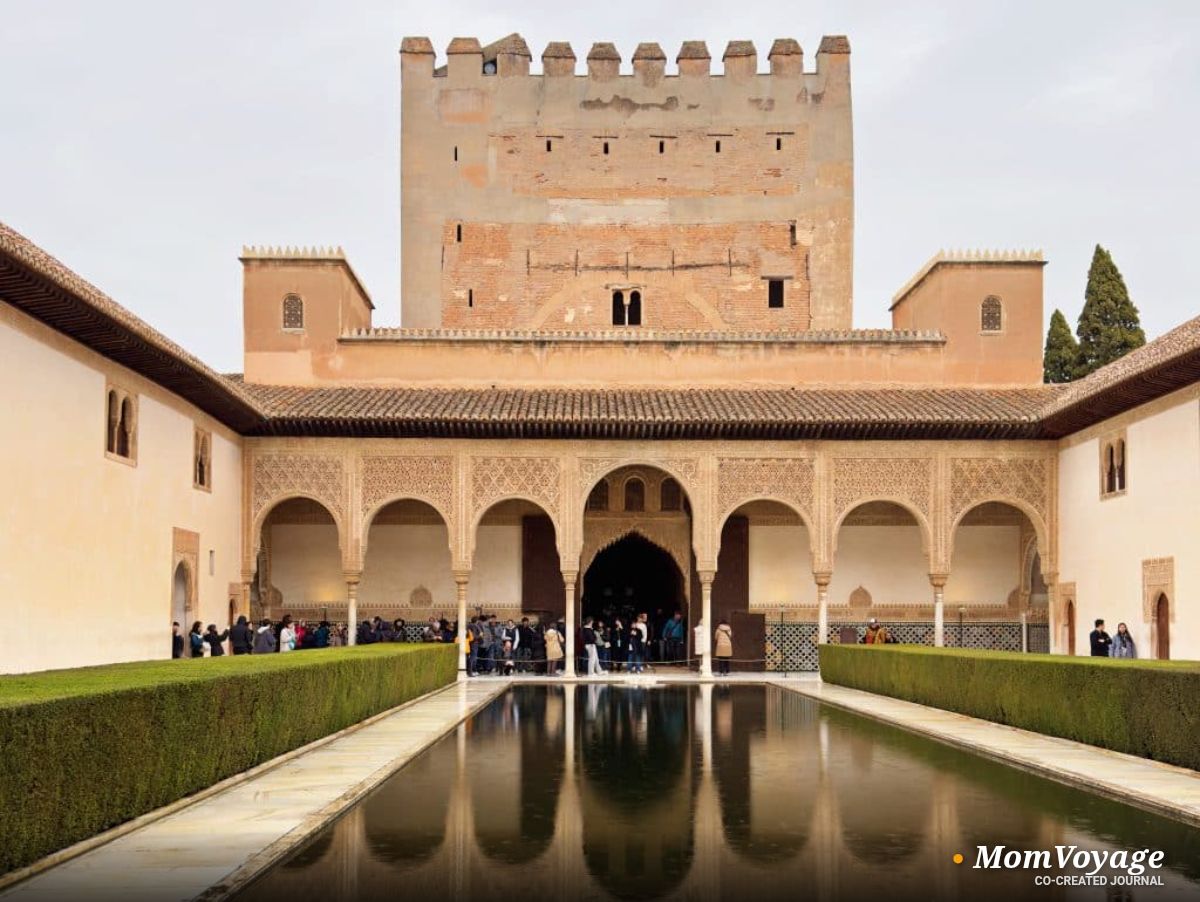
Day 1: Immerse Yourself in the Nasrid Palaces and Alcazaba Your first day is dedicated to the heart of the Alhambra complex: the Nasrid Palaces. These are the opulent residential and administrative quarters of the Nasrid rulers and are truly the crown jewel. Prepare to be mesmerized by the intricate stucco work, the delicate muqarnas (stalactite vaulting), and the serene courtyards like the Court of the Lions and the Court of the Myrtles. Allocate a significant portion of your day to absorb the details and the atmosphere. Following the palaces, ascend the Alcazaba, the oldest part of the Alhambra. Its ramparts offer panoramic vistas of Granada and the Albaicín district, providing a sense of the strategic importance of this fortress. The Torre de la Vela (Watchtower) is an absolute must-climb for its unparalleled 360-degree views.
Day 2: Wander the Generalife Gardens and Alhambra Museum Dedicate your second day to the Generalife, the sultans' summer retreat. This is where you'll find the essence of Andalusian garden design. Stroll through the Patio de la Acequia (Court of the Water Channel) with its iconic long reflecting pool and spouting fountains. Explore the Jardin de la Sultana, a more intimate and romantic garden. The water features throughout the Generalife are not just decorative; they were an integral part of the cooling and irrigation systems of the palaces. After soaking in the tranquility of the gardens, visit the Alhambra Museum, located in the Palacio de Carlos V, to gain deeper insights into the history and art of the complex. Look for pieces of original tilework, architectural fragments, and historical artifacts that tell the story of this magnificent site.
Day 3: The Enchanting Albaicín and Sacromonte Neighborhoods
Step back in time as you explore the labyrinthine streets of the Albaicín, Granada's ancient Moorish quarter. This UNESCO World Heritage site is a maze of narrow, winding alleys, whitewashed houses adorned with colorful flowers, and hidden plazas. Getting lost here is part of the experience, revealing unexpected views and charming corners at every turn. The Sacromonte, adjacent to the Albaicín, is famous for its cave dwellings, traditionally inhabited by the Roma community, and its flamenco heritage.
Discovering the Albaicín's Charms: Start your exploration at the Mirador de San Nicolás, one of the most iconic viewpoints in Granada, offering a breathtaking sunset panorama of the Alhambra. Arrive early to secure a good spot. Wander down through the steep, cobbled streets, admiring the traditional cármenes (historic houses with enclosed gardens). Visit the Cuarto Real de Santo Domingo, a former royal residence that showcases a beautiful example of Moorish architecture. Don't miss the Iglesia de San Salvador, built on the site of a former mosque, offering a blend of architectural styles. The aroma of spices and blooming jasmine will fill the air as you navigate this historic district.
Experiencing Sacromonte's Soul: From the Albaicín, make your way to Sacromonte. Explore the Museo Cuevas del Sacromonte (Sacromonte Caves Museum) to understand the unique history and lifestyle of the cave dwellers. In the evening, experience an authentic flamenco show in one of Sacromonte's cave venues. This is a raw and passionate performance that connects you to the heart of Andalusian culture. The intimate setting of the caves amplifies the intensity of the music and dance, creating an unforgettable experience. Be prepared for spontaneous performances and an electrifying atmosphere.
Day 4: Royal Charms and Cathedral Grandeur
Delve into the Christian legacy of Granada by visiting the Royal Chapel and the Granada Cathedral. These magnificent structures stand as testaments to the city's reconquest and its subsequent transformation. The Royal Chapel houses the tombs of the Catholic Monarchs, Isabella I of Castile and Ferdinand II of Aragon, whose reign marked a pivotal moment in Spanish history. The Cathedral, a Renaissance masterpiece, showcases impressive architectural design and rich artistic treasures.
The Royal Chapel: A Royal Burial Site: The Capilla Real (Royal Chapel) is a must-see for its historical significance. As you enter, you'll immediately feel the weight of history. The opulent tombs of Isabella and Ferdinand are the centerpiece, adorned with intricate sculptures. Adjacent to the chapel is the Old Cathedral, an earlier Gothic structure, which provides a striking contrast. Take time to admire the collection of religious art and artifacts within the chapel, including Isabella's devotional items and Flemish paintings. The adjacent treasury is also worth a visit for its collection of royal regalia.
Granada Cathedral: A Renaissance Marvel: The Catedral de Granada is a stunning example of Renaissance architecture, a project initiated by Isabella the Catholic. Its imposing facade and grand interior are awe-inspiring. Look for the magnificent altarpiece, the intricate stained-glass windows that bathe the interior in a colorful glow, and the dome, which is a feat of engineering. The Chapel of the Virgin of Sorrows and the Choir stalls are particularly noteworthy. Consider taking a guided tour to fully appreciate the architectural details and historical context of this immense cathedral.
Day 5: Culinary Adventures and Tapas Delights
Granada is renowned for its vibrant tapas culture, where ordering a drink often comes with a complimentary small dish of food. This tradition makes exploring the city's culinary scene an affordable and exciting adventure. From traditional taverns to more modern establishments, there's a tapas experience to suit every palate. Prepare your taste buds for a gastronomic journey through authentic Andalusian flavors.
Tapas Crawl Through the City Center: Embark on a tapas crawl starting in the bustling city center around Plaza Nueva and Calle Elvira. These streets are packed with bars, each offering their unique specialties. Try classic tapas like tortilla española (Spanish omelette), jamón serrano (cured ham), gambas al ajillo (garlic shrimp), and patatas bravas (fried potatoes with spicy sauce). Don't be afraid to try something new; the small portions make it easy to sample a wide variety. Consider visiting traditional bars like Los Diamantes for their seafood tapas or Bodegas Castañeda for a classic experience.
Exploring the Alcaicería and Beyond: Venture into the Alcaicería, the old silk market, now a bustling area filled with shops selling local crafts and spices. This is a great place to pick up souvenirs and immerse yourself in the lively atmosphere. As you explore, you'll find smaller, more local tapas bars tucked away in side streets, often offering more authentic and regional specialties. For a more contemporary take on tapas, explore the trendy Realejo district, known for its innovative culinary scene and fusion dishes. Don't forget to sample local wines and sherries to complement your culinary explorations.
Day 6: Day Trip to the Majestic Sierra Nevada
Escape the city's embrace for a day and venture into the breathtaking Sierra Nevada National Park. This mountain range offers stunning natural beauty, from snow-capped peaks in winter to lush green valleys in summer. It's a perfect opportunity to experience the diverse landscapes of Andalusia and enjoy outdoor activities. Whether you're a seasoned hiker or simply seeking a scenic drive, the Sierra Nevada promises an unforgettable experience.
Scenic Drives and Charming Villages: Embark on a scenic drive through the mountains, stopping at picturesque villages like Pampaneira, Bubión, and Capileira in the Poqueira Gorge. These white-washed villages, clinging to the mountainsides, offer incredible views and a glimpse into traditional Alpujarran life. Wander through their narrow streets, admire the unique architecture, and enjoy a leisurely lunch at a local restaurant, savoring the regional cuisine. The air here is crisp and invigorating, a welcome change from the city.
Hiking and Outdoor Adventures: For the active traveler, the Sierra Nevada offers a plethora of hiking trails. From gentle strolls to challenging mountain ascents, there's an option for every fitness level. The Siete Lagunas (Seven Lakes) trail offers stunning glacial landscapes, while the ascent to Mulhacén, Spain's highest peak, is a rewarding challenge for experienced hikers. In winter, the Sierra Nevada is a popular destination for skiing and snowboarding at the Sierra Nevada Ski Resort. Even if you're not participating in strenuous activities, simply enjoying the fresh mountain air and the panoramic vistas is a rejuvenating experience.
Day 7: Artistic Impressions and Farewell Views
On your final day in Granada, dedicate time to exploring some of the city's artistic treasures and revisiting your favorite viewpoints. This is also the perfect opportunity to pick up any last-minute souvenirs or simply soak in the atmosphere of this enchanting city one last time before your departure. Allow for flexibility in your schedule to revisit places that captured your heart or to discover new hidden gems.
Artistic Treasures and Cultural Insights: Visit the Centro José Guerrero, a contemporary art center dedicated to the works of the acclaimed Spanish painter José Guerrero, who was born in Granada. The museum offers a fascinating insight into his abstract expressionist style and his connection to his homeland. For a deeper dive into Andalusian art and history, consider a visit to the Museo Arqueológico de Granada, which houses artifacts from prehistoric times to the Moorish period. This will provide a broader context for the historical layers you've experienced throughout your trip.
Revisiting Favorite Spots and Farewell Views: Head back to a favorite viewpoint for a final look at the Alhambra, perhaps the Mirador de San Miguel Alto for a less crowded perspective, or simply enjoy a leisurely stroll through the Generalife gardens once more. Indulge in a final tapas meal or enjoy a cup of tinto de verano (red wine with lemon soda) at a charming plaza cafe. Reflect on the incredible journey you've had in Granada, a city that truly captures the soul of Andalusia, and begin planning your return for future adventures.
Journey Highlights
- Day 1-2: Explore the Alhambra and Generalife - Day 3: Wander through the Albaicín - Day 4: Discover Sacromonte caves and enjoy a flamenco show - Day 5: Visit Granada Cathedral and the Royal Chapel - Day 6: Experience El Bañuelo and Carmen de los Mártires - Day 7: Leisurely morning and departure
Local Secrets & Insider Tips
Granada, let me share some secrets to truly unlocking its magic beyond the typical tourist trail.
Alhambra Timing is Everything: To experience the Nasrid Palaces without overwhelming crowds, book your entry for the earliest possible slot, around 8:30 AM. Arrive at the ticket office or entrance at least 30-45 minutes prior to your timed entry, as security lines can be long. For the Generalife gardens, a later afternoon visit, around 4:00 PM, often provides softer light and fewer people.
Hidden Viewpoints & Entrances: Skip the main entrance to the Alhambra for the Alcazaba and explore the Puerta de la Justicia (Justice Gate) for a less congested entry into the wider Alhambra complex, then make your way to the Nasrid Palaces. For an unforgettable sunset, forget the Mirador de San Nicolás (it's packed!) and head to the Mirador de San Miguel Alto in Sacromonte. It’s a bit of a climb, but the panoramic view of the Alhambra with the city bathed in golden light is unparalleled. Another gem is the Cardeña viewpoint within the Albaicín, offering a more intimate perspective.
Authentic Flavors Beyond the Tourist Traps: For tapas, venture away from Plaza Nueva. Head to the Bar Los Diamantes (Gran Vía de Colón) for exceptional fresh seafood tapas – try their gambas al ajillo (garlic shrimp) or boquerones (fried anchovies). For a sit-down meal with traditional Granadino dishes, seek out Restaurante Ruta del Azafrán for their exquisite 'Rabo de Toro' (oxtail stew) or 'Calabacín Relleno' (stuffed zucchini) – often overlooked but incredibly flavorful. Don't leave without trying 'Piononos', small syrupy pastries, from a local 'pastelería' like La Abuela.
Logistical Nuances: The Albaicín and Sacromonte are incredibly steep and winding. Wear comfortable, sturdy shoes – you'll be doing a lot of walking on uneven cobblestones. If you plan to take a taxi to the top of Sacromonte or the Albaicín, be aware that many streets are pedestrian-only or too narrow for cars; taxis will drop you at the nearest accessible point, often still requiring a significant walk. For the Alhambra, allow ample time to get there from your accommodation; parking is limited and traffic can be slow. Consider walking uphill from the city center if feasible, or using a taxi that knows the specific access routes.
Common Questions
Frequently Asked Questions about Granada
How many days are ideal for Granada?
While you can see the main sights in 2-3 days, 4-5 days truly allows for a deeper immersion into the city's culture, history, and surrounding areas without feeling rushed. This 7-day itinerary provides a comprehensive experience.
What is the best time of year to visit Granada?
Spring (April to May) and Autumn (September to October) offer the most pleasant weather, with mild temperatures perfect for exploring. Summer can be very hot, and winter can be cool, especially with its proximity to the Sierra Nevada.
Do I need to book the Alhambra in advance?
Yes, absolutely! Tickets for the Alhambra, especially the Nasrid Palaces, sell out weeks or even months in advance, particularly during peak season. Book your tickets online through the official Alhambra website as soon as you know your travel dates.
Is Granada a walkable city?
Granada's historic center, including the Albaicín and Sacromonte, is best explored on foot. Be prepared for hilly terrain and many stairs, especially in the old quarters. Public buses are available for longer distances, and taxis are readily accessible.
What are the must-try local dishes in Granada?
Granada is famous for its tapas culture. Many bars offer a free tapa with each drink ordered. Beyond tapas, try 'Olla de San Antón' (a hearty pork and bean stew, especially in winter), 'Habas con jamón' (broad beans with ham), and 'Tortilla del Sacromonte' (a local omelet, often made with brains and sweetbreads - an acquired taste!).