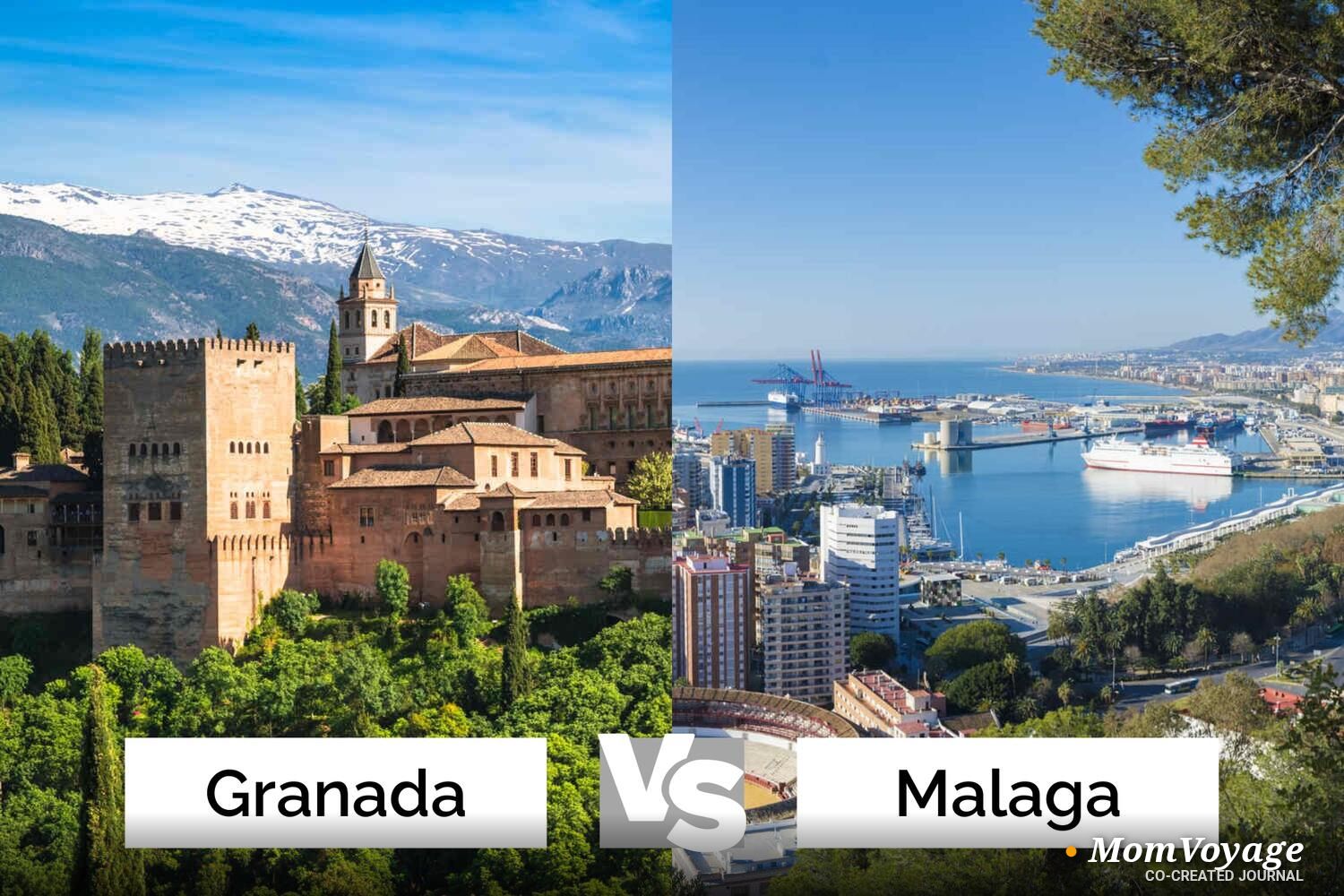
Experience the best of Andalusian dining! Compare Granada and Málaga's unique culinary scenes, from traditional tapas to fresh seafood. Your ultimate food guide awaits.
Granada to Málaga: A Culinary Journey Through Andalusia
Granada and Málaga, two jewels of Andalusia, offer distinct yet equally captivating culinary experiences. While Granada beckons with its time-honored tapas tradition, Málaga enchants with its vibrant coastal flavors and innovative gastronomy. This journey explores the gastronomic landscape, comparing the unique offerings and helping you navigate the delicious path between these historic cities.
Granada: The Heartbeat of Tapas
Granada is synonymous with tapas. The city's unique custom of offering a complimentary tapa with every drink transforms dining into an adventure. This tradition makes eating out incredibly accessible and encourages a lively, social atmosphere. Wander through the Albaicín or Realejo neighborhoods, and you'll find countless bars, each with its own specialty tapa, ranging from simple olives and cheese to more elaborate small dishes like patatas bravas or succulent meatballs. The sheer variety is astounding, and often, the quality of the free tapa rivals that of a purchased dish in other cities. This democratic approach to dining ensures that even on a budget, you can experience the authentic flavors of Granada. It's a cultural cornerstone, deeply ingrained in the social fabric, where sharing food and conversation flows as freely as the local wine.
#### The Art of the Granada Tapa: More Than Just a Bite
The Granada tapa is an art form, a miniature masterpiece designed to complement your drink and tempt you to order another. Beyond the ubiquitous patatas bravas with their spicy tomato sauce, expect to encounter a dazzling array of local specialties. Tortilla española, a thick omelet with potatoes and onions, is a constant presence. Look out for croquetas, creamy béchamel fritters often filled with ham or mushrooms, and gambas al ajillo, sizzling garlic shrimp. In the more traditional establishments, you might find caracoles (snails) in a flavorful broth, or habas con jamón, broad beans with cured ham. The beauty lies in the surprise; you never quite know what you'll get, and that element of discovery is part of the charm. This unpredictable nature also means that exploring different bars is essential. Each establishment cultivates its own loyal following, often based on the excellence and unique offerings of their tapas.
Málaga: A Coastal Culinary Canvas
Málaga, perched on the Costa del Sol, offers a different, yet equally compelling, gastronomic narrative. Here, the influence of the Mediterranean Sea is paramount, with fresh seafood taking center stage. Fried fish, or pescaíto frito, is an absolute must-try. Imagine platters piled high with golden, crispy morsels of anchovies, sardines, whiting, and squid, all lightly floured and perfectly seasoned. Beyond the fried offerings, Málaga's seafood scene extends to grilled specialties like espetos de sardinas (sardines grilled on skewers over open coals, a true spectacle and delight), succulent grilled prawns, and rich seafood stews. The city also boasts a burgeoning scene of innovative restaurants, blending traditional Andalusian ingredients with modern culinary techniques, offering a sophisticated dining experience alongside its more rustic coastal fare.
#### The Málaga Seafood Symphony: From Beachside to Michelin Stars
Málaga's culinary identity is inextricably linked to its coastal location. The daily catch dictates the menus of many restaurants, ensuring unparalleled freshness and flavor. The iconic espetos de sardinas, a simple yet sublime preparation, embodies the spirit of beachside dining. These sardines are skewered and cooked over open wood fires on the beach, infusing them with a smoky aroma and delicate texture. Beyond this iconic dish, explore the rosada a la plancha (grilled pink sea bream) or the robust caldereta de marisco (seafood stew), a hearty and flavorful dish brimming with the ocean's bounty. The city's markets, like the Mercado Central de Atarazanas, are vibrant hubs where you can witness the daily procurement of these treasures, further underscoring the importance of fresh, local ingredients in Málaga's cuisine.
The Free Dining Divide: Granada's Generosity vs. Málaga's Approach
The most striking difference in the dining experience between Granada and Málaga, particularly for budget-conscious travelers, lies in the tradition of free tapas. Granada is a champion of this practice. It is virtually impossible to order a drink in a typical Granada bar without receiving a complimentary tapa. This can range from a small portion of olives and cheese to a substantial dish like croquetas or mini-tortillas. This widespread availability and consistent quality of free food make dining out in Granada incredibly affordable and an integral part of the city's social and culinary fabric.
Málaga, while a culinary powerhouse, does not share the same ingrained tradition of universally free tapas with every drink. While you might occasionally find a bar offering a small snack with a drink, it is not the norm. Instead, tapas in Málaga are often ordered as separate dishes and are typically larger and more substantial than those found in Granada, essentially serving as small meals in themselves. This means that while Málaga offers an incredible array of dining experiences, including high-quality seafood and innovative cuisine, the cost of dining can be higher if you are accustomed to the Granada-style free tapas. This isn't to say Málaga is expensive; it simply operates under a different dining model where the emphasis is on purchasing specific tapa dishes rather than receiving them as a bonus.
Navigating the Offerings: Tips for the Savvy Diner
To truly savor the culinary journey from Granada to Málaga, a strategic approach is recommended. In Granada, embrace the tapas culture wholeheartedly. Don't be afraid to hop from bar to bar, sampling different offerings. Look for busy establishments with a lively atmosphere, as this often indicates fresh and popular tapas. Venture beyond the main tourist streets to discover hidden gems frequented by locals. The beauty of Granada's tapas scene is its affordability; you can enjoy a full meal by ordering a few drinks and letting the tapas come to you.
In Málaga, plan for a slightly different expenditure. While free tapas are less common, the quality and variety of paid tapas are exceptional. Consider ordering a few different tapas to share, creating your own personalized tasting menu. Explore the various neighborhoods, from the historic center to the lively Muelle Uno waterfront, to experience the full spectrum of Málaga's culinary offerings. For seafood lovers, seeking out chiringuitos (beachside restaurants) for espetos de sardinas is an absolute must. Researching restaurants in advance, especially for those seeking innovative gastronomy, can also enhance your experience in Málaga.
Beyond the Tapas: Exploring Local Specialties
While tapas define Granada's immediate culinary appeal, the city also offers deeper dives into Andalusian cuisine. Traditional restaurants, known as casas de comidas, serve hearty stews and regional specialties. One such iconic dish is Olla de San Antón, a rich pork and bean stew, particularly popular in winter. Another local delicacy is remojón granadino, a refreshing salad of cod, oranges, olives, and onions, perfect for a lighter meal. The influence of Moorish history is also subtly present in some dishes, with the use of spices like cumin and cinnamon adding unique aromatic notes.
Málaga, in contrast, showcases its agricultural bounty alongside its marine treasures. The Guadalhorce Valley, which surrounds the city, produces excellent olive oil, avocados, and a variety of citrus fruits, which feature prominently in many dishes. Gazpacho and salmorejo, cold tomato soups, are staples across Andalusia, but Málaga often puts its own spin on these refreshing starters. Beyond seafood, don't overlook the local charcuterie and cheeses, which offer a delicious counterpoint to the coastal flavors. The city's proximity to wine-producing regions also means that excellent local wines are readily available to pair with your meals.
The Evolution of Gastronomy: Traditional Roots and Modern Innovations
Both Granada and Málaga are cities where tradition and innovation coexist harmoniously on the culinary scene. In Granada, while the tapas tradition remains strong, you'll also find restaurants that elevate classic Andalusian dishes with contemporary flair. These establishments might offer tasting menus that reinterpret local ingredients or present familiar flavors in unexpected ways, appealing to a more discerning palate.
Málaga is arguably at the forefront of this culinary evolution in Andalusia. The city has seen a significant rise in Michelin-starred restaurants and innovative dining establishments that are pushing the boundaries of Spanish cuisine. These chefs often draw inspiration from the rich culinary heritage of the region, but they reimagine it with global influences and avant-garde techniques. This creates a dynamic and exciting food landscape where you can experience everything from the most rustic and authentic flavors to the most cutting-edge gastronomic creations. This duality ensures that whether you seek comfort in tradition or excitement in innovation, both Granada and Málaga deliver.
Conclusion: A Flavorful Farewell
The journey from Granada to Málaga is a testament to the diverse and rich culinary tapestry of Andalusia. Granada captivates with its ingrained tapas culture, offering an accessible and convivial way to experience local flavors. Málaga enthralls with its oceanic bounty and a burgeoning gastronomic scene that blends tradition with innovation. While the free dining landscape differs significantly, both cities offer unforgettable culinary adventures. Whether you're a budget traveler looking to feast on free tapas or a discerning gourmand eager to explore innovative cuisine, this route promises a delicious exploration of Southern Spain's heart and soul.
Journey Highlights
- Granada: Renowned for its complimentary tapas culture, offering variety and affordability. - Málaga: Celebrated for its fresh seafood, beachside dining (chiringuitos), and modern culinary scene. - Key Dishes (Granada): Habas con jamón, Tortilla del Sacromonte, Olla de San Antón. - Key Dishes (Málaga): Pescaíto frito, Espetos de sardinas, Gambas al pil pil, Grilled octopus. - Dining Style: Granada favors a tapas crawl; Málaga excels in focused seafood dishes and chiringuito experiences.
Local Secrets & Insider Tips
navigated these culinary routes countless times, let me share some secrets to truly savor Granada and Málaga.
Granada - The Tapas Quest:
Beat the Crowds: For the most authentic, least crowded tapas bar experience, aim for between 1:00 PM and 2:00 PM for lunch or 8:00 PM to 9:00 PM for dinner. Avoid the 10 PM peak on weekends if you dislike standing room only. Hidden Gems: Skip the main tourist drags like Calle Elvira for your first tapas crawl. Instead, head towards the Plaza de la Trinidad area or explore the Realejo district. Look for bars packed with locals; that's your sign. Must-Order (Beyond the Free): While the free tapas are great, try ordering a ración (larger portion) of 'carne en salsa' (meat in sauce) or 'habas con jamón' (broad beans with ham). These are often hearty and delicious. Logistics Tip: Many bars have their own specialty tapa. Don't be afraid to ask the bartender, "¿Qué tapa recomiendas?" (What tapa do you recommend?). They're usually happy to guide you.
Málaga - Coastal Delights:
Beat the Crowds: For the iconic espetos at a prime Pedregalejo or El Palo chiringuito, arrive by 1:00 PM for lunch or 8:00 PM for dinner on weekdays. On weekends, especially in summer, book ahead or be prepared for a wait, particularly between 2:30 PM and 4:00 PM. Hidden Entrances/Viewpoints: The best chiringuitos are often a bit further out from the city center, in neighborhoods like El Palo or Pedregalejo. The journey itself is part of the charm. For a non-beach view, find a rooftop bar in the city center for sunset drinks before dinner – places like the AC Hotel Málaga Palacio offer stunning vistas. Must-Order (Non-Tourist): At a traditional chiringuito, order 'Boquerones Victioria' (Málaga's signature anchovies, lightly fried) and 'Gambas Pil Pil' (prawns sizzling in garlic and chili oil). Ask for the 'Pulpo a la brasa' (grilled octopus) if it's available; it's usually sublime. Logistics Tip: Getting to Pedregalejo/El Palo is easy via local bus (e.g., Line 11 from the city center). Taxis are also affordable for the short distance. Be aware that parking can be extremely difficult in these areas during peak times. Many chiringuitos are cash-friendly, though cards are increasingly accepted.
Common Questions
Frequently Asked Questions about Dining between Granada and Málaga
Q: Is it true that in Granada, you get free food with every drink? A: Yes, it's a deeply ingrained tradition in Granada. While the size and type of tapa can vary between bars, you can expect a complimentary small dish with each alcoholic or soft drink you order. It's a fantastic way to sample local flavors affordably.
Q: Which city offers better seafood, Granada or Málaga? A: Málaga, being a coastal city, has a distinct advantage when it comes to fresh seafood. Its chiringuitos and seafood restaurants are famous for dishes like espetos de sardinas (grilled sardines) and pescaíto frito (mixed fried fish). Granada offers some seafood, but it's not its primary culinary focus.
Q: Can I have a full meal just from tapas in Granada? A: Absolutely! Many visitors create a full meal by 'tapas crawling' – moving from bar to bar, ordering a drink and a tapa at each. By the end of the evening, you'll have tried multiple dishes and likely feel quite full.
Q: Are there non-touristy restaurants in both cities? A: Yes, in both Granada and Málaga, venturing a few streets away from the main tourist hubs will lead you to more authentic, local eateries. Look for places filled with locals rather than just tourists. In Granada, explore areas like the Realejo or Albaicín's less-trodden paths. In Málaga, head towards the working-class neighborhoods or explore inland from the immediate beachfront.
Q: What is the best time to eat in Málaga to experience the local vibe? A: For chiringuitos, lunchtime (around 2-3 PM) is quintessential, especially on a sunny day. For a more lively evening atmosphere, dinner starts later, typically around 9 PM onwards, but many places are open earlier. Málaga's pace is relaxed, so don't rush your meals.
Q: Are there any specific dietary restrictions I should be aware of when dining in Andalusia? A: Andalusia is generally very accommodating. Seafood is a staple, so if you have shellfish allergies, be mindful. Pork is also common in many traditional dishes (jamón, chorizo). Most restaurants can cater to vegetarian needs, often with vegetable-based tapas or salads, but always inform your server.