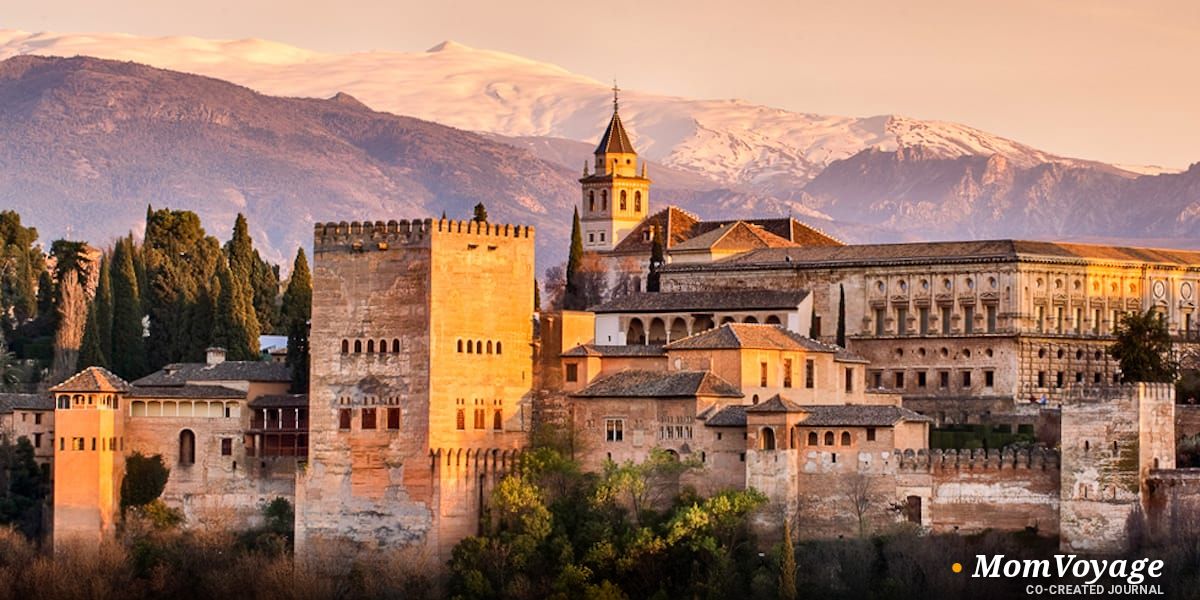
Embark on an unforgettable road trip from Granada to Zaragoza, Spain. Explore the majestic Alhambra and Zaragoza's Basilica del Pilar. Your adventure starts here!
Granada to Zaragoza: A Spanish Road Trip of Contrasts
Embarking on a road trip from Granada to Zaragoza is a journey through the diverse landscapes and rich history of Spain. This route takes you from the Moorish splendors of Andalusia to the Aragonese capital, offering a unique blend of cultures and architectural styles. While Granada captivates with the Alhambra's intricate beauty, Zaragoza stands proud with the Baroque grandeur of the Basilica del Pilar. This expedition isn't just about covering miles; it's about immersing yourself in the evolving narrative of Spain, from its Islamic heritage to its Christian Reconquista and beyond. Expect to encounter ancient Roman ruins, medieval castles, vibrant local markets, and the distinct flavors of two vastly different, yet equally captivating, Spanish regions.
Granada: The Jewel of Andalusia
Granada, nestled at the foot of the Sierra Nevada mountains, is a city steeped in history, most famously represented by the Alhambra. This UNESCO World Heritage site is a breathtaking palace and fortress complex that showcases the pinnacle of Moorish art and architecture. Its intricate stucco work, stunning courtyards, and tranquil Generalife gardens offer a glimpse into a golden past. Beyond the Alhambra, Granada's Albayzín quarter, a labyrinth of narrow, winding streets, echoes with the whispers of its Moorish past, while the Sacromonte neighborhood offers a more bohemian vibe, famous for its cave dwellings and flamenco traditions. The city pulsates with a unique energy, a testament to its rich and layered history.
The allure of Granada lies not only in its monumental grandeur but also in its intimate details. Wandering through the Albayzín, you'll discover hidden plazas adorned with fragrant jasmine, stumble upon ancient fountains, and marvel at traditional tiled houses. The scent of orange blossom often perfumes the air, adding another sensory layer to the experience. Granada is a city that rewards slow exploration, where every corner turned reveals a new vista, a new story.
Zaragoza: The Heart of Aragon
Zaragoza, situated on the banks of the Ebro River, is a city with a Roman heritage that has evolved into a vibrant Aragonese capital. Its crowning glory, the Basilica del Pilar, is a magnificent Baroque masterpiece that dominates the city's skyline. This monumental church, dedicated to the Virgin Mary, is renowned for its soaring domes, opulent interior, and stunning frescoes by Francisco Goya. Zaragoza's history is etched in its streets, from the well-preserved Roman ruins of the ancient city to the majestic La Seo Cathedral, another UNESCO World Heritage site, which showcases a fascinating blend of Romanesque, Mudéjar, Gothic, and Baroque architectural styles.
Zaragoza offers a more understated yet equally profound historical experience. The city's Roman theater and forum provide a tangible connection to its ancient past, allowing visitors to walk in the footsteps of Roman citizens. The Aljafería Palace, a former royal residence and now the seat of the Aragonese Parliament, is another architectural gem, a stunning example of Islamic art and architecture that predates the Alhambra in its architectural innovations and continued use. Its intricate carvings and tranquil courtyards whisper tales of caliphs and kings.
The Alhambra vs. Basilica del Pilar: A Tale of Two Masterpieces
The Alhambra in Granada and the Basilica del Pilar in Zaragoza represent two distinct pinnacles of Spanish architectural and artistic achievement, yet they stand as testaments to vastly different historical periods and cultural influences. A direct comparison reveals not only their individual splendors but also the evolving narrative of Spain itself.
The Alhambra, a sprawling palace and fortress complex, is the undisputed zenith of Moorish artistry in Spain. Its beauty lies in its exquisite detail, its delicate ornamentation, and its harmonious integration with nature. The Nasrid Palaces, the heart of the Alhambra, are a symphony of intricate stucco work, vibrant tile mosaics (azulejos), and graceful arches, all designed to evoke a sense of paradise on earth. The Courtyard of the Lions, with its iconic fountain supported by twelve marble lions, is a masterpiece of symbolic and aesthetic design. The Generalife gardens, a series of terraced gardens with water features, reflect a profound understanding of landscape architecture and a desire for tranquility and contemplation. The Alhambra's essence is one of intricate beauty, spiritual reflection, and the celebration of an opulent, albeit lost, civilization.
In contrast, the Basilica del Pilar is a bold declaration of faith and Baroque grandeur. Its sheer scale and opulent decoration are designed to inspire awe and devotion. Unlike the Alhambra's focus on intricate detail and subtle symbolism, the Basilica del Pilar is characterized by its soaring domes, massive pillars, and vibrant, almost theatrical, interior. The frescoes by Goya, particularly on the dome of the Holy Chapel, are dynamic and powerful, conveying a sense of divine intervention and heavenly glory. The exterior, with its numerous domes and spires, creates a commanding presence on the banks of the Ebro River, a beacon of religious and civic pride. While the Alhambra whispers tales of earthly paradise and sophisticated artistry, the Basilica del Pilar thunders with divine power and unwavering faith.
From Sierra Nevada to Ebro: A Shifting Landscape
The drive from Granada to Zaragoza is a geographical and ecological immersion into the diverse soul of Spain. Leaving the verdant foothills of the Sierra Nevada, the landscape gradually transforms, offering a visual narrative of Spain's varied climates and terrains. As you journey northward, you'll traverse the arid plains of La Mancha, the breadbasket of Spain, where endless vineyards stretch towards the horizon, punctuated by iconic windmills that have become symbols of the region. This is a land of stark beauty, shaped by a relentless sun and a spirit of resilience.
Further north, the terrain becomes more varied, with rolling hills and olive groves giving way to more rugged terrain as you approach Aragon. The Ebro River, a vital artery of northeastern Spain, becomes a constant companion as you near Zaragoza, its banks often lined with fertile land that sustains agricultural communities. The change in vegetation, from the scrubby Mediterranean flora of Andalusia to the more robust trees and grasses of the interior, signals a distinct shift in climate and ecosystem. This road trip offers a powerful, firsthand experience of Spain's remarkable geographical diversity, from its southern mountain ranges to its major river valleys.
Moorish Echoes and Aragonese Spirit: A Cultural Tapestry
The cultural transition between Granada and Zaragoza is profound, mirroring the historical shifts that have shaped Spain. Granada is saturated with the legacy of Al-Andalus, a period of over 700 years of Muslim rule. This influence is not merely architectural; it permeates the city's atmosphere, its culinary traditions, and even its linguistic nuances. The concept of the 'riad' and the intricate irrigation systems of the Generalife are testaments to an advanced civilization that valued beauty and water. The city's vibrant flamenco scene, while now a distinctly Spanish art form, has roots that can be traced back to the diverse cultural influences that converged in Andalusia.
Zaragoza, on the other hand, embodies the robust spirit of Aragon, a kingdom that played a pivotal role in the Reconquista and the formation of modern Spain. The Aragonese are known for their directness, their strong sense of identity, and their deep-rooted traditions. The city's history is marked by the struggle between different cultures and faiths, a testament to its strategic importance. The Mudéjar architecture found in Zaragoza, a style developed by Muslims living under Christian rule, is a unique fusion that speaks to this complex history, blending Islamic decorative elements with Christian architectural forms. This cultural exchange is a hallmark of Zaragoza, visible in its cathedrals and palaces, where different artistic traditions coexist.
Gastronomic Delights: A Journey for the Palate
The culinary journey from Granada to Zaragoza is as diverse and rich as the landscapes and cultures encountered. Andalusian cuisine, particularly in Granada, is characterized by its fresh ingredients, often featuring vibrant flavors and a hint of Moorish influence. Think of gazpacho, a refreshing cold soup, and salmorejo, a thicker, creamier version. Tapas are an integral part of the Granada experience, a social ritual involving small, flavorful dishes served with drinks. Expect to find dishes rich in olive oil, tomatoes, and local produce, with a growing emphasis on modern interpretations of traditional recipes.
Aragonese cuisine, in contrast, is often described as more rustic and hearty, reflecting the region's agricultural heritage and its mountainous terrain. Zaragoza is known for its robust stews, grilled meats, and a generous use of local legumes and vegetables. Famous Aragonese dishes include ternasco (roast lamb), various forms of cured meats, and a rich array of cheeses. The Ebro River also contributes to the local diet, with fresh river fish being a delicacy. The bakeries of Zaragoza are renowned for their sweet treats, often featuring almonds and honey, a nod to the region's historical connections. Both cities offer distinct yet equally rewarding gastronomic experiences, inviting travelers to savor the authentic flavors of Spain.
Beyond the Landmarks: Experiencing Local Life
While the Alhambra and the Basilica del Pilar are undeniable draws, the true essence of Granada and Zaragoza lies in their vibrant local life. In Granada, immerse yourself in the bustling Alcaicería, the old silk market, now a maze of shops selling handicrafts, ceramics, and souvenirs. Wander through the labyrinthine streets of the Albayzín at dusk, as the Alhambra begins to glow in the fading light, and find a local bar for some authentic tapas. Experience the passion of a flamenco show in Sacromonte, where the raw emotion and rhythmic footwork will leave you breathless.
Zaragoza offers a more laid-back yet equally engaging experience. Stroll along the Paseo de la Independencia, the city's main shopping street, and soak in the lively atmosphere. Explore the Mercado Central, a stunning Art Nouveau building that houses a vibrant market filled with fresh produce, local delicacies, and buzzing energy. Take a leisurely boat trip on the Ebro River, offering a unique perspective of the city's skyline and its historic bridges. Seek out a traditional Aragonese restaurant for a hearty meal and enjoy the warm hospitality of the locals, who are proud of their rich heritage. Engaging with the everyday life of these cities is where the most memorable travel experiences are often found.
Planning Your Spanish Sojourn: Practicalities and Insights
Embarking on the Granada to Zaragoza road trip requires some thoughtful planning to maximize your experience. The driving distance is approximately 750-800 kilometers, which can be comfortably covered in two to three days, allowing for ample exploration in both cities and along the route. Consider the time of year for your visit; spring and autumn offer pleasant weather for sightseeing and fewer crowds, while summer can be very hot, particularly in Andalusia.
When it comes to accommodation, both cities offer a wide range of options, from charming boutique hotels in historic districts to modern hotels with city views. Booking in advance is highly recommended, especially during peak tourist seasons. For transportation within the cities, both Granada and Zaragoza are walkable, with well-developed public transport systems. Parking can be challenging and expensive in the historic centers, so consider leaving your car at your accommodation and exploring on foot or by public transport.
For the drive itself, ensure your vehicle is in good condition and be prepared for potential toll roads (autopistas) which offer faster travel, or opt for the more scenic national roads (carreteras nacionales). Familiarize yourself with Spanish driving laws and speed limits. Learning a few basic Spanish phrases will also greatly enhance your interactions with locals and enrich your cultural immersion. This journey is more than just a route; it's an invitation to discover the multifaceted beauty and enduring spirit of Spain.
Journey Highlights
- Journey from Granada to Zaragoza - Explore Andalusian history and Aragonese culture - Visit the Alhambra in Granada - Discover the Basilica del Pilar in Zaragoza - Comparative analysis of iconic landmarks
Local Secrets & Insider Tips
Expert Tips for Your Granada to Zaragoza Journey
As a seasoned traveler who's traversed these Spanish routes countless times, I can offer insights to make your trip from Granada to Zaragoza truly exceptional.
Timing Your Alhambra Visit:
To truly savor the Alhambra without the overwhelming crowds, aim for the earliest possible entry slot, typically around 8:30 AM. Book your tickets months in advance, especially for the Nasrid Palaces, as they sell out rapidly. Consider visiting on a weekday, avoiding weekends and public holidays for a more serene experience.
Hidden Gems and Viewpoints:
In Granada, wander through the Albaicín at sunset from a less-trodden path away from the main Mirador de San Nicolás. The Paseo de los Tristes, especially in the early morning, offers a beautiful, quieter perspective of the Alhambra.
For Zaragoza, explore the Roman ruins of the Foro and Theater-Mausoleum beneath the modern city. They are often overlooked but provide a fascinating glimpse into ancient Caesaraugusta. Find the Puerta delaccording to the ancient city walls near the Seo Cathedral for a sense of history often missed.
Culinary Delights Beyond Tourist Traps:
In Granada, seek out a traditional tapas bar in the Realejo district (away from the Plaza Nueva). Order 'Habas con jamón' (broad beans with ham) or 'Tortilla del Sacromonte' (a unique omelet with lamb brain and sweetbreads) – an acquired taste but authentically Granadino.
In Zaragoza, venture into the El Tubo district but look for smaller, less ostentatious bars. Try 'Ternasco de Aragón' (roast lamb) or 'Boroñates' (a type of local sausage). For a sweet treat, 'Trenza de Almudévar' is a must-try regional pastry.
Logistical Hurdles to Avoid:
Parking in Granada's Albaicín is notoriously difficult. Consider parking your car at a designated public car park and using taxis or walking to explore the historic center. Driving into the Alhambra complex itself is restricted; use the official parking facilities outside the main entrance.
In Zaragoza, be aware that while the city center is walkable, the Basilica del Pilar can get extremely busy. If you're driving, utilize the numerous underground parking garages available. The tram system is efficient for navigating the wider city, but understand its routes to avoid confusion.
Common Questions
Frequently Asked Questions
Q: What is the best way to travel from Granada to Zaragoza?
A: The most flexible and scenic way is by car, allowing you to stop at interesting towns along the way. Alternatively, you can take a combination of high-speed trains (AVE) and buses, which can be faster but less customizable.
Q: How long does the drive from Granada to Zaragoza take?
A: The direct drive is approximately 6 to 7 hours, covering around 700 kilometers (about 435 miles). However, this doesn't include stops for sightseeing or rest.
Q: What are the must-see attractions in Granada besides the Alhambra?
A: Don't miss the Albaicín (old Arab quarter) with its narrow winding streets and stunning views of the Alhambra, the Sacromonte caves, and the Granada Cathedral.
Q: What are the key historical periods represented in Zaragoza?
A: Zaragoza boasts a rich history encompassing Roman (Caesaraugusta), Moorish (Saraqusta), Jewish, and Christian eras, each leaving its architectural and cultural mark on the city.