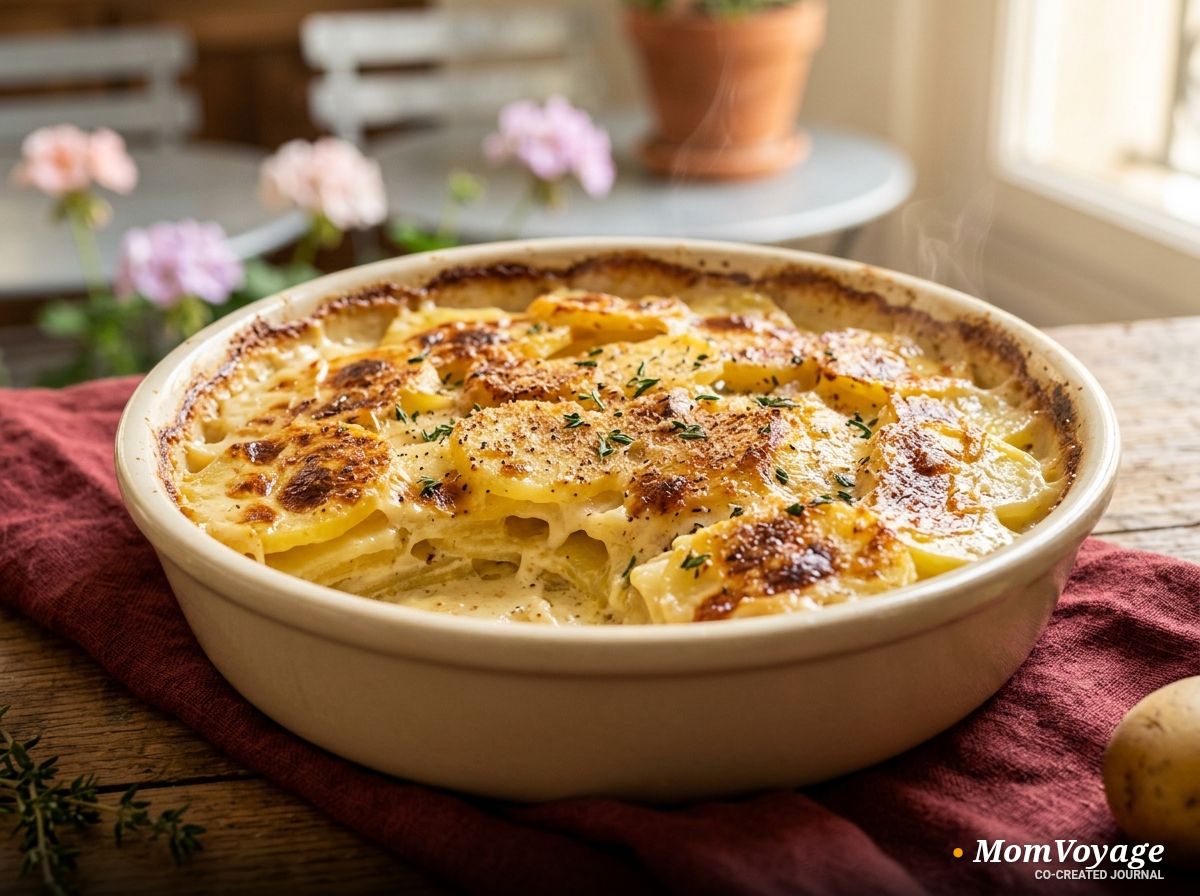
Master the art of authentic Gratin Dauphinois, Grenoble's signature potato dish. This detailed recipe guide reveals the true ingredients and traditional preparation for a taste of the Alps.
The Soul of the Dauphiné: Unveiling the Authentic Gratin Dauphinois
Grenoble's culinary identity is inextricably linked to the Gratin Dauphinois, a dish that whispers tales of mountain life, hearty traditions, and the sublime beauty of simplicity. This isn't just a potato bake; it's a cultural cornerstone, a dish that has graced family tables and bistro menus for generations, evolving subtly while retaining its core essence. The true Gratin Dauphinois, as perfected in the homes and kitchens of Grenoble, is a delicate dance of textures and flavors, a testament to the region's agricultural bounty and its people's culinary wisdom. Its reputation extends far beyond the Alps, captivating diners with its comforting embrace and sophisticated, yet understated, elegance.
The Sacred Ingredients: Purity and Quality Above All
The magic of authentic Gratin Dauphinois lies in its unpretentious ingredient list. Unlike many imitations that might succumb to the temptation of adding copious amounts of cheese or other flourishes, the true recipe champions a select few components, allowing each to shine. The quality of these ingredients is paramount, as they form the very foundation of the dish.
Potatoes: The star of the show. For Gratin Dauphinois, the ideal potato is one that holds its shape well when cooked but also releases enough starch to create a luscious, creamy sauce. Starchy or all-purpose varieties are preferred. Common choices include: Charlotte: A popular choice in France, known for its firm texture and slightly nutty flavor. It holds its shape beautifully. Yukon Gold: A readily available option that strikes a good balance between starchiness and firmness. Russet: While a bit starchier, russets can work, but require careful slicing to avoid them becoming mushy. The crucial technique here is uniform slicing. Thin, even slices, typically around 2-3 millimeters thick, ensure consistent cooking and optimal mingling of flavors.
Cream: The lifeblood of the gratin. Full-fat crème fraîche or heavy cream is essential for achieving that rich, velvety texture. The fat content is what emulsifies with the potato starches and creates the signature creamy sauce. Avoid low-fat alternatives, as they will result in a watery and less satisfying gratin.
Garlic: Not merely an aromatic, but a flavor enhancer. A whole clove, or sometimes two, is rubbed into the gratin dish before adding the potatoes. This infuses a subtle, sweet garlicky essence throughout the dish without overwhelming the other flavors. Some recipes also include a very finely minced clove or two layered with the potatoes, but the rubbed-dish method is the classic.
Salt and Pepper: Simple, yet vital. Freshly ground black pepper is preferred for its pungent aroma and flavor. Sea salt or kosher salt should be used to season each layer, ensuring the potatoes are seasoned throughout, not just on the surface.
Nutmeg (Optional but highly recommended): A tiny pinch of freshly grated nutmeg adds a subtle warmth and complexity that elevates the cream and potatoes beautifully. It’s a secret weapon for many who master this dish.
The Art of Preparation: Precision and Patience
Creating a truly exceptional Gratin Dauphinois is an exercise in culinary patience and precise technique. It’s about respecting the ingredients and allowing them to meld and transform in the oven.
Step 1: Preparing the Dish and Potatoes
1. Preheat your oven: A moderate oven temperature is key for slow, even cooking. Aim for 160-175°C (325-350°F). 2. Rub the gratin dish: Take a whole, unpeeled garlic clove and rub the cut side all over the interior of your gratin dish. This imparts a gentle garlic aroma. Discard the rubbed clove. 3. Butter the dish (Optional but traditional): A light brushing of butter can add another layer of flavor and help prevent sticking, although some purists omit this, relying solely on the cream. 4. Peel and slice the potatoes: Peel your chosen potatoes and slice them as thinly and uniformly as possible. A mandoline slicer is an invaluable tool for achieving perfect consistency. If slicing by hand, take your time to ensure evenness. 5. Rinse (with caution): This is a point of debate. Some traditionalists rinse the sliced potatoes briefly in cold water to remove excess starch, which can result in a lighter gratin. Others argue against rinsing, believing that the natural starch released by the potatoes is crucial for creating the creamy sauce. If you do rinse, be sure to dry them thoroughly afterwards.
Step 2: Layering and Infusing
1. Layer the potatoes: Begin layering the thinly sliced potatoes into the prepared gratin dish. Overlap them slightly, creating an aesthetically pleasing pattern. 2. Season each layer: Generously season each layer of potatoes with salt and freshly ground black pepper. Don't be shy; potatoes absorb a lot of seasoning. 3. Add nutmeg (if using): If you're incorporating nutmeg, sprinkle a very small amount over a few of the potato layers. 4. Pour in the cream: Slowly and evenly pour the heavy cream or crème fraîche over the layered potatoes. The cream should come up to about three-quarters of the way up the potatoes. Some recipes call for a mixture of cream and milk, but a pure cream version is considered more authentic and richer. 5. Submerge (optional): Gently press down on the potatoes to ensure they are mostly submerged in the cream.
Step 3: The Slow Bake – The Heart of the Transformation
This is where the magic truly happens. The low and slow cooking process allows the potatoes to soften and absorb the creamy liquid, while the starches release and thicken the sauce naturally.
1. Cover the dish: Cover the gratin dish tightly with aluminum foil. This traps the steam, allowing the potatoes to cook evenly and preventing the top from browning too quickly. 2. Initial bake: Place the covered dish in the preheated oven and bake for approximately 45-60 minutes. The cooking time will vary depending on the thickness of your potato slices and the depth of your dish. 3. Uncover and brown: After the initial bake, carefully remove the aluminum foil. The potatoes should be tender when pierced with a knife. Continue to bake, uncovered, for another 20-30 minutes, or until the top is beautifully golden brown and bubbling, and the cream has thickened into a luscious sauce.
Step 4: Resting and Serving – The Final Flourish
The temptation to dive in immediately is strong, but allowing the Gratin Dauphinois to rest is a crucial final step.
1. Resting period: Once removed from the oven, let the gratin rest for at least 10-15 minutes. This allows the sauce to settle and thicken further, making it easier to serve and preventing it from being too runny. 2. Serving: Serve hot, directly from the gratin dish. Spoon generous portions onto plates, ensuring each serving gets a good mix of tender potatoes and creamy sauce.
The Unadulterated Flavor Profile: A Symphony of Simplicity
The taste of authentic Gratin Dauphinois is a revelation in its understated perfection. It’s a comforting embrace, a wave of creamy richness that coats the palate, followed by the tender, yielding texture of perfectly cooked potatoes.
Creaminess: The dominant characteristic is an intense, yet refined, creaminess. This is not a heavy, cloying richness, but a luxurious silkiness derived from the slow infusion of cream into the potato’s natural starches. Subtle Garlic: The hint of garlic, infused from the rubbed dish, provides a delicate savory undertone that prevents the dish from becoming one-dimensionally sweet. It’s a whisper, not a shout, adding depth and complexity. Potato Purity: The natural, slightly earthy flavor of the potatoes is allowed to shine. Each bite offers the comforting, familiar taste of well-cooked potatoes, elevated by the surrounding cream. Seasoning Balance: The careful seasoning with salt and pepper ensures that no single flavor overpowers another. The pepper adds a gentle warmth, while the salt enhances all the other components. Nutmeg's Nuance (if used): A whisper of nutmeg adds a warm, almost spicy, aromatic note that rounds out the flavor profile beautifully, creating a more sophisticated and layered experience.
Variations and Traditions: Honoring the Ancestry
While the core recipe for Gratin Dauphinois remains steadfast in its simplicity, there are subtle variations that have emerged over time, often reflecting regional nuances or personal preferences.
The Milk and Cream Ratio: Some families opt for a blend of milk and cream, which can result in a slightly lighter gratin. However, the purists insist on 100% heavy cream for unparalleled richness. The Cheese Debate: The most significant deviation from the authentic Gratin Dauphinois is the addition of cheese. While many modern gratins are heavily laden with Gruyère or other cheeses, the true Gratin Dauphinois from the Dauphiné region historically did not include cheese. The focus was on the pure interplay of potato, cream, and garlic. In Grenoble, you'll find purists who would never dream of adding cheese to their Gratin Dauphinois. Herbs: Occasionally, a sprig of thyme or rosemary might be added to the cream during the cooking process for a subtle herbaceous note, though this is not a traditional element.
Beyond the Plate: Gratin Dauphinois as a Culinary Icon
The Gratin Dauphinois is more than just a dish; it’s a symbol of Grenoble and the Dauphiné region. It represents a connection to the land, a respect for simple ingredients, and a dedication to time-honored culinary techniques.
A Reflection of Alpine Life: The dish's hearty nature and reliance on staple ingredients like potatoes and cream speak to the agricultural traditions of the Alpine regions, where sustenance and comfort were paramount. Family Gatherings: It’s a quintessential dish for family meals, celebrations, and Sunday lunches, bringing people together around a comforting and delicious creation. Gastronomic Staple: In Grenoble, you'll find Gratin Dauphinois on menus from humble bistros to more refined restaurants, a testament to its enduring popularity and its status as a must-try local specialty. A Culinary Education: For aspiring cooks and food enthusiasts, mastering Gratin Dauphinois offers a valuable lesson in the power of quality ingredients and the elegance of simple preparation. It teaches that true culinary artistry often lies not in complexity, but in the skillful coaxing of inherent flavors.
Tips for Perfection: Elevating Your Gratin Dauphinois
Achieving that perfect Gratin Dauphinois requires attention to detail and a little insider knowledge. Here are some tips to help you elevate your creation to authentic Grenoble standards:
Uniformity is Key: Invest in a good mandoline slicer or practice your knife skills. Evenly sliced potatoes cook uniformly and create a more cohesive texture. Don't Skimp on Cream: Use the highest quality, full-fat cream you can find. The richness is essential for the dish’s signature texture and flavor. Season Generously: Potatoes are bland on their own and require ample seasoning at each stage of layering. Taste and adjust as you go. Patience in the Oven: Resist the urge to rush the cooking process. The low and slow bake is what transforms the raw ingredients into a masterpiece of creamy, tender perfection. The Rest is Crucial: Allowing the gratin to rest after baking allows the sauce to thicken and meld, creating a more satisfying and stable dish for serving. Embrace Simplicity: For the most authentic Grenoble experience, resist the temptation to add cheese or other unnecessary ingredients. Let the pure flavors of potato, cream, and garlic take center stage.
A Taste of the Alps: The Enduring Legacy of Gratin Dauphinois
Grenoble's Gratin Dauphinois is more than just a recipe; it’s an experience. It’s a culinary journey to the heart of the French Alps, a dish that embodies comfort, tradition, and the profound beauty of simple, high-quality ingredients prepared with care. Whether you’re enjoying it in a cozy Grenoble bistro or recreating it in your own kitchen, this iconic potato bake offers a taste of Alpine life that is both deeply satisfying and wonderfully memorable. It's a testament to the fact that sometimes, the most extraordinary flavors can be found in the most unassuming of dishes.
Journey Highlights
- Potatoes (ideally Charlotte, Yukon Gold, or similar waxy varieties) - Heavy cream (crème fraîche is also acceptable for a tangier flavor) - Garlic - Nutmeg - Salt - Black pepper - Butter (for greasing the dish)
Local Secrets & Insider Tips
Grenoble local, I can tell you that Gratin Dauphinois is more than just a dish; it's a comfort, a tradition. Here's how to get it just right, the Grenoble way:
Timing is Key for the Creamy Perfection: Don't rush the baking. Aim for that slow, steady heat. A good gratin needs about an hour in the oven at 180°C (350°F) to allow the cream to thicken and the potatoes to become meltingly tender without burning. Always let it rest for at least 15 minutes after it comes out of the oven. This is non-negotiable! It allows the creamy sauce to settle and thicken further, preventing a soupy mess when you serve it. I usually pull it out of the oven and let it sit while I prepare the rest of the meal.
The Garlic Infusion Secret: Don't just toss a whole garlic clove in. For a more subtle, pervasive flavor, mince 2-3 cloves very finely and steep them in the cream as it warms. This way, the garlic essence is distributed evenly throughout the dish, not just in pockets. Alternatively, for a lighter touch, rub the inside of your gratin dish generously with a halved garlic clove before layering the potatoes. This imparts a delicate aroma without overwhelming the dish.
Potato Perfection – The Grenoble Method: Always use potatoes that hold their shape – think Charlotte or similar waxy varieties. They are the backbone of a great Gratin Dauphinois. Slicing thinly and uniformly is paramount. Use a mandoline if you have one. This ensures every slice cooks at the same rate. Resist the urge to wash them after slicing – the starch is your friend!
Beyond the Recipe – True Local Touches: While this recipe is the classic, some older Grenoble families might add a tiny pinch of freshly grated nutmeg directly onto the potatoes before adding the cream. It adds a subtle warmth that complements the richness beautifully. The dish is traditionally served as a side, perfect with roasted meats like lamb or pork, or even a simple roast chicken. For a true Grenoble experience, pair it with a glass of local white wine from the Savoie region.
Logistical Pitfalls to Avoid: Using a dish that’s too large or too shallow. The potatoes need to be at least 2-3 layers deep for the cream to achieve the right consistency as it bakes and reduces slightly. A 9x13 inch dish is usually a good size for this quantity. Over-baking or under-baking. Keep an eye on it after 45 minutes. If the top is browning too fast, loosely tent it with foil. If it's not tender after an hour, give it another 10-15 minutes, checking for tenderness with a knife.
Common Questions
Frequently Asked Questions about Gratin Dauphinois:
Q: What kind of potatoes are best for Gratin Dauphinois? A: Waxy or all-purpose potatoes like Charlotte, Yukon Gold, or Nicola are recommended. Their lower starch content prevents them from becoming mushy, and they hold their shape well while absorbing the cream.
Q: Should I wash the potatoes after slicing? A: No, absolutely not. Rinsing the potatoes removes the surface starch, which is essential for thickening the cream and achieving that signature creamy texture. The starch creates a natural emulsion.
Q: Can I add cheese to Gratin Dauphinois? A: Traditional Gratin Dauphinois does not contain cheese. Its richness comes solely from the cream, potatoes, and garlic. Adding cheese changes the dish fundamentally and is considered Gratin Savoyard, a different regional specialty.
Q: How do I ensure the potatoes are cooked through? A: Slice the potatoes thinly and uniformly. The warm cream should almost cover them. Baking time can vary, but testing with a knife or skewer inserted into the center is the best way to check for tenderness. If the top is browning too quickly, cover loosely with foil.
Q: Can I make Gratin Dauphinois ahead of time? A: Yes, you can assemble the gratin a few hours ahead and refrigerate it. You may need to add a little extra baking time. For best results, serve it fresh from the oven, but reheating is possible, though the texture might be slightly altered.