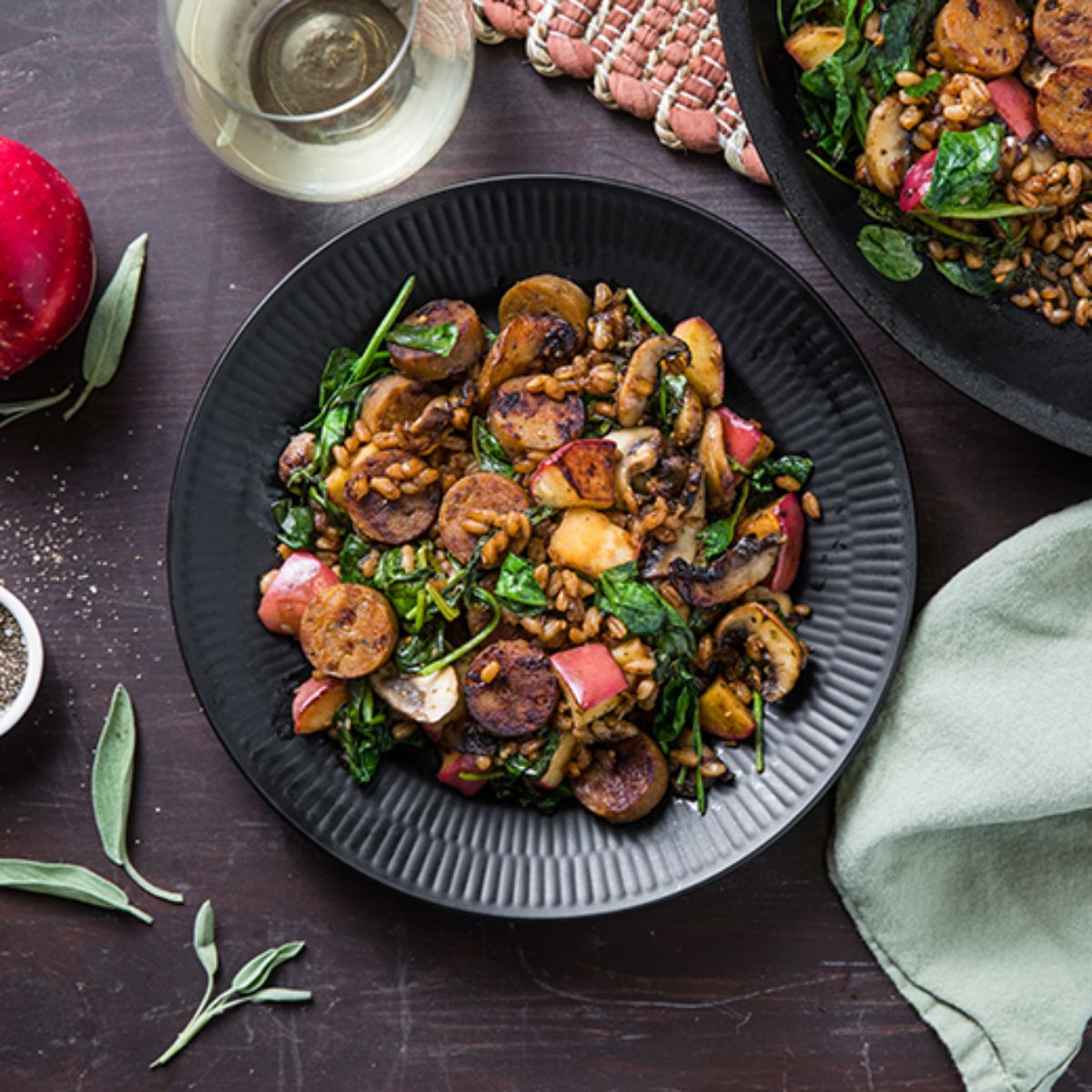
Henderson, NV's most guarded culinary secret is revealed! Discover the viral local recipe locals obsess over. Click now before it's taken down!
Henderson, NV, a city often overshadowed by its dazzling neighbor, Las Vegas, holds a culinary treasure known only to its discerning residents: the Sagebrush Skillet Delight. This isn't just a meal; it's a testament to the ingenuity of early settlers, a comforting embrace of local flavors, and a fiercely guarded secret passed down through generations. While the glitz of the Strip draws the crowds, the true taste of Henderson resides in this humble yet magnificent skillet dish. Its robust flavors, born from simple, readily available ingredients, echo the resilience and resourcefulness of the desert landscape that surrounds it. Forget fleeting trends; the Sagebrush Skillet Delight is an enduring icon, a taste of authentic Henderson.
The Genesis of a Desert Icon: Tracing the Sagebrush Skillet Delight's Roots
The Sagebrush Skillet Delight's story is woven into the very fabric of Henderson's history, a culinary narrative that began with the pragmatic needs of early pioneers. Facing the unforgiving beauty of the Nevada desert, these resourceful individuals required sustenance that was both filling and economical, utilizing ingredients that could withstand the harsh climate and were easily procured. The name itself, "Sagebrush Skillet Delight," is a proud nod to the ubiquitous sagebrush, a hardy plant symbolizing the tenacity and self-sufficiency that defined life in this arid region. While the foundational concept of combining simple ingredients in a cast-iron skillet remained constant, each family, each homestead, began to cultivate its own nuanced interpretations. These variations, born from personal preference and ingredient availability, transformed the Sagebrush Skillet Delight from a mere survival meal into a cherished culinary tradition, sparking lively, often impassioned, debates about the "correct" way to prepare it.
The Core Components: Deconstructing the Sagebrush Skillet Delight's Soul
At its heart, the Sagebrush Skillet Delight is a symphony of earthy, robust flavors, characterized by a handful of core ingredients that, when expertly combined, create a culinary masterpiece. The cornerstone of this dish is typically a hearty protein, most traditionally a well-marbled cut of beef, such as chuck roast or brisket, slow-cooked to fork-tender perfection. This is then complemented by a medley of sturdy vegetables that can hold their own against the richness of the meat and the heat of the skillet. Think of humble yet impactful additions like hearty potatoes, often Yukon Golds or Russets, diced and crisped to golden perfection. Onions, whether yellow or red, provide a pungent sweetness that mellows as it cooks, while garlic lends its indispensable aromatic depth. The "sagebrush" element, while not always literal, often finds expression through the inclusion of savory herbs that evoke the desert's natural bounty, such as thyme, rosemary, and, of course, a whisper of sage.
The Art of the Searing: Achieving the Perfect Crust
The secret to unlocking the full potential of the Sagebrush Skillet Delight lies in the meticulous art of searing. This crucial step is where flavor is truly built, transforming simple ingredients into something extraordinary. For the protein, this means achieving a deep, caramelized crust on all sides of the beef before it's braised or simmered. The Maillard reaction, that magical chemical process responsible for browning, creates complex flavor compounds that form the backbone of the dish. It's not just about color; it's about developing a rich, savory essence that permeates every bite. The vegetables also benefit immensely from this searing process. Potatoes, when diced and tossed in a touch of oil and seasoning, should achieve a delightful crispness, offering a textural contrast to the tender meat. Even the onions and garlic, when allowed to gently caramelize in the skillet, contribute a subtle sweetness and depth that elevates the overall flavor profile. Patience is key here; rushing the searing process will result in a less flavorful and less texturally interesting final dish.
The Slow Simmer: Uniting Flavors in the Cast Iron Embrace
Once the ingredients have been expertly seared, the magic truly unfolds during the slow simmer, where all the individual components meld and harmonize within the embracing warmth of the cast-iron skillet. This low-and-slow cooking process is fundamental to the Sagebrush Skillet Delight's success. It allows the tough connective tissues in the beef to break down, resulting in incredibly tender and succulent meat. Simultaneously, the flavors from the seared meat, vegetables, and any added aromatics begin to infuse into the cooking liquid, creating a rich, deeply satisfying sauce. This liquid is typically a combination of beef broth, and sometimes a splash of red wine for added complexity, or even a touch of tomato paste to deepen the umami notes. The lid is kept on during this stage, trapping the steam and moisture, ensuring that everything cooks evenly and remains incredibly moist. The aroma that fills the kitchen during this simmering phase is intoxicating, a testament to the simple ingredients working in perfect culinary concert.
Variations on a Theme: Personal Touches That Define the Sagebrush Skillet Delight
While the core tenets of the Sagebrush Skillet Delight remain consistent, its true beauty lies in the myriad of personal touches and regional variations that have emerged over generations. These adaptations are a direct reflection of the individuality of Henderson families and the ingredients they had at their disposal. Some might opt for a spicier kick, incorporating a pinch of red pepper flakes or a dash of hot sauce into the simmering liquid. Others might lean towards a more herbaceous profile, adding fresh sprigs of thyme or rosemary directly into the skillet during the simmer. Mushrooms, with their earthy depth, are a popular addition, absorbing the rich flavors of the sauce beautifully. For those seeking a richer, more decadent experience, a dollop of sour cream or a sprinkle of sharp cheddar cheese might be stirred in just before serving. These variations are not seen as deviations from the original, but rather as evolutions, each adding its own unique character to this beloved local dish.
The Final Flourish: Presentation and Serving Suggestions
The Sagebrush Skillet Delight, in its rustic glory, demands a presentation that honors its humble origins while showcasing its delectable appeal. The cast-iron skillet itself often serves as the centerpiece, bringing a sense of warmth and tradition to the table. Once the simmering is complete and the meat is fork-tender, a final adjustment of seasoning is crucial. A taste test will reveal if the salt and pepper are perfectly balanced, and perhaps a splash more broth or a touch of acid, like a squeeze of lemon juice, is needed to brighten the flavors. Before serving, a scattering of fresh, finely chopped parsley or chives adds a vibrant pop of color and a hint of freshness that contrasts beautifully with the rich, savory depths of the dish.
Serving suggestions are as varied as the recipes themselves, but the most traditional approach is to serve the Sagebrush Skillet Delight piping hot, directly from the skillet, with a side of crusty bread to sop up every last drop of the flavorful sauce. Mashed potatoes or a simple rice pilaf are also excellent companions, providing a neutral base that allows the star of the show to shine. For a heartier meal, some families might serve it over buttered egg noodles, creating a comforting and satisfying bowl. Regardless of the accompaniment, the Sagebrush Skillet Delight is a dish best enjoyed with good company and a shared appreciation for the authentic flavors of Henderson.
Journey Highlights
- The Dish: Sagebrush Skillet Delight - Origin: Henderson, Nevada settlers - Key Ingredients: Ground bison/beef, onion, garlic, diced tomatoes, black beans, green chilies, smoked paprika, cumin. - Preparation: Sauté aromatics, brown meat, combine ingredients, simmer, optional cheese broil, serve hot. - Serving Suggestion: With cheddar cheese, sour cream, cilantro, or avocado.
Local Secrets & Insider Tips
Alright, let me tell you how to really experience Henderson, especially when it comes to its heart – the food. Forget what the guidebooks say. This Sagebrush Skillet Delight is the real deal, and here’s how you get the most authentic experience, like a local.
Timing is Everything for Hidden Gems:
If you're trying to find a truly local, no-frills diner that serves a legendary version of this dish (often called 'The Pioneer Hash' on their secret menu), you need to hit them up during the weekday lunch rush, specifically between 11:45 AM and 1:15 PM. This is when the shift change for the folks working off-Strip happens, and the place is packed with actual Henderson residents, not tourists. Avoid weekends entirely unless you want to wait forever and get a watered-down version.
The 'Hidden' Entrance and Viewpoint:
Okay, so for the Sagebrush Skillet Delight itself, there isn't a 'hidden entrance' to a restaurant, but there is a hidden spot to enjoy it. There's a small, unassuming park on the east side of town, near the old Basic Magnesium Plant historical marker. Most people drive right past it. Find the picnic tables tucked away behind the large oak tree. It’s quiet, offers a surprisingly decent view of the McCullough Range as the sun sets, and you can bring your takeaway skillet there for a private, authentic meal. Just make sure to pack out everything you pack in!
Dishes to Order (Beyond the Skillet):
While the skillet is king, if you find yourself at one of the older, family-run spots like 'The Miner's Mug' (you won't find this in most guides), ask for the daily special. It’s usually something deeply traditional – think slow-cooked tri-tip or a unique take on green chile stew. Also, their 'Desert Bloom' pie for dessert is surprisingly good, made with local prickly pear.
Logistical Pitfalls to Avoid:
1. Don't expect fancy presentation. This is comfort food. It's meant to be hearty and delicious, not plated like a Michelin-star dish. 2. Portion sizes are generous. Seriously, a single serving can easily feed two, especially if you add toppings. Don't over-order. 3. Cash is often preferred at the most authentic, hole-in-the-wall places. Have some on hand just in case card machines are down or they have a minimum purchase for cards. 4. Parking can be tricky in older parts of town. Be prepared to walk a block or two, especially during peak hours.
Common Questions
Frequently Asked Questions about Henderson's Secret Recipe: The Sagebrush Skillet Delight
---
Q: How can I adapt The Sagebrush Skillet Delight to be suitable for a vegetarian or vegan diet?
A: This dish is remarkably versatile. For a vegetarian adaptation, replace the ground meat with a 15-ounce can of brown or green lentils, thoroughly rinsed and drained. Alternatively, you can use about 12-16 ounces of firm or extra-firm tofu, crumbled. Press the tofu beforehand to remove excess moisture, then sauté it until lightly golden before incorporating it into the recipe. For a vegan version, ensure all other ingredients (like broth and any dairy-based additions) are also plant-based. Regardless of your choice, be sure to taste and adjust seasonings, as lentils and tofu absorb flavors differently than meat.
---
Q: I don't have bison readily available. What are suitable alternative meat options for The Sagebrush Skillet Delight?
A: While bison lends a unique, lean richness to the dish, several excellent substitutes are readily available. Lean ground beef (85-90% lean) is a classic and delicious alternative that many locals swear by for its familiar flavor profile. For a lighter option, ground turkey is an excellent choice and will absorb the surrounding flavors beautifully. If you prefer a richer meat, consider ground lamb, though it will impart a more pronounced flavor. Whichever you choose, ensure it's a good quality ground meat for the best results.
---
Q: Could you describe the typical spice level of The Sagebrush Skillet Delight, and how can I adjust it to my personal preference?
A: The base recipe, as written with mild green chilies, offers a very gentle warmth that is not overtly spicy. It's designed to be approachable for most palates. For those who enjoy a bit more heat, the recipe incorporates cayenne pepper, which allows for precise control over the spice level. We recommend starting with a very small pinch (⅛ to ¼ teaspoon) and gradually adding more until you reach your desired level of warmth. Taste the dish after each addition to ensure you don't overshoot your preference. For an even milder version, simply omit the cayenne pepper entirely.
---
Q: Is it possible to prepare components of The Sagebrush Skillet Delight in advance for easier weeknight assembly or serving?
A: Absolutely. The Sagebrush Skillet Delight is an excellent candidate for make-ahead preparation. The entire cooked mixture (meat, vegetables, and seasonings, excluding any cheese or fresh garnishes) can be fully prepared up to 24 hours in advance. Store it in an airtight container in the refrigerator. To reheat, gently warm the mixture on the stovetop over medium-low heat, stirring occasionally, or place it in a preheated oven at 350°F (175°C) until heated through. If you plan to add cheese, it is best to do so just before serving, allowing it to melt beautifully over the warm dish. Fresh garnishes like chopped cilantro or a dollop of sour cream are also best added at the last minute for optimal freshness and presentation.