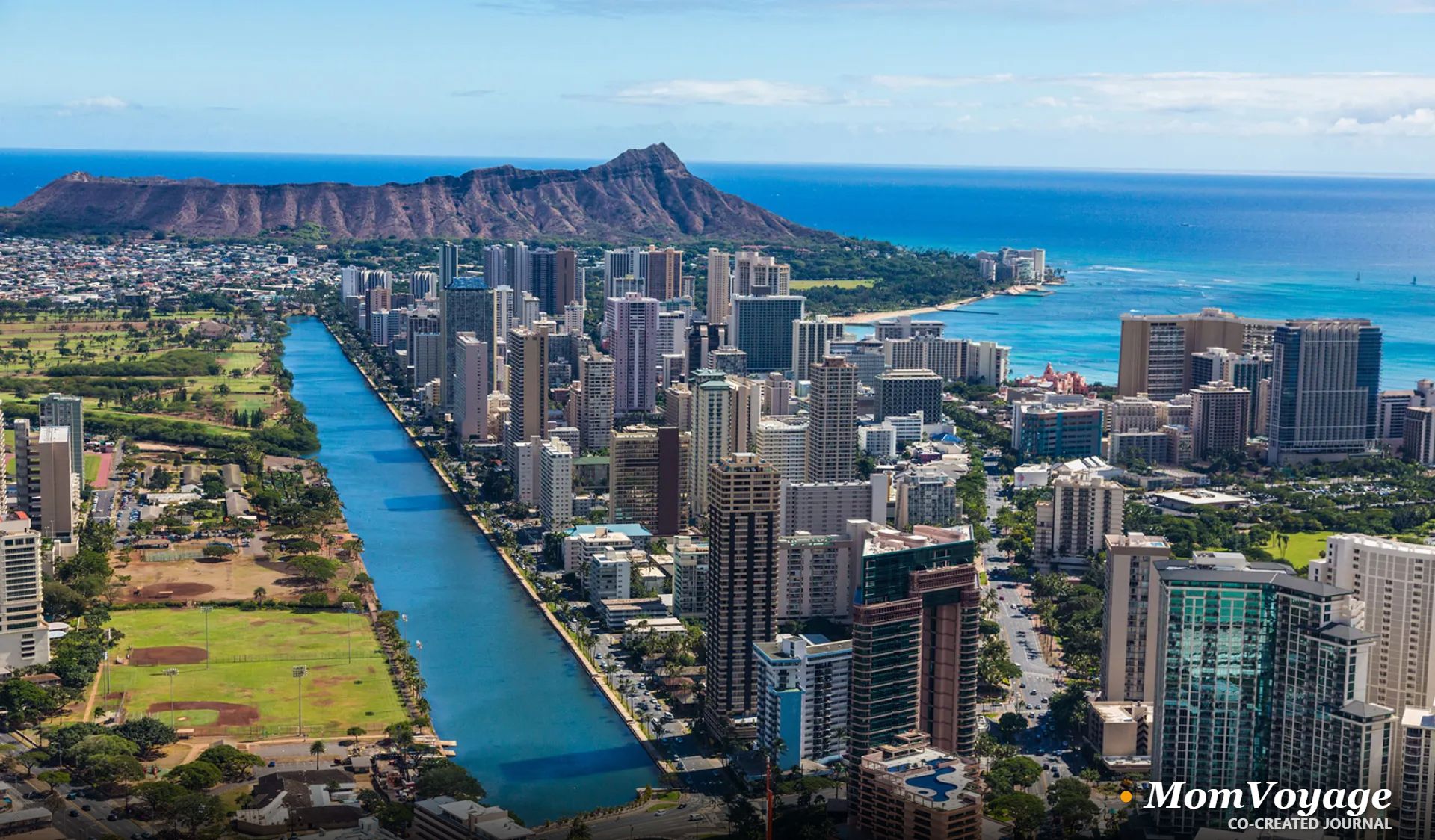
Experience Honolulu like a local. Our 3-day itinerary reveals authentic culture, hidden spots, and daily life secrets. Your ultimate island immersion awaits.
Honolulu, a city where the Pacific Ocean whispers secrets to volcanic mountains, offers far more than Waikiki's iconic shores. It's a vibrant tapestry woven with rich Polynesian heritage, a burgeoning arts scene, and a pace of life dictated by the sun and the tides. To truly understand Honolulu is to step away from the well-trodden paths and immerse yourself in the daily rhythm of its residents. This guide invites you to experience the city's soul, exploring its authentic culture, savoring its local flavors, and discovering the laid-back yet dynamic lifestyle that makes Oahu's capital so unique.
Prepare to trade your typical tourist checklist for a genuine exploration, embracing the spirit of 'aloha' in its truest form. We’ll uncover the everyday magic that unfolds from the early morning surf checks to the evening gatherings under the starry Hawaiian sky. This 3-day itinerary is crafted to peel back the layers of Honolulu, revealing the heart of its local life, far from the bustling crowds, and offering an authentic taste of the islands.
Day 1: Mornings of the Mountain and Merienda Magic
Your journey into Honolulu's local soul begins before the sun fully crests the Koʻolau Mountains. Forget the crowded sunrise viewing spots; today is about experiencing a more intimate connection with the natural beauty that defines this island.
Early Morning Hike: A Spiritual Ascent
Wake with the roosters and head towards the lesser-known trails of the Koʻolau Range. While Diamond Head is a marvel, for a more local feel, consider the Manoa Falls Trail. This lush rainforest hike, while popular, offers a more serene experience in the early hours. The air is cool and damp, carrying the scent of ginger and ferns. As you ascend, listen to the symphony of tropical birds and the gentle rustling of leaves. The trail culminates in a stunning waterfall, a refreshing reward for your efforts.
What to bring: Sturdy hiking shoes, water bottle, insect repellent, camera, and a light rain jacket as the rainforest can be humid. Local Tip: Arrive before 8 AM to avoid the peak crowds and truly absorb the tranquility. Observe how local hikers greet each other with a nod and a quiet "Aloha."
Post-Hike Fuel: A Local Kinegrinder's Breakfast
After your hike, your stomach will be rumbling. It's time to experience a true Hawaiian breakfast, a far cry from generic hotel buffets. Seek out a local "plate lunch" spot or a neighborhood diner. These establishments are the heart of local sustenance, where community gathers over hearty meals.
Recommended Dishes: Loco Moco: A quintessential Hawaiian comfort food – white rice topped with a hamburger patty, fried egg, and brown gravy. It's a breakfast that fuels you for the day. Spam Musubi: A simple yet addictive snack or light breakfast, featuring grilled spam on a bed of rice, wrapped with nori (seaweed). A true taste of local convenience. Portuguese Sausage and Eggs: A nod to the island's diverse immigrant history, this is a breakfast staple that remains a local favorite.
Mid-Morning Cultural Immersion: The Local Art Scene
As the day warms, shift your focus to Honolulu's vibrant local arts scene. While galleries in Waikiki exist, delve deeper into the communities that nurture local talent.
Explore Kaka'ako: This former industrial district has transformed into a hub for street art and independent galleries. Wander through the streets and marvel at the vibrant murals, many of which tell stories of Hawaiian culture and contemporary life. Visit Local Galleries: Look for smaller, independent galleries showcasing local artists. These spaces offer a more personal experience, and you might even have the opportunity to chat with the artists themselves about their inspiration and process. Consider places in neighborhoods like Kaimuki or Kapahulu for authentic discoveries.
Afternoon Merienda: The Sweet Side of Aloha
The afternoon calls for a refreshing break, a local tradition known as "merienda." This isn't just a snack; it's a moment to pause, connect, and indulge in local sweet treats.
Shave Ice Delights: No Hawaiian experience is complete without shave ice. Forget the snow cone; Hawaiian shave ice is finely shaved and comes with a dizzying array of tropical syrups. Local Favorite Combinations: Rainbow: A classic mix of fruit flavors. Mango & Lilikoi (Passion Fruit): A tart and sweet tropical explosion. POG (Passion Orange Guava): A refreshing island blend. Don't forget: Ask for a scoop of ice cream at the bottom and condensed milk on top – a local secret for extra indulgence. Bingsu and other Asian-inspired Treats: Honolulu's diverse population means you'll find incredible Korean bingsu (shaved ice dessert) and other Asian-inspired pastries and sweets that have become local favorites. Explore bakeries in areas with a strong Asian influence.
Day 2: Seaside Rhythms and Culinary Adventures
Day two is dedicated to embracing the ocean's influence on Honolulu's lifestyle and exploring the rich culinary heritage that has evolved over generations.
Sunrise Surf Check: The Local Ritual
While many tourists flock to Waikiki's shores, the true rhythm of the ocean is felt by the local surfers who greet the dawn. Head to spots like Ala Moana Bowls or Chun's Reef (depending on conditions and your skill level). Even if you don't surf, witnessing this ritual is a captivating experience. Observe the surfers' deep respect for the ocean, their silent communication, and the sheer joy they derive from riding the waves.
For Spectators: Find a comfortable spot on the sand or at a nearby vantage point. Bring a coffee and simply soak in the atmosphere. The energy of the early morning surfers is palpable. Local Insight: This is where you'll witness the true spirit of 'ohana (family) in action. Surfers look out for each other, sharing waves and offering encouragement.
Breakfast of Champions: A Plate Lunch Reimagined
After your seaside contemplation, it's time for a more substantial local breakfast, often served as a plate lunch. These aren't just for lunch; they are a way of life in Hawaii.
The Humble Plate Lunch: Typically includes a main protein, two scoops of white rice, and a scoop of macaroni salad. It's a satisfying and affordable meal that embodies the island's practicality and deliciousness. Protein Choices to Savor: Teriyaki Chicken/Beef: Sweet and savory, a timeless classic. Kalua Pig: Slow-roasted, smoky, and incredibly tender. Fried Fish: Crispy and flaky, often served with tartar sauce. Mahi Mahi: Fresh and flavorful, often grilled or pan-seared. Where to Find the Best: Look for local diners and food trucks in neighborhoods away from the main tourist strips. Ask locals for their recommendations – they'll happily point you to their favorite hidden gems.
Midday Exploration: Cultural Hubs and Local Markets
To understand Honolulu's soul is to understand its history and the vibrant communities that have shaped it.
Iolani Palace and Bishop Museum: While these are well-known attractions, approach them with a local mindset. Focus on the stories of Hawaiian royalty, the resilience of the Polynesian people, and the cultural preservation efforts. Iolani Palace: The only royal palace in the United States, it offers a glimpse into the lives of Hawaiian monarchs and the nation's complex history. Bishop Museum: A treasure trove of Polynesian culture and natural history, it provides deep insights into the islands' heritage. Local Farmers Markets: Immerse yourself in the bounty of the islands. Farmers markets are not just places to buy produce; they are social hubs where locals gather, chat, and share recipes. What to Look For: Exotic fruits like rambutan, lychee, and starfruit. Freshly caught fish, local honey, artisanal coffee, and handmade crafts. Engage with Vendors: Don't be shy to ask about their produce, how to prepare it, or the story behind their products. This is where genuine connections are made.
Evening Culinary Journey: A Taste of Local Flavors
Honolulu's culinary scene is a testament to its multicultural influences. Tonight, you'll embark on a journey through authentic local cuisine.
Poi Dinner: For the adventurous palate, try poi, a traditional staple made from pounded taro root. It has a unique, slightly sour taste and a creamy texture. It’s often served with kalua pig or other savory dishes. Poke Bowls Done Right: While poke is now a global phenomenon, experiencing it in Honolulu is different. Seek out local poke shops where the fish is incredibly fresh and the preparations are traditional. Classic Poke: Shoyu (soy sauce), sesame oil, limu (seaweed), and onion. Spicy Ahi: With sriracha and mayonnaise. Try a Poke Nacho: A creative local fusion that's surprisingly delicious. Local Grinds: Venture into neighborhoods like Kaimuki or Kapahulu for "hole-in-the-wall" restaurants serving authentic local dishes. These are the places where families gather and the food is made with love. Look for signs that say "Local Food" or "Plate Lunch."
Day 3: Island Rhythms and Community Connections
Your final day is about embracing the slower pace of island life, connecting with the community, and savoring the simple pleasures that define Honolulu's soul.
Morning Paddle or Beach Combing: A Serene Start
Embrace the ocean in a more relaxed way today. Instead of the intensity of surfing, consider a paddleboard or kayak excursion, or simply enjoy a peaceful morning walk along a less-crowded beach.
Calm Waters at Ala Moana Beach Park: This expansive park offers calm waters perfect for paddleboarding or kayaking, especially in the early morning. You'll see local families enjoying the park, picnicking, and playing. Waimanalo Beach: For a more secluded and breathtakingly beautiful experience, head to the windward side to Waimanalo Beach. Its turquoise waters and soft white sand offer a sense of pure escape. It’s a favorite spot for local fishermen and families. Beachcombing Treasures: Keep an eye out for unique shells, sea glass, and driftwood. The ocean is a constant artist, and the beach is its gallery.
Local Coffee Culture: Beyond the Tourist Traps
Honolulu's coffee culture is surprisingly robust, with many local roasters and cafes offering a more authentic experience.
Discover Independent Cafes: Seek out cafes in neighborhoods like Kaimuki or Manoa. These are often community gathering spots where locals catch up and work. Sample Local Roasts: Ask about single-origin Hawaiian beans. Kona coffee is world-renowned, but explore coffees from other islands like Maui and Kauai for a diverse taste experience. Pair with Local Pastries: Enjoy a freshly brewed cup with a sweet bread like banana bread, malasadas (Portuguese donuts), or a slice of haupia (coconut pudding) pie.
Midday Exploration: Hidden Gems and Local Crafts
Today is about uncovering those special places that are cherished by the locals.
Tantulus Lookout (Puʻu Ualakaʻa State Park): While often visited for its views, go in the late morning or early afternoon when the crowds are thinner. The panoramic vista of Honolulu, Diamond Head, and the coastline is breathtaking. More importantly, observe how local families use the park for picnics and leisurely strolls. Support Local Artisans: Instead of mass-produced souvenirs, seek out authentic Hawaiian crafts made by local artisans. Hawaiian Quilt Shops: Admire the intricate designs and stories woven into these traditional quilts. Wood Carvings: Look for handcrafted items made from local woods like koa. Handmade Jewelry: Many local artists create beautiful pieces inspired by the ocean and island flora. Where to Find Them: Look for small boutiques in local neighborhoods or at community craft fairs.
Farewell Feast: A Taste of True Aloha
As your 3-day immersion concludes, it’s time for a farewell meal that embodies the spirit of aloha. This is not about fancy dining, but about experiencing a truly local feast, often shared with friends and family.
The Backyard BBQ: If you're fortunate enough to be invited to a local gathering, this is the ultimate experience. The aroma of grilled meats, the sound of laughter, and the sharing of food are the essence of Hawaiian hospitality. Community Gathering Spots: If a backyard BBQ isn't an option, seek out restaurants that are known for their communal atmosphere and authentic "local grinds." Family-Style Dining: Many local eateries offer large platters perfect for sharing, encouraging a communal dining experience. Comfort Food Classics: Savor dishes like Chicken Katsu, Garlic Shrimp, or a hearty bowl of Saimin (a local noodle soup). The Sweet Ending: Conclude your meal with a classic Hawaiian dessert like Haupia, or a slice of rich Chocolate Haupia Cream Pie.
By dedicating these three days to the local lifestyle, you've moved beyond the typical tourist experience and touched the genuine soul of Honolulu. You've savored its flavors, embraced its natural beauty with a local perspective, and felt the warmth of its vibrant community. The spirit of aloha you've encountered will undoubtedly stay with you long after you depart.
Journey Highlights
- Day 1: Cultural Heartbeat and Coastal Breezes - Morning: Iolani Palace and Kawaiahaʻo Church - Lunch: Local Plate Lunch Spot - Afternoon: Chinatown Exploration - Evening: Sunset at Ala Moana Beach Park - Day 2: Artistic Vibes and Mountain Majesty - Morning: Foster Botanical Garden & Art Museum - Lunch: Casual Eatery in Kaka'ako - Afternoon: Diamond Head Hike (less crowded approach) - Evening: Live Music in a Local Bar - Day 3: Culinary Delights and Sunset Serenity - Morning: KCC Farmers Market (if Saturday) - Brunch: Local Coffee Shop - Afternoon: Explore Kapahulu Avenue's Shops - Evening: Farewell Dinner with Ocean Views
Local Secrets & Insider Tips
As a kama'āina (local resident) who's navigated these streets for years, let me share some insider secrets to truly live Honolulu like one of us.
Beating the Crowds & Finding Serenity: For Diamond Head, the absolute best time is to arrive at the entrance no later than 7:00 AM, especially on weekdays. Tour buses usually start arriving around 8:30 AM. If you miss the morning rush, late afternoon (around 4:00 PM) can also be less crowded, but double-check the closing time – they often clear the summit about 30 minutes before closing. For Iolani Palace, book your tour tickets online well in advance, and aim for the earliest available slot, usually around 9:00 AM, to experience the grandeur with fewer people.
Hidden Gems & Local Haunts: Skip the main entrance queues at Foster Botanical Garden. While lovely, for a more serene experience, focus on the less-visited corners and specific themed sections. For a truly local sunset view without the Waikiki crowds, head to Magic Island within Ala Moana Beach Park. The view of Diamond Head and the city skyline is breathtaking, and locals gather here for picnics and relaxing. Chinatown, while having its popular spots, offers incredible depth if you wander down side streets like Maunakea and Smith during the day – you’ll find local apothecaries, artisan shops, and small temples often missed by visitors.
Savoring Authentic Flavors: Forget the tourist traps. For a true plate lunch, seek out places like Rainbow Drive-In (a classic, often busy but worth it) or smaller, local joints in Kalihi or Kapahulu. Order the mixed plate or the loco moco. If you find yourself in Kaka'ako, instead of the trendy cafes, look for the food trucks or smaller eateries tucked away in the industrial areas for more authentic, less-fuss meals. When exploring Kapahulu Avenue, try Leonard's Bakery for malasadas (order them hot!), but for a savory treat, find a local spot selling manapua (steamed or baked buns with fillings).
Navigating Local Logistics: Parking is a significant challenge in many parts of Honolulu, especially near popular beaches and downtown. Utilize ride-sharing services or public transport (TheBus) whenever possible. If driving, be prepared to circle for parking or use paid lots, which can add up. Understand that 'island time' is real; services might be slower, and appointments might run a little late. Embrace it rather than getting frustrated. For the KCC Farmers Market (Saturdays), arrive early, not just for the produce, but to find parking, which disappears quickly after 8:00 AM.
Common Questions
Frequently Asked Questions About Experiencing Honolulu Like a Local
Authentic Hawaiian Cuisine: Where and How to Find It
Q: What are the most authentic ways to experience Hawaiian food beyond typical tourist restaurants?
A: To truly savor authentic Hawaiian cuisine, venture beyond the heavily touristed areas and embrace the local culinary landscape. Seek Out 'Plate Lunch' Establishments: These unpretentious eateries are a cornerstone of local dining. Look for places bustling with locals during lunchtime. Signature dishes often include kalua pig, laulau, loco moco, chicken katsu, and teriyaki beef, typically served with rice and macaroni salad. Research highly-rated local spots or ask residents for their favorites. Explore Neighborhood Eateries: Venture into residential neighborhoods or smaller towns outside of Waikiki for genuine culinary gems. These spots often offer regional specialties and family recipes passed down through generations. Don't shy away from places that might seem simple; their food is often the most representative of local flavors. Visit Farmers' Markets: For the freshest ingredients and an incredible array of prepared foods, the KCC Farmers Market (held every Saturday) is a must-visit. You'll find everything from exotic fruits and local produce to unique snacks, coffee, and artisanal baked goods. Many vendors offer samples and are happy to discuss their products. Look for other neighborhood farmers' markets throughout the week for a similar, often less crowded, experience. Try Local Delicacies: Be adventurous and sample popular local treats like poke bowls (fresh, marinated raw fish), malasadas (Portuguese-style donuts), poi (a traditional staple made from taro root), and shave ice. Research and ask locals for recommendations on the best places for each.
Navigating Popular Attractions: Tips to Avoid Crowds
Q: How can I minimize crowds and enjoy popular Honolulu attractions, such as Diamond Head, with a more serene experience?
A: Popular attractions in Honolulu can get crowded, but strategic planning can significantly enhance your visit. Diamond Head (Lēʻahi): Early Morning is Key: Arrive right at opening time, typically around 6:00 AM. This allows you to experience the summit with fewer people and enjoy cooler temperatures. Weekday Visits: If possible, schedule your visit for a weekday, as weekends tend to be significantly busier. Late Afternoon Option: Consider visiting in the late afternoon, but be very mindful of the park's closing time. This can be less crowded than mid-day, but you'll have less time and may encounter the start of sunset crowds. Reservations Essential: Crucially, check the official Diamond Head State Monument website well in advance of your visit. Reservations are now required for out-of-state visitors, and tickets often sell out. General Crowd Avoidance Strategies: Off-Peak Hours: For most attractions, aim for the earliest possible entry or the last hour before closing. Weekdays Over Weekends: Whenever possible, plan your visits to major sites during weekdays. Alternative Sites: Research lesser-known but equally beautiful or interesting alternatives to avoid the biggest crowds.
Embracing Local Customs: Respectful Engagement with Hawaiian Culture
Q: What are some essential local customs and etiquette I should be aware of to be a respectful visitor in Honolulu?
A: Understanding and practicing local customs will greatly enrich your experience and show respect for the Hawaiian culture. The 'Aloha Spirit': At its core, the 'aloha spirit' embodies love, peace, compassion, and mutual respect. Practice this by being friendly, kind, patient, and considerate towards everyone you encounter. A simple "Aloha" and "Mahalo" (thank you) go a long way. 'Island Time': Recognize that the pace of life on the islands is often more relaxed than on the mainland. Be patient, especially with service, and try to embrace a less hurried mindset. Schedules might be more flexible, so allow for this. Removing Shoes: It is customary to remove your shoes before entering someone's home. If you are invited to a local's residence, observe what others do and follow suit. Photography Etiquette: Always ask for permission before taking photographs of individuals, especially local residents. Many people appreciate being asked and are happy to oblige, while others may prefer privacy. Respect for Elders ('Kūpuna'): Show particular deference and respect to elders, as they are highly valued in Hawaiian culture. Environmental Respect: Be mindful of the natural environment. Do not litter, respect wildlife, and avoid disturbing natural formations or cultural sites.
Cultural Etiquette for Sacred and Historical Sites
Q: Are there any specific cultural etiquette guidelines I should follow when visiting sacred sites, historical landmarks, or religious places in Honolulu?
A: Visiting sacred and historical sites in Honolulu requires a heightened sense of respect and mindfulness. Appropriate Dress: When visiting churches, temples, or significant historical sites (like Iolani Palace, Queen Emma Summer Palace, or Hawaiian burial grounds), dress respectfully. This generally means avoiding overly revealing clothing such as swimwear, very short shorts, or bare midriffs. Aim for attire that covers your shoulders and knees. Maintain a Quiet and Contemplative Demeanor: These sites are often places of reverence, history, and cultural significance. Speak softly, avoid loud conversations or boisterous behavior, and engage with a quiet, contemplative attitude. Adhere to Site-Specific Rules: Always pay close attention to and strictly follow all posted rules and guidelines at each specific location. This includes any restrictions on photography, touching artifacts or exhibits, or access to certain areas. For instance, at Iolani Palace, photography rules are enforced to protect the historical artifacts. Show Reverence: Approach these sites with a sense of awe and respect for the history, culture, and individuals associated with them. Avoid treating them as mere tourist attractions. Iolani Palace and Museums: Be particularly mindful of rules regarding photography (flash photography is almost always prohibited), touching exhibits, and staying within designated pathways. These are precious historical artifacts and heirlooms. Natural Sacred Sites: If you visit any natural sites considered sacred (e.g., certain heiau or natural landmarks), treat them with the utmost respect. Do not remove rocks, plants, or any items, and avoid leaving any trace of your presence beyond footprints.