Discover Honolulu's legendary local recipe. WARNING: You'll never eat out again after learning this secret they tried to hide!
The Undisputed King of Honolulu Home Cooking: Kalua Pig
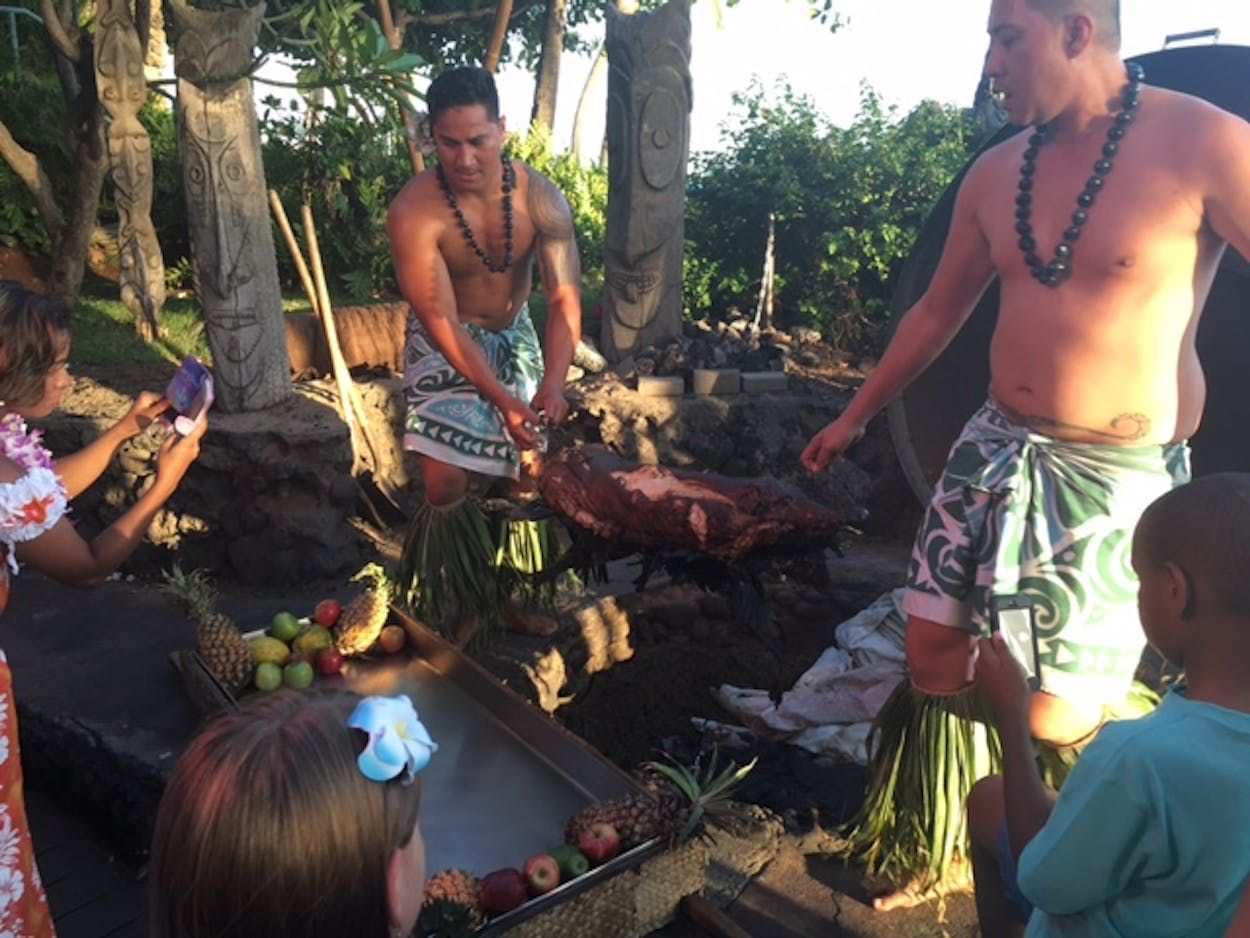
While many dishes grace the tables of Honolulu, none holds the same reverence and nostalgic pull as Kalua Pig. It’s more than just food; it’s a centerpiece of celebrations, a taste of true aloha spirit. Traditionally cooked in an imu (underground oven), we’ll adapt this for a more accessible, yet equally delicious, home preparation.
Ingredients:
- 1 (5-7 lb) boneless pork shoulder (Boston butt) - 1/4 cup Hawaiian sea salt (or coarse sea salt) - 1/2 cup liquid smoke (optional, for a quicker smoky flavor) - 4-6 ti leaves (or banana leaves), softened - 1 tablespoon coarse black pepper
Equipment:
- Roasting pan - Aluminum foil - Oven
Preparation:
1. Prepare the Pork: Rinse the pork shoulder and pat it dry. Score the fat cap lightly in a diamond pattern. 2. Salt the Pork: Rub the Hawaiian sea salt generously all over the pork, ensuring it gets into the scores. This is crucial for authentic flavor. 3. Add Smoke (Optional): If not using an imu, mix the liquid smoke with a tablespoon of water and rub it onto the pork. This offers a shortcut to the smoky essence. 4. Season: Sprinkle with coarse black pepper. 5. Wrap in Ti Leaves: Lay out the softened ti leaves (overlap them to create a seal). Place the seasoned pork shoulder in the center. Wrap the pork tightly in the ti leaves, securing them with kitchen twine if necessary. This imparts a subtle, earthy flavor and helps keep the meat moist. 6. Roast: Preheat your oven to 300°F (150°C). Place the wrapped pork in a roasting pan. Cover the pan tightly with aluminum foil to trap the steam. 7. Cook: Roast for 6-8 hours, or until the pork is fork-tender and shreds easily. The longer it cooks at a low temperature, the more tender it will become. 8. Shred: Once cooked, carefully remove the pork from the oven. Let it rest for about 30 minutes. Unwrap the ti leaves. Using two forks, shred the pork directly in its juices. Mix the shredded pork with the rendered juices for maximum flavor and moisture. 9. Serve: Serve hot, traditionally with poi, rice, or macaroni salad.
Journey Highlights
- Kalua Pig: The quintessential Hawaiian feast dish. - Poi: Fermented taro root, a staple side. - Laulau: Pork and fish wrapped in taro leaves and steamed. - Lomi Salmon: A refreshing side dish of salted salmon, tomatoes, and onions. - Haupia: A coconut milk-based dessert, often served cubed.
Local Secrets & Insider Tips
As a Honolulu local, let me tell you, the real magic happens away from the crowds. Forget the generic Luau buffets for a moment and dive into the food that truly fuels our community.
Kalua Pig Perfection: While you can make Kalua Pig at home, if you're seeking the real deal without the imu, head to Highway Inn in Waipahu or Kaka'ako. Skip the main dining room rush and aim for a weekday lunch, ideally between 11:00 AM and 1:00 PM. Order the Kalua Pig plate with a side of Lomi Salmon. The authentic smoky flavor here is unparalleled, and they serve it with a generous portion of rice and mac salad that hits the spot every time. Avoid weekends if you want a quicker experience.
Hidden Gem for Laulau: For incredible Laulau, you have to seek out Ono Hawaiian Foods on King Street. This place is legendary among locals. Go early, especially on a weekday, as they often sell out. Aim to be there right when they open at 10:00 AM. Order the Laulau plate and be sure to try their Haupia for dessert. It’s simple, unpretentious, and utterly delicious. The chefs here have been making it the same way for decades.
Poi Logistics: Poi can be a shock to the uninitiated palate. It's fermented taro, with a consistency that ranges from thick paste to watery, and a distinct sourness. If you're trying it for the first time, ask for 'sweet poi' (less fermented) or 'medium poi.' Don't be afraid to mix it with your Kalua Pig – that's how many locals eat it. Places like Helena's Hawaiian Food (another must-visit, but notoriously hard to get into – call WAY ahead) serve the best traditional poi.
Avoiding Tourist Traps: The biggest pitfall is sticking to Waikiki. Venture out! Rent a car or use ride-sharing services to explore areas like Kalihi, Waipahu, or even North Shore for more authentic eats. Many of the best spots are hole-in-the-wall places or small storefronts that look unassuming but serve food made with generations of love and tradition. Always check their hours, as many local spots close early or are only open a few days a week.
Common Questions
Frequently Asked Questions: Unlocking Honolulu's Culinary Secrets
Q: What is the undisputed king of Honolulu's local cuisine, and why is it so special? A: Kalua Pig reigns supreme as arguably the most iconic and beloved local dish in Honolulu. Its enduring popularity stems from its incredibly tender, smoky, and succulent texture, achieved through traditional cooking methods. It's not just food; it's a cultural cornerstone, deeply ingrained in celebrations, family gatherings, and community events, symbolizing warmth and hospitality.
Q: I want to experience truly authentic Hawaiian food without the tourist traps. Where should I venture? A: To escape the tourist crowds and savor genuine Hawaiian flavors, seek out the hidden gems: smaller, family-run establishments nestled away from the bustling main thoroughfares. These are the places where recipes have been passed down through generations. Highly recommended by locals for their unwavering authenticity include Helena's Hawaiian Food and Ono Hawaiian Foods. These establishments offer a glimpse into the heart of Hawaiian culinary tradition.
Q: The importance of poi in Hawaiian cuisine is often mentioned. Can you elaborate on its role and flavor profile? A: Absolutely. Poi is far more than just a side dish; it is a foundational element of traditional Hawaiian meals, deeply interwoven with the cultural fabric of the islands. Its unique, thick, paste-like texture and subtly sour taste are indeed an acquired preference for some newcomers, but for many, it is a cherished comfort food, evoking a sense of home and heritage. Its starchiness also complements the richness of other dishes perfectly.
Q: Can you explain the traditional method of preparing Kalua Pig, the 'imu' cooking process? A: The magic behind Kalua Pig's unparalleled flavor lies in its traditional preparation using an 'imu.' This ancient technique involves digging an underground oven lined with superheated volcanic rocks. The pig, after being meticulously seasoned and wrapped in ti leaves, is placed within this imu. The intense heat and steam, trapped by the earth, slowly cook the pork for hours, resulting in an astonishingly tender, fall-off-the-bone meat infused with a distinct, natural smokiness that cannot be replicated by modern methods.
Q: Beyond the celebrated Kalua Pig, what other adventurous and truly local dishes should a curious palate explore in Honolulu? A: For the truly adventurous diner eager to delve deeper into Honolulu's unique culinary landscape, venturing beyond Kalua Pig is highly recommended. Consider ordering Laulau, a labor of love where tender pork and often fish are wrapped in taro leaves and then steamed, creating a soft, flavorful parcel. Another must-try is Pipikaula, a traditional dried and salted beef that offers a chewy, intensely savory experience, showcasing the island's resourcefulness and preservation techniques.