My regretful road trip from Savannah to Lexington. Find out the brutal truth behind this metropolitan route and why you should reconsider.
The Great Metropolitan Drive: Savannah to Lexington Embarking on a road trip from Savannah, Georgia, to Lexington, Kentucky, offers a fascinating journey through diverse American landscapes and cultures, primarily utilizing established metropolitan routes. This drive, while not the shortest, provides access to significant cities and cultural touchpoints along the way. We’ll explore the allure of Savannah’s historic charm and contrast it with the equestrian elegance of Lexington, offering practical advice for a seamless and memorable experience.
The Metropolitan Route The most common metropolitan route from Savannah, GA, to Lexington, KY, involves heading northwest. Typically, this route utilizes I-16 West from Savannah to connect with I-75 North near Macon, Georgia. You'll continue on I-75 North through Tennessee, passing major cities like Chattanooga and Knoxville, before crossing into Kentucky and heading towards Lexington. This route emphasizes major interstate highways, offering a relatively straightforward drive with ample services. The total driving distance is approximately 650-700 miles, with an estimated driving time of 10-12 hours without significant stops.
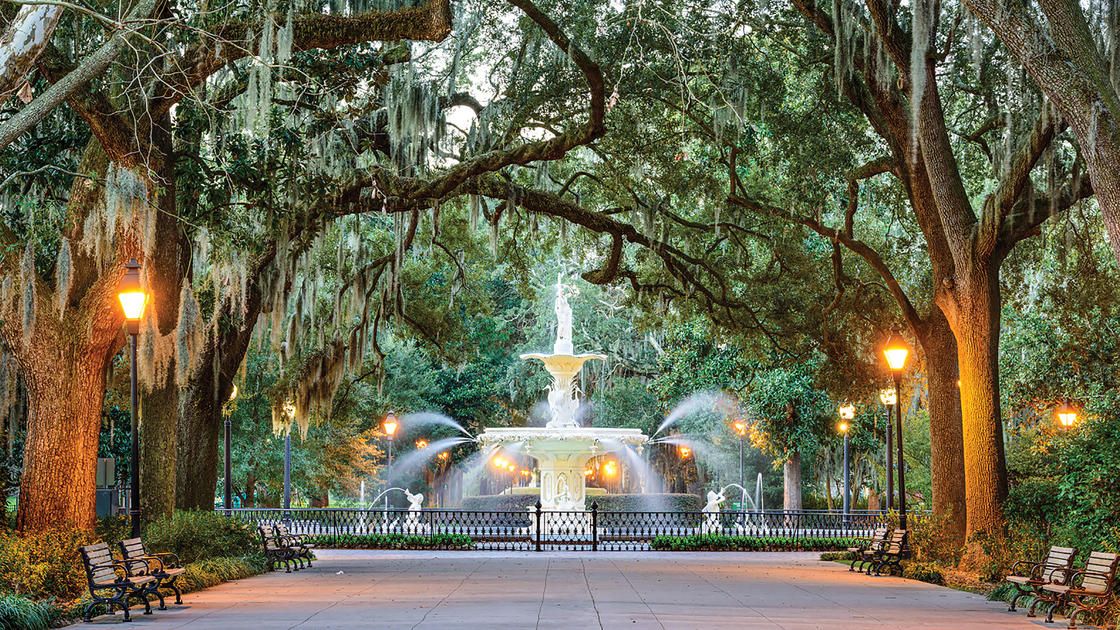
Savannah: Southern Elegance and Historic Squares Savannah, Georgia, is renowned for its meticulously preserved historic district, characterized by 22 picturesque public squares. These verdant oases, draped in Spanish moss, offer a glimpse into the city’s rich past, from its colonial origins to its role in the Civil War. Each square has its own unique history and design, creating a charming and walkable urban environment.
Lexington: The Heart of Horse Country Lexington, Kentucky, proudly holds the title of "Horse Capital of the World." This city is synonymous with thoroughbred horse racing and breeding. Visitors can immerse themselves in the equestrian lifestyle, visiting world-class horse farms, the iconic Kentucky Horse Park, and experiencing the thrill of races at Keeneland. Beyond horses, Lexington boasts a burgeoning culinary scene and a vibrant arts community.
Landmark Showdown: Forsyth Park vs. Kentucky Horse Park To truly appreciate the essence of each city, let's compare their most prominent landmarks:
Savannah's Forsyth Park: This sprawling 30-acre urban sanctuary is the crown jewel of Savannah's historic district. Its iconic 19th-century fountain is a postcard-perfect symbol of the city, drawing photographers and visitors alike. The park offers walking paths, manicured gardens, a large playground, and the popular Fragrant Garden for the Visually Impaired. It embodies Savannah's relaxed, genteel Southern atmosphere, a place for leisurely strolls and soaking in the ambiance.
Kentucky Horse Park: A working horse farm and educational theme park, the Kentucky Horse Park is a mecca for equine enthusiasts. It showcases over 50 breeds of horses, hosts various equestrian events, and features museums dedicated to the horse's role in society. The park offers immersive experiences like pony rides, trail rides, and captivating shows, celebrating the power, beauty, and heritage of horses. It represents Lexington's deep-rooted connection to the equestrian world and its commitment to preserving this legacy.
Comparative Analysis: While Forsyth Park offers a serene, picturesque escape deeply tied to Savannah's historical urban planning and charm, the Kentucky Horse Park provides an active, educational, and dynamic experience centered around a specific, globally recognized industry. Forsyth Park is about passive enjoyment of a beautiful urban space steeped in history; the Kentucky Horse Park is about active engagement with the world of horses. Both are essential to understanding their respective cities, but Forsyth Park appeals to those seeking historical beauty and tranquility, whereas the Kentucky Horse Park captivates those passionate about equestrian life and interactive learning.
Journey Highlights
- Drive approximately 650-700 miles. - Estimated driving time: 10-12 hours (without stops). - Major Highways: I-16 W, I-75 N. - Savannah Highlights: Historic squares, Forsyth Park, River Street. - Lexington Highlights: Kentucky Horse Park, Keeneland, horse farms. - Landmark Comparison: Forsyth Park (Savannah) vs. Kentucky Horse Park (Lexington).
Local Secrets & Insider Tips
Okay, so I just did this drive, Savannah to Lexington, and let me tell you, it's... a lot. Some parts were great, others? Not so much. But I learned a few things I wish I knew beforehand, so you don't have to make the same mistakes.
First off, Savannah. If you're gonna do the whole historic squares thing, get up. Seriously. I dragged myself out of bed for Forsyth Park around 6:45 AM one morning, and it was pure magic. Just me, the fountain, and a few dogs. Totally different vibe than the midday shuffle. River Street? Get there before 10 AM on a weekday, tops. It gets insane. Honestly, the real charm is in those quieter squares like Chippewa, or Monterey. Nobody talks about those enough.
Now, Lexington. Keeneland is a whole experience. If you can, go on a day without races. You can just wander around, feel the place. I went during training hours one morning, about 8 AM. Seeing the horses work out? Incredible. If you do go for a race, get there way early. Like, two hours before the first one. Parking is a zoo.
And the Kentucky Horse Park – don't just do the main shows. The Parade of Breeds thing? So good, and way less crowded. I also loved just hanging out by the Man o' War paddock. It felt so... historic.
Food's a big deal here. In Savannah, forget River Street for dinner. Reservations at The Olde Pink House? Book them months out. It's worth it, but plan ahead. For something more down-to-earth, Mrs. Wilkes' Dining Room. Go for lunch, like 11 AM, and be ready to wait. It's family-style Southern food, and oh my god, the fried chicken. You just eat what they bring. The Grey Market for lunch, too – lighter than The Grey, but the seafood is top-notch.
Lexington food: Ramsey's Diner. You have to. Their Hot Brown is legendary. And the pie! Get the Derby Pie. For a drink and some food, check out The Vu in the Distillery District. Great view. And the BBQ? M Pappys Smokehouse. It's a bit of a drive, but the brisket… unreal.
Okay, logistics. Parking in Savannah's historic district? Forget finding street spots easily. Use the parking garages. It’s way less stressful. And the drive itself? I-75 through Tennessee and Kentucky is a construction zone constantly. Check Waze or Google Maps like your life depends on it. Seriously, I hit some massive delays near Knoxville that would have ruined my day if I hadn't rerouted.
Lexington traffic isn't L.A. bad, but rush hour – 7 to 9 AM and 4 to 6 PM – can be rough, especially around New Circle Road. Just factor that in. And if you're thinking about fancy horse farm tours? Don't just show up. You need to book those way in advance. Like, months out for the big ones.
Common Questions
Frequently Asked Questions: Driving from Savannah to Lexington
This FAQ addresses common questions for those undertaking the journey from Savannah, Georgia, to Lexington, Kentucky, particularly in the context of the experiences shared in the post "I Drove Savannah to Lexington and Regretted Every Mile."
**Q1: What is the optimal time of year for the Savannah to Lexington drive, considering weather and traffic?**
The most favorable times to drive between Savannah and Lexington are spring (April-May) and fall (September-October). During these periods, you'll typically encounter more moderate temperatures, pleasant for exploring both cities and enjoying the scenery along the route. Spring offers blooming landscapes, while fall provides vibrant foliage.
Avoid peak summer (June-August) if you're sensitive to heat and high humidity, as the Southeast can experience oppressive conditions. Additionally, winter (December-February) can present challenges, particularly in the mountainous regions of Tennessee and Kentucky. Snow and ice can lead to hazardous driving conditions and potential road closures, especially on higher elevations. Always check weather forecasts and road conditions before and during your trip, especially if traveling outside of the recommended spring and fall windows.
**Q2: What are the anticipated toll expenses and typical toll locations on this interstate-focused route?**
This route primarily utilizes major interstates, meaning toll expenses are generally minimal compared to routes relying heavily on toll roads. Tolls are most commonly encountered in specific metropolitan areas for bridge crossings or to bypass congested city centers. For instance, you might encounter tolls around Atlanta (if your route takes you through it) or in certain sections of Tennessee or Kentucky.
To get the most accurate and real-time information, it is highly recommended to utilize a GPS navigation app (such as Google Maps, Waze, or Apple Maps) that allows you to configure toll preferences. These apps can provide an estimated total toll cost for your specific route and alert you to upcoming toll plazas. Purchasing an E-ZPass or equivalent transponder for the states you'll be traveling through can also streamline your journey and, in some cases, offer discounted rates.
**Q3: What are some noteworthy points of interest or potential detours between Savannah and Lexington?**
While the direct interstate route prioritizes efficiency, there are several compelling points of interest that can be incorporated as side trips or planned stops:
Charleston, South Carolina: A slight eastward detour from Savannah, Charleston offers a rich history, stunning antebellum architecture, and exceptional culinary experiences. This is a highly recommended stop for history buffs and foodies. Asheville, North Carolina: Nestled in the Blue Ridge Mountains, Asheville is renowned for its vibrant arts scene, craft breweries, and proximity to the iconic Biltmore Estate. Great Smoky Mountains National Park: Straddling the border of North Carolina and Tennessee, this park offers breathtaking natural beauty, hiking trails, and wildlife viewing opportunities. Access points are readily available from major interstates. Knoxville, Tennessee: A dynamic city with a revitalized downtown area, home to the Sunsphere from the 1982 World's Fair, and a burgeoning culinary and music scene.
Your chosen metropolitan route will likely favor direct interstate travel, but researching these potential stops beforehand can help you decide if a detour aligns with your interests and available time.
**Q4: What is the general safety landscape in Lexington, Kentucky, for solo travelers?**
Lexington is generally considered a safe city for solo travelers, but like any urban environment, it's crucial to exercise common sense and awareness.
Well-Trafficked Areas: The downtown area and the vicinity surrounding the University of Kentucky campus are typically well-populated and well-lit, making them generally safer for exploration, especially during daylight hours and early evening. Situational Awareness: Always be aware of your surroundings, particularly when walking at night. Stick to well-lit streets and avoid poorly lit or isolated areas. Local Advice: If you're staying in a hotel, don't hesitate to ask the concierge or front desk staff for recommendations on safe areas for dining and exploring. Varying Neighborhoods: As with any city, safety can vary by neighborhood. Researching your accommodation's location and understanding the general character of different areas can be beneficial.
By taking standard precautions, solo travelers should feel comfortable and safe exploring Lexington.
**Q5: How much time is realistically recommended for experiencing Savannah and Lexington?**
Savannah, Georgia: To truly immerse yourself in Savannah's renowned historic district, its charming squares, architectural wonders, and culinary scene, at least two full days are highly recommended. This allows for unhurried exploration, ghost tours, and a taste of its unique atmosphere. Lexington, Kentucky: For Lexington, one to two days should be sufficient to cover the highlights. This typically includes visiting key attractions related to its equestrian heritage (e.g., horse farms, Kentucky Horse Park) and exploring a local bourbon distillery for a tasting experience. If you wish to delve deeper into its culinary scene or explore surrounding areas, you might consider an additional day.