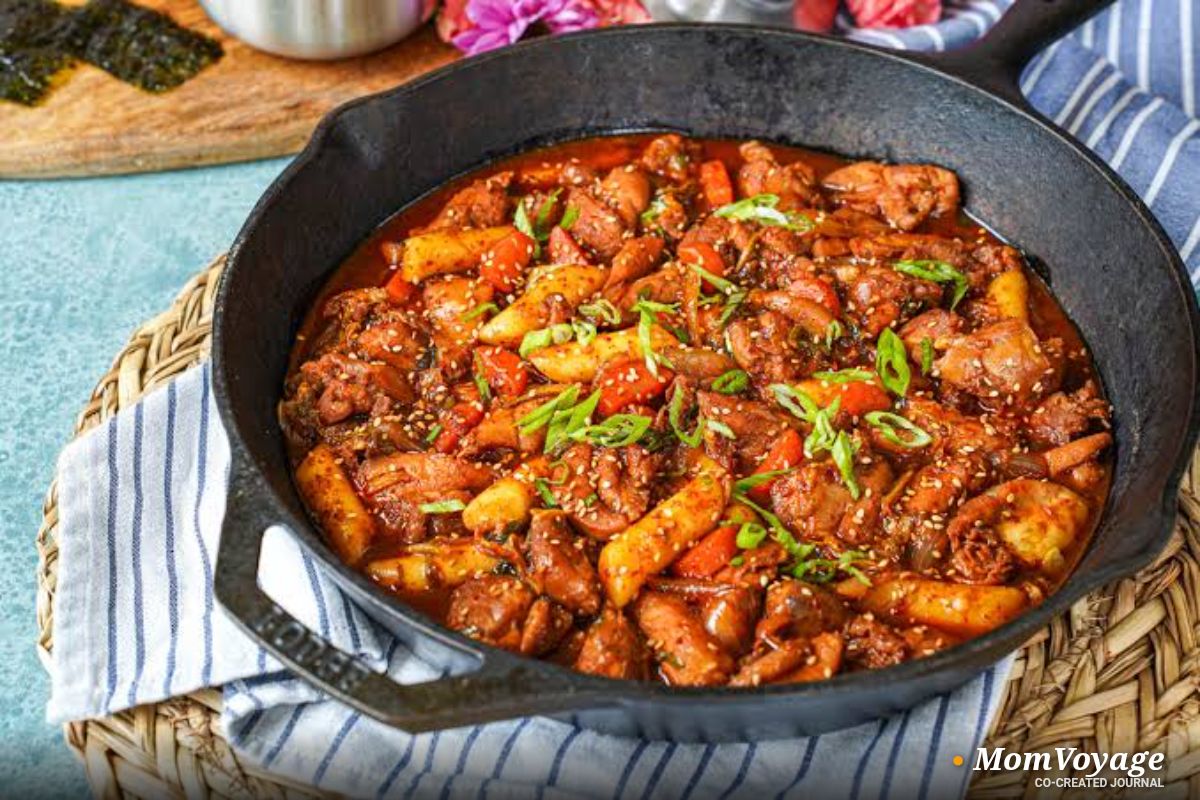
Savor the authentic taste of Incheon! Discover the simple steps to master Dakgalbi, a spicy Korean chicken stir-fry, with this essential local recipe.
Taste of Incheon: Mastering the Art of Dakgalbi
Incheon, a vibrant gateway city to South Korea, offers a culinary landscape rich with flavor and tradition. Among its most celebrated dishes is Dakgalbi, a hearty and communal stir-fry that embodies the spirit of Korean home cooking. This dish, characterized by its spicy, savory, and slightly sweet profile, features tender marinated chicken stir-fried with a colorful array of fresh vegetables and chewy rice cakes. It’s more than just a meal; it's an experience often cooked at the table, bringing people together. Now, you can bring the authentic taste of Incheon's Dakgalbi into your own kitchen with this easy-to-follow guide.
The Soul of Dakgalbi: Flavor and Texture
Dakgalbi translates literally to 'chicken ribs,' but the dish typically uses boneless chicken pieces. The magic lies in the marinade – a robust blend featuring gochujang (Korean chili paste) as its base, balanced with gochugaru (Korean chili flakes), soy sauce, garlic, ginger, and a touch of sweetness. This mixture imbues the chicken with a deep, complex flavor. When stir-fried with crisp cabbage, tender sweet potatoes, chewy rice cakes (tteok), and aromatic scallions, often finished with fresh perilla leaves, the result is a symphony of tastes and textures. The sauce reduces to a sticky glaze that coats every ingredient, making each bite utterly satisfying.
Gathering Your Authentic Ingredients
To achieve the true Incheon Dakgalbi flavor, focus on these essential components:
- Chicken: Approximately 500g of boneless, skinless chicken thighs, cut into bite-sized pieces. Thighs offer the best flavor and tenderness. - Marinade Essentials: Gochujang, gochugaru, soy sauce, minced garlic, grated ginger, mirin (or rice wine), sesame oil, and a sweetener like sugar or corn syrup. - Vegetables: Shredded napa cabbage, thinly sliced sweet potatoes, sliced onions, and fresh scallions cut into segments. - Add-ins: Tteokbokki tteok (Korean rice cakes), preferably the chewy, cylindrical type. Dried tteok should be soaked in warm water for about 20 minutes before use. - Aromatics: Fresh perilla leaves (kkaennip), roughly chopped, add a unique herbal note. If unavailable, fresh spinach can be a substitute, though the flavor will differ. - Finishing Touches: A drizzle of sesame oil or perilla oil for added aroma.
Crafting Your Dakgalbi: Step-by-Step
Follow these straightforward steps to create this beloved Korean dish:
1. Marinate the Star: Combine the chicken pieces in a bowl with the gochujang, gochugaru, soy sauce, minced garlic, grated ginger, mirin, sesame oil, and sugar. Mix thoroughly to ensure each piece is well-coated. Let it marinate for at least 30 minutes at room temperature, or cover and refrigerate for up to a few hours for intensified flavor.
2. Prepare the Stir-Fry Sauce: In a separate small bowl, whisk together a bit more gochujang, gochugaru, soy sauce, minced garlic, and sesame oil. This concentrated sauce will be added during cooking to deepen the flavor and thicken the glaze.
3. Begin the Sizzle: Heat a tablespoon of cooking oil in a large, heavy-bottomed skillet or wok over medium-high heat. Add the marinated chicken and stir-fry until it's mostly cooked through and beginning to brown. If using a traditional griddle, ensure it’s preheated.
4. Introduce the supporting cast: Add the sliced sweet potatoes and onions to the skillet. Continue to stir-fry for about 3-5 minutes, allowing the sweet potatoes to soften slightly.
5. Layer in the Bulk: Add the shredded cabbage and the prepared rice cakes to the skillet. Stir-fry for another 2-3 minutes until the cabbage begins to wilt.
6. Glaze and Unify: Pour the prepared stir-fry sauce over everything in the skillet. Stir continuously, ensuring all ingredients are evenly coated with the sauce. Cook until the sauce thickens into a glossy glaze, the chicken is fully cooked, and the rice cakes are tender and slightly chewy.
7. Final Flourish: In the last minute of cooking, toss in the chopped scallions and perilla leaves. Stir just until they are slightly wilted but still vibrant. Remove from heat. A final drizzle of sesame oil or perilla oil enhances the aroma.
Serve the Dakgalbi immediately, piping hot, preferably with steamed white rice and a selection of Korean side dishes (banchan) like kimchi. The shared experience of enjoying this flavorful dish makes it a perfect centerpiece for any meal.
Journey Highlights
- Incheon's Culinary Gem: Dakgalbi, a spicy Korean chicken stir-fry, is a must-try local favorite. - Key Ingredients: Boneless chicken thighs, gochujang-based marinade, cabbage, sweet potatoes, rice cakes (tteok), onions, scallions, and optional perilla leaves. - Preparation Steps: Marinate chicken, prepare sauce, stir-fry chicken, add vegetables and tteok, incorporate sauce until glazed, finish with scallions and perilla leaves. - Serving Suggestion: Serve hot with steamed rice and banchan (side dishes). - Authentic Experience: Recreate the vibrant flavors of Incheon at home.
Local Secrets & Insider Tips
resident of Incheon, I've seen and tasted my fair share of Dakgalbi. To truly savor it like a local, here are a few insider tips:
Timing Your Visit for Peak Flavor (and Fewer People!): For the most authentic, lively atmosphere without the peak rush, aim for a weekday dinner between 6:00 PM and 7:00 PM. Most local spots get incredibly busy after 7:30 PM, so arriving a bit earlier ensures you get a good seat and quicker service. If you prefer a more relaxed experience, late lunch (around 1:30 PM) on a weekday can also be pleasant.
Finding Hidden Culinary Havens: Don't just stick to the main streets. Wander into the smaller alleys in neighborhoods like Guwol-dong or near the Bupyeong market. Look for restaurants with handwritten menus, lots of local patrons, and perhaps a slightly older, more traditional feel. These are often where you'll find the most authentic and flavorful Dakgalbi. If a restaurant has a large, flat-top grill built into the table, that's a good sign they specialize in this interactive dish.
Dishes You Won't Want to Miss: Beyond the main Dakgalbi, always, always leave room for Bokkeumbap (fried rice). The server will typically mix rice, seaweed, and other seasonings into the leftover sauce in the pan once the Dakgalbi is finished. It's the perfect, flavorful ending. If you're feeling extra hungry, asking to add Ramyeon (instant noodles) or Udon noodles to the Dakgalbi itself is a popular choice known as Gopchang-jeongol-style.
Navigating the Experience Like a Pro: Many traditional Korean restaurants, especially those serving communal dishes like Dakgalbi, feature low tables with floor seating. If this isn't comfortable for you, it's wise to call ahead and inquire if they have Western-style table seating available. Also, be aware that the cooking process can be a bit smoky and aromatic. Wearing an outfit you don't mind carrying a faint, delicious scent of Korean barbecue in afterwards is a good idea!
Common Questions
Frequently Asked Questions
Q1: Is Dakgalbi very spicy? A: Dakgalbi has a noticeable spice level due to gochujang and gochugaru, but it's balanced with sweetness and savory notes. You can adjust the amount of chili paste and flakes to your preference.
Q2: What should I serve with Dakgalbi? A: It's traditionally enjoyed with steamed white rice and various Korean side dishes (banchan), especially kimchi. After finishing the stir-fry, many Koreans love to make bokkeumbap (fried rice) using the leftover sauce in the pan.
Q3: Where can I find authentic Dakgalbi in Incheon? A: While this recipe lets you experience it at home, for restaurant dining, explore local neighborhoods like Guwol-dong or the areas around Sinpo International Market. Look for bustling eateries filled with locals.
Q4: Can I make Dakgalbi vegetarian? A: Absolutely! Substitute the chicken with firm tofu, mushrooms (like king oyster or shiitake), or a mix of extra vegetables. Ensure your gochujang is vegetarian.