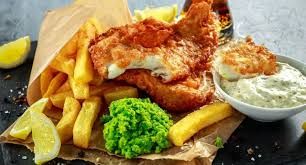
The real cost of Brighton's famous local dish revealed. Get an unfiltered budget breakdown after living there – is it truly affordable?
Brighton's Quintessential Fish & Chips: A Deep Dive into the Ultimate Recipe
Brighton, a city synonymous with seaside charm and culinary delights, holds a special place in its heart for a dish that embodies its spirit: the perfect Fish and Chips. This isn't merely a meal; it's an institution, a ritual, and a testament to the power of simple, high-quality ingredients prepared with time-honored techniques. Beyond the basic concept, Brighton’s take on this classic elevates it with a distinct local flair, emphasizing freshness, a masterful batter, and the perfect accompaniments that transform it from a humble dish into an unforgettable experience. This in-depth exploration delves into the very essence of Brighton's signature dish, dissecting its components and revealing the secrets to its enduring popularity.
The Anatomy of Perfection: Deconstructing Brighton's Iconic Fish & Chips
At the heart of Brighton's celebrated Fish and Chips lies a profound commitment to quality and technique. It’s an art form that begins with the selection of the freshest, most succulent white fish, then enrobes it in a batter that achieves a delicate crispness without greasiness. This is not a dish that tolerates shortcuts; each element plays a crucial role in the symphony of flavors and textures. The perfectly cooked chips, the essential punctuation to the fish, are equally important, providing a satisfying, hearty counterpoint. Understanding these individual components is the first step to appreciating the true magic of Brighton's culinary icon.
The Star of the Show: Selecting and Preparing the Fish
The soul of any Fish and Chips is, undoubtedly, the fish. In Brighton, this means prioritizing freshness above all else. While a variety of firm white fish can be used, Cod and Haddock are the undisputed champions, prized for their flaky texture and mild, sweet flavor that readily absorbs the nuances of the batter. Pollock also emerges as a worthy contender, offering a slightly firmer texture and a more robust taste. The key is to source the freshest possible fillets, ideally from local fishmongers who can attest to their origin and daily catch.
Ideal Fish Choices:
Cod: Renowned for its thick, white flakes and moist, delicate texture. It's a classic for a reason, offering a clean, pure fish flavor. Haddock: Slightly sweeter and more flavorful than cod, with a beautiful, flaky texture that holds up well to frying. It's often considered the premium choice for many. Pollock: A more sustainable and often more affordable option, pollock provides a firm, white flesh that fries up beautifully. Its flavor is slightly stronger than cod or haddock, making it a popular choice for those seeking a more pronounced fish taste.
Preparation for Frying:
Before battering, the fish fillets should be thoroughly dried with paper towels. This crucial step ensures the batter adheres properly and promotes a crispier finish. Some chefs recommend a light dusting of flour before applying the batter, further aiding adhesion and creating an extra layer of crispness. The fillets should be of a uniform thickness for even cooking.
The Golden Encasement: Mastering the Brighton Batter
The batter is where Brighton’s Fish and Chips truly shines, transforming simple flour and liquid into a golden, crisp masterpiece. The ideal batter is light, airy, and shatteringly crisp, providing a delightful textural contrast to the tender fish within. It should never be heavy or greasy, a common pitfall that can render even the freshest fish unappealing. Achieving this perfect consistency involves a careful balance of ingredients and, crucially, the temperature of the frying medium.
The Art of the Batter: Key Ingredients and Techniques
The fundamental ingredients for a classic Brighton batter are simple: flour, a leavening agent, and a liquid. However, the ratio and type of each can make a significant difference. All-purpose flour is the standard, providing a good base. For leavening, baking powder is essential for creating that signature puff and lightness. The liquid component is where personal preference and regional variations come into play.
#### Essential Batter Components:
Flour: 1 cup all-purpose flour, plus extra for dusting. The flour provides the structure for the batter. Baking Powder: 1 to 2 teaspoons. This is the primary leavening agent, crucial for a light and airy batter. Liquid: This is where the magic happens. Options include: Cold Water: A simple and effective choice, especially when chilled, to create crispness. Beer: Many consider beer to be the secret ingredient. The carbonation in beer helps create air pockets, leading to a lighter, crispier batter. A lager or pale ale is typically preferred for its mild flavor. Sparkling Water: Offers the leavening benefits of carbonation without adding any distinct flavor, making it a good alternative for those who prefer not to use beer.
The Preparation Process:
1. Dry Ingredients: Whisk together the flour and baking powder in a bowl. 2. Wet Ingredients: Gradually add your chosen cold liquid (beer, water, or sparkling water) to the dry ingredients, whisking continuously until you achieve a smooth, thick batter – roughly the consistency of double cream. Avoid overmixing, as this can develop the gluten and result in a tougher batter. A few small lumps are acceptable. 3. Resting (Optional but Recommended): Letting the batter rest for 10-15 minutes allows the gluten to relax, contributing to a more tender result. 4. Seasoning: While some prefer to season the batter itself with salt and pepper, others opt to salt the fish after frying. For a simple, classic approach, a pinch of salt and pepper in the batter is a good starting point.
The Perfect Chip: A Complementary Companion
No Fish and Chips is complete without a generous serving of perfectly cooked chips. In Brighton, these are not an afterthought but an integral part of the experience. The ideal chip is fluffy and soft on the inside, with a satisfyingly crisp, golden exterior. This is achieved through a meticulous two-stage frying process.
The Two-Stage Frying Technique:
1. First Fry (Blanching): Potatoes are cut into thick, uniform batons and fried in oil at a lower temperature (around 130-140°C / 265-285°F). This stage cooks the potato through, rendering it soft and fluffy on the inside without browning the exterior. This typically takes about 5-7 minutes, depending on the size of the chips. 2. Second Fry (Crisping): Once blanched and drained, the chips are left to cool slightly before being returned to hotter oil (around 180-190°C / 355-375°F) for a shorter period. This second fry is what gives them their irresistible golden crispness.
Potato Selection and Preparation:
Potato Type: Starchy varieties like Maris Piper, King Edward, or Rooster potatoes are ideal for chips, as they yield a fluffy interior. Cutting: Cut potatoes into thick, even batons – approximately 1cm x 1cm. Rinsing and Drying: After cutting, rinse the potato batons in cold water to remove excess starch, then dry them thoroughly with a clean tea towel. This is crucial for achieving crispness.
The Essential Accompaniments: Elevating the Experience
While the fish and chips themselves are the stars, the traditional accompaniments are what truly complete the Brighton Fish and Chips experience. These simple additions not only enhance the flavors but also provide a textural and sensory balance to the rich, fried dish.
The Holy Trinity of Condiments:
Salt and Vinegar: The undisputed king and queen of Fish and Chips condiments. A liberal sprinkling of salt awakens the flavors, while a generous dousing of malt vinegar provides a sharp, acidic counterpoint that cuts through the richness of the batter and fish. The tang of the vinegar is essential for many diners. Mushy Peas: A classic side dish, mushy peas are made from dried marrowfat peas that have been soaked and then boiled until tender and soft. They offer a slightly sweet, earthy flavor and a creamy texture that is a comforting contrast to the crisp fish and chips. They are often seasoned with salt and pepper, and sometimes a knob of butter.
Other Popular Additions:
While the above are considered essential by many, other popular additions can further enhance the meal:
Tartar Sauce: A creamy sauce made with mayonnaise, chopped pickles (gherkins), capers, onions, and sometimes lemon juice and herbs like dill or parsley. It provides a tangy, zesty, and creamy element. Curry Sauce: A popular British takeaway staple, this thick, mild curry-flavored sauce offers a different kind of warmth and spice that many enjoy with their Fish and Chips. Pickled Onions or Gherkins: The sharp crunch and vinegary tang of these pickled items offer a refreshing bite.
The Frying Technique: Achieving Golden Perfection
The method of frying is perhaps the most critical element in achieving the perfect Brighton Fish and Chips. It requires careful temperature control of the oil and a keen eye to ensure neither undercooking nor burning.
Oil Selection:
A neutral-flavored, high-smoke point oil is essential. Common choices include:
Vegetable Oil: Widely available and cost-effective. Rapeseed Oil (Canola Oil): Another excellent option with a high smoke point. Beef Dripping: Traditionally, beef dripping was the preferred fat for frying Fish and Chips, imparting a distinctive rich flavor and unparalleled crispness. While less common today due to health consciousness and vegetarian options, it remains a favorite for purists.
Temperature Management:
Fish Batter: The oil should be heated to approximately 180-190°C (355-375°F). A consistent temperature is key. If the oil is too cool, the batter will absorb too much fat, becoming greasy. If it's too hot, the batter will burn before the fish is cooked through. Chips (First Fry): 130-140°C (265-285°F). Chips (Second Fry): 180-190°C (355-375°F).
The Frying Process:
1. Batting the Fish: Dip the well-dried fish fillets into the prepared batter, ensuring they are fully coated. Allow any excess batter to drip off. 2. Careful Placement: Gently lower the battered fish into the hot oil. Fry in batches to avoid overcrowding the pan, which will lower the oil temperature and result in soggy fish. 3. Cooking Time: Fry the fish for approximately 5-8 minutes, depending on the thickness of the fillet, turning occasionally until the batter is a deep golden brown and the fish is cooked through and flakes easily. 4. Draining: Remove the fried fish from the oil using a slotted spoon or spider strainer and drain on a wire rack set over a baking sheet to allow excess oil to escape and maintain crispness.
The "Cheap" Question: Unpacking the Cost of Brighton's Famous Dish
The title question, "Fish & chips, Is Brighton's Famous Dish Actually Cheap?", delves into the perception versus the reality of this beloved meal. While historically Fish and Chips were considered a budget-friendly option, a staple for the working class, the current economic climate and the emphasis on quality ingredients have influenced their pricing.
Factors Influencing the Cost:
Quality of Ingredients: The use of fresh, high-quality fish (especially cod and haddock), good quality potatoes, and premium frying oils all contribute to the overall cost of production. Sourcing: Locally sourced ingredients, while often fresher and more sustainable, can sometimes come with a higher price tag. Labor Costs: Skilled chefs and fryers who can consistently produce excellent Fish and Chips require fair wages. Location: Prime locations in tourist hotspots like Brighton often command higher prices for food establishments due to overheads and demand. Portion Size and Presentation: Generous portions and attractive presentation can also influence the price.
Perceptions vs. Reality:
While you can still find more affordable Fish and Chips in Brighton, particularly in less tourist-centric areas or from dedicated takeaway shops, the establishments that truly embody the "Quintessential Brighton Fish and Chips" experience, focusing on premium ingredients and skilled preparation, will naturally reflect a higher price point. It's about valuing the quality and the craft. Therefore, while the idea of Fish and Chips may evoke a sense of cheapness, a truly exceptional Brighton version is an investment in a delicious and authentic culinary experience, rather than a budget meal. The value lies in the quality and the enjoyment it provides.
Journey Highlights
- Brighton's most popular local recipe is its elevated Fish and Chips. - Key ingredients include fresh white fish, a light batter, and quality potatoes. - Preparation involves a double-fry technique for both chips and fish for optimal crispiness. - Traditional accompaniments like malt vinegar, mushy peas, and tartar sauce are essential for the full experience.
Local Secrets & Insider Tips
Fish & Chips: Is Brighton's Famous Dish Actually Cheap?
As a local who's navigated Brighton's vibrant culinary landscape for years, I've seen the seaside staple of fish and chips evolve from a simple, affordable meal to a tourist hotspot with a surprisingly wide price range. The question of whether it's "cheap" depends entirely on where you go, when you go, and what you expect. Here’s your insider guide to getting the best value and the most authentic experience.
Timing is Everything: Beat the Crowds, Not Your Budget
The golden rule for any popular dish in Brighton, especially fish and chips, is timing. The difference between a relaxed, affordable meal and a stressful, expensive one can be as little as an hour.
The Sweet Spot for Weekday Lunches: For the quintessential, no-fuss fish and chips experience without the elbow-jostling, aim for a weekday lunch between 12:00 PM and 1:30 PM. This is just as the local workers and early birds are getting their fill, but before the main wave of day-trippers descends. You’ll often find shorter queues and a slightly more relaxed atmosphere. The Evening Wind-Down: Alternatively, a late evening visit, between 8:30 PM and 9:30 PM, can be just as rewarding. Many of the popular spots will have cleared out by then, and the last batches of fish tend to be exceptionally fresh as they’re cooked to order for those finishing their evening. You might even snag a slightly better deal as businesses prepare to close. Weekend Warriors Beware: Saturdays and Sundays, especially during peak season (April to October) and school holidays, are extremely busy. Expect queues of 30 minutes to an hour at popular seafront locations. If you’re set on a weekend fish and chip, aim for before 11:30 AM or after 3:00 PM for slightly thinner crowds.
Beyond the Pier: Hidden Gems & Unbeatable Views
The allure of the Brighton Pier is undeniable, but for true value and quality, venture a little further.
The Lanes & North Laine Gems: Don't limit yourself to the main drag. Tucked away in the winding alleys of The Lanes and the bohemian North Laine are independent chip shops and cafés that often serve superior fish and chips at more competitive prices. Look for places with local patrons, not just passing tourists. Insider Tip: Many of these independent spots are takeaway only. Embrace the takeaway experience! Kemp Town Promenade: For a quieter, more local seafront experience, walk east along the promenade towards Kemp Town. You’ll find fewer crowds, more benches, and a distinctively local vibe. You can often pick up a takeaway from a shop in the town centre and enjoy it here with a fantastic sea view. The Fish Market (When Open): While not directly for hot food, understanding where the fresh produce comes from is key. If you see the fish stalls at the early morning Fish Market on Brighton Pier (before 10:00 AM on weekdays), you’re seeing the source. Some of these vendors might also do simple, fresh seafood salads or dressed crab that can be a surprisingly affordable and delicious alternative.
Must-Try Dishes & Local Flavours (Beyond Cod & Haddock)
While cod and haddock are the classics, Brighton’s culinary scene offers so much more, often at better value.
Local Seafood Sensations: Fresh Crab Sandwiches: Many smaller cafés and deli-style shops, particularly in the North Laine, will offer incredible fresh crab sandwiches or salads. Made with crab caught locally, these are a true taste of the coast and often more affordable than restaurant seafood. Mackerel: Brighton is a mackerel hotspot. Look for grilled or smoked mackerel fillets – they're incredibly flavourful, packed with Omega-3s, and often very reasonably priced. Oysters: While not "cheap" in the traditional sense, buying oysters from a reputable fishmonger on the pier or in The Lanes and shucking them yourself (or having them shucked for you) is far more economical than a restaurant starter. Sussex Specialties: Sussex Pasty: Seek out a reputable local bakery for a true Sussex pasty. These are often hearty, flavourful, and can be a filling and affordable meal. Sussex 'Bum': This is a less common but fascinating local delicacy – a type of savoury steamed pudding. If you find a traditional pub serving it, don't be shy; it's a unique taste of the region. Local Ales: Many pubs pride themselves on serving local Sussex ales. Ask for recommendations – they often complement hearty pub food beautifully and are usually more affordable than national brands. The "Affordable" Fish & Chip Variations: Huss or Pollock: If you’re looking for a budget-friendlier white fish, ask if they offer Huss (also known as Rock Salmon) or Pollock. These are often less expensive than cod or haddock but still offer a delicious, flaky texture. Smaller Portions: Many shops offer “small” or “regular” portions. Opting for a smaller size can significantly reduce the cost.
Logistics That Trip People Up: Insider Pro-Tips
Navigating Brighton can be a joy, but a few logistical quirks can catch visitors out.
Parking Predicaments: Brighton's parking is infamous. Pre-Book: If driving, pre-book your parking space online with a reputable car park (e.g., NCP, Churchill Square) weeks in advance. This guarantees a space and often a better rate. Park & Ride: Consider using Brighton’s Park & Ride services from the outskirts of the city. It’s significantly cheaper than city centre parking and more stress-free. Walk or Cycle: Brighton is a compact city. If you're staying centrally, walking or cycling is often the most efficient and cost-effective way to get around. Takeaway Etiquette & Essentials: Order Ready: When you’re in a queue, have your order decided and ready to go. This speeds things up for everyone. Cash vs. Card: While most places accept cards, some smaller, older establishments might prefer cash or have a minimum spend for card transactions. It’s always good to have a little cash on hand. Napkin Scarcity: This is a classic! If you're heading to the beach or a public bench, bring your own extra napkins. Especially at busy times, the provided napkins can run out quickly. Condiment Quest: Don't be shy about asking for extra vinegar and salt if you like it. Most places are happy to oblige. Seating Realities: Sit-Down Means Spend-Up: If you must sit down, be prepared for prices to increase. True, no-frills fish and chip shops are almost exclusively takeaway. Sit-down restaurants will offer a more comfortable experience but at a higher cost. Public Seating: The best advice for affordable eating is to embrace public seating. The benches along the promenade, the grassy areas on the cliff tops (near theobservatoire), or even just finding a quiet spot on the beach are your best bet.
Safety & Etiquette: Enjoying Your Seaside Feast Responsibly
Seagull Savvy: Brighton's seagulls are notoriously bold and opportunistic! Never leave your food unattended, even for a moment. Be vigilant when eating outdoors. A quick, decisive grab is their specialty. Waste Not, Want Not: Dispose of your fish and chip wrappers and waste in the designated bins. Littering is a major issue, and keeping the beautiful seafront clean is everyone’s responsibility. Be Respectful of Queues: Patience is a virtue, especially in peak season. If you’re in a rush, consider a less popular spot or a different time. Ask Locals: Don't be afraid to ask a friendly local for their favourite chip shop recommendation. We love sharing our best-kept secrets!
By following these insider tips, you can absolutely enjoy delicious and affordable fish and chips in Brighton, soaking in the atmosphere without breaking the bank. Happy eating!
Common Questions
Frequently Asked Questions: Brighton's Famous Fish & Chips
What defines Brighton's iconic fish and chips?
Brighton's celebrated fish and chips are distinguished by a commitment to using the freshest locally sourced seafood, often landed daily from the English Channel. The preparation typically involves a light, crispy batter, achieved through a carefully balanced batter recipe and precise frying temperatures. Crucially, the chips are often subjected to a double-frying technique, resulting in a perfect exterior crispness and fluffy interior.
Which fish varieties are traditionally favoured for Brighton's fish and chips?
The quintessential choices for authentic Brighton fish and chips are cod and haddock. These species are favoured for their firm, flaky white flesh, which maintains its integrity and delicate texture when fried. Increasingly, pollock is also a popular and more sustainable option, offering a similar delightful eating experience.
What specific elements elevate Brighton's fish and chips beyond the ordinary?
Several key factors contribute to the exceptional quality of Brighton's fish and chips:
Exceptional Freshness: The proximity to the coast ensures that the fish is as fresh as possible, often caught and delivered to the kitchens within hours. Batter Perfection: A light, airy, and consistently crispy batter is paramount. This is achieved through a meticulous batter recipe, often involving ingredients like flour, water or beer, and a touch of leavening, all fried at the optimal temperature. The Double-Fry Method: The chips undergo a two-stage frying process. The first fry cooks the potato through at a lower temperature, and the second, higher-temperature fry crisps the exterior to perfection, creating that desirable crunch. Local Sourcing & Tradition: A deep-rooted tradition of preparing this dish with an emphasis on local ingredients and established techniques passed down through generations contributes to its unique character.
Is it possible to replicate authentic Brighton fish and chips in a home kitchen?
Absolutely. With attention to detail, it is entirely possible to create authentic Brighton fish and chips at home. The key lies in sourcing the freshest possible fish and high-quality potatoes. Pay close attention to:
Batter Consistency: Achieving the right batter thickness and texture is crucial. Experiment with recipes and consider using ingredients like cold beer for added lightness and crispiness. Double-Frying Technique: This is non-negotiable for achieving restaurant-quality chips. Ensure you have a good thermometer to monitor oil temperatures accurately for both frying stages. Oil Quality and Temperature: Using a neutral-flavoured oil with a high smoke point and maintaining consistent frying temperatures are vital for both the fish and chips.