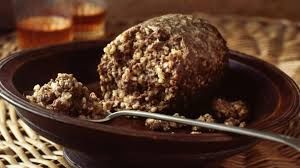
Glasgow haggis budget revealed! Is it truly cheap? See my raw, unfiltered spending after trying the city's most famous dish. Money-saving tips inside!
The Unveiling of Glasgow's Most Cherished Recipe: Haggis
Glasgow, a city pulsating with a vibrant culture and a deep-rooted culinary heritage, holds a special place in its heart for a dish that often elicits strong reactions: haggis. Far from being a mere novelty, haggis is the very soul of Scottish cuisine, a testament to resourcefulness and a celebration of hearty, traditional flavors. This iconic dish, traditionally prepared for Burns Night, is a staple in many Glaswegian homes and a must-try for any visitor seeking an authentic taste of Scotland.
The Humble Origins and Hearty Components
At its core, haggis is a savory pudding containing sheep's pluck (heart, liver, and lungs), minced with onion, oatmeal, suet, spices, and salt, mixed with stock, and traditionally encased in the animal's stomach and simmered. While the description might sound daunting to the uninitiated, the result is a surprisingly flavorful, deeply savory, and comforting dish. The oatmeal provides a wonderful texture, the spices add warmth, and the offal, when cooked correctly, is tender and rich. It’s a dish born from necessity, making use of every part of the animal, a true embodiment of Scottish resilience and culinary ingenuity.
Crafting Your Own Glasgow Classic: The Haggis Recipe
Embarking on the journey of making haggis at home can be a rewarding culinary adventure. While traditionally made with sheep's stomach, a modern approach often uses a casing or is simply cooked as a 'neeps and tatties' pudding. Here’s a simplified yet authentic recipe:
Ingredients:
- 1 pound sheep's heart, liver, and lungs (or beef equivalents if sheep is unavailable) - 1 large onion, finely chopped - 1 cup steel-cut oats, lightly toasted - 1/2 cup beef or lamb suet, finely chopped - 1 teaspoon salt - 1/2 teaspoon black pepper - 1/4 teaspoon ground nutmeg - 1/4 teaspoon ground mace (optional) - Approximately 2 cups beef or lamb stock
Preparation:
1. Prepare the Offal: Wash the pluck thoroughly. Boil the heart, liver, and lungs for about 1-1.5 hours until tender. Drain and allow to cool slightly. Mince the cooked offal finely, or process in a food processor until you achieve a coarse texture. 2. Combine Ingredients: In a large bowl, combine the minced offal, finely chopped onion, toasted oats, suet, salt, pepper, nutmeg, and mace. 3. Add Stock: Gradually add the stock, mixing well, until the mixture is moist but not overly wet. It should hold together. 4. Cook the Haggis: Traditionally, the mixture would be placed inside a cleaned sheep's stomach and tied. For a more accessible method, spoon the mixture into an ovenproof dish, cover tightly with foil, and bake at 325°F (160°C) for 2-3 hours, or until the oats are fully cooked and the mixture is firm. 5. Serve: The classic accompaniment is 'neeps and tatties' – mashed swede (rutabaga) and mashed potatoes. Serve the haggis hot, often with a dram of whisky.
Journey Highlights
- Traditional Scottish Recipe - Haggis Preparation Guide - Glasgow Culinary Heritage - Neeps and Tatties - Authentic Scottish Ingredients
Local Secrets & Insider Tips
This isn't just about a plate of haggis; it's about a Glasgow initiation. I've wrestled with this iconic dish, navigated bustling pubs, and deciphered menus to bring you the no-nonsense guide to enjoying authentic haggis without emptying your wallet. Forget those overpriced tourist traps – this is how the real Glaswegians do it, and how I kept my budget in check.
The Hunt for Authentic Haggis: Timing, Locations, and Beyond
Let's be clear: truly authentic haggis isn't found in a flashy restaurant with a harpist. It's about the atmosphere, the tradition, and, yes, the price.
Timing is Everything for Authentic Bites: Weekday Lunch is Your Golden Hour: To snag the best haggis at local prices, aim for a weekday lunch between 12:00 PM and 1:30 PM. This is when tradies and office workers grab their sustenance. Avoid weekends entirely if your goal is authenticity and budget. The Strangeways Secret: For a legendary, no-frills experience, target The Strangeways (82 Trongate) precisely at 11:30 AM on a Tuesday or Wednesday. They open then, and getting there just before means you'll be one of the first to try their fresh batch. Don't be put off by the unassuming exterior; the queue will tell you you're in the right place. Afternoon Lulls: If lunch is too rushed, consider a late afternoon snack. Many pubs serve lighter versions or haggis bites. Between 2:30 PM and 4:00 PM is often a quiet time, perfect for a more relaxed, albeit potentially smaller, portion.
Hidden Entrances & Local Haunts: Beyond the Obvious: Steer clear of Buchanan Street or the immediate vicinity of George Square for your primary haggis hunt. Venture into areas like Finnieston, Dennistoun, or even the fringes of the Merchant City. The Pubometer: Look for pubs that are buzzing with local chatter and the clinking of glasses, not just slick signage. A good indicator is seeing people reading newspapers or engrossed in conversation, rather than solely looking at their phones. Drygate Brewery's Vintage Bar: While Drygate is known for its craft beer, their Vintage Bar (85 Drygate) often has a more intimate, local vibe. Ask the bartender specifically for their haggis and if they serve it with whisky sauce. This isn't as common as you'd think and is a delightful local twist. The Unassuming Door: Some of the best spots have incredibly plain entrances. The Pot Still (138 Renfield St) is a prime example – it looks like a traditional pub, and it is, serving some of the best traditional fare. Don't be afraid to peek inside.
Dishes Beyond the Obvious: Haggis, Neeps, and Tatties (The Classic): This is your benchmark. Expect a hearty, savoury patty of minced sheep's pluck (heart, liver, and lungs) mixed with oatmeal, onions, suet, and spices, served with mashed swede (neeps) and mashed potatoes (tatties). Whisky Sauce Twist: As mentioned, if you see haggis with whisky sauce, absolutely try it. It adds a peaty sweetness that cuts through the richness of the haggis beautifully. It's a less advertised but beloved variation. The Full Scottish Breakfast: Many pubs and cafes offer a "Full Scottish" which often includes a smaller portion of haggis. This is a great way to sample it without committing to a full meal, and often comes with bacon, sausage, eggs, black pudding, and tattie scone. Haggis Bon Bons/Fritters: These are a more modern pub grub take, often served as starters with a dipping sauce. They are a good way to get a "taste" of haggis, but not the traditional experience. Black Pudding as a Side: At a place like The Pot Still, if you see black pudding as a side option, order it. It's a rich, blood sausage that complements the earthy flavour of haggis wonderfully. It's a traditional pairing that many visitors overlook. Other Glaswegian Comfort Foods: While you're there, don't forget other local stars. If Cullen Skink (a creamy smoked haddock soup) is on the menu, order a bowl. It's incredibly warming and flavourful. A good Steak Pie is also a Glasgow staple and will rival haggis for comfort.
Logistics That Trip People Up: Pro-Tips for the Savvy Traveller
Navigating Glasgow for food requires a bit of local knowledge. Here's how to avoid common pitfalls and keep your budget in check.
Portion Power: Expect Generous Portions: Haggis is designed to be filling. A main course portion of haggis, neeps, and tatties is a substantial meal. You likely won't need a starter if you're ordering this. This is where budget wins – one hearty dish is all you'll need. Sharing is Caring (and Budget-Friendly): If you're traveling with a companion, consider ordering one full haggis meal and a smaller side or starter to share. This can significantly reduce the overall cost.
The "Haggis Experience" Varies: Quality Control: Not all haggis is created equal. The best haggis is homemade or sourced from reputable butchers. Tourist-focused places might use pre-packaged, less flavourful versions. Trust your nose and your gut instinct – a good haggis smells earthy and rich. "Haggis Flavoured" vs. Real Haggis: Be wary of dishes that are merely "haggis flavoured." You want the real deal, encased or in a traditional patty.
Beyond the Plate: Drinks and Desserts: The Perfect Pairing: A Dram of Whisky: If you're having traditional haggis, the natural accompaniment is a dram of Scotch whisky. Ask for a recommendation – a Speyside or Highland single malt will often complement the dish well. Avoid ordering a full bottle of wine; a single whisky is usually more budget-friendly and authentic. Local Ales: If whisky isn't your tipple, try a local Glasgow-brewed ale. Many pubs will have a good selection from breweries like Drygate or Stewart Brewing. Dessert Decadence: If you still have room (unlikely!), opt for a simple dessert like cranachan (a mix of whipped cream, whisky, honey, and fresh raspberries) for a traditional sweet finish.
Logistics for the Budding Haggis Chef (DIY Advice): Traditional Casing Caution: If you're brave enough to cook haggis from scratch using a sheep's stomach (a rare but authentic undertaking!), ensure the casing is impeccably clean and tied with strong butcher's twine. A burst casing is a culinary disaster. Most butchers will sell pre-prepared casings or even ready-to-cook haggis.
Safety and Etiquette: Being a Respectful Haggis Hunter
Glasgow is a friendly city, but a little local etiquette goes a long way.
Pub Etiquette: Ordering: At busy pubs, you'll typically order and pay at the bar. Don't wait to be seated and served at your table unless it's a dedicated restaurant. Noise Levels: Glasgow pubs can be lively. Embrace the atmosphere, but be mindful of your own volume. Respecting the Staff: Bartenders are often the gatekeepers of local knowledge. Be polite, ask for recommendations, and tip if you feel the service warrants it (though tipping isn't as ingrained as in the US).
Navigating the City: Walking is Key: Most of the best local haunts are within walking distance of each other in certain areas. Wear comfortable shoes! Public Transport: If you're venturing further, the Glasgow Subway is efficient for getting across the city. Purchase a day ticket if you plan on multiple journeys. Safety: Glasgow is generally safe, but like any city, be aware of your surroundings, especially at night. Stick to well-lit areas and be cautious with valuables.
The Verdict on My Haggis Budget:
After a solid few days of dedicated haggis exploration, I found that enjoying authentic haggis, especially for lunch, is incredibly budget-friendly. My average meal, including a drink, rarely exceeded £10-£15. The key is to avoid the tourist-focused restaurants and embrace the local pub culture. A single, hearty plate of haggis, neeps, and tatties is a meal in itself, meaning you save on starters and often don't need dessert. So yes, Glasgow haggis can be truly cheap, and incredibly delicious, if you know where to look and when to go. Slàinte mhath!
Common Questions
Frequently Asked Questions About Glasgow Haggis
Q: Is haggis really made from sheep's stomach? A: Traditionally, yes, the ingredients were encased in a cleaned sheep's stomach. However, modern recipes often use a casing or are cooked without one, focusing on the delicious filling.
Q: What does haggis taste like? A: Haggis has a rich, savory, and slightly peppery flavor with a unique texture from the oatmeal. It's often described as hearty and comforting, similar to a very flavorful stuffing or meatloaf.
Q: Is haggis spicy? A: It has a pleasant warmth from black pepper and other spices like nutmeg and mace, but it's not typically considered 'spicy' in the sense of being hot like chili. You can adjust the pepper to your preference.
Q: What do you eat with haggis? A: The classic pairing is 'neeps and tatties' – mashed swede (rutabaga) and mashed potatoes. It's also often served with a gravy and a dram of Scotch whisky.
Q: Can I find vegetarian haggis in Glasgow? A: Yes, vegetarian and vegan haggis options are widely available in Glasgow restaurants and supermarkets. They usually use a base of lentils, beans, and vegetables seasoned similarly to traditional haggis.