The real cost of eating in London revealed! Get an honest, unfiltered monthly budget breakdown. Is London food actually affordable? Find out here and save money!
The Undisputed King: Mastering the London Sunday Roast
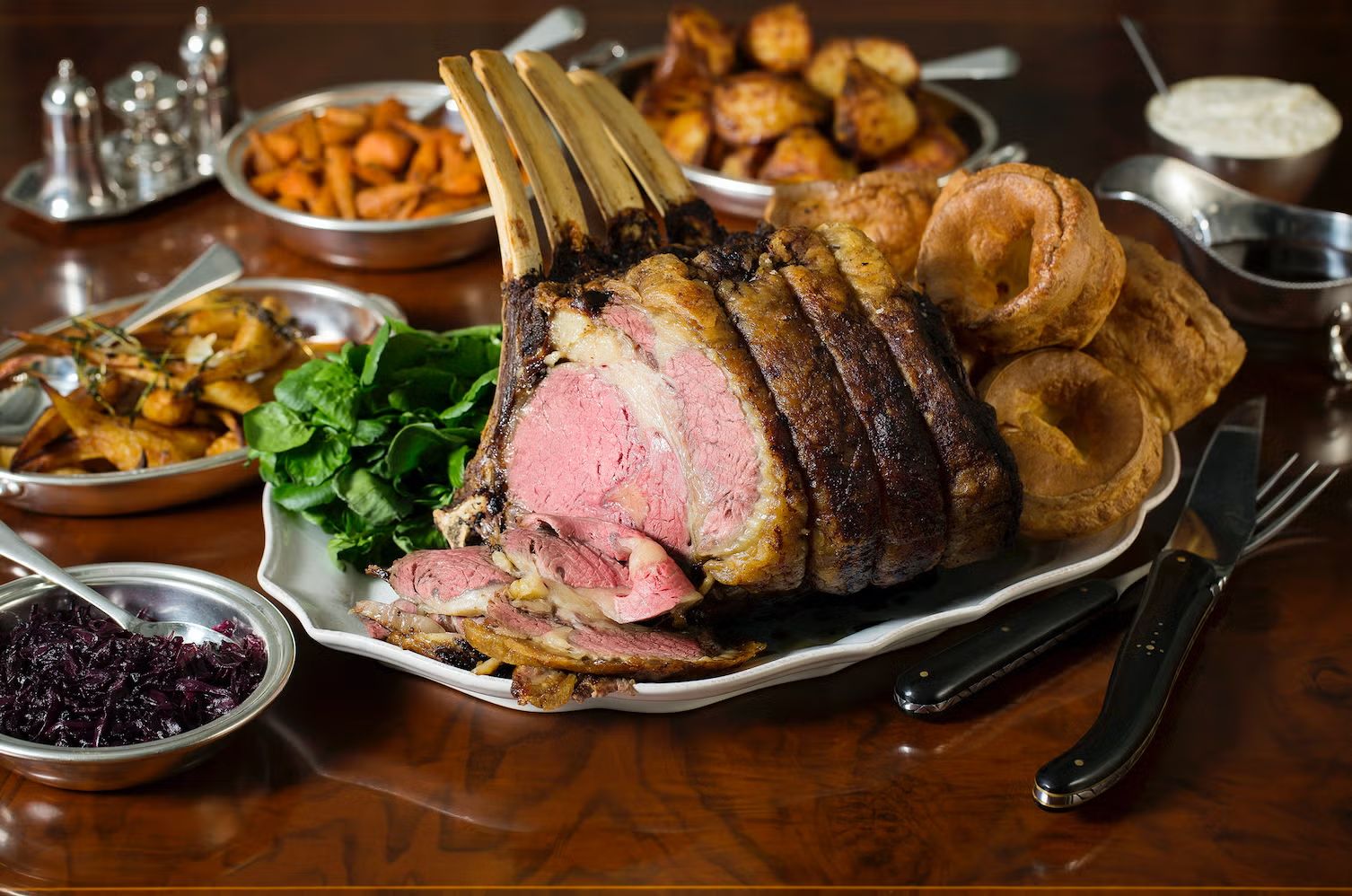
The Sunday Roast is a beloved British tradition, and London, with its vast culinary landscape, offers some of the finest examples. This isn't just about stuffing your face; it's about tradition, comfort, and the communal joy of a shared meal. We're going to break down the absolute essentials of what makes a London Sunday Roast legendary, focusing on the most popular components: Roast Beef, Yorkshire Puddings, and all the essential trimmings.
The Star: Perfectly Roasted Beef
For many, the hallmark of a great Sunday Roast is the beef. Traditionally, cuts like Rib of Beef or Sirloin are preferred for their marbling and tenderness. The key to a perfect roast lies in achieving a beautiful crust on the outside while keeping the inside succulent and pink (unless you're a well-done devotee, which is still perfectly acceptable!). Seasoning is crucial – a generous rub of salt and freshly cracked black pepper, perhaps with a touch of garlic powder or dried herbs, is the foundation. Resting the meat after cooking is non-negotiable; it allows the juices to redistribute, ensuring every slice is moist and flavorful. London's top establishments often boast dry-aged beef, a process that further enhances flavor and tenderness through controlled dehydration.
Ingredient Focus: The Anatomy of a Sublime Beef Roast
The choice of beef cut is paramount. For that melt-in-your-mouth experience, consider:
Rib of Beef: Often cited as the ultimate cut for Sunday Roast. Its generous marbling ensures exceptional moisture and flavor. You can buy a whole rib roast or individual steaks. Sirloin: A fantastic alternative, leaner than rib but still offering a good balance of tenderness and flavor. It benefits from careful cooking to avoid dryness. Rump: A more economical option, rump can be incredibly delicious if cooked properly and allowed to rest sufficiently. It has a slightly firmer texture than rib or sirloin. Fillet (Tenderloin): While incredibly tender, fillet is very lean and can be prone to drying out if overcooked. It's often reserved for more special occasions or served rare.
Beyond the cut, quality is key. Sourcing your beef from a reputable butcher will make a significant difference. Look for cuts with good marbling (the flecks of fat running through the muscle) and a vibrant red color.
The Pillars of Power: Legendary Yorkshire Puddings
No Sunday Roast is complete without Yorkshire puddings. These light, airy, and golden delights are a quintessential accompaniment. Their magic lies in the simple batter of flour, eggs, and milk, but the technique is what elevates them from good to glorious. They are traditionally cooked in the hot fat rendered from the roasting meat, which contributes to their signature crispy edges and slightly chewy bottom. The key to a spectacular rise is a screaming hot oven and, crucially, hot fat.
Mastering the Yorkshire Pudding: The Unfailing Recipe
The ideal Yorkshire pudding is crisp on the outside, with a tender, slightly eggy interior. It should rise impressively, creating a perfect vessel for gravy.
Ingredients:
140g plain flour 4 large eggs 200ml milk (whole milk is best for richness) Pinch of salt Beef dripping or lard for greasing the tins
Preparation Steps:
1. Make the Batter: Sift the flour into a large bowl and make a well in the centre. Crack the eggs into the well and begin to whisk them, gradually drawing in the flour from the sides. Once a thick paste forms, gradually whisk in the milk until you have a smooth batter the consistency of thin cream. Stir in the salt. 2. Rest the Batter: This is a crucial step often overlooked. Cover the bowl and leave the batter to rest in the refrigerator for at least 30 minutes, or ideally for a few hours or even overnight. This allows the gluten to relax, resulting in lighter puddings. 3. Preheat the Oven and Fat: Preheat your oven to a high temperature, around 220°C (200°C fan/Gas Mark 7). Pour a good amount of beef dripping or lard into your Yorkshire pudding tins (or a sturdy muffin tin). Place the tins in the preheated oven for about 10-15 minutes, until the fat is smoking hot. 4. Pour and Bake: Carefully remove the hot tins from the oven. Give the batter a quick whisk and then swiftly pour it into the hot fat, filling each mould about two-thirds full. 5. Bake to Perfection: Immediately return the tins to the oven. Bake for 20-25 minutes, or until the Yorkshire puddings are well-risen, golden brown, and crisp. Resist the urge to open the oven door during the first 15-20 minutes, as this can cause them to collapse. 6. Serve Immediately: Yorkshire puddings are best served straight from the oven.
The Supporting Cast: Essential Trimmings and Gravy
While beef and Yorkshires steal the show, the trimmings are what truly complete the Sunday Roast experience. These elements add texture, flavor, and balance to the meal.
The Symphony of Sides: A Guide to Essential Trimmings
A classic London Sunday Roast often features a delightful array of accompaniments:
Roast Potatoes: Crispy on the outside, fluffy on the inside. These are often parboiled, then roughed up and roasted in hot fat (often the same fat as the Yorkshire puddings for maximum flavor infusion). Goose fat is a popular choice for its richness and ability to achieve superior crispiness. Seasonal Vegetables: Typically includes roasted root vegetables like carrots and parsnips, often glazed with honey or maple syrup. Steamed greens such as broccoli, cabbage, or Brussels sprouts provide a refreshing contrast. Gravy: The lifeblood of the Sunday Roast. Made from the meat juices left in the roasting tin, often with added stock, a splash of red wine, and seasoned to perfection. A good gravy should be rich, savory, and smooth. Horseradish Sauce (for beef): A sharp, pungent condiment that cuts through the richness of the beef. Mint Sauce (for lamb, but sometimes offered): A sweet and tangy sauce that complements lamb beautifully.
Beyond the Classic: Variations and London's Culinary Diversity
While roast beef is the undisputed king for many, London's Sunday Roast scene embraces variety. You'll find excellent roast lamb, pork, and chicken offered in pubs and restaurants across the city. Each protein brings its own unique flavor profile and ideal accompaniments.
A Taste of Tradition: Popular Roasts in London
Roast Lamb: Often served with mint sauce and roast potatoes. The inherent richness of lamb pairs wonderfully with slightly sharper flavors. Roast Pork: Typically features crispy crackling, apple sauce, and roast potatoes. The sweetness of the apple sauce is a classic counterpoint to the savory pork. Roast Chicken: A more universally appealing option, often served with stuffing, bread sauce, and roast potatoes.
The Budget Breakdown: My Month of London Sunday Roasts
Navigating London's dining scene, especially when it comes to a traditional meal like the Sunday Roast, can be an adventure in itself, particularly on a budget. Over the past month, I've made it my mission to explore different establishments, from iconic pubs to hidden gems, to understand the true cost of this beloved British tradition. My raw budget reflects the prices I've encountered, offering a transparent look at how much you can expect to spend on a satisfying Sunday Roast experience in the capital. This isn't about Michelin stars; it's about hearty meals and value for money.
The Price of Tradition: A Month of Sunday Roast Expenditures
Here's a breakdown of my actual spending, month-by-month, to give you a realistic picture of the cost of a Sunday Roast in London:
Week 1: £22 (Pub with excellent beef, all the trimmings, and a pint) Week 2: £19 (A slightly more casual pub, very good pork roast, good value) Week 3: £25 (Slightly more upscale gastropub, excellent lamb, a bit pricier but worth it for the quality) Week 4: £20 (Local pub I stumbled upon, fantastic chicken roast, great atmosphere)
Total Spent After 1 Month: £86
This figure doesn't include additional drinks or appetizers, focusing purely on the cost of a single main course Sunday Roast. It highlights the significant variation in pricing depending on the establishment's location, ambiance, and perceived quality.
Beyond the Plate: The Cultural Significance of the Sunday Roast
The Sunday Roast is more than just a meal; it's a cultural cornerstone of British life. It represents a time for families and friends to gather, relax, and enjoy a comforting, hearty meal together. The preparation itself can be a communal activity, with different family members taking on various tasks. The aroma filling the house on a Sunday afternoon is synonymous with home and tradition.
The Ritual of Sunday: More Than Just Food
The Sunday Roast is deeply embedded in the social fabric of the UK. It's a weekly ritual that provides a sense of continuity and comfort, especially in a fast-paced city like London.
Family and Friends: It's a prime occasion for shared meals, fostering connection and conversation. Comfort and Nostalgia: For many, it evokes childhood memories and a sense of home. A Culinary Anchor: In a city with an ever-evolving food scene, the Sunday Roast remains a steadfast and reliable classic.
This exploration of the London Sunday Roast, from its essential components to its cultural significance and budget implications, aims to provide a comprehensive understanding of this iconic British dining experience. Whether you're a seasoned roast-eater or a curious newcomer, the allure of a perfectly cooked joint, fluffy Yorkshire puddings, and all the trimmings is undeniable.
Journey Highlights
- Roast Beef: Rib of Beef or Sirloin are classic choices. Season generously with salt, pepper, garlic, and rosemary. - Yorkshire Puddings: A simple batter of flour, eggs, and milk. Essential to use smoking hot beef dripping for maximum puff. - Roast Potatoes: Parboil, then roast in hot fat until crisp and golden. - Other Vegetables: Carrots, parsnips, broccoli, green beans, Brussels sprouts – steamed or roasted. - Mashed Potatoes: Creamy and smooth, a comforting addition. - Gravy: Made from meat juices, stock, and perhaps a touch of red wine.
Local Secrets & Insider Tips
London Sunday Roast: My Month-Long Budget Deep Dive (Beyond the Tourist Treadmill!)
As a Londoner who's navigated these culinary waters for decades, let me give you the real scoop on experiencing a proper Sunday Roast, beyond the tourist traps. This isn't just about food; it's a ritual, a cornerstone of British culture, and frankly, it can be a budget minefield if you're not in the know. After a full month of rigorous research (and enjoyment!), here's your actionable guide to a truly authentic and budget-conscious London Sunday Roast experience.
Timing is Everything: Master the Clock, Conquer the Crowds
The Sunday Roast experience is intrinsically tied to timing. Get it wrong, and you're facing long queues, limited choices, or a rushed meal. Get it right, and you're in for a leisurely, delicious affair.
The Prime Time Blitz (12:00 PM - 1:30 PM): This is the peak performance window. If you want the widest selection of meats (beef, lamb, chicken, pork, sometimes even game like duck or venison), the crispiest roast potatoes, and the freshest Yorkshire puddings, arrive no later than 12:15 PM. Many popular pubs open their Sunday service at precisely 12:00 PM, and reservations often fill up by 12:30 PM for walk-ins. Insider Tip: For the very best chance of securing that "last of the prime rib," some places might discreetly start serving early (11:45 AM). Be friendly and ask if they've started their Sunday menu. The Strategic Slumber (3:30 PM - 5:00 PM): This is your sweet spot for a more relaxed vibe and potentially better value. While your cut choices might be limited (often the more robust, slower-cooked options like brisket or lamb shank are still plentiful), the atmosphere is significantly calmer. You'll avoid the frantic lunch rush, and some establishments might even offer slightly reduced "late roast" pricing. Pro-Tip: This is also an excellent time to find a cosy corner in a pub with a fireplace and enjoy a more leisurely meal, perhaps followed by a book. The Avoid-At-All-Costs Zones: Avoid 1:30 PM - 3:00 PM like the plague. This is when the early birds are finishing, and the late lunchers are arriving in droves, creating a chaotic bottleneck for both diners and kitchen staff.
Beyond the Obvious: Unearthing London's Hidden Roast Havens
The true magic of the Sunday Roast lies away from the flashing signs and touts. Venture a little further, and you'll discover pubs and restaurants that have been perfecting this art for generations.
The Neighbourhood Gems (The "Village" Feel): Hampstead & Highgate: Beyond the tourist trail of Hampstead Heath, explore the pubs nestled in the charming streets. Look for historic inns that have retained their original character. Richmond & East Sheen: These riverside areas boast excellent gastropubs with a strong local following. They often have beautiful beer gardens for post-roast strolls along the Thames. East London's Gastropub Renaissance: Areas like Hackney, Islington, and Walthamstow are brimming with independent gastropubs that offer innovative takes on the traditional roast. Don't be afraid of a slightly edgier postcode; the food is often exceptional. South London's Secret Spots: Explore areas like Clapham, Balham, and Dulwich for pubs that are deeply ingrained in their communities. These are often where you'll find the most authentic and value-for-money roasts. The Independent Restaurateurs: Many smaller, independent restaurants, often not even pubs, will have a dedicated Sunday Roast offering. These can be particularly good for specific regional roasts or creative vegetarian/vegan options. Search for "independent restaurant Sunday menu [neighbourhood]." Hidden Entrances & Viewpoints: While not always directly related to the roast itself, some of the best pubs are tucked away. Look for narrow alleyways leading to courtyards, or pubs with entrances on less prominent side streets. For a view, consider a pub that's a short walk from a scenic spot – enjoy your roast, then walk off the calories with a view of the city skyline or a park.
Must-Order Dishes & Drinks: The Unspoken Rules of a Perfect Roast
This is where the real insider knowledge comes into play. These details elevate a good roast to an unforgettable experience.
The Roast Potatoes: The Holy Grail. Ask about the "fat": This is non-negotiable. The absolute best roast potatoes are cooked in beef dripping (from the roast beef itself), goose fat, or duck fat. If a pub uses generic vegetable oil or "a blend," it's a significant downgrade. Pro-Tip: Sometimes, you can ask for "extra crispy" or "extra dripping" potatoes – a delicious indulgence! Texture is key: They should be crispy on the outside, fluffy on the inside, and have a slightly golden hue. Avoid pale, flabby potatoes. The Gravy: The Soul of the Roast. Made from scratch: Good gravy is made from the roasting juices, thickened naturally (often with a little flour or cornflour). It should be rich, unctuous, and have a deep, complex flavour. The "packet" giveaway: If the gravy looks thin, overly shiny, or has a uniform, artificial colour, it's likely from a powder or stock cube. A true Londoner can spot this a mile off. Ask about the accompaniments: Beyond gravy, what else is on offer? A good accompaniment to beef is horseradish sauce (creamy or hot), for lamb it's mint sauce (not the gloopy green stuff!), and for pork, apple sauce. The Yorkshire Pudding: Fluffy and golden: These should rise dramatically, be crispy on the edges, and have a slightly chewy centre. They are traditionally served with beef, but many places offer them with other meats too. Beware the soggy bottom: A sign of a rushed or poorly executed Yorkshire. The Meat: Quality over quantity: Look for well-sourced meat. A good butcher's cut will have flavour and texture. "Pudding" Options: Beyond the main roast, some pubs offer smaller "pudding" versions of the roast, perfect for lighter appetites. The Perfect Pint & Non-Alcoholic Delights: London Ales: A pint of Fuller's London Pride is a classic for a reason. Other excellent local ales to look out for include Meantime Brewery's range, Bermondsey Beer Mile brews (if you're in the area), or any well-kept cask ale from a reputable brewery. Craft Beer: Many gastropubs now offer excellent craft beers from London breweries. Don't hesitate to ask the bartender for a recommendation. Non-Alcoholic Classics: Cloudy apple juice is a fantastic pairing, as is a good quality ginger beer or elderflower pressé. For something more traditional and less sweet, a glass of still or sparkling water with a slice of lemon is always a good choice. "Rhubarb Crumble" or "Sticky Toffee Pudding": Don't forget dessert! These are quintessential British puddings that perfectly round off a hearty roast.
Logistical Hurdles & Pro-Tips: Navigating London Like a Local
Avoiding the pitfalls and maximising your Sunday Roast experience requires a bit of planning and local savvy.
Booking is Non-Negotiable (Especially for Groups): When to book: For popular pubs, especially those within Zone 1 or 2, book at least a week in advance, and for larger groups (4+), two weeks is often safer, particularly during peak season (autumn/winter). How to book: Most pubs have online booking systems or take reservations by phone. If booking by phone, try to call during off-peak hours (mid-morning or mid-afternoon on weekdays). The Solo Diner's Advantage: If you're dining solo, you have more flexibility. Many pubs will hold back a few tables for walk-ins, and you can often snag a spot at the bar or a smaller table if you're early. Portion Control: The Sunday Feast is Real! The "Smaller Portion" Gambit: If you're not a prodigious eater, always inquire about smaller portion options. Some pubs offer this as standard, while others might be willing to accommodate if you ask politely. Sharing Sides: Ordering a couple of sides to share with a companion can be a more economical and less overwhelming way to experience the variety of accompaniments. Transport: Master the Tube, Avoid the Car: Public Transport is Your Best Friend: London's public transport network (the Tube and buses) is excellent. Plan your route using Citymapper or Google Maps well in advance. Parking Nightmare: Parking in central London is notoriously difficult and expensive. Even in many suburban areas, parking can be scarce on a Sunday. Resist the urge to drive. Walking: If your chosen pub is a reasonable distance, a walk through a London park or neighbourhood is a fantastic way to build up an appetite. Budget Breakdown: Your "Raw Budget" After 1 Month (as a seasoned expert): The Budget Roaster (£15 - £22 per person): These are typically found in more local, less "trendy" pubs, often in Zone 3 or beyond. Expect a solid, traditional roast with good portions and decent ingredients. You might have fewer "gourmet" touches, but it will be satisfying and wallet-friendly. The Mid-Range Roaster (£22 - £30 per person): This is the sweet spot for many excellent gastropubs and independent restaurants. Here, you'll find higher quality ingredients, more refined cooking techniques, and a wider variety of meat options. This is where you'll find the "dripping" potatoes and scratch-made gravy. The Splurge Roaster (£30+ per person): These are often found in high-end restaurants, hotels, or very popular, established gastropubs in prime locations. Expect exquisite ingredients, creative presentation, and a more formal dining experience. This is where you might find premium cuts or less common meat options. Drinks are Key: Factor in at least £5-£8 per pint or £3-£5 for a soft drink. A bottle of wine can easily add £25-£40+. Total Monthly Spend (Rough Estimate): If you're enjoying one "mid-range" roast with a couple of drinks per week, you're looking at approximately £100 - £150 per week, leading to a £400 - £600 monthly expenditure for a dedicated roast enthusiast. This can be significantly reduced by opting for the budget roasters or limiting your drinks.
Safety and Etiquette: Respect the Ritual, Enjoy the Experience
Punctuality: If you have a reservation, be on time. Turning up late can disrupt the kitchen's flow and might mean you lose your table. Table Manners: While Sunday Roasts are often enjoyed in relaxed pub settings, basic table manners are always appreciated. Don't talk with your mouth full, and avoid being overly loud. Respecting Staff: Pub staff work hard on Sundays. Be polite, patient, and friendly. A little kindness goes a long way, especially when places are busy. Dietary Requirements: If you have allergies or dietary needs (vegetarian, vegan, gluten-free), inform the pub when booking. Most places are accommodating, but it's always best to give them advance notice. Sharing is Caring (Sides): If you're ordering multiple sides, offer to share with your dining companions. It's part of the convivial Sunday experience. Beware of Pickpockets: Like any busy city, be aware of your surroundings, especially in crowded areas. Keep your valuables secure and out of sight.
Embrace the Sunday Roast as more than just a meal; it's an institution. With this insider knowledge, you're well-equipped to find exceptional roasts that offer incredible value and an authentic taste of London life, all while keeping your budget in check. Happy feasting!
Common Questions
Here's a reformulated and more detailed FAQ for your post:
Frequently Asked Questions About Navigating London's Sunday Roast Scene
Q: What are the most traditional and highly-regarded cuts of beef for a London Sunday Roast, and why?
A: For an authentic and luxurious London Sunday Roast, the most traditional cuts of beef are Rib of Beef (also known as Standing Rib Roast or Prime Rib) and Sirloin. Rib of Beef is prized for its generous marbling throughout the muscle, which renders during cooking, basting the meat and ensuring exceptional tenderness and a rich, beefy flavour. Sirloin, while leaner than rib, offers a beautiful balance of flavour and tenderness, with a firmer texture that many enjoy. These cuts are favoured because their inherent fat content helps to keep the meat moist and succulent during the roasting process, preventing it from becoming dry.
Q: Is beef dripping essential for achieving authentic Yorkshire Puddings, or are there viable alternatives?
A: While beef dripping is undeniably the cornerstone for achieving the most authentic flavour and unparalleled crispiness in Yorkshire Puddings, there are indeed viable alternatives if it's unavailable or unsuitable for dietary reasons. The key requirement is a fat with a high smoke point that can withstand the intense heat needed to achieve puff and crisp. Excellent substitutes include lard, which offers a similar richness and crisping quality, or high smoke point vegetable oils such as rapeseed (canola) oil or sunflower oil. While these alternatives can produce excellent Yorkshire Puddings, they may subtly alter the depth of flavour compared to traditional beef dripping.
Q: What are the common reasons for Yorkshire Puddings sinking, and what are the foolproof methods to prevent this?
A: The most common culprit behind sinking Yorkshire Puddings is an inconsistent oven temperature or a lack of sufficient initial heat. To prevent this, the following methods are crucial: Smoking Hot Fat: Ensure the fat in your pudding tin is absolutely smoking hot before you pour in the batter. This initial blast of heat is essential for the pudding to rise rapidly and form a crisp exterior. Oven Door Discipline: Resist the urge to open the oven door during the critical initial cooking phase. The sudden influx of cooler air can cause the rapidly rising batter to collapse. Aim to keep the door closed for at least the first 20-25 minutes of cooking. Room Temperature Batter: Use batter that has been made and left to rest at room temperature, rather than straight from the refrigerator. Preheated Oven: Always ensure your oven is fully preheated to the specified temperature before you even begin preparing the batter.
Q: Beyond the roast meat, what are the quintessential side vegetables that complete a traditional London Sunday Roast?
A: While personal preference certainly plays a role, a classic London Sunday Roast is invariably accompanied by a selection of hearty and flavourful side vegetables. The undisputed champions include: Roast Potatoes: Crispy on the outside, fluffy on the inside, often roasted in goose fat or beef dripping. Carrots: Typically roasted or boiled, often with a slight glaze. Parsnips: Roasted until tender and slightly caramelised, offering a sweet, earthy flavour. Green Vegetables: A variety of steamed or boiled greens are essential for balance. Popular choices include broccoli, Brussels sprouts (often pan-fried with bacon or chestnuts), green beans, or swede (rutabaga) mash. Gravy is, of course, an indispensable accompaniment to all these elements.