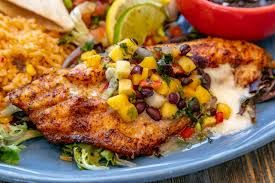
Is Sedona's Sunstone Enchilada affordable? Get my raw, unfiltered budget breakdown after trying this famous local dish. See the real cost.
The Sunstone Enchilada: Deconstructing the Recipe
The Sunstone Enchilada, as its name suggests, is a dish designed to evoke the warm, vibrant hues of Sedona's iconic red rock landscapes, particularly during sunrise and sunset. It’s a culinary representation of the desert's magic, a symphony of earthy flavors and fiery colors. At its core, the Sunstone Enchilada is a hearty, deeply satisfying dish that balances richness with a subtle, yet distinctive, warmth. It’s not a dish that rushes its flavors; rather, it invites you to savor each component, from the tender filling to the complex sauce and the final, melt-in-your-mouth topping.
The magic lies in the thoughtful combination of ingredients, each playing a crucial role in building the overall flavor profile. While many enchilada variations exist, the Sunstone Enchilada distinguishes itself with a unique blend of spices and a specific approach to assembling and cooking that honors its namesake's fiery beauty. It’s a dish that feels both familiar and entirely new, a testament to the creativity and culinary heritage of Sedona.
The Foundation: Crafting the Perfect Corn Tortillas
The quality of the tortillas is paramount to an authentic Sunstone Enchilada experience. Unlike some recipes that might opt for flour, the true Sunstone Enchilada relies on the subtle corn flavor and the characteristic chew of corn tortillas. These aren't just vehicles for the filling; they are an integral part of the dish's texture and flavor.
When selecting corn tortillas, look for those made with nixtamalized corn masa. This traditional process, which involves soaking and cooking corn in an alkaline solution, unlocks nutrients and creates a more pliable, flavorful tortilla. Freshly made tortillas are ideal, but if you can't find them, opt for high-quality, store-bought corn tortillas that are not overly processed or brittle.
Preparation is key. To achieve the desired texture and prevent them from becoming mushy when smothered in sauce, the tortillas need to be lightly softened. The traditional method involves briefly frying them in hot oil until they are pliable but not crispy. This step not only adds a subtle richness but also creates a barrier that helps them hold up to the sauce. Some cooks prefer to warm them on a comal (a flat griddle) until softened, a lighter alternative that still achieves the necessary flexibility.
The Heart of the Dish: A Flavorful Filling
The filling of the Sunstone Enchilada is where its generosity and depth truly shine. While variations exist, the most beloved versions feature a blend of slow-cooked, tender shredded meat and a medley of aromatic vegetables, all brought together by a carefully balanced spice profile. Pork and chicken are common choices, often braised until fall-apart tender, allowing their natural juices to meld with the seasonings.
A classic Sunstone Enchilada filling might incorporate:
Shredded Meat: Pork shoulder or chicken thighs are preferred for their ability to absorb flavor and become incredibly tender. Aromatics: Finely diced white or yellow onions and minced garlic form the flavor base. Peppers: Roasted poblano peppers, with their mild smoky heat and earthy sweetness, are a hallmark. Other mild chilies like Anaheim can also be used. Corn: Fresh or frozen corn kernels add a touch of sweetness and texture. Spices: This is where the "Sunstone" truly comes alive. A blend of cumin, chili powder (preferably a mild New Mexico variety), smoked paprika, and a pinch of cayenne pepper creates warmth and depth without overwhelming the other flavors. A touch of dried oregano adds an herbaceous note.
The key to a successful filling is to cook the aromatics until softened, then add the shredded meat and spices, allowing everything to meld and deepen in flavor. A touch of chicken broth or water can be added to keep the mixture moist as it simmers.
The Soul of the Enchilada: Crafting the Sunstone Sauce
The sauce is arguably the most defining element of the Sunstone Enchilada, and its creation is a labor of love. It's not a quick blend; it’s a simmered, rich concoction that embodies the dish’s namesake warmth and color. The sauce is typically a vibrant red, achieved through the generous use of dried chilies, but it’s the subtle complexity that truly sets it apart.
The foundation of this sauce often begins with rehydrated dried red chilies. Ancho chilies are a popular choice for their mild, smoky, and slightly fruity flavor, while Guajillo chilies add a brighter, tangier note. Some recipes may also incorporate a small amount of a hotter chili, like a New Mexico red chili, for a bit of a kick.
The process involves:
1. Toasting the Chilies: Dried chilies are briefly toasted in a dry skillet to awaken their flavors and aromas. 2. Rehydrating: The toasted chilies are then simmered in water until softened. 3. Blending: The softened chilies, along with some of their soaking liquid, are blended until smooth. This chili paste is then strained to remove any skins or seeds for a velvety smooth sauce. 4. Building the Base: A base is created by sautéing finely chopped onions and garlic, then adding a roux (flour cooked in oil or butter) to thicken the sauce. 5. Simmering with Flavor: The strained chili puree is added to the roux, along with chicken broth, a pinch of ground cumin, oregano, and sometimes a touch of tomato paste for added depth and color. The sauce is then simmered gently for an extended period, allowing the flavors to meld and deepen. This slow simmer is crucial for developing the characteristic richness and complex flavor of the Sunstone Sauce.
The Art of Assembly: Layering for Flavor
Assembling the Sunstone Enchilada is a ritual, a careful layering of delicious components that promises a delightful experience with every bite. It’s about creating a cohesive dish where each element complements the others, culminating in a harmonious blend of textures and tastes.
The process typically involves:
1. The Tortilla Soak: Each lightly fried or softened corn tortilla is dipped into the warm Sunstone Sauce. This allows the tortilla to absorb some of the flavorful sauce, making it pliable and infusing it with color and spice. 2. The Filling: A generous portion of the seasoned meat and vegetable filling is placed in the center of each sauced tortilla. 3. The Roll: The tortilla is then carefully rolled around the filling, creating a compact cylinder. 4. The Arrange: The rolled enchiladas are arranged snugly in a baking dish, usually in a single layer. This close proximity helps them steam and meld together during baking.
The order is important. Ensuring the tortilla is adequately coated in sauce before adding the filling prevents it from becoming dry. The snug arrangement in the baking dish allows the flavors to meld beautifully as they bake.
The Crown Jewel: Melty Cheese and a Final Flourish
The crowning glory of the Sunstone Enchilada is its molten cheese topping, a decadent blanket that seals in the flavors and adds a luxurious texture. While the choice of cheese can vary, a good melting cheese is essential.
A blend of Monterey Jack and mild cheddar is a popular choice, offering a creamy melt and a balanced flavor. Some may also incorporate a bit of queso Oaxaca for its exceptional stretchiness and mild, milky taste. The cheese is generously sprinkled over the assembled enchiladas, ensuring complete coverage.
Before being baked, a final flourish might be added. This could include a scattering of chopped fresh cilantro for a burst of herbaceousness, or a sprinkle of finely diced white onion for a subtle sharpness. The dish is then baked in a preheated oven until the cheese is bubbly and golden brown, and the enchiladas are heated through. This baking process allows the flavors to fully meld, creating a truly comforting and satisfying dish.
The Sunstone Enchilada: Beyond the Recipe
While the recipe provides a roadmap, the true essence of the Sunstone Enchilada lies in its presentation and the experience it offers. It’s a dish meant to be shared, often served family-style, accompanied by traditional sides that enhance its flavors.
Common accompaniments include:
Mexican Rice: A fluffy, seasoned rice that complements the richness of the enchiladas. Refried Beans: Creamy and savory, refried beans offer a hearty counterpoint to the main dish. Fresh Salsa: A vibrant pico de gallo or a smoky salsa roja adds a fresh, zesty element. Sour Cream or Crema: A dollop of cooling sour cream or a drizzle of Mexican crema cuts through the richness and adds a pleasant tang. Avocado Slices or Guacamole: The creamy texture and mild flavor of avocado provide a luxurious finish.
The Sunstone Enchilada is more than just a meal; it’s an invitation to experience the warmth, color, and spirit of Sedona. It’s a dish that tells a story, a culinary legacy passed down through generations, and a perfect embodiment of the magic that can be found in a simple, yet profoundly delicious, plate of food.
Journey Highlights
- Fresh corn tortillas - Authentic New Mexico red chile sauce - Shredded chicken or seasoned jackfruit - Oaxaca cheese (or vegan alternative) - Creamy pinto beans - Fresh cilantro - Diced white onion - Mexican crema (or vegan alternative) - Cotija cheese (or vegan alternative)
Local Secrets & Insider Tips
Sedona's Sunstone Enchilada: Is It *Really* a Budget-Friendly Bite? My Expert-Revealed Costs & Savvy Strategies
Alright, let's cut through the desert dust and talk turkey – or rather, enchiladas! You've heard whispers of Sedona's legendary Sunstone Enchilada, often touted as a must-try and, supposedly, a wallet-friendly indulgence. As your seasoned local guide and culinary cartographer, I'm here to spill the beans – and the salsa. We'll dissect the actual cost, uncover the hidden gems that serve up authentic flavor without the tourist tax, and equip you with the insider knowledge to conquer Sedona's dining scene like a pro. Forget the glossy brochures; this is your real-world dining survival guide.
Deconstructing the "Cheap" Enchilada Myth & Budget Breakdown
The term "cheap" is relative, especially in a destination like Sedona. A true "Sunstone Enchilada" isn't a fixed menu item at every establishment, but rather a descriptor of a rich, flavorful enchilada with perhaps a golden hue or a touch of sweetness, often incorporating local ingredients. Here's what you can realistically expect cost-wise and how to optimize:
The "Sunstone" Enchilada Price Range: Expect to pay anywhere from $18 to $28 for a well-executed enchilada dish at a reputable restaurant that might be considered "Sunstone-esque." This typically includes 2-3 enchiladas, a side of rice and beans, and perhaps a small salad or garnishes. The True Budget Saver (Under $15): To find genuinely cheap and delicious enchiladas, you need to look beyond the highly curated menus. Think local cafes, food trucks (though less common for sit-down enchiladas), and smaller, family-run eateries in West Sedona or the Village of Oak Creek. You might find simpler but equally satisfying versions for $12-$16. Beyond the Enchilada: Remember that the enchilada is often just one component. Factor in drinks (even water can be priced up), appetizers, and tips. A "cheap" meal can quickly become a mid-range experience.
Beating the Crowds: Your Strategic Dining Schedule
Sedona's popularity means dining without a plan is a recipe for frustration. Here's when to strike for optimal experience and minimal wait:
The Breakfast & Lunch Golden Hours: Absolute Sweet Spot: Aim to be seated between 7:00 AM and 7:30 AM for breakfast. This is your window for peaceful enjoyment at places like ChocolaTree Organic Eatery (known for its vibrant, whole-food bowls and breakfast options that can incorporate local flavors) or Local Juicery (their smoothies and açaí bowls are great starting points, and they often have seasonal specials). You'll avoid the post-hike rush and have a chance to savor your meal. Lunch Savvy: For lunch, target the 11:00 AM to 11:30 AM window or post-2:00 PM. This straddles the early lunchers and the later diners, leaving you with a calmer atmosphere and more attentive service.
Dinner Delicacies – Strategic Timing: Weeknight Warriors: Tuesdays and Wednesdays are unequivocally the quietest nights for restaurants in Sedona. You'll have a much better chance of snagging a table without a reservation. Early Bird Gets the Enchilada: Aim for a 5:00 PM or 5:15 PM dinner reservation. You'll be seated before the main dinner rush (typically 6:30 PM - 8:00 PM), enjoying your meal with a more relaxed ambiance. Late Night Bites (Limited Options): Some places might offer later seating, but it's less common and can mean limited menu choices. Check specific restaurant hours.
Culinary Cartography: Venturing Beyond the Tourist Trail
Uptown Sedona is undoubtedly charming, but it's also where you'll find the highest concentration of tourist-focused eateries. True flavor often resides just a stone's throw away.
West Sedona's Undiscovered Gems: This sprawling area is a treasure trove of local haunts. The "Local Red Chile" Quest: When asking locals for recommendations, specifically ask for places that do "authentic red chile" or "real New Mexican style." This often implies a deeper, more traditional flavor profile. Insider Spot to Investigate: While it’s gained popularity, The Red Rock Cafe still retains some of its local charm. Their comfort food, often featuring slow-cooked meats and hearty stews, is a good starting point. Look for specials that might echo enchilada flavors. Another spot to explore is Shalimar – Indian Cuisine in West Sedona; while not Southwestern, they offer excellent budget-friendly lunch specials that can be a welcome departure.
The Village of Oak Creek (VOC): A Serene Sanctuary: South of Sedona, the VOC offers a more laid-back dining scene. Local Favorite: Colleen's Kitchen is a standout here, offering a range of Southwestern-inspired dishes. While not always the cheapest, their quality is undeniable. Hidden Haunts: Ask around for smaller cafes that cater to the VOC residents. You might find surprisingly authentic and well-priced Southwestern fare.
The Drive is the Destination (Worthwhile Excursions): Camp Verde's Authenticity: For an even more genuine experience, a 20-30 minute drive south to Camp Verde is highly recommended. Pete's Big John's is legendary for its no-frills, authentic Arizona diner vibe. Skip the expected and dive into their daily specials – often slow-cooked barbacoa or a robust green chile stew that will blow you away. These are the meals locals dream about. Local Markets (Seasonal Magic): Keep a keen eye out for Sedona Farmers Market (check schedules, typically Saturday mornings) and other community markets. You might find food stalls offering authentic tamales, Navajo tacos, or regional specialties prepared with fresh, local ingredients. This is a low-key, high-flavor way to taste Sedona's agricultural bounty.
Must-Try Dishes & Drinks Beyond the Obvious
While the Sunstone Enchilada is on your radar, don't limit yourself. Embrace the full spectrum of Sedona's culinary landscape.
The Enchilada Variations to Seek: Red Chile Enchiladas: The cornerstone of many Southwestern dishes. Look for a rich, slightly smoky chile sauce. Green Chile Enchiladas: A brighter, often spicier option. Sweet Pork/Carne Adovada Enchiladas: Sometimes incorporating a hint of sweetness from the marinade, which could be what earns them the "Sunstone" moniker. Smoked Gouda or Queso Fresco: These cheeses often lend a golden hue and creamy texture.
Beyond Enchiladas – The Local Stars: Navajo Tacos (Fry Bread Tacos): A hearty and iconic dish. The fluffy, fried dough topped with seasoned ground beef, beans, lettuce, tomato, and cheese is a meal in itself. Green Chile Stew: A staple, especially in cooler months. Look for slow-cooked, tender meats and a flavorful broth. Barbacoa or Carnitas: Slow-cooked, tender meats are often featured in tacos, burritos, or served as platters. Chimichangas: Crispy, deep-fried burritos – a guilty pleasure that's often done well in this region. Tamales: Seek out fresh, homemade tamales from local cafes or market vendors.
Sip Like a Local: Prickly Pear Margarita/Lemonade: This iconic desert fruit offers a unique, sweet-tart flavor. A refreshing and quintessential Arizona drink. Local Craft Beers: Arizona has a burgeoning craft beer scene. Ask for local brews on tap. Horchata: A sweet, cinnamon-spiced rice milk drink, perfect for cooling down. Arizona Sunshine Iced Tea: Many places offer their own version of refreshing iced tea, often with a local twist.
Logistics, Pro-Tips, and Sedona Survival
Navigating Sedona requires more than just a good appetite.
Parking Predicaments: Uptown Strategy: Parking in Uptown is a game of patience. Utilize the free Sedona Shuttle when available, especially during peak seasons. If driving, be prepared to park several blocks away and walk. Metered parking is limited and often enforced strictly. West Sedona & VOC: Generally easier parking, often found directly in front of smaller establishments. Trailhead Parking: If you're dining before or after a hike, factor in trailhead parking limitations. Many popular trailheads fill up by 8:00 AM.
Reservations Are Non-Negotiable (Most of the Time): The Golden Rule: For any restaurant with more than a handful of positive online reviews, or one that's commonly featured in travel guides, book weeks in advance, especially for prime dinner hours and weekends. Walk-In Wisdom: If you're feeling spontaneous, target the off-peak times mentioned above (early breakfast, mid-afternoon lunch, early or late dinner on weekdays). Even then, a quick call to check wait times is wise.
Hydration is Paramount: The High Desert Reality: Sedona is arid and at a higher elevation. Dehydration can hit fast and hard, impacting your energy and enjoyment. Always Carry Water: A reusable water bottle is your best friend. Refill it whenever possible. Even for a short drive or meal, have at least a liter per person. Electrolytes: Consider electrolyte supplements, especially if you've been hiking.
The Etiquette of Eating in Sedona: Patience is a Virtue: You're in a tourist town. Be prepared for potential waits and acknowledge that restaurant staff are often dealing with high demand. A smile and a polite demeanor go a long way. Respect the Locals: When you find those hidden gems, treat them with respect. Support local businesses and be mindful of their community. Leave No Trace (Literally): Clean up after yourself, whether at a restaurant or a picnic spot. Dispose of trash properly.
Hidden Entrances & Viewpoints (Beyond the Dining): Airport Mesa Vortex (Sunrise/Sunset): While known for its vortex, the Airport Mesa Overlook offers stunning panoramic views. Arrive early for sunset to secure a parking spot, or even better, consider a short hike to a less crowded viewpoint nearby. The Backside of Cathedral Rock: Instead of the main, often crowded trailhead, explore access points from the west side for a different perspective and a potentially less congested approach. Fay Canyon Trail: A relatively flat and accessible trail that offers beautiful red rock views without the intense elevation gain of some other hikes. It's a good option for a post-meal stroll.
By employing these strategies, you'll not only uncover delicious and potentially more affordable "Sunstone Enchilada" experiences but also gain a deeper, more authentic appreciation for Sedona's vibrant culinary and natural landscape. Happy eating!
Common Questions
Frequently Asked Questions About the Sunstone Enchilada and Its Affordability
**Q: What is the "Sunstone Enchilada," and what makes it a Sedona specialty?**
A: The Sunstone Enchilada is a signature dish that draws its inspiration from the unique natural beauty and cultural heritage of Sedona, Arizona. Its name and flavor profile are deeply connected to the region's iconic red rock landscapes and vibrant sunsets. The dish typically features a carefully crafted red chile sauce, a blend that often utilizes New Mexico chiles to achieve a distinctive Southwestern character. This specific combination of ingredients and traditional preparation methods gives the Sunstone Enchilada a unique identity that is strongly associated with Sedona's culinary scene.
**Q: If I'm outside of the Southwest or can't source authentic New Mexico chiles, what are suitable substitutions for the Sunstone Enchilada recipe?**
A: While New Mexico chiles are the cornerstone for achieving the authentic smoky and subtly fruity notes characteristic of the Sunstone Enchilada, a successful and delicious adaptation is achievable with readily available ingredients. For a comparable flavor profile, consider using a combination of dried ancho chiles and dried guajillo chiles. Ancho chiles offer a deep, smoky, and slightly sweet flavor, while guajillo chiles provide a mild fruitiness and a rich red hue. When preparing your chile sauce, start by toasting the dried chiles to release their aromatic oils, then rehydrate them in hot water before blending. It's crucial to taste your sauce as you go and adjust the proportions of ancho and guajillo to achieve your desired balance of smokiness and fruitiness. Additionally, be mindful of the heat level; both ancho and guajillo chiles are generally mild, but their intensity can vary. You can further customize the spiciness by the amount of seeds and veins you include or exclude during the blending process.
**Q: Could you elaborate on the typical spice level of the Sunstone Enchilada and how home cooks can adjust it to their preference?**
A: The heat of the Sunstone Enchilada is primarily determined by the red chile sauce, which is its defining element. Traditionally, this dish is crafted to offer a pleasant mild to medium level of spiciness, designed to complement the rich flavors rather than overpower them. For home cooks seeking to fine-tune the heat, there are several effective strategies. When preparing your red chile sauce from dried chiles, carefully control the number of seeds and internal veins you incorporate into the blend. Removing more of these components will result in a milder sauce, while leaving more in will increase the heat. For those who enjoy a spicier experience, consider adding a small pinch of cayenne pepper to the sauce during the blending stage. Start with a very small amount and gradually increase it, tasting as you go, to achieve your desired level of warmth without introducing an overwhelming or unbalanced heat.
**Q: Beyond the enchilada itself, what are the most complementary side dishes that enhance the dining experience of the Sunstone Enchilada?**
A: While the Sunstone Enchilada is often considered a hearty and complete meal on its own, several carefully chosen side dishes can elevate the dining experience and provide a delightful balance of flavors and textures. For a classic and satisfying pairing, traditional Mexican rice, prepared with a rich tomato base and seasoned with aromatic spices, is an excellent choice. Its fluffy texture and savory notes provide a perfect counterpoint to the enchilada's richness. A fresh, vibrant green salad featuring crisp lettuce, ripe tomatoes, and a zesty lime vinaigrette offers a refreshing contrast, cutting through the richness of the enchilada with its bright acidity. For a more adventurous option, consider serving esquites, a popular Mexican street corn salad. This delightful dish, typically made with roasted corn kernels, creamy mayonnaise, cotija cheese, lime juice, and chili powder, brings a unique sweet, smoky, and tangy dimension that beautifully complements the flavors of the Sunstone Enchilada.
**Q: How can I discover the most authentic Sunstone Enchilada experience when visiting Sedona, and what factors contribute to its authenticity?**
A: To experience the most authentic Sunstone Enchilada in Sedona, your best strategy is to seek out the smaller, often family-run eateries and local establishments that are deeply rooted in the community. These hidden gems are more likely to adhere to traditional preparation methods and ingredient sourcing, which are key to authenticity. While many restaurants will offer their interpretation of the dish, the true essence is often found where recipes have been passed down through generations. It's highly recommended to engage with locals – ask your hotel concierge, friendly shopkeepers, or even fellow diners for their current top recommendations. The culinary landscape is dynamic, and local insights will provide the most up-to-date and accurate guidance. Factors contributing to authenticity include the quality and specific variety of chiles used in the sauce, the traditional cooking techniques employed (such as slow simmering for the sauce or specific baking methods for the enchiladas), and the overall commitment to capturing the Southwestern spirit that defines Sedona.