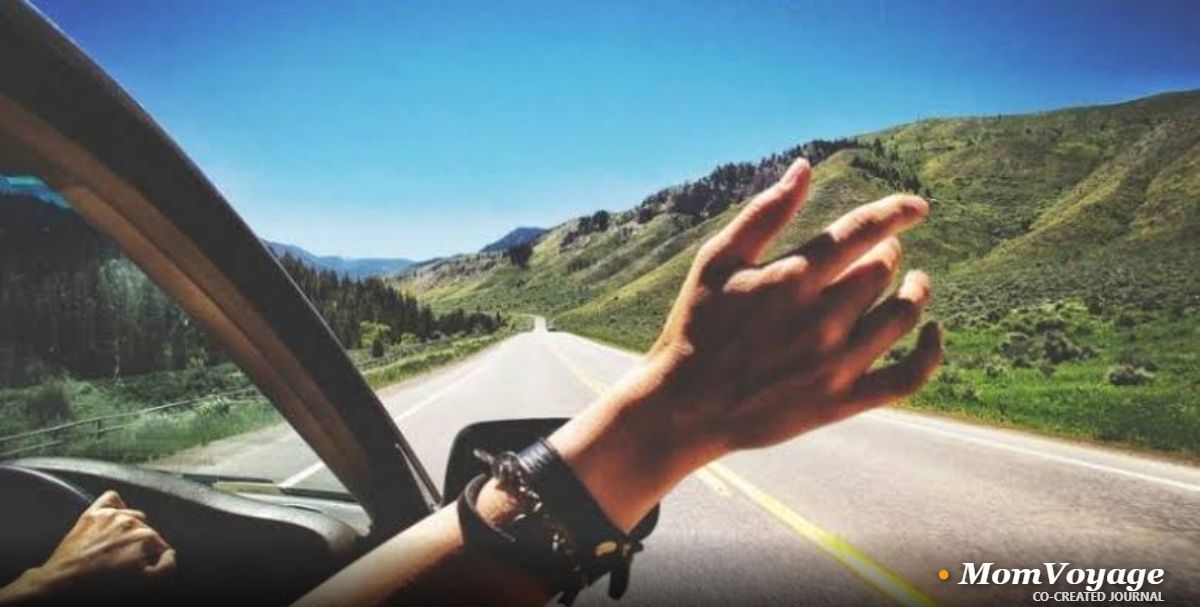
Drive from Kansas City, MO to Chula Vista, CA! Discover scenic routes, local eats, and expert tips for an epic cross-country adventure. Your ultimate road trip guide awaits.
The Gateway to the West: Embracing Kansas City's Charm
Our cross-country odyssey commences in Kansas City, Missouri, a vibrant metropolis where history, culture, and culinary delights converge. Before hitting the open road, it’s essential to immerse ourselves in what makes KC so special. The city’s soul is undeniably its jazz heritage. A visit to the American Jazz Museum in the historic 18th & Vine district is a must, offering a captivating journey through the evolution of this quintessential American art form. Evenings are best spent exploring the live music venues scattered across the city, where the soulful melodies of jazz still echo through the night.
And then there's the barbecue. Kansas City barbecue is not just food; it's a religion. From the smoky, tender brisket at Joe's Kansas City Bar-B-Que (housed in a former gas station, a true roadside icon in its own right) to the inventive burnt ends at Q39, your taste buds are in for an unforgettable experience. Dedicate a day to a barbecue crawl, sampling different styles and establishments to truly appreciate the breadth of this culinary tradition. Beyond the flavors and sounds, Kansas City offers a surprising array of green spaces, like Loose Park with its stunning rose garden, perfect for a final moment of Midwestern tranquility before the vastness of the West beckons.
Heartland Highways and the Echoes of Route 66
As we bid farewell to the familiar embrace of Kansas City, the landscape begins its graceful transition. The initial miles often unfold across the expansive plains of the heartland. This is where the romantic notion of the American road trip truly takes hold. While the interstate highways provide the most direct route, seasoned travelers will seek out remnants of the legendary Route 66. Even fragmented sections offer a tangible connection to a bygone era of westward expansion and automotive adventure. Pulling over at old gas stations, quirky roadside attractions, and vintage diners can feel like stepping back in time, each weathered sign and faded billboard telling a story of a nation on the move.
The sheer scale of the plains is humbling. Vast horizons stretch out, punctuated by agricultural fields, wind turbines gracefully turning, and the occasional small town that seems to have paused in time. This leg of the journey is about embracing the solitude of the open road, the rhythmic hum of the tires, and the ever-changing canvas of the sky. Pack a diverse playlist, be it classic rock anthems or introspective folk tunes, to accompany the endless asphalt. Keep an eye out for local farmers' markets that might dot the route, offering a chance to sample fresh produce and connect with the communities you're passing through.
The Majestic Rockies: A Spectacle of Nature
Leaving the gentler terrain of the plains behind, our westward journey inevitably leads us to the towering grandeur of the Rocky Mountains. This is a dramatic shift in scenery, a visceral reminder of the immense geological forces that have shaped the North American continent. Crossing this formidable range is a highlight for many, offering breathtaking vistas that will be etched in your memory. Depending on your chosen route, you might traverse through Colorado, a state renowned for its majestic peaks and national parks.
Interstate 80 through Wyoming: This route offers sweeping mountain views and passes through areas like Vedauwoo Recreation Area with its unique rock formations. Interstate 70 through Colorado: This is a truly spectacular drive, climbing to high altitudes and offering access to iconic destinations like Rocky Mountain National Park (though a detour might be necessary for full exploration) and charming mountain towns like Vail and Aspen. The Eisenhower Tunnel, one of the highest vehicular tunnels in the world, is a testament to human engineering in this challenging environment. Southern Routes (e.g., I-40): While not as directly through the highest peaks, southern routes will still encounter foothills and ranges, offering different perspectives of the Rockies' presence.
Be prepared for changing weather conditions, even in summer. Mountain passes can be unpredictable. Ensure your vehicle is in excellent condition, with proper tires and brakes. Taking breaks to hike, breathe in the crisp mountain air, and simply marvel at the scale of the landscape is not just recommended; it’s essential to truly appreciate this segment of the journey. Look for scenic overlooks – they are plentiful and offer unparalleled photographic opportunities.
Desert Vistas and the Arid Beauty of the Southwest
As we descend from the Rocky Mountains and continue westward, the landscape undergoes another profound transformation, transitioning into the stark, captivating beauty of the American Southwest. This is a realm of vast deserts, sculpted by wind and time, where the sun reigns supreme and life adapts in remarkable ways. The arid expanses of states like New Mexico, Arizona, and Southern Utah offer a completely different, yet equally compelling, visual experience.
Here, the earth reveals its geological artistry in formations like mesas, buttes, and canyons. The iconic red rock landscapes of Arizona, particularly if your route takes you near the Grand Canyon National Park (a highly recommended detour), are simply awe-inspiring. The sheer scale and depth of the canyon are almost incomprehensible, a testament to millions of years of erosion. Other notable desert attractions include Joshua Tree National Park in California, with its otherworldly flora, and the otherworldly landscapes of Monument Valley, straddling the Arizona-Utah border.
Driving through the desert requires a different kind of preparation. The heat can be intense, so ample water supply is paramount. Keep your gas tank full, as services can be spread far apart. The colors of the desert are most vibrant at sunrise and sunset, when the low-angled light casts long shadows and paints the rocks in hues of orange, red, and purple. Embrace the stillness, the silence broken only by the whisper of the wind, and the resilience of the desert’s flora and fauna. This is a landscape that demands respect and rewards contemplation.
The Mojave and the California Dream Beckons
Our final major terrestrial obstacle before reaching the Pacific Coast is the vast and often formidable Mojave Desert. Spanning parts of California, Nevada, and Arizona, this is a region where the sun beats down relentlessly and the landscape takes on a unique, almost surreal character. Driving through the Mojave is an experience in itself, a test of endurance and a prelude to the coastal paradise that awaits.
Key landmarks and experiences within the Mojave include:
Death Valley National Park: Though an extreme environment, its unique geological features, like Badwater Basin (the lowest point in North America), offer a glimpse into the planet's raw power. Mojave National Preserve: This preserve offers a more accessible experience of the desert, with iconic Joshua Trees, sand dunes, and rugged mountains. Historic Route 66 towns: As with earlier segments, remnants of Route 66 are present, offering a nostalgic counterpoint to the modern highways. Towns like Barstow and Needles have historical significance.
The psychological impact of crossing the Mojave cannot be overstated. It feels like a true passage, a transition from the rugged interior to the beckoning shores of California. The air begins to feel different, perhaps a subtle hint of salt carried on the breeze as you draw closer to the coast. Prepare for extreme temperatures, carry plenty of water, and ensure your vehicle is in top condition. The vast, empty stretches can be both exhilarating and slightly unnerving, a final challenge before the reward.
Arrival in Chula Vista: Sunshine and Southern California's Embrace
The culmination of our epic cross-country journey is the arrival in Chula Vista, California. As you descend into Southern California, the landscape dramatically shifts one final time. The air grows warmer, often carrying the distinct scent of the ocean. The vegetation becomes more subtropical, with palm trees swaying in the breeze and vibrant bougainvillea adorning fences. The pace of life seems to subtly change, mirroring the laid-back, sun-drenched atmosphere that Southern California is famous for.
Chula Vista, nestled in San Diego County, offers a perfect blend of coastal living and urban amenities. Its proximity to the border also infuses the area with a rich and vibrant culture, influenced by both Mexican and American traditions.
Coastal Delights: While Chula Vista itself is bayfront, the stunning beaches of San Diego County are just a short drive away. Spend your days soaking up the sun, learning to surf, or simply strolling along the shore. Cultural Immersion: Explore the diverse culinary scene, from authentic Mexican cuisine to fresh seafood. Visit local markets and experience the fusion of cultures that define this region. Family Fun: Chula Vista is home to Sesame Place San Diego, a fantastic destination for families. Nearby, the world-renowned San Diego Zoo and Balboa Park offer endless exploration. The Border Influence: Take a day trip to explore the vibrant border towns and experience the unique blend of cultures. This can offer a fascinating perspective on a different facet of American life.
The feeling of accomplishment upon reaching your destination after such a vast journey is immense. Chula Vista provides a welcoming embrace, a place to unwind and reflect on the incredible diversity of landscapes, cultures, and experiences encountered on the road from Kansas City. This cross-country adventure is more than just mileage; it's a profound exploration of the American spirit.
Journey Highlights
- Explore segments of historic Route 66 for a nostalgic journey. - Witness the dramatic transition from plains to mountains through Colorado and Utah. - Experience the unique desert landscapes of Arizona and Nevada. - Enjoy the diverse culinary scenes along the way. - Arrive in Chula Vista, California, ready for coastal relaxation.
Local Secrets & Insider Tips
traveler who's traversed this route more times than I can count, let me share some insider secrets to make your KC to Chula Vista journey truly special.
Timing Your Visits for Tranquility
- Gateway Arch National Park (St. Louis, MO - slight detour but worth it): Aim to be at the Arch ticket counter by 7:00 AM on a weekday. This is before the main tourist rush and often before large school groups arrive, giving you a more peaceful experience at the top. - Rocky Mountain National Park (CO): If you plan to drive Trail Ridge Road (seasonal), enter the park via the Beaver Meadows Entrance before 7:30 AM on a weekday. This avoids the shuttle bus crowds and offers a better chance for wildlife sightings in the early morning light.
Uncommon Access and Views
- Petrified Forest National Park (AZ): While most visitors stick to the main viewpoints along the highway, seek out the Blue Mesa trail. It's a short, paved loop that descends into a stunning badlands landscape, feeling like you've stepped onto another planet. It's less crowded than the Painted Desert overlooks. - Mojave National Preserve (CA): Instead of just driving through, take a short detour to the Kelso Dunes. Hike up the western side just before sunset. The sand glows, and the silence is profound. It’s a world away from the bustling national parks.
Culinary Delights Off the Beaten Path
- Somewhere in Western Kansas (e.g., Hays or Colby): Skip the chain restaurants and find a local diner serving a "Runza". This is a unique baked sandwich with a yeasted bread dough encasing a filling of ground beef, onions, and seasonings. It's a true taste of the plains. - St. George, Utah: Look for a place serving "Fry Sauce." While seemingly simple, it’s a Utah staple – a mix of ketchup and mayonnaise, often with spices. It’s surprisingly addictive on fries, burgers, and anything else. - Kingman, Arizona: For authentic Mexican food away from tourist traps, find a small taqueria and order "Carne Asada" tacos or a "Chile Relleno". Often, the simpler the place, the more authentic the flavor.
Logistical Pitfalls to Avoid
- Gas in Rural Areas: Especially in eastern Colorado, western Kansas, and parts of Utah and Nevada, gas stations can be 50-100 miles apart. Never let your tank dip below half-full. Plan your fuel stops in advance using your map or GPS. - Elevation Changes: Driving through Colorado involves significant elevation gains and losses. Ensure your vehicle's brakes are in good condition. If you're sensitive to altitude, stay hydrated and take it easy upon arrival in higher elevations. - National Park Passes: If you plan on visiting multiple National Parks (like Petrified Forest, Grand Canyon, Zion, etc.), consider purchasing an "America the Beautiful" annual pass. It can save you significant money compared to paying individual entrance fees.
Common Questions
Frequently Asked Questions
Q: What is the best time of year for this road trip? A: Spring (April-May) and Fall (September-October) generally offer the most pleasant weather across the diverse climates encountered on this route. Summer can be very hot, especially in the desert sections, while winter may bring snow and icy conditions to mountain passes.
Q: How long does the drive typically take? A: The direct driving time is around 26-30 hours. However, to truly enjoy the journey and explore points of interest, plan for at least 7-10 days, or even longer if you wish to delve deeper into national parks and cities.
Q: Are there specific highways I should follow? A: While I-70 and I-15 are common direct routes, incorporating historic Route 66 segments and scenic byways like those in Utah and Arizona can make the trip more rewarding. Tailor your route to your interests.
Q: What kind of vehicle is best suited for this trip? A: A reliable vehicle with good fuel efficiency is recommended. Ensure it's in good condition, with checked tires, brakes, and fluids, especially if traveling during extreme weather seasons. An SUV or vehicle with higher clearance might be beneficial for exploring some unpaved scenic routes.