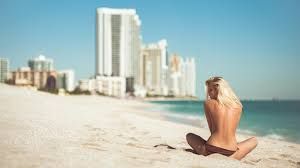
Shocking truth about nude beaches! US vs Europe coastal divide will blow your mind. Discover hidden European gems & American secrets. Click now!
The Great American Coastal Divide: From Key West to Santa Ana, and a Continent Away
Embarking on a coastal journey from Key West, Florida, to Santa Ana, California, offers a sprawling panorama of the diverse American coastline. This route is a tapestry woven with sunshine, salt spray, and an ever-changing landscape. While the US boasts iconic beaches and vibrant cities, a fascinating counterpoint emerges when we compare it to the Old World, particularly regarding hidden gems and unexpected cultural norms, like the prevalence and acceptance of nude beaches. This isn't just about sand and surf; it's about the soul of a coastline, the unspoken rules, and the very definition of freedom by the sea.
Florida Keys: The Southernmost Start and a Hint of the Unconventional
Key West, with its quirky charm and bohemian spirit, sets a unique tone. Beyond the bustling Duval Street, lesser-known spots offer a glimpse into a more relaxed pace of life. The journey westward begins on the Overseas Highway, a marvel of engineering that stitches together islands with breathtaking ocean views. While clothing-optional beaches are not the norm in the Florida Keys, the very atmosphere of Key West, with its embrace of individuality, hints at a broader spectrum of acceptance that contrasts with more conservative coastal regions. Consider areas like Calusa Beach on Big Pine Key, where the natural beauty and relative seclusion allow for a feeling of uninhibited freedom, even if not officially designated as nude.
The Gulf Coast and Beyond: Powder White Sands and Shifting Social Norms
As we traverse the Gulf Coast, the beaches shift from the powdery white sands of Florida's Panhandle, known for its family-friendly resorts and strict dress codes, to the wilder shores of Alabama and Mississippi. Here, the focus is often on natural beauty and recreational activities, with very little open acknowledgment or availability of non-clothing beaches. This starkly contrasts with many European coastlines where the concept of FKK (Freikörperkultur, or free-body culture) is deeply ingrained. Imagine a day on the beaches of the French Riviera, where designated coves often welcome nudists with open arms, or the Baltic coast of Germany, where FKK beaches are a common and accepted part of beach culture.
Unveiling Europe's Hidden Coastal Gems: Beyond the Usual Suspects
While the US coastline offers iconic destinations, Europe's vast and varied coastlines, from the rugged cliffs of Ireland to the sun-drenched shores of Greece, conceal a treasure trove of "forgotten" cities and hidden gems. These aren't the Marbellas or the Amalfis plastered across Instagram, but rather places that retain their authentic character and offer a deeper cultural immersion.
Portugal's Costa Vicentina: Beyond the Algarve's popularity, this southwestern coast boasts wild, unspoiled beaches and charming fishing villages like Vila Nova de Milfontes. It's a haven for surfers and nature lovers, offering a raw, untamed beauty. Here, the concept of communal bathing, including clothing-optional areas, is more naturally integrated.
The Adriatic Coast of Albania: Often overlooked due to its recent history, Albania's coastline is emerging as a stunning European alternative. Think crystal-clear waters, dramatic cliffs, and affordable prices. Towns like Himara offer a glimpse into a more traditional Mediterranean lifestyle, where beach culture is evolving with a growing acceptance of individual freedoms.
The Baltic Coast of Poland: Forget the Mediterranean; Poland's northern coast offers vast, sandy beaches and charming seaside towns like Sopot and Hel. While not as overtly focused on public nudity as their German neighbors, these areas often have unofficial, more secluded spots where clothing-optional sunbathing is practiced with minimal fuss.
The Nude Beach Divide: A Cultural Chasm Across the Atlantic
The most striking difference between US and European coastal cultures is undoubtedly the acceptance and prevalence of non-clothing beaches. In the US, designated nude beaches are rare, often tucked away, and can be met with a degree of social apprehension or even legal ambiguity. The idea of public nudity, even in a recreational context, is still largely taboo for many.
In stark contrast, Europe has a long and established tradition of FKK and nude beaches, particularly in countries like Germany, France, Spain, Greece, and Croatia. These are not fringe phenomena but integrated parts of the coastal experience, often clearly signposted and well-tolerated.
Germany: The birthplace of FKK, Germany boasts countless nude beaches along its North and Baltic Sea coasts. It's a cultural norm, deeply rooted in a philosophy of naturalism and body acceptance.
France: From the fashionable beaches of St. Tropez to the wilder coves of Corsica, France has a significant number of officially recognized and informally accepted nude beaches. It's often seen as a natural extension of a relaxed Mediterranean lifestyle.
Spain: While many Spanish beaches are family-oriented, areas like the Costa Brava and the Balearic Islands offer secluded coves and designated sections where nudism is common.
Greece: The ancient Greek appreciation for the human form extends to its beaches, with many islands and mainland coastlines featuring welcoming spots for naturists.
Why the Difference? Historical, Social, and Philosophical Underpinnings
The divergence in attitudes towards public nudity on beaches stems from deeply ingrained historical, social, and philosophical differences.
European Naturalism vs. American Puritanism: Europe, particularly in certain regions, has a longer history of embracing naturalism and a less inhibited view of the human body. This contrasts with the lingering influence of Puritanical values in parts of American society, which have historically led to more conservative attitudes regarding public displays of the body.
Cultural Evolution: FKK in Germany, for example, emerged in the late 19th and early 20th centuries as a movement promoting health, freedom, and a rejection of societal constraints. This movement has shaped generations of Germans and influenced attitudes across Europe. American beach culture, while evolving, has largely been driven by mass tourism and a more commercialized approach, which often prioritizes broader appeal and avoids potentially controversial practices.
Legal Frameworks: European countries often have clearer legal frameworks that recognize and protect the rights of naturists. In the US, while some states might have fewer restrictions, the overall legal landscape can be more ambiguous, leading to a general caution from beach authorities and visitors alike.
Beyond Nudity: The Subtle Art of "Forgotten" Coastal Towns
The "shocking coastal divide" isn't solely about clothing policies. It extends to the very fabric of coastal communities. While the US has its undeniable icons, Europe often excels in preserving its "forgotten" coastal towns, places where time seems to have slowed and authentic local life thrives, away from the glare of mass tourism.
The Ligurian Coast, Italy (Beyond Cinque Terre): While Cinque Terre draws crowds, explore towns like Camogli or Lerici. These charming fishing villages offer a more serene Italian Riviera experience, with colorful houses clinging to cliffs and excellent seafood.
The Dalmatian Coast, Croatia (Beyond Dubrovnik): Venture to islands like Vis or Korcula, or coastal towns like Sibenik. These destinations offer stunning Adriatic beauty, ancient history, and a more laid-back atmosphere than the heavily touristed hotspots.
The Coast of Northern Spain (Asturias and Galicia): Forget the Mediterranean; the Atlantic coast of Spain offers rugged beauty, dramatic cliffs, and a distinct Celtic heritage. Towns like Cudillero in Asturias or Finisterre in Galicia offer a raw, authentic Spanish coastal experience.
The "Americanization" of Beaches and the Loss of Nuance
The US coastal experience, particularly in its more developed areas, can sometimes feel "Americanized" – a homogenized blend of chain restaurants, souvenir shops, and predictable entertainment. This often leaves little room for the subtle nuances that define European coastal towns, like the quiet dignity of a small fishing harbor or the unpretentious beauty of a village beach. The emphasis on accessibility and mass appeal can, at times, overshadow the unique character that makes a place truly memorable.
Coastal Freedom: A Matter of Perspective and Policy
Ultimately, the difference in non-clothing beach policies between the US and Europe highlights a fundamental difference in cultural perspectives on freedom, the body, and community. While the US may offer vast stretches of coastline and unparalleled natural beauty, Europe often provides a more integrated and accepted approach to naturalism and a greater appreciation for the unadorned beauty of both nature and the human form. This isn't to say one is superior to the other, but rather to acknowledge a significant, and perhaps surprising, coastal divide that reflects deeper societal values. The journey across these coastlines reveals not just different landscapes, but different ways of being by the sea.
Journey Highlights
- Drive the scenic Overseas Highway in the Florida Keys. - Explore the historic streets of St. Augustine, FL. - Relax on the white sand beaches of the Mississippi Gulf Coast. - Visit Galveston, TX for its Victorian architecture and beach access. - Experience the vibrant surf culture of Southern California. - Discover hidden coves and less-crowded beaches along the Pacific Coast Highway. - Compare European coastal towns like those in the French Riviera or the Greek Isles for cultural differences.
Local Secrets & Insider Tips
This isn't your average beach guide. We're diving deep, past the brochures, to give you the real intel on experiencing America's coasts versus the surprising differences you'll find across the Atlantic, especially when it comes to embracing the natural state.
US Coastal Exploration: Key West & Southern California
Let's talk American coastlines. We'll focus on two iconic, yet distinct, regions: the laid-back vibe of Key West, Florida, and the sun-drenched allure of Southern California, specifically near Santa Ana.
#### Beating the Crowds (Seriously, Don't Be That Person):
Understanding crowd dynamics is key to truly enjoying these popular destinations.
Key West, Florida: Duval Street: Midday on Duval is a sensory overload. Avoid between 11 AM and 4 PM, especially on weekends. If you must experience it, aim for early morning (before 9 AM) for a calmer feel or late evening for the nightlife buzz. Mallory Square Sunset Celebration: This is a rite of passage, but arrive at least 45-60 minutes before sunset for a decent viewing spot. Seriously, don't underestimate the power of the sunset crowd. Beach Access: Smathers Beach: While vast, it gets packed. For a more peaceful experience, opt for Fort Zachary Taylor Historic State Park. Fort Zachary Taylor: Aim for weekdays before 10 AM or after 4 PM. Weekends are almost always a frenzy. Even then, the northern end of the beach tends to be less crowded. Southern California (Near Santa Ana): Santa Monica Pier & Beach: This area is a constant hubbub. If you're in this vicinity, consider venturing further south to Crystal Cove State Park. Crystal Cove State Park: Parking: Arrive by 8 AM, especially on Saturdays and Sundays, to guarantee a parking spot, particularly if you want to explore the tide pools before they're submerged or swarmed. The lower parking lot near the Moro Canyon entrance fills up fastest. Historic District: Most visitors rush to the beach. Take 30-45 minutes to wander through the charming historic district. The vintage cottages offer a glimpse into a bygone era, and the views from the bluff are often overlooked. Main Beach (Laguna Beach): If you're near this popular spot, try arriving before 9 AM on weekdays. Evenings can be more manageable than midday.
#### Finding the Quiet Spots & Hidden Entrances:
The real magic often lies off the beaten path.
Florida Keys: Unmarked Public Beach Access: Keep your eyes peeled for small, often unassuming signs between larger resort areas or residential blocks. These "hidden" access points can lead to surprisingly secluded stretches of sand. Some of my favorites are just south of Key West proper, look for driveways that seem to lead nowhere. Bahia Honda State Park (Further South): While not a secret, visit the less developed "Sandspur" side of Bahia Honda (if open) or hike the Calusa Beach trail for a more natural, less manicured experience. Southern California: Crystal Cove State Park: Beyond the main parking lot, explore the network of trails leading down from the bluffs. The El Moro Canyon Trailhead offers access to less frequented beach sections. Leo Carrillo State Park (North of Malibu): Ditch the main PCH overlooks. The smaller, unsigned state park entrances can be a goldmine. Look for the trails near Sequit Point. At low tide (check tide charts religiously!), these areas reveal stunning sea caves and tide pools teeming with life. The parking at the main entrance can fill, so arrive early or be prepared to walk. Point Dume State Preserve: While popular for whale watching, hike down to the less visible coves on the north side of the point for a more private beach experience.
#### Where to Actually Eat Like a Local:
Forget the tourist traps; let's talk authentic flavors.
Key West, Florida: Seafood: Blue Heaven: Yes, it's known, but it genuinely retains its old-school Key West charm. Must-try: Key Lime Pie (legendary!), Pan-Fried Pink Shrimp, and the Conch Fritters. Their atmosphere is as much a draw as the food. Conch Fritter Stands: Wander away from Duval. You'll find small, often roadside stands selling freshly made conch fritters. Each has its own subtle variation, but they are a delicious and affordable snack. Bo's Fish Wagon: A no-frills, iconic spot for fresh fish sandwiches and a truly local feel. Drinks: Don't leave without trying a Key Lime Colada or a classic Rum Runner. Southern California (Near Santa Ana): Newport Beach (Balboa Peninsula): Bear Flag Fish Co.: A local institution. Killer fish tacos (especially the grilled ono), poke bowls, and fresh seafood plates. Casual and always bustling. Dad's Donut & Creamery: For a sweet treat, grab a classic donut or a Balboa Bar (ice cream dipped in chocolate and rolled in sprinkles or nuts). Local Diners: For an authentic American burger experience, seek out a no-frills local diner. These spots often serve up the best classic burgers, milkshakes, and comfort food without the fuss. Look for places with "Drive-In" or "Diner" in their name that don't look too polished. Craft Beer Scene: Southern California has a thriving craft beer scene. Explore local breweries in areas like Anaheim or Huntington Beach for regionally brewed IPAs and lagers.
#### Logistics & Pro-Tips:
Parking: Your arch-nemesis in both regions. Key West: Parking is extremely limited and expensive on the island. Utilize ride-shares, the public bus system, or rent a scooter/golf cart if possible. If driving, be prepared to circle and pay for garages or valet. SoCal: Popular beach towns (Santa Monica, Laguna Beach) have paid parking lots that fill rapidly. Look for street parking further away, but be mindful of residential permit zones. Consider using a ride-share to drop you off directly at your desired beach. Weather: Florida: Humidity is no joke, especially during summer. Pack light, breathable clothing, and stay hydrated. Afternoon thunderstorms are common; pack a light rain jacket. California: The coastal fog ("May Gray" and "June Gloom") is a real phenomenon. Even if inland is sunny, the coast can be overcast and cooler. Pack layers, including a light jacket or hoodie, even in summer. Wind can also pick up significantly in the afternoons. Sun Protection: Essential everywhere. High SPF sunscreen, hats, and sunglasses are non-negotiable. Tide Charts: Absolutely crucial for tide pool exploration and discovering sea caves. Download a reliable tide app.
European Coastal Exploration: The Nude Beach Nuance
This is where the "shocking divide" truly emerges. While the US has some designated clothing-optional areas, Europe, particularly in countries like France, Spain, Portugal, and parts of Italy, embraces fKK (Freikörperkultur – Free Body Culture) much more broadly and openly.
#### Understanding the Vibe & Etiquette:
This is paramount for a comfortable and respectful experience.
Clothing-Optional vs. Strictly Nude: Clothing-Optional: Most common. People can choose to wear swimwear or not. It's a more relaxed, inclusive atmosphere. Strictly Nude: Less common, but some designated areas may be exclusively for naturists. General Rule: If you are not comfortable being nude, stick to the edges of these beaches or choose beaches explicitly marked as "textile" (clothing required). "Be Cool, Act Like It": This is the golden rule. Respect Privacy: No staring. It's considered incredibly rude and intrusive. People are there to enjoy the sun, sea, and their bodies naturally. No Photography: Absolutely no taking photos of other people without their explicit consent. This is a serious breach of etiquette and privacy. Many beaches have "no photo" signs; adhere to them. Modesty in Approach: If you're new to it, don't feel pressured to strip immediately. Find a spot, settle in, and observe. Many people will wear a towel for modesty until they feel comfortable. Hygiene: Basic hygiene is expected. Local vs. Tourist Beaches: Local Beaches: Often have a more ingrained naturist culture. The locals are accustomed to it, and the atmosphere is generally very relaxed and accepting. Tourist Beaches: May have designated sections. Be aware that some tourists might be less familiar with the etiquette, so extra vigilance on your part is appreciated.
#### Finding European Nude Beaches & Insider Tips:
Research is Key: Unlike the US, where nude beaches are often more niche, in Europe, they are more prevalent. However, research is still important to understand the specific vibe of a particular beach. Websites & Apps: Look for dedicated naturist travel websites, apps (like "Nudist Friends"), and even local tourism boards that list designated naturist areas. Signage: Look for signs indicating "FKK" (Freikörperkultur), "Plage Naturiste," or similar. Common Regions & Examples (General): France: The French Riviera and Corsica have many beautiful and well-established naturist beaches. Plage de l'Espiguette near Montpellier is vast and popular. Spain: The Balearic Islands (Mallorca, Ibiza) and the Costa Brava offer numerous options. Es Cavallet in Ibiza is famous, though it can be lively. Portugal: The Algarve region has some stunning, more rugged options. Praia da Marinha has less-developed areas that are often frequented by naturists. Logistics & Pro-Tips: Transportation: Many European nude beaches are accessible via public transport or a short walk from parking. However, some of the more secluded ones might require a car. Amenities: Facilities can vary widely. Some are well-equipped with toilets and cafes, while others are completely natural and undeveloped. Bring your own water, snacks, and towels. Footwear: Appropriate footwear is essential for accessing rocky or uneven terrain. Sun Protection: Sunscreen is vital, as you will be exposing more skin. Towels: Always bring a large towel to sit on and dry off with. Safety: Awareness: Like any beach, be aware of your surroundings and secure your belongings. Water Safety: Heed any warnings about currents or rough seas.
The Takeaway: While the US offers beautiful coastlines with a more reserved approach to nudity, Europe provides a different, often more liberating, experience for those seeking to embrace naturism. Whichever you choose, understanding the local culture, etiquette, and practicalities will ensure a memorable and enjoyable trip.
Common Questions
Frequently Asked Questions: Non-Clothing Beaches US vs. Europe
Q: Beyond the well-known destinations, are there any "hidden gem" or less-trafficked coastal towns that offer a unique experience on this US route?
A: Absolutely! For those seeking a departure from the mainstream, several "forgotten" cities and towns offer significant charm and a more authentic experience.
Apalachicola, Florida: This historic fishing town on the Florida Panhandle exudes old-world charm. Its well-preserved Victorian architecture, maritime heritage, and burgeoning culinary scene, particularly for fresh oysters, make it a delightful stop. It offers a slower pace and a glimpse into a bygone era of coastal Florida. Port Aransas, Texas: Situated on Mustang Island, Port Aransas is a beloved, more laid-back alternative to some of the busier Texas beach destinations. Known for its excellent fishing, birdwatching opportunities, and a casual, unpretentious atmosphere, it provides a genuine Gulf Coast beach town feel. Carpinteria, California: Often overlooked in favor of its more famous neighbors like Santa Barbara or Malibu, Carpinteria offers a wonderfully serene and family-friendly beach experience. Its "World's Safest Beach" reputation is well-earned, and the town itself boasts a quaint downtown with independent shops and restaurants, providing a quieter, more relaxed Californian coastal vibe.
Q: Could you elaborate on the cultural differences regarding beach nudity between the US and Europe, as highlighted in the post?
A: The cultural landscape surrounding beach nudity presents a significant divergence between the United States and Europe.
United States: American beaches are, by and large, more conservative. While unofficial or discreet nude bathing areas may exist in some secluded locations, they are not widely recognized, advertised, or culturally embraced. The prevailing norm is swimwear. This conservatism stems from a complex interplay of social norms, historical attitudes, and varying local ordinances. Europe: In stark contrast, many European countries have a long-standing and culturally integrated acceptance of public nudity, particularly on designated beaches. These nude beaches, often clearly marked and well-established, reflect a different societal approach to the human body, body positivity, and the concept of public space. Nudity is often viewed as a natural and uninhibited way to enjoy the coastline, free from the constraints of swimwear. This acceptance is deeply rooted in the continent's diverse historical and philosophical traditions.
Q: What are the optimal times of year and week to visit these coastal regions to maximize enjoyment and minimize overcrowding?
A: To truly savor the coastal beauty and avoid the peak tourist throngs, strategic timing is crucial.
Shoulder Seasons: The sweet spot for most coastal destinations, both in the US and Europe, lies within the shoulder seasons. This generally encompasses spring (April to May) and fall (September to October). During these periods, the weather is often pleasant, the water may still be warm enough for swimming (especially in late spring and early fall), and the overwhelming crowds of summer have dispersed. Weekdays: Whenever possible, plan your visits for weekdays (Monday through Friday). Many popular beaches and attractions experience a significant surge in visitors on weekends, particularly during the summer months. Holidays: Be sure to avoid major public holidays, as these invariably lead to an influx of local and national travelers. Early Mornings: For popular spots that might still experience some congestion, an early morning visit can provide a more serene and enjoyable experience. You'll often have the beach to yourself or with only a few other early risers.
Q: Considering the vastness of the coastal routes described, is this journey feasible as a short road trip, or does it necessitate a significant time commitment?
A: This is fundamentally a journey for those with ample time to appreciate the diverse coastal landscapes.
Significant Driving: The sheer scale of the US coastline, and the distances involved in comparing it with various European coastal routes, translates to substantial driving time. Attempting to cover significant portions of this in a short timeframe would primarily involve long, tiring driving days with very limited opportunities for meaningful exploration or relaxation at the destinations. Recommended Duration: To truly immerse yourself in the coastal experience, explore charming towns, enjoy the beaches, and absorb the cultural nuances, it is highly recommended to allocate a minimum of two weeks. This allows for a more balanced itinerary, incorporating both driving and significant time spent at various locations. For a more in-depth and leisurely exploration, extending this to three or even four weeks would be ideal. A faster-paced trip would necessitate sacrificing the very essence of the journey – the discovery and enjoyment of the coast.