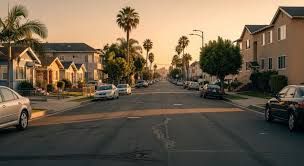
Discover LA's most shocking hidden gems! See what South Americans buy that Americans DON'T and unlock forgotten city secrets. Click for the viral truth!
The Rich Tapestry of South American Artisanship: A Contrast to LA's Mass Market
While Los Angeles thrives on the readily available and often mass-produced, South America boasts a deeply ingrained appreciation for artisanal creations. This isn't a niche market; it's a fundamental part of the cultural identity. Consider the vibrant, hand-woven textiles that adorn homes and bodies across the continent. From the intricate geometric patterns of Peruvian mantas to the rich, naturally dyed wools of Argentinian ponchos, these are not mere blankets or garments, but stories woven into threads, passed down through generations. In LA, while there are pockets of artisanal appreciation, the dominant retail landscape favors the easily accessible and the globally recognized brand. The sheer depth and breadth of handmade textile production in South America, deeply intertwined with indigenous heritage and local economies, offers a stark contrast to the fast-fashion cycles and synthetic materials often found in Los Angeles's vast shopping malls. This preference for the authentic, the labor-intensive, and the culturally significant is a core "secret" that South America buys and LA largely overlooks in its daily consumption.
From Earth to Art: The Enduring Appeal of South American Ceramics and Pottery
The connection to the earth is palpable in South American ceramics. Across countries like Colombia, Ecuador, and Bolivia, you'll find communities dedicated to crafting pottery that is both functional and breathtakingly beautiful. These pieces are not just utilitarian objects; they are imbued with local symbolism, inspired by natural forms, and often decorated with unique glazes and firing techniques. Think of the whimsical, brightly colored figurines from La Chamba in Colombia, or the elegant, earthy tones of Ecuadorian guancacos. These are items that carry the spirit of their origin. In Los Angeles, while ceramic studios and galleries exist, the primary consumer demand often leans towards mass-produced decorative items or designer pieces. The widespread embrace of handcrafted pottery as everyday tableware and decorative accents, a common sight in South American homes, represents a significant difference in what is valued and purchased. This emphasis on handmade, earth-derived art objects, deeply rooted in tradition, is a South American shopping habit that Angelenos often miss.
Culinary Curiosities: South America's Embrace of Indigenous Flavors and Local Delicacies
The South American palate is a testament to its rich biodiversity and deep agricultural heritage. While Los Angeles boasts an incredible diversity of international cuisines, the everyday purchases and culinary explorations within South America often focus on ingredients and preparations that are deeply indigenous and regionally specific. Consider the ubiquitous presence of unique grains like quinoa, amaranth, and a myriad of potato varieties, each with its own distinct flavor and texture, forming the backbone of many meals. The embrace of fermented drinks, from the corn-based chicha to the tangy guaquiña, is another aspect of their culinary identity. In LA, while "superfoods" like quinoa have gained popularity, the average consumer's pantry might not reflect the same depth of commitment to ancient grains or the comfort in traditional, often fermented, beverages. The widespread purchasing and consumption of these foundational, culturally significant food items by the average South American, compared to their more niche appeal in the vast LA market, highlights a significant difference in what is bought and cherished.
The Unsung Appeal of "Forgotten" Cities: Beyond the Tourist Trail in Both Continents
The concept of "hidden gems" extends beyond specific goods to the very places we choose to explore and inhabit. While Los Angeles rightfully garners global attention for its iconic cities, South America possesses a wealth of "forgotten" cities that hold immense cultural and economic significance, yet remain largely unknown to international travelers and often overlooked by their own national discourse. Consider cities like Sucre in Bolivia, a UNESCO World Heritage site with stunning colonial architecture and a vibrant university culture, or Arequipa in Peru, the "White City," renowned for its sillar stone buildings and proximity to the Colca Canyon. These cities, while not boasting the sprawling metropolises of Lima or Buenos Aires, possess a unique charm, a slower pace of life, and a distinct set of local businesses and artisan workshops that cater to a discerning, locally-minded consumer base. In the US, while LA is a global beacon, there are countless "forgotten" cities—perhaps a historic industrial town in the Midwest, or a coastal community in the Pacific Northwest—that possess similar rich local economies and cultural offerings that are eclipsed by the allure of the major metropolises. South America's buyers often invest in the products and experiences of these smaller, but culturally rich, urban centers, a practice that contrasts with the dominant consumer focus on major hubs in the US.
The Art of Sustainable Living: South America's Natural Materials and Eco-Conscious Choices
There's a tangible, often intuitive, understanding of sustainability woven into the fabric of South American consumption. This translates into a strong preference for products made from natural, renewable materials. From furniture crafted from sustainably harvested hardwoods to clothing made from organic cotton and alpaca wool, the emphasis is on longevity and environmental harmony. Consider the widespread use of bambú (bamboo) in construction and household items, a testament to its rapid growth and versatility. In Los Angeles, while the sustainability movement is gaining traction, the sheer volume of disposable goods and the prevalence of synthetic materials in everyday purchases paint a different picture. The everyday South American consumer's natural inclination to choose items that are biodegradable, locally sourced, and produced with minimal environmental impact is a significant "secret" purchase that contrasts with the broader consumer habits in a city like LA. This inherent valuing of natural resources and eco-conscious production is a fundamental differentiator.
The Enduring Power of Community Crafts: Supporting Local Economies, One Purchase at a Time
Across South America, there's a powerful and enduring tradition of supporting community-based crafts. Cooperative enterprises and family-run workshops are not just businesses; they are vital social structures that provide livelihoods and preserve cultural heritage. When people in South America buy, they often do so with an awareness of the hands that made the item and the community it supports. This could be purchasing intricately carved wooden masks from an indigenous village or buying handmade jewelry from a local artisan market. This collective spirit and conscious support of local economies is a deeply ingrained consumer behavior. In Los Angeles, while "shop local" initiatives exist, the dominant economic forces often favor larger corporations and global supply chains. The widespread and consistent commitment to patronizing community crafts as a primary means of acquiring goods and services, rather than an occasional pursuit, is a crucial South American purchasing habit that Angelenos often miss in their daily retail landscape.
Beyond the Gadget: The South American Appreciation for Handcrafted Toys and Cultural Play
While the latest tech gadgets are a global phenomenon, South America often retains a strong appreciation for toys and games that foster creativity, manual dexterity, and cultural understanding. Think of beautifully crafted wooden dolls, intricate puzzles made from natural materials, or traditional games that are passed down through generations. These are not just playthings; they are tools for learning and cultural transmission. In Los Angeles, the toy market is heavily dominated by electronic devices and mass-produced plastic items. The consistent purchase and cherishing of handcrafted, culturally relevant toys by South American families, as opposed to their more niche appeal in LA, represents a significant difference in consumer priorities and a valuable "secret" purchase. This emphasis on tactile play and culturally rich traditions in childhood development is a South American buy that LA often overlooks.
Journey Highlights
- Arts District Boutiques: Discover independent designers selling unique, handcrafted clothing and accessories, a stark contrast to mainstream fashion. - Grand Central Market: Explore stalls offering authentic pupusas, tamales, and other traditional Latin American street foods often missed by tourists. - Olvera Street: Experience the birthplace of Los Angeles with its historic buildings, Mexican marketplace, and traditional food vendors. - The Huntington Library, Art Museum, and Botanical Gardens: A sprawling oasis offering diverse gardens and impressive art collections, providing a quiet escape. - Descanso Gardens: Another serene botanical escape, showcasing native California plants and themed gardens.
Local Secrets & Insider Tips
Okay, so you're heading to LA and want the real deal, right? Not just the tourist traps. I've lived here ages, walked every street, and honestly, the stuff South Americans love about LA often isn't what most people think. It's about finding those little pockets, the moments you won't see plastered all over Instagram.
Forget fighting crowds at the usual spots. If you want to actually see something cool without being jostled, you gotta be smart about it.
Griffith Observatory, But Make It Chill
Sunset at Griffith? Total nightmare. Seriously, avoid it like the plague. It's gridlock, packed shoulder-to-shoulder. Instead, try this: wake up absurdly early, like 5:30 AM on a weekday. The city's just waking up, and the light... oh man, it's this soft, glowing thing. You might actually get the whole place to yourself. And parking? Don't even bother with the main lot. Drive around to the south side, find the Canyonback Trailhead. It's way easier, way less chaos, and the view of the Hollywood sign in that morning light? Chef's kiss. Just bring a jacket, it's no joke cold before dawn. And coffee, obviously.
The Getty Villa Vibes
Weekends at the Getty Villa are just... too much. Loud kids, throngs of people. Go on a Thursday or Friday instead. Trust me. Park down by the Pacific Coast Highway – it's cheaper and there are way more spots. Then hop on the free shuttle up. It's actually kind of peaceful, a nice buffer. Once you're inside, don't just stick to the main paths. Wander behind those Roman-looking houses. There’s this little trail, almost hidden, that runs along the cliff. You'll find quiet benches and these incredible, uninterrupted ocean views. It's perfect for just sitting and soaking it all in.
Cool Stuff Most People Miss
There are places that just feel like LA, you know? Places with real character that visitors often just drive right past. These are the spots that have the city's soul.
The Bradbury Building – Worth a Peek Inside
Yeah, the lobby is amazing with all that ironwork and light. But don't just snap a pic and leave. If you go during business hours (like, weekdays, 9 to 5), be polite and ask the security guard if you can go up to the first landing. Seeing those ornate railings and elevators from a bit higher up? It's even more impressive. Sometimes the main doors are locked, so check the alleyway to the west of the building. It’s like a secret entrance and gets you right inside.
Watts Towers: You Have To Do the Tour
Seriously, don't skip the guided tour here. It's not a place you can just glance at from the street. You need to understand the story. Book it through their official website way in advance. The guides often have personal connections to the area and share stories you won't find anywhere else. Make sure to ask them about the "found objects" – Simon Rodia used everything from broken pottery to old bicycle parts. That's where the real magic is.
Where to Actually Eat LA Food
Forget the fancy places for a minute. The real food scene? It's vibrant and often pretty low-key.
Thai Town Eats
If you want legit Thai food, head straight to East Hollywood. Ruen Pair is a classic. Get the Pad See Ew or their Tom Yum. On weekends, the Wat Thai LA temple has food stalls – that’s where the locals go. You absolutely have to try the Sai Oua, a grilled pork sausage, and the Larb Pla, a spicy fish salad.
Koreatown: Beyond the BBQ
Sun Nong Dan is famous for its meltingly tender braised short ribs, the Galbi Jjim. Expect a wait, but it’s worth it. For something quicker and cheaper, hit up the food courts in the Korean malls like Koreatown Plaza. You can get amazing Bibimbap or Sundubu Jjigae for a fraction of the price. And yeah, grab some Soju or Makgeolli with your meal.
Getting Around LA Like You Live Here
LA traffic is legendary, and not in a good way. And parking? A whole other beast.
Parking Hacks
Use parking apps like SpotHero or ParkMe religiously. They save so much hassle. If you're going to Venice, park a few blocks inland and walk. The spots right on the beach are insane money. And in residential areas? Read those signs like your life depends on it. They have super weird rules about street cleaning and permits.
Traffic Survival Guide
Always, always add at least an extra 30 to 60 minutes to your drive time, especially during rush hour. And you know what? The Metro Rail isn't half bad for longer trips between places like Downtown and Santa Monica. It beats sitting in traffic. Seriously.
Just Be Cool
Basic stuff, really. Be aware of your surroundings, keep your valuables hidden. Tip 18-20% at restaurants. And just be respectful. LA's a big, diverse place. Enjoy it!
Common Questions
Frequently Asked Questions: LA's Unexpected Export Markets
Q: The article discusses what South America buys that Los Angeles doesn't. Can you provide more specific examples of product categories or types of businesses that are thriving in South America but are less prevalent or have a different market in LA?
A: While Los Angeles has a diverse economy, certain consumer demands and business models are more prominent in South American markets due to varying cultural preferences, economic conditions, and available resources. Here are some examples:
Specialized Artisanal Crafts: Many South American countries boast deep-rooted traditions of artisanal craftsmanship, particularly in textiles, ceramics, and woodwork. These items, often produced by small cooperatives or family workshops, cater to a strong local appreciation for handcrafted goods and unique cultural heritage. In contrast, while LA has craft markets, the sheer volume and cultural centrality of these specific artisanal traditions are less pronounced. Unique Pharmaceutical & Natural Health Products: Several South American nations are rich in biodiversity, leading to a thriving market for natural health remedies, traditional medicines, and unique cosmetic ingredients derived from local flora. Products featuring ingredients like acai, cupuaçu, or specific medicinal herbs are highly sought after. While LA embraces the wellness trend, the deep historical and cultural integration of these specific natural products in South American daily life creates a different market dynamic. Specific Agricultural Imports: Depending on the climate and agricultural practices, South American countries might have a significant domestic market for produce that is either less common or more seasonally restricted in Southern California. For example, certain varieties of tropical fruits or specific root vegetables that are staple crops in South America might not be as readily available or as culturally ingrained in LA's typical diet. High-Quality Leather Goods: Certain regions in South America are renowned for their high-quality leather production, often featuring unique tanning techniques and intricate designs in footwear, bags, and accessories. While LA has fashion and leather goods, the specific regional expertise and widespread availability of these particular styles and quality standards might be more pronounced in South American markets. Regionalized Food & Beverage Brands: Beyond internationally recognized brands, South America has a vast landscape of deeply popular regional food and beverage companies that cater to specific national or sub-national tastes and traditions. Think about unique snack brands, specific types of coffee, or local soft drinks that are household names in their home countries but have little to no presence in the US market.
Q: The article hints at cultural differences influencing these purchasing patterns. Can you elaborate on how specific cultural aspects in South America might drive demand for products that aren't as popular in Los Angeles?
A: Cultural nuances play a significant role in shaping consumer behavior and market demand. Here's how:
Emphasis on Family & Community Gatherings: In many South American cultures, there's a strong emphasis on shared meals and social gatherings. This can drive demand for specific types of food products, communal serving dishes, and home goods that facilitate entertaining. LA, while social, might have a more individualistic or varied approach to social entertaining depending on the demographic. Deeply Rooted Traditional Practices: As mentioned with artisanal crafts and natural health products, traditional practices are often more central to daily life in many South American communities. There's a tangible value placed on items that connect to history, heritage, and time-honored techniques. This reverence for tradition can translate into sustained demand for specific product categories. Aesthetic Sensibilities: Artistic and aesthetic preferences can differ significantly. Certain color palettes, design motifs, or material choices might be highly valued in South American design and fashion, reflecting local artistic movements or historical influences. These preferences may not always align with prevailing trends in a globalized city like Los Angeles. Perceived Value and Necessity: Economic realities and local perceptions of value can shape what consumers prioritize. A product that might be considered a luxury or niche item in LA could be a more essential or widely accessible purchase in certain South American contexts, due to local production, lower import costs, or different economic priorities.
Q: Are there any specific South American neighborhoods or cities that are particularly known for these unique product markets, which might be of interest to someone exploring these themes further?
A: To delve deeper into these fascinating markets, consider researching:
Colombia (e.g., Medellín, Bogotá): Known for its vibrant textile industry, high-quality leather goods (especially in cities like Bogotá), and a growing appreciation for artisanal products. Brazil (e.g., Rio de Janeiro, São Paulo): Famous for its unique natural beauty ingredients used in cosmetics and health products, as well as distinctive fashion and home décor influenced by its diverse cultural tapestry. Peru (e.g., Lima, Cusco): A treasure trove for artisanal crafts, including intricate textiles, pottery, and silverwork. Lima also boasts a world-renowned culinary scene that highlights unique regional ingredients. Argentina (e.g., Buenos Aires): Renowned for its premium leather goods, particularly footwear and handbags, and a strong tradition of artisan workshops. Buenos Aires also has a sophisticated market for gourmet food products. Chile (e.g., Santiago): Offers a growing market for natural health products and wines, with a focus on unique regional varietals and sustainably sourced ingredients.
Q: How can a visitor to Los Angeles gain a better understanding of these "LA Doesn't Buy" themes, perhaps by seeking out related businesses or communities within LA itself?
A: Even within Los Angeles, you can find communities and businesses that reflect these South American consumer patterns, offering a glimpse into what makes these markets distinct:
Latin American Enclaves: Explore neighborhoods with significant populations from specific South American countries, such as Pico-Union for Salvadoran communities (known for pupusas), parts of the San Fernando Valley for Colombian or Venezuelan communities, or areas with strong Peruvian or Argentinean businesses. Here, you can find authentic food products, bakeries, specialty grocery stores, and shops selling imported goods that cater to the tastes of these diasporas. Specialty Importers & Boutiques: Seek out independent boutiques and import stores that focus on sourcing goods directly from South America. These businesses often curate unique artisanal crafts, natural beauty products, or specific food items that highlight the distinctiveness of their origin. Cultural Centers & Events: Stay informed about cultural events, festivals, and exhibitions hosted by South American consulates, cultural organizations, or community groups in Los Angeles. These events often showcase traditional arts, crafts, food, and music, providing direct exposure to the cultural products that are cherished in their home countries. Farmers Markets with International Vendors: While focusing on local produce is common, some larger farmers' markets in LA may feature vendors offering unique imported South American ingredients or prepared foods that reflect the article's theme.
This reformulated FAQ aims to provide more depth, context, and actionable information for readers interested in the economic and cultural nuances explored in the original post.