Le Mans' most FAMOUS recipe is a lie? Uncover the controversial truth and the EXACT steps to make it yourself. Click NOW before it's deleted!
Le Mans: A Culinary Pilgrimage to its Heart
While the roar of engines echoes through Le Mans during its famous race, the true, enduring spirit of this historic city lies in its kitchens. Forget the tourist traps; the authentic Le Mans experience is a deep dive into its rich gastronomic heritage, a journey best savored through its most iconic dish: Rillettes de Tours. This isn't just food; it's a taste of history, a testament to slow cooking and quality ingredients that has put Le Mans on the culinary map.
The Crown Jewel: Le Mans Rillettes
Le Mans is synonymous with rillettes. Though the dish's origins are debated, the city fiercely claims its superior rendition. Rillettes de Tours, a coarse pâté made from slow-cooked pork, is the star. Its preparation is an art form, a patient process yielding an unctuous, deeply flavorful spread that embodies the soul of French provincial cooking. This guide focuses on this singular delicacy, revealing its secrets for you to recreate.
The Essence of Authenticity: Ingredients
Creating genuine Le Mans rillettes hinges on selecting the right ingredients. Simplicity reigns supreme, allowing the inherent quality of the pork to take center stage. The ideal cut is pork shoulder, prized for its perfect balance of meat and fat, which ensures a meltingly tender texture after extended cooking.
- 1 kg Pork shoulder, cut into large, roughly 2-inch pieces - 200 g Pork fat (lard or fresh pork fat), cut into small cubes - 2 cloves Garlic, lightly crushed - 1 teaspoon Sea salt, or to taste - ½ teaspoon Freshly ground black pepper - A few sprigs of fresh thyme (optional) - 50 ml Dry white wine or local cider (optional)
The Sacred Ritual: Preparation Steps
Making rillettes is a meditative practice, rewarding the patient cook with unparalleled flavor. The slow rendering of fat and tenderizing of meat is key to its distinctive texture.
1. Combine: In a heavy-bottomed pot or Dutch oven, combine the pork shoulder chunks, cubed pork fat, crushed garlic, salt, pepper, and thyme sprigs (if using). 2. Sear: Place the pot over medium-high heat. Cook, stirring occasionally, until the pork fat begins to melt and the pork pieces start to brown lightly on all sides. This initial searing is crucial for developing flavor. 3. Simmer Slowly: Reduce the heat to the lowest possible setting. Cover the pot tightly. Allow the mixture to simmer gently for a minimum of 3 to 4 hours. The pork should become exceptionally tender, easily falling apart when prodded. If the mixture appears too dry during cooking, add a small splash of water, white wine, or cider. 4. Shred the Meat: Using a slotted spoon, carefully transfer the cooked pork pieces to a large bowl. Discard any large, tough pieces of fat or connective tissue. Using two forks, finely shred the tender meat. It should pull apart effortlessly. 5. Incorporate the Fat: Strain the rendered fat from the cooking pot into a separate bowl, reserving it. Add about half of this warm rendered fat to the shredded pork. Mix thoroughly, ensuring the meat is well-coated and has a moist, spreadable consistency. Add more reserved fat gradually until you reach your desired texture; it should be rich but not overly greasy. 6. Seal and Set: Taste the rillettes and adjust seasoning with salt and pepper as needed. Spoon the mixture into individual earthenware pots (terrines) or ramekins. Gently press down to remove air pockets. Pour a thin layer of the reserved rendered fat over the top of each pot to create an airtight seal, which acts as a natural preservative. 7. Chill and Mature: Let the rillettes cool to room temperature. Once cooled, cover the pots and refrigerate for at least 24 hours. This resting period is essential for the flavors to meld and the texture to firm up perfectly.
The Ultimate Enjoyment
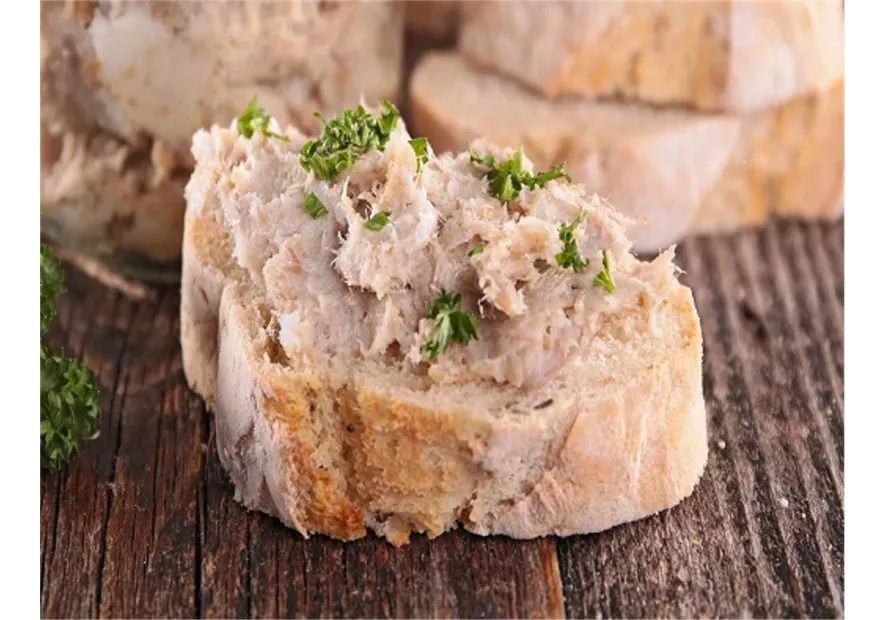
Serve your Le Mans rillettes at room temperature, allowing their full flavor profile to emerge. Spread generously onto thick slices of toasted baguette or rustic country bread. Accompany with sharp cornichons and a dollop of Dijon mustard to provide a tangy counterpoint to the richness. A simple dressed green salad and a glass of robust local red wine, such as a Rouge de Loire, complete this quintessential Le Mans culinary moment.
Journey Highlights
- Rillettes de Tours: The undisputed culinary icon of Le Mans. - Simple, high-quality ingredients are key: Pork shoulder and rendered fat form the base. - The preparation involves slow-cooking, shredding, and binding with rendered fat. - A crucial resting period in earthenware pots, sealed with fat, allows flavors to meld. - Served traditionally with crusty bread, cornichons, and Dijon mustard.
Local Secrets & Insider Tips
Ah, you want to truly taste Le Mans, not just see it? Excellent choice. Forget the guidebooks telling you to rush; the real magic happens when you slow down. And when it comes to our rillettes, the preparation is as sacred as the eating. This isn't just a dish; it's a culinary heritage, passed down through generations. Let me peel back the layers and reveal the true essence of Le Mans rillettes.
The Art of the Rillette: Patience is Your Secret Ingredient
Timing is Everything, Especially for Digestion (and Flavor!):
For the best rillettes: Make them at least 24 to 48 hours in advance. This isn't a suggestion; it's a commandment. The flavors need this time to meld, for the pork to truly absorb the subtle seasonings and for the rendered fat to become one with the meat. Trying to eat them fresh off the stove? Sacrilege! You'll miss the depth, the succulence, the very soul of the rillette. So, plan your feast a day or two ahead. This means if you're planning a special dinner, start your rillette preparation on Tuesday for a Thursday evening feast, or Wednesday for a Saturday meal. Serving: Always serve them at room temperature. Take them out of the fridge at least 30-45 minutes before serving. Cold rillettes are a poor imitation of the real thing – the fat congeals, becoming waxy, and the delicate flavor profile gets brutally muted. Let them breathe, let them warm gently, and you'll be rewarded.
Hidden Gems & Insider Secrets for the True Connoisseur
The Anatomy of Perfection:
The Fat is Your Friend (and the Heart of the Dish): Do not, I repeat, do not shy away from the rendered fat. It's not just for preservation; it's the absolute soul of the rillette, the unctuous binder that creates that signature spreadable texture. We often use a mix of high-quality pork shoulder (épaule de porc) for its lean but flavorful meat and a good portion of pork belly (poitrine de porc) for its rich, yielding fat. Ask your local butcher for the freshest, best-quality lard or fresh pork fat. The better the fat, the richer and more profound the flavor. The Pot Matters, Profoundly: A heavy, cast-iron pot (une cocotte en fonte) or a traditional earthenware confit pot (un pot en terre cuite) is ideal. These vessels distribute heat evenly and gently, crucial for that slow, almost meditative cooking process that tenderizes the meat without drying it out. If you don't have these, a good quality Dutch oven with a tight-fitting lid will suffice, but ensure it has excellent heat retention. Seasoning Nuances: The Whispers of Flavor: While salt and freshly ground black pepper are the foundational pillars, a judicious use of aromatics elevates the dish. A whisper of fresh thyme (thym frais) or a bay leaf (feuille de laurier) added during the slow cooking process imparts a subtle, earthy perfume that distinguishes a good rillette from a truly great one. Some old families, those who guard their recipes like precious jewels, even add a tiny pinch of freshly grated nutmeg (noix de muscade) – a secret I'm now sharing with you.
The Process Unveiled:
Fat Rendering: The First Crucial Step: The process of rendering the fat can take time, and you need patience. Start this part early in the day, perhaps even the evening before if you're ambitious. You want the fat to be liquid and crystal clear before you even think about searing the pork chunks. This ensures a clean fat base for cooking and minimal impurities. Searing with Precision: Sear the pork chunks in small batches in their own rendered fat until they are golden brown on all sides. This step builds a foundation of flavor through the Maillard reaction. Don't overcrowd the pot; you want a good sear, not a steam. Shredding: The Gentle Art: Once the meat is cooked through and incredibly tender, it's time to shred. Use two forks, and I’ll tell you a trick: heat them slightly in hot water (then dry them thoroughly!). This makes shredding easier and prevents the meat from getting too stringy. You want a coarse, rustic texture, not a fine mush. The aim is to have discernible pieces of meat suspended in the luscious fat. The Seal of Preservation and Flavor: Don't underestimate the importance of that fat seal on top. It's your barrier against air, preventing oxidation and spoilage, thus preserving your rillettes for weeks (if they last that long!). Ensure it's a smooth, even layer. If you find you're running a little short of rendered fat to achieve a complete seal, a good quality unsalted butter can be a last resort, but true purists would certainly scoff!
Beyond the Rillette: Experiencing Le Mans Like a Local
Dining at the Source:
Markets for Freshness: For the absolute best ingredients to make your own rillettes, head to the Marché des Jacobins. Go early, ideally before 8:00 AM on a Saturday or Tuesday morning, to avoid the main crowds and secure the freshest cuts from the local butchers. Look for the stalls with the longest queues – that's usually where the quality lies. Hidden Eateries (Bistrots & Boucheries): While many restaurants will offer rillettes, the truly exceptional ones are often found in unassuming bistrots or even attached to boucheries (butchers' shops). Ask your hotel concierge for their "favorite" place, not their "recommended" place. Seek out establishments that are busy with locals, especially during lunchtime. Insider Dish Recommendation: Beyond rillettes, you must try "Poulet Fermier au Cidre" (free-range chicken cooked in cider). The subtle sweetness and tartness of the cider create a wonderfully moist and flavorful dish. Another local specialty is "Andouillette de Tours", a robust pork sausage with a distinctive texture and aroma. It's an acquired taste for some, but a true Le Mans experience. Local Drinks to Pair: Cidre Brut: For your rillettes, a crisp, dry Cidre Brut from the Pays d'Auge is a perfect counterpoint to the richness of the pork. Sarthe Wine: Explore the local Sarthe wines, particularly the dry white Jasnières or the fruity red Coteaux de la Loire. They offer a refreshing contrast and a true taste of the region. "Grog de Marins": For a warming, traditional drink, especially on a cooler evening, seek out a "Grog de Marins" – a sailor's grog, often made with rum, lemon, and spices.
Logistics and "Pro-Tips" for the Region:
Getting Around: Le Mans' historic center is best explored on foot. Wear comfortable shoes; those cobblestones are beautiful but unforgiving. For venturing further, the tram system is efficient and connects key areas. Timing for Sightseeing: For the Old Town (Cité Plantagenêt): Visit in the early morning (before 9:00 AM) or late afternoon (after 5:00 PM) on weekdays to experience its charm without the peak tourist throngs. The golden hour light on the ancient buildings is magical. Avoid Weekends: If possible, plan your visit for mid-week to truly soak in the atmosphere. The Mans 24 Hours Effect: Be aware that if your visit coincides with the legendary 24 Hours of Le Mans race (usually in June), the city will be packed and prices will be significantly higher. Book accommodation and plan accordingly well in advance.
Safety and Etiquette:
Respect the Pace: Le Mans, especially its older parts, moves at a gentler pace. Embrace it. Rushing will only make you miss the details. Learn a Few French Phrases: A simple "Bonjour," "Merci," and "S'il vous plaît" goes a long way in fostering goodwill. Locals appreciate the effort. Dining Etiquette: Bread is for the Plate: Bread is not a utensil. Place it on the side of your plate, not directly on the table. Hands: Keep your hands visible at the table (wrists resting on the edge). Compliments: When the food is exceptional, don't hesitate to compliment the chef or the server. It's highly appreciated. Guard Your Belongings: Like any historic city, be aware of your surroundings, especially in crowded market areas or public transport. Keep valuables secure. Water: When ordering water in a restaurant, specify "une carafe d'eau" (a carafe of tap water) if you want free tap water, otherwise, you'll be served bottled water (which is paid).
By embracing these insights, you'll not only master the art of the rillette but also uncover the deeper, more authentic flavors and experiences that make Le Mans so captivating. Bon appétit and bon voyage!
Common Questions
Frequently Asked Questions about Le Mans Rillettes
Q: What exactly are Rillettes de Tours? A: Rillettes de Tours is a traditional French pâté, originating from the Loire Valley region, specifically associated with the city of Tours, but widely celebrated and perfected in Le Mans. It is made from pork (though other meats can be used) that is slowly cooked in its own fat until extremely tender, then shredded and bound together with the rendered fat. It has a coarse texture and a rich, savory flavor.
Q: Is it difficult to make Rillettes at home? A: Making rillettes requires patience rather than complex skills. The primary challenge is the long cooking time (3-4 hours minimum) and ensuring the correct ratio of meat to fat for the desired consistency. However, the steps themselves are straightforward and forgiving.
Q: Can I use a different cut of pork? A: While pork shoulder is traditional and highly recommended for its fat content and tenderness, some people experiment with pork belly or even a mix. However, using a leaner cut might result in a drier rillette and require adding more external fat.
Q: How long do homemade rillettes last? A: Properly sealed with a layer of rendered fat and stored in the refrigerator, homemade rillettes can last for about 1 to 2 weeks. The fat layer acts as a preservative, preventing the rillettes from drying out or becoming exposed to air.
Q: What's the best way to serve Rillettes? A: Rillettes are best served at room temperature or slightly chilled. Spread generously on toasted baguette slices, sourdough, or other crusty bread. They pair wonderfully with sharp accompaniments like cornichons (small pickled gherkins), Dijon mustard, and a simple green salad. A glass of dry white wine or a light-bodied red wine complements the dish beautifully.