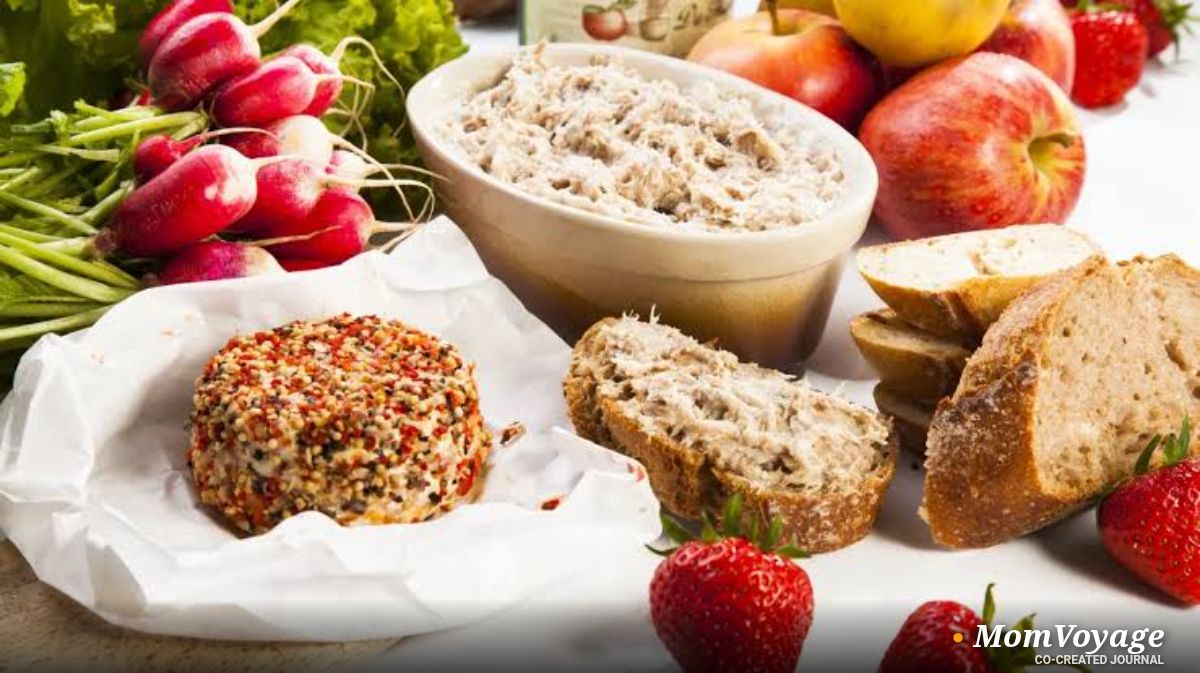
Learn the authentic Le Mans rillettes recipe! Uncover the precise steps and secret ingredients used by locals to create this classic French charcuterie.
The Art of Le Mans Rillettes
Le Mans is synonymous with rillettes, a rich and savory spreadable pâté made from slow-cooked pork. While many regions have their own versions, the rillettes from Le Mans are renowned for their distinct texture and deep flavor. This guide will walk you through the authentic process, transforming simple ingredients into a culinary treasure.
Ingredients You'll Need:
- 1 kg (approx. 2.2 lbs) pork shoulder (Boston butt), cut into 2-inch cubes - 500g (approx. 1.1 lbs) pork fatback, cut into 1-inch cubes - 200ml (approx. 7 fl oz) dry white wine (like Muscadet or a crisp Sauvignon Blanc) - 2 bay leaves - 4-5 sprigs fresh thyme - 1 teaspoon whole black peppercorns - 1 tablespoon coarse sea salt, plus more to taste - Pinch of ground nutmeg
Step-by-Step Preparation:
1. Prepare the Pork: In a heavy-bottomed pot or Dutch oven, combine the pork shoulder cubes and pork fatback cubes. Add the white wine, bay leaves, thyme, peppercorns, sea salt, and nutmeg. 2. Slow Cooking: Cover the pot tightly. Place it in a preheated oven at 150°C (300°F). Cook for 3 to 4 hours, or until the pork is exceptionally tender and easily shreds with a fork. The fat should have rendered, creating a rich cooking liquid. 3. Shredding the Pork: Carefully remove the pork from the pot, reserving the cooking liquid. Discard the bay leaves and thyme sprigs. Using two forks, shred the cooked pork into fine strands. For a smoother texture, you can pulse it briefly in a food processor, but avoid making it a paste. 4. Combining and Seasoning: Return the shredded pork to the pot with the rendered fat and cooking liquid. Stir well to combine. Taste and adjust seasoning with additional salt and pepper if needed. The mixture should be moist but not soupy. 5. Packing and Chilling: Ladle the warm rillettes into clean, sterilized earthenware pots or ramekins. Press down gently to remove air pockets. Allow to cool slightly at room temperature. 6. Setting the Fat Cap: Once cooled, pour a thin layer of the rendered fat from the cooking liquid over the top of the rillettes in each pot. This creates a seal that helps preserve the rillettes and adds to the final texture. 7. Refrigeration: Cover the pots and refrigerate for at least 24 hours to allow the flavors to meld and the rillettes to set firmly.
Serving Your Rillettes:
Serve Le Mans rillettes chilled, spread generously on crusty baguette slices or toasted country bread. Accompany with cornichons (small pickled gherkins) and a simple green salad to balance the richness. A glass of dry cider or a robust red wine complements this dish beautifully.
Journey Highlights
- Authentic Le Mans Rillettes Recipe - Key Ingredients for Rillettes - Detailed Preparation Steps - Serving Suggestions
Local Secrets & Insider Tips
who grew up with the aroma of slow-cooked pork filling the air, let me share some nuances for truly exceptional rillettes.
Timing is Everything: While you can make rillettes any time, the best time to source your pork is during the local market days, typically Wednesdays and Saturdays. Look for the butchers who have been there for generations; their pork shoulder is unparalleled. Ask for 'une belle échine' – a beautiful pork shoulder.
The Fat is Key: Don't shy away from the pork fatback. It’s the soul of true Le Mans rillettes. If your butcher is hesitant, ask if they have any 'blanc de porc' or 'couenne' which can be rendered down. The rendered fat is crucial, not just for cooking, but for that essential sealing layer at the end.
Beyond Baguette: While a fresh baguette is classic, try serving your rillettes with thin slices of toasted brioche for a touch of sweetness, or even some hearty rye bread for a different flavor profile. A sprinkle of fleur de sel just before serving makes a world of difference.
The Secret Ingredient: Many home cooks overlook the quality of the salt. Use a good quality coarse sea salt. And for that extra je ne sais quoi, a tiny pinch of freshly grated nutmeg right at the end of cooking elevates the pork's natural sweetness. Don't overdo it, just a whisper.
Patience for Perfection: The longest part is waiting. Resist the urge to dig in too soon. Those 24-48 hours in the fridge are critical for the flavors to meld. You'll notice the texture firm up beautifully, making it easier to spread and intensifying the taste. It’s worth the wait!
Common Questions
Frequently Asked Questions about Le Mans Rillettes:
- What is the best cut of pork for making rillettes? Pork shoulder (Boston butt) is ideal due to its fat content and connective tissues, which break down during slow cooking to create a tender, flavorful result.
- Can I make rillettes without pork fatback? While fatback is traditional and essential for the authentic texture and flavor, you can substitute with additional pork shoulder if fatback is unavailable. However, the result may be slightly less rich.
- How long do homemade rillettes last? When properly sealed with the fat cap and stored in the refrigerator, homemade rillettes can last for up to 2-3 weeks.
- What is the difference between rillettes and pâté? Rillettes are typically made from shredded meat (often pork) cooked slowly in its own fat, resulting in a coarser texture. Pâté can be made from various meats, poultry, or liver, and is often more finely ground or pureed, sometimes with added binders like eggs or breadcrumbs.