Journey to Fall River, MA to visit the Lizzie Borden House. Explore the site of the notorious 1892 murders and uncover the secrets of this dark chapter in American history.
Stepping Onto the Stage of History: The Borden House Exterior and Grounds
The journey into the heart of the Lizzie Borden legend begins the moment you approach the unassuming Victorian residence at 230 Second Street in Fall River, Massachusetts. From the outside, it presents a picture of respectable, if somewhat dated, domesticity. The distinctive gabled roofline, the prominent bay windows, and the clapboard siding whisper of a bygone era, a time when this street was a bustling artery of everyday life. Yet, beneath this placid surface, the house holds the chilling secrets of a day that forever seared itself into American consciousness. As a visitor, there's an immediate duality – the ordinary appearance of a family home juxtaposed with the extraordinary, and deeply disturbing, events that transpired within its walls. The grounds themselves, though not extensive, offer a moment to pause and absorb the atmosphere before venturing inside. One can almost imagine the sounds of carriage wheels on the street, the distant cries of vendors, and the mundane rhythms of life that were so violently interrupted. The very air seems to hold a certain stillness, a hushed reverence for the history that has been etched into the very foundations of this place.
The Sitting Room: Where Life Was Interrupted
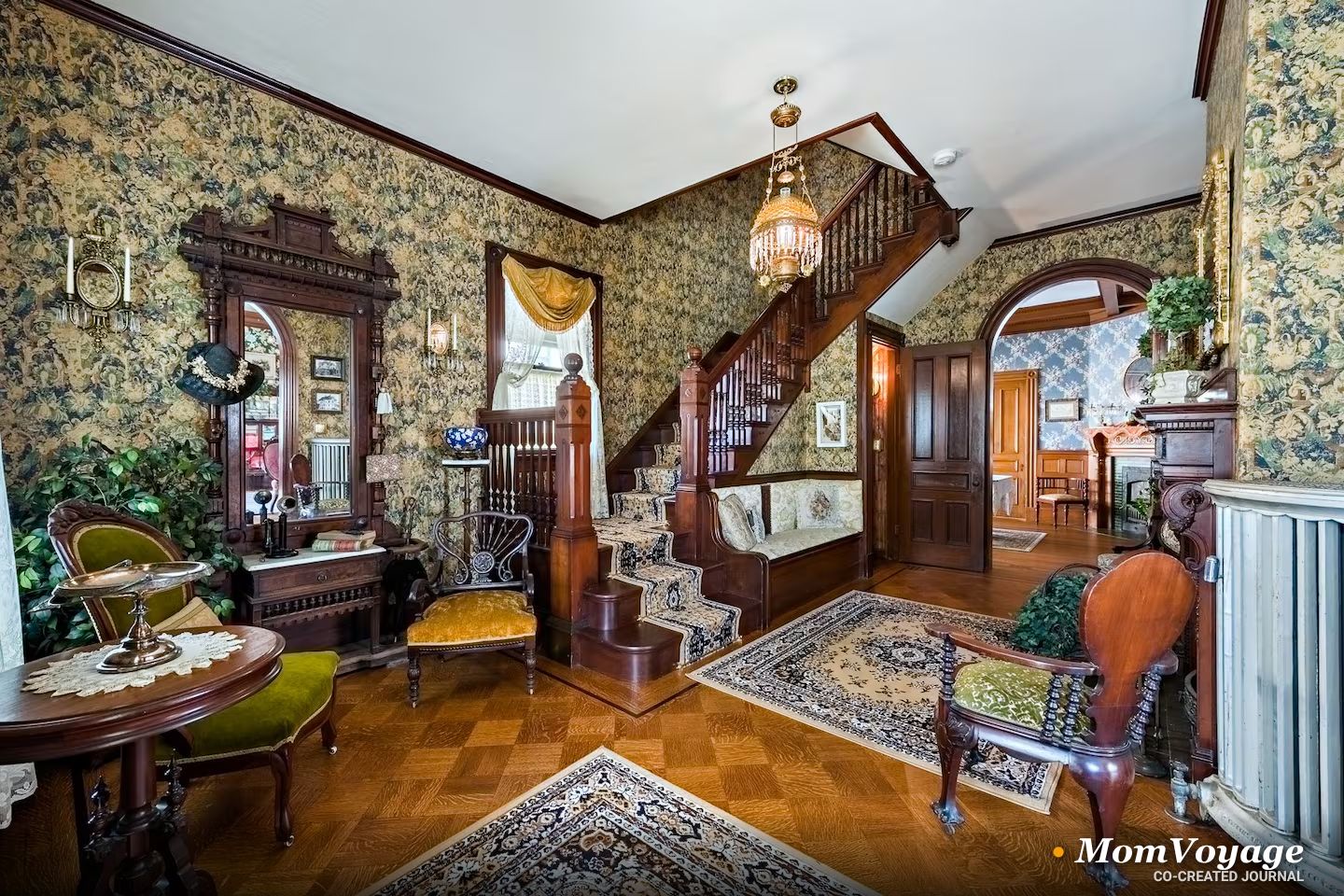
The sitting room, often the first stop on the guided tour, is a pivotal space. It’s here that the family, or at least the women of the household, would have gathered for conversation, recreation, or perhaps quiet contemplation. The furnishings, meticulously recreated or preserved, offer a glimpse into the daily lives of the Bordens. The guide will likely point out specific details, perhaps the location of certain chairs, the type of decor, or even the windows through which one might have observed the comings and goings of the neighborhood. It's in these seemingly ordinary domestic details that the enormity of the crime begins to sink in. You can visualize Andrew Borden, perhaps returning from a business meeting, or Abby, tending to her household duties. The questions inevitably arise: who sat where? What conversations took place in this very room on the morning of August 4th? The guide's narrative will weave a tapestry of facts, theories, and unanswered questions, urging you to place yourself within the scene and grapple with the possibilities. It’s a space that, despite its outward calmness, hums with the echoes of unresolved tension and a profound sense of interrupted normalcy.
The Dining Room: A Scene of Unthinkable Violence
The dining room of the Borden House is perhaps the most somber and impactful space for many visitors. It is here that Andrew Borden, Lizzie’s father, was discovered. The room, often preserved with a stark authenticity, becomes a focal point for the gruesome details of the crime. Guides will often describe the scene as it was found, painting a vivid, albeit disturbing, picture of the violence that occurred. The placement of the body, the nature of the wounds, and the immediate aftermath of the discovery are all part of the narrative that unfolds here. It’s a space that demands reflection, forcing visitors to confront the brutality of the events and the sheer shock that must have enveloped the household and the community. The guide’s role is crucial in this room, balancing the need to present historical facts with a sensitivity to the gravity of the subject matter. You'll find yourself scrutinizing the layout, trying to reconcile the domestic setting with the horrific act that took place. The quiet stillness of the room amplifies the weight of its history, making it an unforgettable part of the Borden House experience.
The Bedrooms: Sites of Tragic Endings
The bedrooms within the Lizzie Borden House are sites of profound tragedy, each holding its own specific narrative within the larger story. Abby Borden’s bedroom, located upstairs, is where she was found, the victim of a brutal attack. The guide will likely detail the condition of the room and the circumstances of her discovery, further solidifying the grim reality of the day. Andrew Borden's bedroom, on the other hand, offers a different perspective, as he was found downstairs in the sitting room. However, the upstairs rooms, including Lizzie’s own bedroom, contribute to the overall understanding of the household dynamics and the confined spaces in which these events unfolded. Stepping into these private chambers, even as a visitor on a tour, evokes a sense of intrusion and a deep contemplation of the personal lives that were so abruptly and violently extinguished. The guide's narration will help to contextualize these spaces, explaining who occupied them and the potential movements and interactions that may have occurred. It is in these intimate settings that the human element of the tragedy becomes most palpable, transcending the sensationalism of the crime.
The Attic and Basement: Unseen Corners of Suspicion
While the main living areas and bedrooms are typically the focus of a Borden House tour, the attic and basement often add layers of intrigue and speculation. These less-visited spaces can be points of discussion regarding potential hiding places, discarded evidence, or even areas where Lizzie might have gone to conceal or dispose of anything incriminating. The guide may share anecdotal information or highlight historical theories that involve these less accessible parts of the house. The dark, often dusty nature of attics and basements lends itself to the atmosphere of mystery and suspense that surrounds the Borden case. Visitors might find themselves wondering about the secrets these spaces have held for over a century. Even if they aren't fully explored on every tour, their mention by the guide serves to expand the visitor's imagination and encourage further consideration of the possibilities that remain, even after the initial investigation. These areas represent the hidden corners of the narrative, the places where unanswered questions can linger.
The Legacy of Lizzie Borden: Beyond the Ax Murders
The Lizzie Borden House visit is not solely about the gruesome details of August 4, 1892; it is also an immersion into the enduring legacy of Lizzie Borden herself. The tour often extends beyond the physical confines of the house, delving into Lizzie's life before and after the murders. This includes discussions about her upbringing, her social standing in Fall River, and the sensational trial that captivated the nation. The acquittal, a shocking outcome to many, fueled further speculation and cemented her place in true crime history. The guide will likely touch upon her subsequent life, her financial independence, and her eventual death. This broader perspective allows visitors to understand Lizzie not just as a suspect, but as a complex individual whose story continues to fascinate and perplex. The impact of the murders and the trial on Fall River, and on the cultural understanding of justice and notoriety, is a significant aspect of the house's historical significance, making the visit a journey into the broader cultural landscape of America.
The Borden House as a Museum and B&B: A Multifaceted Experience
The dual nature of the Lizzie Borden House as both a museum and a bed & breakfast creates a unique and deeply immersive experience. As a museum, it meticulously preserves the historical context of the crime, offering educational tours that delve into the facts, theories, and unanswered questions. The detailed exhibits, the preserved artifacts (where applicable), and the knowledgeable guides all contribute to a rich historical understanding. However, the fact that it is also a functioning bed & breakfast adds another layer of profound engagement. For those brave enough to spend the night, the experience transcends mere observation and becomes a direct encounter with the atmosphere of the house. Guests report unusual occurrences, a pervasive sense of history, and the unsettling feeling of being in a place where such profound tragedy unfolded. This duality allows for different levels of interaction and contemplation, catering to both the history enthusiast and the thrill-seeker, making the Borden House a truly unforgettable destination for anyone interested in American history and true crime.
Journey Highlights
- Visit the Lizzie Borden House for a historical tour. - Explore the rooms where the Borden murders took place. - Learn about the investigation and Lizzie Borden's trial. - Consider the lasting impact of the case on American true crime history.
Local Secrets & Insider Tips
walked these streets for years, visiting the Lizzie Borden House requires a bit of planning to truly appreciate the historical weight without feeling rushed.
Timing Your Visit for Atmosphere: To really soak in the atmosphere without the largest crowds, aim for a weekday tour, ideally in the late morning or early afternoon. The very first tour of the day is often less crowded, allowing for more intimate interaction with the guide and a better chance to linger in certain rooms. If you plan to stay overnight, book a weeknight if possible – weekends fill up fast and can feel a bit more like a conventional B&B with more guests milling about.
Navigating the Experience: Don't expect a sprawling mansion; the house is quite compact. The tours are well-paced, but there's a sense of confined history. The guides are usually very knowledgeable; ask specific questions about the evidence or Lizzie's life after the trial – they often have fascinating details not covered in the main narrative. Remember, the house is a preserved historical site, so touching certain items is restricted. Pay attention to the guide's instructions.
Beyond the House: While the house is the main draw, take a moment to walk around the neighborhood. Imagine the Fall River of the late 19th century. For a less touristy meal nearby, seek out a local diner away from the immediate vicinity of the house. If you're looking for classic New England comfort food, try The Tipsy Toboggan for hearty fare or Brodie's Pub & Grille for solid pub grub – often less crowded and more authentic than spots directly catering to tourists. Ask locals for their favorite chowder or a good, old-fashioned slice of apple pie.
Logistical Pitfalls to Avoid: Parking can be a bit tight in the area, especially on busy days. Street parking is available but can require some walking. If you're staying overnight, confirm parking arrangements with the house management beforehand. Also, be prepared for a somber and potentially chilling experience; while not overtly terrifying, the history is undeniably heavy. Manage expectations – it’s a historical immersion, not a theme park attraction.
Common Questions
Frequently Asked Questions
Q: Is the Lizzie Borden House still standing? A: Yes, the Lizzie Borden House at 230 Second Street in Fall River, MA, is preserved and open for tours and overnight stays.
Q: What is the best way to experience the Lizzie Borden House? A: Taking the guided historical tour is highly recommended. It provides context and details about the murders and the Borden family.
Q: Can you stay overnight at the Lizzie Borden House? A: Yes, the house operates as a bed and breakfast, offering guests the unique experience of spending the night in the infamous location. Bookings are often required well in advance.
Q: Is the Lizzie Borden House considered haunted? A: Many visitors report paranormal experiences, and the house is often featured in discussions about haunted locations. While not officially confirmed, the atmosphere is certainly evocative.