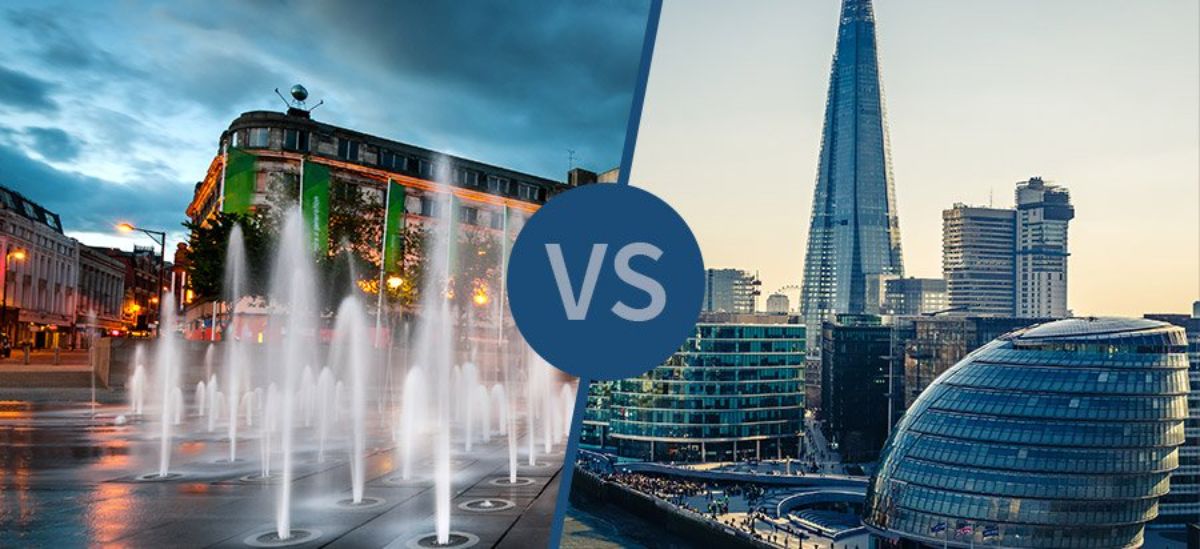
London or Manchester? Discover hidden gems, shocking sports facility differences, and iconic landmark showdowns. Your UK travel debate starts NOW!
The journey from the sprawling metropolis of London to the dynamic northern hub of Manchester is more than just a train ride; it's a cultural and experiential exploration. While London dazzles with its royal history and global renown, Manchester pulses with a distinct spirit, a rich industrial heritage, and a burgeoning arts scene that often surprises visitors. This exploration delves beyond the surface, unearthing the unique character of each city and revealing how they stack up against each other in surprising ways, especially when it comes to their most iconic landmarks and their sporting prowess.
The Iconic Showdown: Buckingham Palace vs. Old Trafford
London's undisputed crown jewel is Buckingham Palace, the official residence of the monarch. Tourists flock for the Changing of the Guard ceremony, a spectacle of British pageantry. However, the sheer volume of visitors can make for a crowded and sometimes underwhelming experience if not timed perfectly. The palace itself, while grand, is largely inaccessible to the public for much of the year, its true opulence glimpsed only from afar. The surrounding St. James's Park offers a welcome respite, a beautiful green lung in the heart of the city, but it doesn't quite compensate for the limited access to the main attraction. The grandeur is undeniable, a symbol of centuries of tradition, but its accessibility is its Achilles' heel for the casual visitor seeking an intimate connection with history.
Manchester's iconic counterpart, though perhaps less globally recognized for royal associations, is Old Trafford, the legendary home of Manchester United Football Club. Known as the 'Theatre of Dreams', Old Trafford offers a visceral connection to sporting history and a passionate community. Unlike the distant admiration one might have for Buckingham Palace, Old Trafford allows fans to immerse themselves in the atmosphere, to walk the hallowed turf (on tours, of course) and feel the weight of decades of sporting triumphs and heartbreaks. The stadium tours are meticulously curated, offering behind-the-scenes access to dressing rooms, the press conference suite, and even the chance to stand in the dugouts. The sheer passion of the fans, evident even outside of match days, creates an energy that is palpable. For sports enthusiasts, it's not just a building; it's a pilgrimage site, a living testament to the power of sport to unite and inspire. The comparison is stark: one offers a glimpse of regal power and historical ceremony, the other a vibrant, participatory experience rooted in a modern global passion.
Beyond the Tourist Trail: Unearthing London's Hidden Cultural Treasures
While Buckingham Palace stands as a globally recognized icon, London boasts a labyrinth of hidden cultural gems that often elude the typical tourist itinerary. Venturing away from the well-trodden paths reveals a city teeming with intimate museums, independent galleries, and unique historical sites that offer a more authentic and less crowded experience.
Sir John Soane's Museum: This eccentric townhouse, preserved exactly as it was left by its collector owner, is a treasure trove of art, antiquities, and curiosities. It’s an incredibly atmospheric and surprising place, filled with sarcophagi, architectural fragments, and paintings by Hogarth and Canaletto, all displayed in a densely packed and wonderfully chaotic manner. Guided tours, especially the "Lantern Tours" held in December, are particularly magical. The Wallace Collection: Tucked away in a grand townhouse in Marylebone, the Wallace Collection houses an astonishingly rich and diverse collection of Old Masters paintings, French 18th-century furniture, French, European, and Asian armour, and fine and decorative arts. It’s remarkable for its quality and breadth, and its intimate setting makes it feel like a private viewing. The collection is free to enter, making it an accessible yet incredibly rewarding cultural excursion. Leighton House Museum: This former studio house of Victorian artist Frederic Leighton is a breathtaking example of Aesthetic Movement architecture. The highlight is the incredible Arab Hall, adorned with stunning Iznik tiles. It’s a tranquil oasis and a testament to artistic passion, offering a glimpse into the life and work of a prominent figure of the era. Dennis Severs' House: For a truly unique and immersive historical experience, Dennis Severs' House in Spitalfields offers a series of 'still-life dramas' that evoke the lives of Huguenot silk-weavers in the 18th century. Visitors move through the rooms in silence, experiencing sensory details like flickering candlelight, the smell of woodsmoke, and the faint sounds of domestic life, bringing history to life in an unforgettable way.
These lesser-known sites offer a deeper understanding of London's multifaceted cultural identity, providing intimate encounters with art, history, and architecture that resonate long after the visit.
Manchester's Industrial Heartbeat: From Cotton Mills to Creative Hubs
Manchester's identity is inextricably linked to its industrial past, a heritage that has not been forgotten but rather reimagined into vibrant, modern cultural spaces. The city’s transformation from the "Cottonopolis" of the Industrial Revolution to a thriving hub of creativity and innovation is a story of resilience and reinvention.
The Northern Quarter: Once a gritty industrial district, the Northern Quarter is now Manchester's bohemian heart. Its Victorian warehouses have been converted into independent boutiques, record stores, quirky cafes, and buzzing bars. The streets themselves, often cobbled and lined with evocative street art, tell a story of urban regeneration. Exploring this area is like stepping into a living gallery of independent spirit and creative enterprise. The Museum of Science and Industry (MOSI): Situated on the site of the world's oldest surviving passenger railway station, MOSI is a powerful reminder of Manchester's pioneering role in industrial and scientific advancement. It houses fascinating exhibits on textiles, power, transport, and communication, with working steam engines and demonstrations that bring the past to life. It’s not just a museum; it's an interactive exploration of human ingenuity. The John Rylands Library: An architectural masterpiece and a true hidden gem, the John Rylands Library is a stunning example of Gothic Revival architecture. Its interiors are breathtaking, housing rare books and manuscripts, including the earliest known surviving fragment of the New Testament, the St John Fragment. The quiet grandeur and the sheer historical significance of its collections make it a profoundly moving place to visit. The Whitworth Art Gallery: Nestled within Whitworth Park, this gallery is a testament to Manchester’s commitment to the arts. It boasts impressive collections of British and European art, prints, drawings, and textiles, with a particular strength in watercolours and works on paper. Its recent redevelopment has made it one of the most innovative and visitor-friendly art spaces in the country, seamlessly blending indoor and outdoor experiences.
Manchester’s cultural landscape is a testament to its ability to honor its past while enthusiastically embracing the future, offering a tangible and inspiring narrative of transformation.
A Sporting Pilgrimage: Comparing London's and Manchester's Elite Facilities
When it comes to sports, both London and Manchester stand as titans in the UK's sporting landscape. However, their approaches to sporting excellence, particularly in terms of facilities and accessibility, reveal distinct priorities and strengths.
London: A Multifaceted Sporting Metropolis
London's sporting prowess is characterized by its sheer diversity and the presence of world-class venues catering to a multitude of sports. Its infrastructure is a testament to its status as a global city, often hosting major international events.
Wembley Stadium: The iconic national stadium, Wembley, is a marvel of modern engineering and a mecca for football fans. It hosts major cup finals, international matches, and large-scale concerts. Its capacity and state-of-the-art facilities are second to none, offering an unparalleled experience for spectators. The London Aquatics Centre: Designed by Zaha Hadid Architects for the 2012 Olympic Games, this is one of the most architecturally significant swimming facilities globally. It offers two 50m pools and a 25m diving pool, making it a premier destination for both elite training and public swimming. Its design alone is a spectacle. The All England Club (Wimbledon): While not strictly within central London, Wimbledon is inextricably linked to the city's sporting identity. It's the home of the Wimbledon Championships, the oldest and most prestigious tennis tournament in the world. The meticulously maintained grass courts and the tradition-steeped atmosphere offer a unique sporting experience. Various Premier League Stadiums: London boasts multiple Premier League football clubs, each with its own impressive stadium. The Emirates Stadium (Arsenal), Stamford Bridge (Chelsea), and Tottenham Hotspur Stadium are all modern arenas equipped with top-tier training facilities and fan amenities.
London's sporting facilities are often grand, historically significant, or architecturally groundbreaking, reflecting its status as a global capital. They are geared towards hosting major events and providing premium experiences, though access for the average person can sometimes be limited by cost or event schedules.
Manchester: The Heartbeat of Football and Beyond
Manchester's sporting identity is undeniably dominated by football, but its facilities are no less impressive, characterized by a deep-rooted passion and a focus on both elite performance and community engagement.
Old Trafford: As previously mentioned, Old Trafford is more than just a stadium; it's a global brand and a testament to the enduring power of Manchester United. Its capacity, historical significance, and the atmosphere on match days are legendary. The club also boasts some of the most advanced training facilities in the country at its Carrington training ground. Etihad Stadium & City Football Academy: Manchester City's transformation has been remarkable. The Etihad Stadium is a modern, state-of-the-art venue, and the adjacent City Football Academy is a cutting-edge training and youth development complex, widely regarded as one of the best in the world. It showcases a commitment to holistic player development. Manchester Velodrome (National Cycling Centre): This is the home of British Cycling and a world-class indoor cycling track. It has been instrumental in the success of British track cyclists and offers opportunities for both elite athletes and the public to experience velodrome cycling. Rowntree Park & Salford Sports Village: Beyond the football giants, Manchester has invested in community sports facilities. Places like Rowntree Park offer accessible public spaces for a variety of sports, while Salford Sports Village provides a hub for local sporting clubs and grassroots development, ensuring that sporting opportunities are available to a wider population.
Manchester's sporting facilities, particularly in football, are synonymous with excellence and a deep cultural connection to the sport. While London offers a broader spectrum, Manchester's sporting heart beats with an intensity that is truly unique, driven by a fierce local pride and a commitment to nurturing talent at all levels.
The Unseen Layers: Exploring London's Quirky Charm
Beyond the grand landmarks and world-renowned museums, London holds a treasure trove of peculiar and delightfully eccentric attractions that offer a glimpse into its more unconventional side. These are the places that often escape the guidebooks, yet offer some of the most memorable experiences.
The Horniman Museum and Gardens: Located in Forest Hill, this museum is a Victorian curiosity shop of wonders. It boasts a vast collection ranging from taxidermy and musical instruments to an aquarium and a butterfly house. The gardens offer stunning views of the London skyline, and the museum itself is wonderfully eclectic and engaging for all ages. God's Own Junkyard: Walthamstow is home to this dazzlingly neon-lit wonderland. Filled with vintage signs, quirky art installations, and an abundance of colourful lights, it’s a photographer’s dream and an unforgettable sensory experience. The adjacent cafe, The Rolling Scones, adds to the unique charm. Postman's Park: Tucked away near St. Paul's Cathedral, this park offers a poignant and touching tribute to ordinary people who lost their lives while saving others. The "Memorial to Heroic Self-Sacrifice" features ceramic plaques detailing extraordinary acts of bravery, a quiet and profoundly moving testament to everyday heroism. The Clink Prison Museum: For those interested in the grimmer aspects of history, this museum, built on the site of one of London's oldest prisons, offers a chilling insight into centuries of incarceration. It showcases the harsh realities of prison life and the evolution of the penal system.
These hidden corners of London reveal a city that embraces its oddities and celebrates its unique characters, offering a refreshing departure from the expected.
Manchester's Edgy Renaissance: Street Art and Independent Spirit
Manchester's artistic soul extends far beyond its galleries, manifesting in a vibrant and ever-evolving street art scene and a strong independent ethos that permeates its cultural fabric. This is a city that wears its creativity on its sleeve, transforming public spaces into canvases and fostering a DIY spirit.
Street Art Hotspots: The Northern Quarter, as mentioned, is a prime location for impressive street art. However, areas like Ancoats and along the Rochdale Canal also feature striking murals and graffiti from local and international artists. These artworks are often politically charged, visually dynamic, and reflect the city's contemporary social commentary. Independent Music Venues: Manchester's legendary music scene continues to thrive through its network of independent venues. From the intimate settings of The Deaf Institute and Gullivers to the historic Band on the Wall, these spaces provide a platform for emerging artists and a vital part of the city's cultural DNA. The spirit of innovation that birthed genres like Madchester is still palpable here. Independent Cinemas and Theatres: Beyond the large multiplexes, Manchester boasts a number of independent cinemas and theatres that champion diverse and thought-provoking work. The HOME Arts Centre is a leading example, showcasing a dynamic mix of film, theatre, and exhibitions. Smaller venues often provide a more intimate and experimental theatrical experience. Maker Spaces and Creative Cooperatives: Reflecting a growing trend, Manchester is home to numerous maker spaces and creative cooperatives that provide resources and community for artists, designers, and craftspeople. These hubs foster collaboration and allow for the creation of unique, handmade products and artistic projects, further enriching the city's creative ecosystem.
Manchester's artistic energy is raw, dynamic, and deeply rooted in its independent spirit, making it a compelling destination for those who appreciate art in its most accessible and evolving forms.
The Verdict: Two Cities, Distinct Charms, and a Friendly Rivalry
The "shocking truth" revealed in this comparison isn't one of definitive victory, but rather an appreciation for the unique strengths and contrasting personalities of London and Manchester. London, the grand dame of global cities, offers unparalleled scale, historical depth, and a constant influx of international culture. Its hidden gems provide intimate glimpses into its rich tapestry, while its iconic landmarks, though crowded, remain symbols of immense power and history.
Manchester, the resilient northern powerhouse, pulses with a youthful energy and a fierce pride in its industrial heritage and creative resurgence. Its iconic landmarks are tied to passion and community, while its artistic and sporting scenes offer a more hands-on, immersive experience. Its hidden gems are often born from urban regeneration and an embrace of the unconventional.
Ultimately, the choice between London and Manchester depends on the traveler's desires. For those seeking grandiosity, endless variety, and a taste of global prestige, London awaits. For those drawn to authenticity, vibrant subcultures, and a tangible sense of progress, Manchester offers an equally compelling, and often more intimate, experience. The rivalry is friendly, a testament to the diverse and dynamic spirit of Britain itself, with each city offering an unforgettable journey for those willing to look beyond the obvious.
Journey Highlights
- Compare London's royal pageantry with Manchester's sporting passion. - Analyze the diverse sporting facilities in London versus Manchester's specialized training centers. - Uncover hidden gems like London's Hampstead Village and Manchester's Northern Quarter. - Discover authentic culinary experiences away from the main tourist paths.
Local Secrets & Insider Tips
Unlocking the Secrets: Your Expert Guide to Navigating London and Manchester
As a seasoned local who's lived and breathed these cities for years, and a writer dedicated to uncovering the real soul of a place, I'm here to pull back the curtain on the London to Manchester journey. Forget the generic tourist trails; this is about experiencing these iconic cities like a true insider, finding those magical moments that linger long after you've left.
**The Art of Beating the Crowds & Finding Your Magic:**
London: Beyond the Buckingham Buzz
Buckingham Palace - The Royal Spectacle (and How to Survive It): Changing of the Guard: The crowds are, frankly, insane during peak summer. If you must witness this, aim for a Wednesday or Friday outside of July/August. The "Early Bird Catches the (Almost Empty) Palace" Strategy: Arrive by 7:00 AM on a weekday, even earlier if it's a significant date or a weekend. Seriously, pack a flask of coffee and a good book. You'll be rewarded with a decent viewing spot without being crushed by selfie sticks. The Savvy Alternative: If the idea of standing for hours makes you queasy, embrace the serenity. Admire the palace exterior from the grandeur of The Mall or the tranquil beauty of St. James's Park. You'll get stunning photos and a sense of occasion without the pandemonium. Kensington Palace: A Regal Escape: For a truly royal experience without the crush, make a beeline for Kensington Palace. Arrive precisely at opening time (10:00 AM). You'll have the magnificent gardens almost entirely to yourself for a good hour, allowing for peaceful reflection and incredible photo opportunities.
Old Trafford - The Theatre of Dreams (and How to Experience It Without the Stampede): The Stadium Tour: To truly absorb the history and atmosphere, book the very first tour slot of the day, typically around 9:30 AM on non-match days. This allows you to linger and imagine the roars of the crowd before the main influx. Matchday Mania: Attending a match is an unparalleled experience, but plan months, if not a year, in advance for ticket availability and accommodation. Be prepared for intense pre- and post-game crowds; embrace the organised chaos! The Local's Football Fix: For a more relaxed, authentic football buzz without the pressure of a headline match, check Manchester United's official website for reserve or academy game schedules. These offer a fantastic insight into the club's future stars and a more intimate atmosphere.
**Discovering Hidden Entrances, Secret Viewpoints, and Unseen Corners:**
London: Elevating Your Perspective
Skyline Views: Ditch the Shard, Embrace the Sky Garden: Forget the exorbitant prices of the Shard. The Sky Garden offers arguably better panoramic views of London and it's free! Crucial Pro-Tip: You must book your tickets well in advance online, often weeks ahead, especially for sunset slots. Dawn's Embrace: Millennium Bridge & St. Paul's: For a truly breathtaking and near-solitary experience, walk across the Millennium Bridge towards St. Paul's Cathedral at dawn. The soft morning light on the iconic dome is magical, and you’ll have this architectural marvel almost entirely to yourself. Covent Garden's Secret Rainbow: Neal's Yard: Tucked away from the bustling market, Neal's Yard is a vibrant, tiny courtyard bursting with colour and independent shops. It's incredibly easy to miss, making it a delightful hidden gem. Look for the small entrance off Shorts Gardens. Literary Haunts & Artistic Alleys: Leadenhall Market: While it’s seen some screen time (Harry Potter!), it's still a stunning Victorian covered market that often feels overlooked by the masses. Explore its architectural grandeur. The Bookseller's Row (Charing Cross Road): While not a single hidden spot, the stretch of second-hand bookshops on Charing Cross Road offers hours of fascinating browsing and a glimpse into London's literary soul.
Manchester: The Northern Quarter's Palette and Architectural Grandeur
The Northern Quarter's Canvas: A Mural Scavenger Hunt: The street art here is dynamic and ever-changing. Don't limit yourself to the main thoroughfares. Wander down Thomas Street, Stevenson Square, and truly explore the alleyways. Look up, look down, and peek into courtyards – you'll be amazed at what you discover. The John Rylands Library: A Gothic Masterpiece (with a Clever Entrance): The historic reading room of this library is an absolute must-see – it feels like stepping into a medieval manuscript. For a more tranquil entry, use the unassuming side door on Deansgate. If the main entrance is busy, this will often lead you directly into the stunning interior with fewer people. Castlefield's Roman Roots & Industrial Past: This area, with its canals, Roman fort remains, and converted warehouses, is a fascinating blend of history. Explore the Roman Fort Museum and walk along the towpaths for a different perspective on the city. The National Football Museum: Located in the iconic Urbis building, this museum is more than just for die-hard fans. Its interactive exhibits and historical artifacts offer a captivating look at the beautiful game's impact.
**Savouring the Authentic Flavours: Beyond the Tourist Traps:**
London: Culinary Gems
Ollie's (Soho): Hong Kong Delights on a Shoestring: This is the spot for sensational, no-frills Hong Kong-style Chinese food. Be prepared for a queue; it's a testament to its popularity and worth every minute. The crispy roast pork and salt and pepper squid are legendary. The George Inn (Southwark): A Taste of History: London's only remaining galleried coaching inn, this National Trust pub offers a genuine step back in time. Enjoy a traditional pie and mash or a hearty Sunday roast in its historic courtyard. Order a pint of a local real ale. Borough Market: While popular, it’s a foodie paradise. Go early in the morning to avoid the worst of the crowds and sample artisanal cheeses, freshly baked bread, exotic fruits, and street food from around the globe. Try a gourmet sausage roll from The Ginger Pig. Poppies Fish & Chips (Spitalfields/Camden): For a classic, no-nonsense London fish and chip experience, Poppies is a reliable and delicious choice. Enjoy your haddock and chips with a pickled egg and a pot of strong tea.
Manchester: Northern Soul on a Plate
The Pie & Ale (Northern Quarter): A Pasty Paradise: This is your go-to for a proper Northern pie. They boast an incredible selection of locally sourced, delicious pies, from steak and ale to more inventive vegetarian options. Pair your pie with a craft beer from their extensive local selection. Dishoom (Multiple Locations): Bombay Cafe Vibes: While popular, Dishoom masterfully recreates the authentic atmosphere of a Bombay Irani cafe. The food is consistently excellent, from the breakfast naan to their signature black daal. Their chilli chicken is a must-try. Bundobust (Northern Quarter/Piccadilly): Indian Street Food & Craft Beer Nirvana: This is a modern, vibrant spot offering innovative Indian street food paired with a superb craft beer selection. The Vada Pav (spicy potato fritter in a bun) and the Paneer Tikka Rotis are highlights. Mackie Mayor (Northern Quarter): A Food Hall Experience: This stunning Victorian market hall has been transformed into a buzzing food hall featuring multiple independent food vendors. It's a fantastic place to try a variety of local and international cuisines in a lively atmosphere. Try the pizzas from Honest Crust. Sam's Chop House (City Centre): A Manchester Institution: For a classic Manchester steak and kidney pudding or a hearty Sunday roast, Sam's is a traditional choice with a loyal following.
**Navigating the Network: Logistical Pitfalls to Avoid & Pro-Tips:**
Train Travel: The London to Manchester Express (and How to Save)
Book, Book, Book! This cannot be stressed enough. For the best fares on the London-Manchester route (primarily operated by Avanti West Coast), book your tickets at least 6-8 weeks in advance. Last-minute tickets are eye-wateringly expensive. Split Ticketing Savvy: Explore split ticketing websites (e.g., Trainline, National Rail Enquiries) to see if breaking your journey into smaller segments can result in significant savings. Off-Peak Power: If your schedule allows, travelling during off-peak hours (generally outside of 6:30 AM-9:30 AM and 4:00 PM-7:00 PM on weekdays) will yield cheaper fares.
London Transport: The Underground Labyrinth (Conquered)
Contactless is King: Ditch the paper tickets entirely. Get an Oyster card (if you plan to use it extensively) or, even easier, use your contactless debit/credit card or mobile payment system (Apple Pay, Google Pay). This will automatically give you the best fare for your journey. Master the Tube Map: It looks intimidating, but it's remarkably logical. Download a Tube map app and familiarize yourself with the colour-coded lines. Factor in the Far: London is VAST. Always add at least 30-60 minutes to your planned travel time between attractions to account for walking to stations, waiting for trains, and navigating the system. Peak Hour Purgatory: Avoid travelling on the Tube during rush hour (7:30 AM-9:30 AM and 5:00 PM-7:00 PM) if possible. It's shoulder-to-shoulder and not for the faint of heart.
Manchester Transport: The Metrolink & Beyond
Metrolink Magic: Manchester's tram system (Metrolink) is efficient and covers most key areas. Like London, use contactless payment or purchase a day ticket for convenience. City Centre Strolls: Much of Manchester's city centre is very walkable. You can often get between key attractions on foot. Bus Networks: For areas not covered by the Metrolink, Manchester has an extensive bus network. Use apps like Citymapper or Google Maps for route planning.
Accommodation: Strategic Stays for Every Vibe
Manchester: Northern Quarter: Ideal for those seeking a vibrant, bohemian atmosphere with independent bars, restaurants, and live music. It’s central and well-connected. Castlefield: Offers a more relaxed, waterside setting with Roman history, canals, and a slightly more upscale feel. It’s still within walking distance of the city centre. MediaCityUK: If you're interested in the BBC, ITV studios, or simply a modern, waterfront environment, this is a good option, though slightly removed from the traditional city centre buzz. London: Covent Garden/Soho: For prime theatreland and lively nightlife. South Kensington: For museum lovers and a more elegant, leafy atmosphere. Shoreditch/East London: For a trendier, artsy vibe with excellent street art and independent eateries.
**Safety & Etiquette: Being a Respectful Explorer**
General City Smarts:
Awareness is Key: Like any major city, be aware of your surroundings, especially in crowded tourist areas. Keep valuables secure and be mindful of pickpockets. Trust Your Gut: If a situation feels uncomfortable, it probably is. Remove yourself from it. Public Transport Etiquette: Stand on the right, walk on the left on escalators in the London Underground. This is a sacred rule! Offer your seat to elderly, pregnant, or disabled passengers on public transport. Keep your bags off seats if it’s busy. Don't block doorways while standing on trains or buses. Pace Yourself: Don't try to cram too much into one day. These cities are best enjoyed at a more relaxed pace. Embrace the Queue: Brits are generally polite and orderly. If there's a queue, join it. "Please" and "Thank You": A little goes a long way. Politeness is always appreciated. Ask for Directions: Most Londoners and Mancunians are happy to help if you ask politely.
By following these insider tips, you'll not only avoid the common tourist pitfalls but also uncover the authentic heart of London and Manchester, creating memories that are truly unforgettable. Happy travels!
Common Questions
Frequently Asked Questions: London vs. Manchester - Unveiling the Differences
**Transportation: The Speed of Your Journey**
Q: What is the most efficient and fastest method of travel between London and Manchester?
A: For speed and convenience, the train is unequivocally the best option. High-speed Avanti West Coast services depart frequently from London Euston station, arriving at Manchester Piccadilly. The typical journey time is remarkably efficient, averaging around 2 hours and 10 minutes, making day trips or quick transfers entirely feasible. Booking tickets in advance is highly recommended to secure the best fares and availability.
**Nightlife: Where to Experience the Buzz**
Q: When it comes to nightlife, which city truly reigns supreme – London or Manchester?
A: Both London and Manchester boast exceptionally vibrant and diverse nightlife scenes, offering distinct experiences that cater to a wide array of preferences.
London presents an unparalleled breadth and depth of options. From world-famous superclubs and intimate cocktail bars to traditional pubs and avant-garde performance venues, the capital offers an endless array of choices to suit any mood or budget. Its sheer scale means you can find niche scenes and cutting-edge trends readily available.
Manchester, while perhaps not as vast as London, is renowned for its electric atmosphere and a strong focus on live music and clubbing. The Northern Quarter is a particular hub of activity, packed with independent bars, bohemian pubs, and energetic music venues that have cemented Manchester's reputation as a legendary music city. You'll find a more concentrated and often more accessible clubbing experience here.
Ultimately, the "better" city depends on your specific taste: London for sheer variety and scale, Manchester for its iconic music heritage and buzzing, concentrated nightlife.
**Affordability: Making Your Budget Stretch**
Q: In terms of cost of living and travel expenses, is Manchester demonstrably more affordable than London?
A: Generally speaking, yes, Manchester offers a more favourable cost of living compared to London. The stark reality is that accommodation, both for short-term stays and longer-term rentals, is consistently more expensive in the capital. Similarly, everyday expenses such as dining out, drinks at bars, and even some attractions tend to be priced higher in London. Manchester, conversely, provides significantly better value for money across many aspects of a visit, allowing your budget to stretch further for experiences, food, and accommodation.
**Day Trips and Excursions: Beyond the City Limits**
Q: What are some compelling and unique day trip destinations easily accessible from Manchester?
A: Manchester serves as an excellent base for exploring some of the UK's most beautiful and historically significant areas. Two standout options include:
The Peak District National Park: A relatively short journey from Manchester, this stunning national park offers breathtaking natural landscapes, including dramatic hills, picturesque valleys, charming villages, and a network of walking and hiking trails for all abilities. It's an ideal escape for nature lovers and outdoor enthusiasts.
Liverpool: This iconic maritime city is just a short train ride away and offers a wealth of attractions. Famous for its musical heritage (The Beatles!), it also boasts world-class museums and galleries (including Tate Liverpool and the Maritime Museum), the historic Albert Dock, and impressive architecture. It provides a contrasting urban experience with its own unique cultural identity.