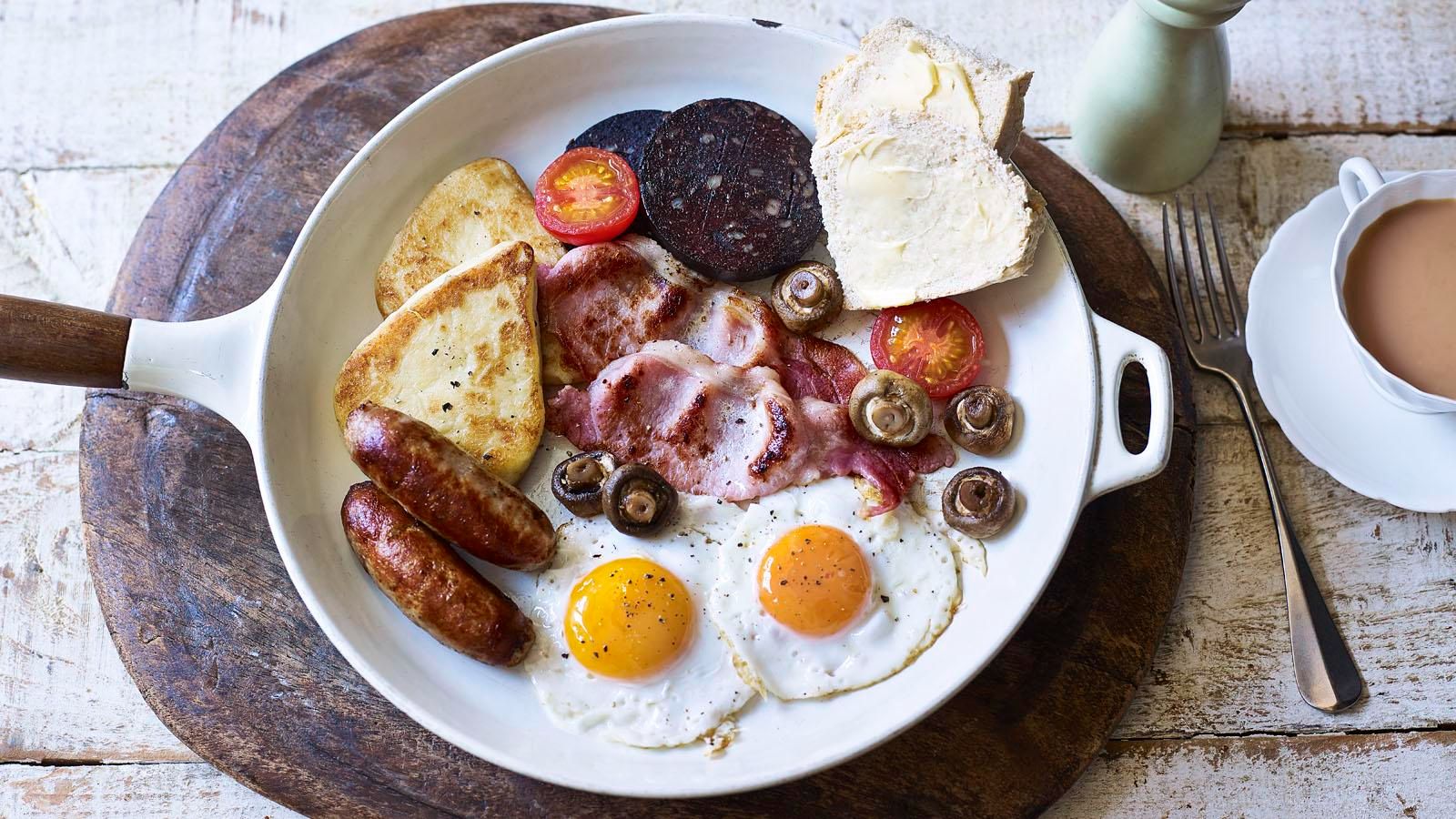
Uncover Londonderry's controversial culinary secret. This recipe is a local legend – but why is it so hidden? Click to find out!
Londonderry's Culinary Crown Jewel: The Ulster Fry
Londonderry, a city steeped in history and vibrant culture, also boasts a rich culinary heritage. While many dishes tell the story of the region, one stands out for its enduring popularity and its place at the heart of local breakfasts: the Ulster Fry. This isn't just a meal; it's an institution, a hearty start to the day that has fuelled generations. Let's dive into what makes this iconic dish so special and how you can recreate its magic.
The Heart of the Fry: Key Ingredients
The Ulster Fry is a symphony of textures and flavours, built upon a foundation of specific, quality ingredients. While variations exist, the core components remain consistent:
- Bacon: Traditionally, back bacon is used, prized for its balance of meat and fat. Look for thick-cut, good quality rashers. - Sausages: Pork sausages are essential. Locally sourced, good quality pork sausages are key to an authentic flavour. - Eggs: Fried eggs, with a runny yolk, are the standard. - Black Pudding: A distinctive and vital element, Londonderry's black pudding is rich and flavourful, made with pork blood, suet, and oatmeal. - Potato Bread (Fadóga): A unique unleavened bread made from mashed potatoes, flour, and butter. It's pan-fried until golden and slightly crisp. - Soda Bread: A staple in Irish baking, this quick bread leavened with baking soda offers a slightly tangy counterpoint. - Baked Beans: A common, though sometimes debated, addition. - Fried Tomatoes: Halved tomatoes, fried until softened. - Mushrooms: Fried mushrooms add an earthy depth.
Crafting the Perfect Ulster Fry: Step-by-Step
Achieving the perfect Ulster Fry is an art that requires timing and attention to detail. Here’s how to master it:
1. Prepare Your Components: Slice your potato bread and soda bread. Halve the tomatoes and clean the mushrooms. 2. Start with the Bacon and Sausages: In a large, non-stick frying pan or griddle over medium heat, cook the sausages until browned on all sides. Remove and keep warm. Then, cook the bacon rashers until they reach your desired crispness. Drain excess fat, but reserve a little for frying other elements. 3. Fry the Breads: In the bacon fat (or a little extra butter/oil if needed), fry slices of potato bread and soda bread until golden brown and slightly crispy on both sides. These cook relatively quickly, so keep an eye on them. 4. Cook the Black Pudding: Add slices of black pudding to the pan and fry for a few minutes on each side until heated through and slightly crisp. 5. Sauté Vegetables: In the same pan, add the halved tomatoes and mushrooms. Fry them until they are softened and lightly browned. 6. Fry the Eggs: Just before serving, fry the eggs to your preference – most favour a runny yolk to dip the other components into. 7. Warm the Beans: Heat the baked beans in a small saucepan. 8. Assemble and Serve: Arrange all the cooked components artfully on a large plate. Serve immediately while hot. The goal is a balance of textures – crispy bacon, tender sausages, chewy bread, and a runny yolk.
Journey Highlights
- Bacon - Sausages - Eggs - Black Pudding - Potato Bread (Fadóga) - Soda Bread - Baked Beans - Fried Tomatoes - Mushrooms
Local Secrets & Insider Tips
As a local who's seen the fry evolve and perfected my own technique, I can tell you a few things that make all the difference. Forget the tourist traps; this is how we really do it.
Timing is Everything: - To get the freshest, least-rushed fry at a local cafe, aim for a weekday between 8:00 AM and 9:00 AM. Any later, and you'll hit the rush. Weekends are busier, so if you must go on a Saturday, try to be there before 8:30 AM.
Hidden Gems & Local Haunts: - For the real deal, skip the main streets. Look for smaller, family-run cafes on the Creggan Road or in the Rosemount area. They often have the best traditional butchers supplying their ingredients. - Ask for the 'Full Irish' or 'Ulster Fry' – don't assume every cafe does it the traditional way. Some places might skimp on the essentials like potato bread or proper black pudding.
Dishes Beyond the Fry: - While the fry is king, if you find a good local spot, don't be afraid to ask for their daily specials. Many offer fantastic stews or traditional baked goods that are just as authentic. I'd recommend trying a Cawl (a hearty lamb and vegetable soup) if it's on offer, especially on a colder day.
Logistics That Trip People Up: - Parking: Parking in the city centre can be tricky and expensive. If you're driving, look for multi-storey car parks like the one at Foyleside Shopping Centre. Alternatively, embrace public transport or walking if you're staying centrally. - Cash vs. Card: While most places take cards now, smaller, older cafes might still prefer cash. It's always good to have a bit of Sterling on you. - Portion Size: An Ulster Fry is famously filling. Don't plan a heavy lunch or dinner for the same day! It's designed to keep you going.
Common Questions
Frequently Asked Questions About the Ulster Fry
Q: Is the Ulster Fry healthy? A: While delicious and hearty, the Ulster Fry is a calorific meal typically high in fats and sodium. It's best enjoyed as an occasional indulgence rather than a daily staple.
Q: Can I make an Ulster Fry vegetarian or vegan? A: Yes, it's possible to adapt. You can omit the bacon, sausages, and black pudding. Replace them with vegetarian sausages, veggie bacon, and perhaps grilled halloumi or fried tofu. For vegan options, use vegan sausages, vegan bacon, and ensure your potato and soda breads are made without dairy or eggs. Omit the black pudding entirely or find a vegan alternative.
Q: What's the best way to cook the black pudding? A: Pan-frying is generally the best method. Slice it about half an inch thick and fry gently in a little oil or butter for a few minutes on each side until heated through and slightly crispy. Be careful not to overcook, as it can become dry.
Q: Why is black pudding so important in an Ulster Fry? A: Black pudding is a traditional and distinctive component that adds a unique depth of flavour and a different texture to the fry. It's a culinary heritage item that many locals consider non-negotiable for an authentic experience.
Q: What drinks go well with an Ulster Fry? A: Traditionally, a strong cup of tea is the go-to. Some also enjoy a glass of milk or even a pint of Guinness for a more robust pairing.