Uncover Madrid's controversial culinary secret! The ONE recipe locals guard fiercely. You won't believe what it is. Click NOW!
Madrid's gastronomic landscape is rich and diverse, but if there's one dish that stands as a true ambassador of its culinary heritage, it is the hearty and profoundly satisfying Cocido Madrileño. This iconic stew is not merely a meal; it's an event, a tradition, and a testament to the city's enduring flavors. Its complex layers of taste and texture tell a story of resourcefulness and culinary artistry, evolving from humble origins to a celebrated national dish.
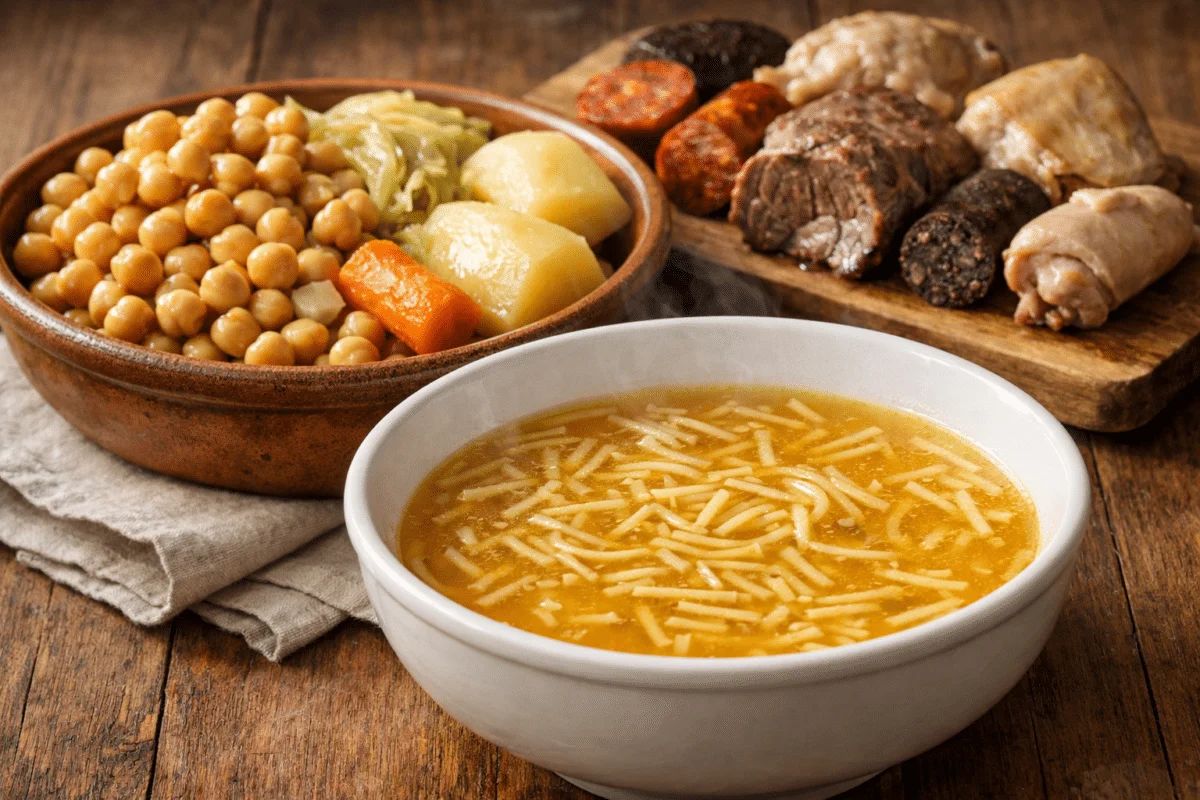
The essence of Cocido Madrileño lies in its three distinct 'vuelcos' or courses, each showcasing different components of the stew. The first 'vuelco' typically features the flavorful broth, often enriched with noodles (fideos). The second 'vuelco' presents the tender meats and vegetables, including chickpeas, potatoes, carrots, cabbage, and various cuts of pork and beef. The final 'vuelco' usually comprises the charcuterie, such as morcilla (blood sausage) and chorizo, offering a potent and savory conclusion to this culinary journey.
The Heart and Soul: A Deep Dive into Cocido Madrileño's Authenticity
Cocido Madrileño is more than just a recipe; it's a philosophy of slow cooking and ingredient harmony. Its authenticity is rooted in the careful selection of high-quality ingredients and a patient, unhurried approach to preparation. This isn't a dish to be rushed. It demands time, allowing the flavors to meld and deepen, transforming simple components into a symphony of taste. The tradition is so ingrained that many Madrileño families have their own secret twists and generations-old techniques passed down through oral history, making each cocido a unique expression of familial culinary heritage. Understanding these nuances is key to appreciating the true depth of this celebrated stew.
The Pillars of Flavor: Essential Ingredients for an Unforgettable Cocido
The magic of Cocido Madrileño begins with its meticulously chosen ingredients. Each element plays a vital role, contributing its unique character to the final dish.
The Meats: A Symphony of Swine and Bovine
The foundation of any truly exceptional cocido is its robust selection of meats. These are not just random cuts; they are carefully chosen to provide a range of textures and depths of flavor.
Grasa de cerdo (Pork Fat/Bacon): A crucial element for richness and a subtle smoky undertone. Often a piece of slab bacon or pancetta is used. Gallina (Hen/Chicken): Provides a lighter, more delicate poultry flavor that balances the richness of the pork and beef. A good quality, free-range hen is ideal for a more profound flavor. Morcillo de ternera (Beef Shin/Oxtail): This cut is prized for its connective tissues that break down during the long cooking process, rendering the meat incredibly tender and adding gelatinous richness to the broth. Punta de cerdo (Pork Shoulder/Boston Butt): Offers a good balance of meat and fat, becoming wonderfully tender and flavorful. Ossobuco de ternera (Veal Shank): Similar to beef shin, the marrow within the bone infuses the broth with an unparalleled depth of flavor. Tocino fresco (Fresh Pork Belly): Adds a savory, unctuous quality and a delightful chewiness. Chorizo: A semi-cured Spanish sausage, typically made with pork, paprika, and garlic. It imparts a smoky, slightly spicy flavor and a beautiful reddish hue to the broth. Morcilla (Blood Sausage): A key component, the morcilla adds a distinct, rich, and slightly metallic flavor that is characteristic of a truly authentic cocido.
The Legumes: The Earthy Heartbeat
Chickpeas are the indisputable star among the legumes, providing a creamy texture and a slightly nutty flavor.
Garbanzos (Chickpeas): Dry chickpeas are preferred, requiring overnight soaking to ensure they cook evenly and develop their characteristic creamy texture. The quality of the chickpeas can significantly impact the final dish.
The Vegetables: Sweetness and Structure
A carefully selected array of vegetables adds sweetness, earthy notes, and vital nutrients to the stew.
Patatas (Potatoes): Waxy potatoes that hold their shape well are ideal. They absorb the flavors of the broth beautifully. Zanahorias (Carrots): Provide a natural sweetness and a vibrant color. Repollo (Cabbage): Traditionally, the green parts of a whole cabbage are used, adding a subtle bitterness and tender texture. It's often cooked separately towards the end to retain its freshness. Puerros (Leeks): Contribute a mild oniony flavor.
The Grains: The Comforting Embrace
Fideos (Noodles): Thin, vermicelli-like noodles are typically used for the first 'vuelco', absorbing the flavorful broth.
The Seasonings and Enhancements: Subtle but Significant
Agua (Water): The base of the broth. Sal (Salt): To enhance all the flavors. Perejil (Parsley): For garnish and a fresh herbaceous note. Ajo (Garlic): Used sparingly, often tied with the meats to infuse the broth without overpowering.
The Art of Preparation: A Step-by-Step Culinary Journey
The preparation of Cocido Madrileño is a ritual, a testament to the belief that good food takes time and care.
The Soaking and Initial Cooking: Laying the Foundation
1. Soak the Chickpeas: The night before, thoroughly rinse the dry chickpeas and soak them in a large bowl filled with plenty of cold water. Discard the soaking water in the morning. 2. Prepare the Meats: In a very large pot, place the pork fat, chicken, beef shin, pork shoulder, and veal shank. Cover generously with cold water. Add a couple of garlic cloves (optional, and can be tied with twine for easy removal) and a pinch of salt. 3. First Boil: Bring the pot to a rolling boil. Skim off any impurities and foam that rise to the surface. This is crucial for a clear and clean-tasting broth. 4. Simmer and Skim: Reduce the heat to a gentle simmer, cover, and cook for at least 2 to 3 hours, or until the meats are starting to become tender. Continue to skim off any foam or impurities that appear.
The Mid-Stage Infusion: Adding Depth and Complexity
1. Introduce the Charcuterie: After the initial simmering of the meats, add the chorizo and morcilla to the pot. Be careful not to break them. 2. Add the Vegetables: Peel and roughly chop the potatoes and carrots. Add them to the pot along with the whole cabbage (or large pieces). 3. Continue Simmering: Allow everything to simmer gently for another 45 minutes to an hour, or until the vegetables are tender and the meats are cooked through and fall-apart tender. The chorizo and morcilla will release their flavors into the broth.
The Three 'Vuelcos': A Multi-Layered Culinary Experience
The serving of Cocido Madrileño is as important as its preparation, divided into three distinct courses, or 'vuelcos'.
#### The First 'Vuelco': The Soul of the Broth
Strain the Broth: Carefully remove all the meats, vegetables, and chickpeas from the pot. Strain the broth through a fine-mesh sieve into a separate pot. This will be the base for the first course. Cook the Fideos: Bring the strained broth to a simmer. Add the fideos (noodles) and cook according to package instructions until al dente. Serve: Ladle the noodle soup into bowls. Garnish with fresh chopped parsley. This light yet intensely flavorful broth is the perfect awakening for the palate.
#### The Second 'Vuelco': The Heart of the Stew
Arrange the Components: On a large platter, artfully arrange the cooked meats and the tender vegetables. Serve: Present this platter as the second course. Diners can then select their preferred meats and vegetables, enjoying the different textures and flavors. The chickpeas are also typically served at this stage, often in a separate bowl.
#### The Third 'Vuelco': The Savory Finale
Serve the Charcuterie: The chorizo and morcilla, which have imparted their richness to the broth and have been removed, are now presented as the final course. Accompaniments: This course is often accompanied by a simple green salad with olive oil and vinegar, providing a fresh counterpoint to the richness of the charcuterie.
The Ritual of Eating: Embracing the Madrileño Way
Eating Cocido Madrileño is an experience that transcends simple consumption. It's a social event, often enjoyed around a large table with family and friends. The 'three vuelcos' allow for a leisurely meal, with time for conversation and appreciation of each distinct flavor profile. It’s customary to start with the broth, then move to the meats and vegetables, and finally enjoy the charcuterie. The entire process is designed to savor the diverse elements of this remarkable dish.
Beyond the Recipe: The Cultural Significance of Cocido Madrileño
Cocido Madrileño is more than just a dish; it's a cultural touchstone. It represents the enduring spirit of Madrid, a city that embraces its history and traditions with warmth and generosity. It's a dish that speaks of sustenance, family, and community. In a fast-paced world, the slow, deliberate preparation and the communal act of sharing Cocido Madrileño offer a valuable reminder of the importance of slowing down, connecting with loved ones, and savoring life's simple, profound pleasures. Its presence on menus, particularly during the colder months, signifies a deep connection to the city's identity and a proud celebration of its culinary heritage.
Journey Highlights
- Cocido Madrileño: The quintessential Madrid stew. - Three 'vuelcos': Broth, meats/vegetables, charcuterie. - Essential ingredients: Chickpeas, various meats, charcuterie, cabbage, potatoes, carrots. - Preparation: A slow-cooked, multi-stage process emphasizing flavor development.
Local Secrets & Insider Tips
As a lifelong Madrileño, let me tell you, experiencing Cocido isn't just about eating; it's about understanding the rhythm of the city. Forget those rushed tourist traps. Here's how to do it right:
Timing is Everything:
- For the most authentic, unhurried experience at a classic Cocido spot like Malacatín or La Bola, aim for a weekday lunch, ideally between 2:00 PM and 2:30 PM. Arrive precisely at 2:00 PM to secure a table before the main rush. Weekends are packed, and service can feel rushed.
Hidden Gems & Viewpoints:
- While not directly related to Cocido, if you're visiting the area around the Royal Palace, slip into the Campo del Moro gardens about 30 minutes before sunset. Most people only see the Sabatini Gardens; Campo del Moro offers a more serene, less crowded perspective with stunning views of the palace and the city. - For Cocido, seek out restaurants in the La Latina or Lavapiés neighborhoods. These areas often have smaller, family-run places where the 'abuela' (grandmother) is still in charge of the kitchen. Taberna La Carmencita is a gem for a more refined, yet still traditional, experience, though less overtly 'Cocido-focused' than the others.
Dishes Beyond Cocido:
- At a traditional Madrileño tavern (not necessarily a Cocido specialist), order huevos rotos con jamón (fried eggs broken over potatoes with ham) or callos a la madrileña (tripe stew, a true local delicacy, though not for the faint of heart). - If you find a place serving torreznos (crispy pork belly), do yourself a favor and order them. They are Madrid's answer to bacon and are heavenly.
Logistical Pitfalls to Avoid:
- Cocido is a lunch dish. It's almost never served for dinner. Don't even ask. Plan your day around it. - It's a multi-course meal. A single portion of Cocido is enough for two people, or one very hungry person with a serious appetite. Don't over-order starters or a second course. - Don't expect lightning-fast service. Authentic Cocido takes time. Relax, enjoy the wine, and savor the anticipation. Rushing the experience defeats the purpose. - Wear comfortable shoes. Madrid is a walking city. You'll be doing a lot of it, especially if you're exploring neighborhoods like La Latina or Lavapiés to find those hidden culinary treasures.
Common Questions
Frequently Asked Questions About Cocido Madrileño
Q1: Is Cocido Madrileño a heavy dish? A1: Yes, Cocido Madrileño is traditionally a very hearty and filling stew, designed to provide sustenance, especially during colder months. Its richness comes from the variety of meats and the slow-cooking process.
Q2: Can I make Cocido Madrileño with fewer ingredients? A2: While the traditional recipe calls for a wide array of ingredients for maximum flavor, you can adapt it by using fewer types of meat or omitting certain vegetables. However, the authentic taste is best achieved with the full complement.
Q3: How long does it take to prepare Cocido Madrileño? A3: The preparation can take anywhere from 3 to 5 hours, depending on the method and the specific ingredients used. Soaking the chickpeas overnight is also a crucial preliminary step.
Q4: Where is the best place to try authentic Cocido Madrileño in Madrid? A4: Many traditional restaurants (called 'casas de comidas') in Madrid serve excellent Cocido Madrileño. Look for establishments that have been around for decades and specialize in Castilian cuisine. Some highly recommended spots include Malacatín, La Bola, and Lhardy, though many smaller, less touristy places offer equally delicious versions.