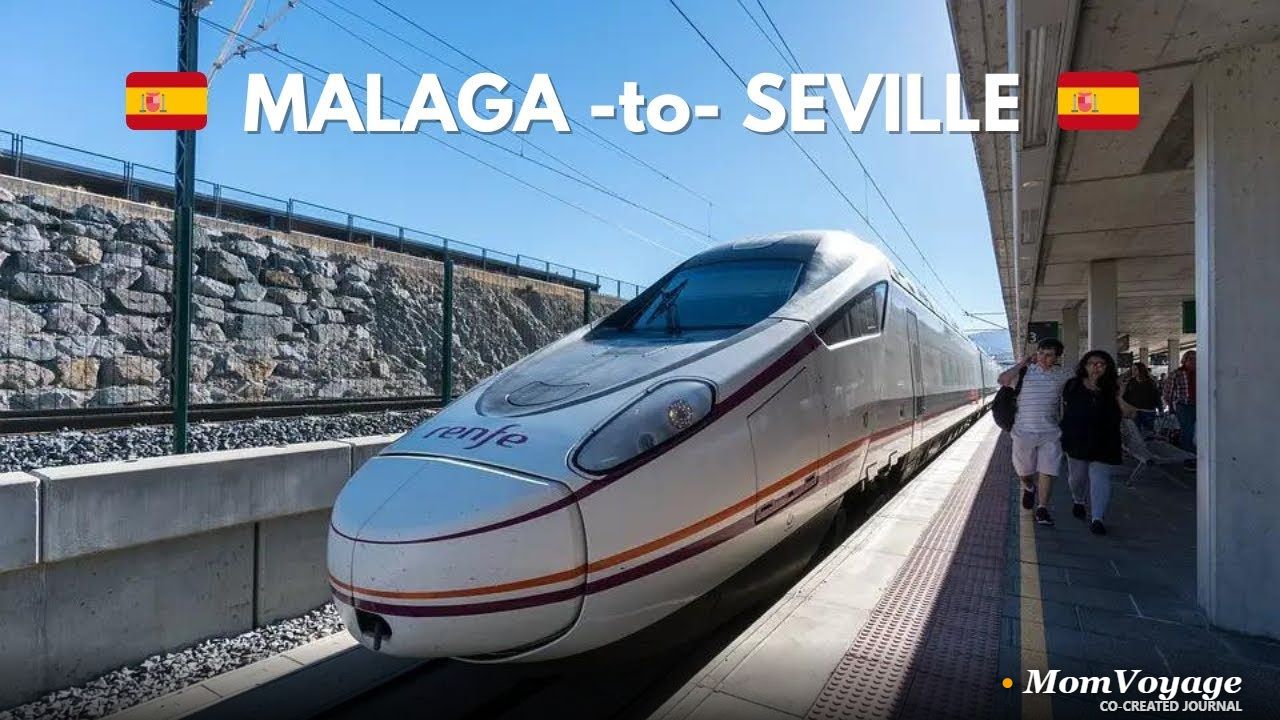
Explore the captivating route from Málaga to Sevilla. Discover insider tips, essential sights, and culinary delights for an unforgettable Andalusian adventure.
Málaga: A Sun-Kissed Prelude to Andalusian Grandeur
Málaga, a city where ancient history whispers from every stone and the Mediterranean Sea kisses the shores, serves as an idyllic launchpad for your Andalusian adventure. Far more than just a gateway, Málaga pulsates with its own unique rhythm, a captivating blend of vibrant modernity and deep-rooted tradition. Its birthplace status of the iconic Pablo Picasso is just one facet of its rich cultural tapestry. Imagine strolling through the labyrinthine streets of the old town, where the scent of orange blossoms mingles with the salty sea air. The Alcazaba, a Moorish fortress perched regally overlooking the city and the azure waters, is a must-visit. Its meticulously restored courtyards and ramparts offer a tangible connection to centuries past, providing panoramic views that will steal your breath. Wander down to the Muelle Uno, the stylish port area, alive with contemporary art installations, chic boutiques, and an array of delectable seafood restaurants. Here, you can indulge in the freshest catch of the day, perhaps a plate of espetos de sardinas grilled over open flames on the beach, a quintessential Málaga experience. Don't miss the opportunity to explore the Carmen Thyssen Museum, housing a superb collection of Andalusian art, or the Picasso Museum itself, a pilgrimage for art lovers. Evenings in Málaga are best spent soaking in the atmosphere of a bustling plaza, perhaps Plaza de la Constitución, with a glass of local wine in hand, watching the world go by.
The Scenic Voyage: Embracing the Andalusian Countryside
The journey from Málaga to Sevilla is as much a part of the experience as the destinations themselves. As you leave the coastal plains behind, the landscape dramatically transforms, unfolding into a breathtaking panorama of rolling hills carpeted with ancient olive groves. The air grows drier, carrying the earthy scent of the Mediterranean scrub. This is the heart of Andalusia, a land of timeless beauty and traditional charm. The iconic 'pueblos blancos' (whitewashed villages) dot the hillsides like scattered pearls, their pristine facades gleaming under the Iberian sun. These villages are living postcards, offering a glimpse into a slower pace of life. Each one boasts its own unique character, often centered around a historic church or a picturesque plaza.
Ronda: A Spectacle of Nature and Engineering
A quintessential stop on this inland route is the dramatic clifftop town of Ronda. Perched precariously on either side of a deep gorge, the Tajo de Ronda, this town is an awe-inspiring testament to both nature's raw power and human ingenuity. The undisputed star of Ronda is the Puente Nuevo (New Bridge), a magnificent 18th-century architectural marvel that spans the gorge, connecting the old and new parts of the town. Standing on its arches, gazing down into the chasm and across the vast expanse of the surrounding countryside, is an experience that will remain etched in your memory. The views are simply unparalleled, especially at sunrise or sunset when the light paints the landscape in hues of gold and amber. Beyond the bridge, Ronda's historic quarter, the 'La Ciudad,' is a delight to explore. Wander through narrow, winding streets, discover charming plazas, and visit the Mondragón Palace, once a royal residence and now a cultural center. The town also boasts a bullring, one of the oldest and most significant in Spain, offering a glimpse into the traditions that are deeply ingrained in Andalusian culture. Don't forget to visit the Arab Baths, a well-preserved testament to the town's Moorish past, offering a tranquil escape.
Sevilla: The Soul of Andalusia Awakens
Prepare to be swept away by the passion, romance, and vibrant energy of Sevilla, the undisputed heart and soul of Andalusia. This is a city that assaults the senses in the most delightful way, from the scent of orange blossoms wafting through its narrow streets to the passionate strumming of a flamenco guitar echoing from a hidden courtyard. Sevilla is a city that demands to be savored, explored on foot, and experienced with every fiber of your being. Its history is palpable, with architectural marvels that speak of centuries of Moorish, Christian, and Jewish influences, all harmoniously blended into a unique and captivating urban tapestry. The Guadalquivir River, the lifeblood of the city, flows serenely, reflecting the grandeur of its iconic landmarks.
A Symphony of Sights: Sevilla's Architectural Masterpieces
Sevilla's skyline is a testament to its illustrious past, a breathtaking collection of architectural wonders that tell tales of conquest, faith, and artistic flourish. The Catedral de Sevilla stands as a colossal monument, the largest Gothic cathedral in the world and a UNESCO World Heritage site. It's a place of immense scale and intricate detail, home to the tomb of Christopher Columbus and the stunning Capilla Mayor with its opulent altar. Adjacent to the cathedral rises the Giralda Tower, a former minaret of the Great Mosque, now the cathedral's bell tower. Climbing its ramped ascent (designed so guards could ride horses to the top) rewards you with unparalleled panoramic views of the entire city.
No visit to Sevilla is complete without immersing yourself in the resplendent beauty of the Real Alcázar. This royal palace complex, another UNESCO World Heritage site, is a dazzling fusion of Mudéjar, Gothic, Renaissance, and Baroque styles. Its intricate tilework, serene courtyards, and lush gardens, including the famed Patio de las Doncellas, offer a glimpse into the opulent lives of its past inhabitants. Each corner reveals new wonders, from hidden fountains to fragrant orange trees.
Triana: The Fiery Heart of Flamenco and Tradition
Across the Guadalquivir River lies the vibrant neighborhood of Triana, a district with a distinct identity and a fiery spirit. Historically a working-class area, Triana is renowned as the cradle of flamenco, the passionate and emotive Andalusian art form. Its narrow, colorful streets are lined with traditional tapas bars, ceramic workshops, and small, intimate flamenco venues where you can witness authentic performances that will stir your soul. The Mercado de Triana, housed in a former castle, is a lively hub where locals gather to buy fresh produce, enjoy delicious tapas, and soak in the authentic atmosphere. The Puente de Triana (Isabel II Bridge), a striking iron structure, offers fantastic views back towards the city and serves as a gateway to this captivating district. Explore the ceramics shops, a tradition that has thrived in Triana for centuries, and perhaps find a unique souvenir to take home.
A Gastronomic Odyssey: Savoring Andalusian Flavors
Sevilla is a paradise for food lovers, a place where culinary traditions are cherished and the freshest ingredients are transformed into unforgettable dishes. Tapas culture is not just a meal here; it's a way of life, a social ritual that invites you to graze your way through the city, discovering new flavors at every turn. From traditional tavernas to modern gastronomic ventures, Sevilla offers an endless array of culinary delights.
Must-Try Tapas and Dishes:
Jamón Ibérico: Thinly sliced cured ham from black Iberian pigs, a true delicacy. Salmorejo: A thicker, richer version of gazpacho, a cold tomato soup often topped with ham and hard-boiled egg. Espinacas con Garbanzos: Spinach and chickpeas, often seasoned with cumin and garlic. Pescaito Frito: Assorted fried fish, a staple of Andalusian cuisine. Solomillo al Whisky: Pork tenderloin cooked in a whisky sauce. Montadito de Pringá: A small sandwich filled with slow-cooked meats from a traditional stew. Tortilla Española: A thick omelet made with potatoes and onions.
Beyond tapas, explore the city's restaurants for heartier fare. Look for dishes featuring local produce, fresh seafood from the nearby coast, and the region's renowned olive oil. Don't forget to pair your meals with excellent local wines, such as the crisp white wines from the nearby Jerez region or the robust reds from Ronda.
The Pulse of Sevilla: Flamenco and Fiesta
Sevilla is synonymous with flamenco, the soul-stirring art form that embodies the passion, pain, and joy of Andalusian culture. Experiencing a live flamenco show is an essential part of any visit. Seek out authentic 'tablaos' (flamenco venues) in Triana or the Santa Cruz quarter for an intimate and powerful performance. The raw emotion, the intricate footwork, and the haunting melodies create an unforgettable spectacle.
Beyond flamenco, Sevilla is a city that knows how to celebrate. The city's calendar is dotted with vibrant festivals and events. The Semana Santa (Holy Week) before Easter is a deeply moving and visually spectacular event, with processions of religious brotherhoods through the streets. The Feria de Abril (April Fair), held two weeks after Easter, is a week-long explosion of color, music, and dance, where Sevillanos dress in traditional attire and enjoy a lively, festive atmosphere. Even outside of major festivals, the city buzzes with energy, from impromptu street performances to lively outdoor concerts.
Embracing the Andalusian Pace: Relaxation and Exploration
The beauty of the Málaga to Sevilla journey lies not just in the iconic landmarks but in the opportunity to slow down and truly immerse yourself in the Andalusian way of life. In Málaga, find moments of tranquility on the beach, savoring the sea breeze and the warmth of the sun. Explore the hidden patios of the historic center, where bougainvillea spills over ancient walls, and discover charming plazas where locals gather for their evening stroll.
As you transition inland, embrace the unhurried pace of the 'pueblos blancos.' Stop at a local cafe, order a 'café con leche,' and simply observe the rhythm of daily life. In Sevilla, allow yourself to wander without a strict itinerary. Get lost in the enchanting labyrinth of the Santa Cruz quarter, discover hidden gardens, and linger over tapas and wine. The Andalusian spirit encourages you to savor each moment, to appreciate the simple pleasures, and to connect with the vibrant culture that permeates every aspect of life. Whether it’s a leisurely afternoon exploring the Alcázar gardens or an evening spent listening to flamenco, the journey from Málaga to Sevilla is an invitation to experience the authentic, passionate heart of Andalusia.
Journey Highlights
- Explore Málaga's historic center and Alcazaba. - Drive through scenic Andalusian countryside, perhaps stopping in Ronda. - Immerse yourself in Sevilla's iconic landmarks: Alcázar, Cathedral, Plaza de España. - Wander through the vibrant neighborhoods of Triana and Santa Cruz. - Experience an authentic flamenco show.
Local Secrets & Insider Tips
Insider Secrets for Your Andalusian Adventure
As a local who's traversed these routes countless times, let me share some nuggets to elevate your Málaga to Sevilla experience.
Beat the Crowds at the Alcázar of Sevilla: To truly appreciate the intricate beauty of the Real Alcázar without the throngs, aim to arrive precisely when it opens at 9:30 AM. Purchase your tickets online well in advance to skip the ticket queue. Focus on the Prince's Garden first, as many visitors head straight for the main palace rooms.
Hidden Views in Málaga: While the Alcazaba offers stunning views, seek out the rooftop terraces of some of the hotels in Málaga's historic center for a more serene panorama of the city and the port, especially at sunset. The view from Gibralfaro Castle is spectacular, but go an hour before sunset to find a good spot.
Authentic Flavors in Sevilla: Venture into the Triana neighborhood, away from the main tourist drag around the Cathedral. Look for small, unassuming bars like Bar Santa Ana or Blanca Paloma. Order their Espinacas con Garbanzos (spinach with chickpeas) – it's a revelation – and the Carrillada (pork cheek stew). These are often served as montaditos (small sandwiches) or on a plate.
Logistics Pitfalls: - Parking in Sevilla: Parking in the historic center of Sevilla can be a nightmare. Consider using a reputable public car park like Plaza de Armas or El Arenal and walking or taking a short taxi ride to your accommodation. If driving your own car, ensure your hotel offers secure parking. - Flamenco Show Timing: Many tourist-oriented flamenco shows start late. For a truly authentic experience, seek out smaller tablaos in Triana or look for performances advertised at local cultural centers. The show at Casa de la Memoria is highly regarded, but book tickets a day ahead and arrive 20 minutes before the start time. - Siesta Times: Remember that many smaller shops and some restaurants in Andalusia observe a siesta, typically closing between 2 PM and 5 PM. Plan your shopping and dining accordingly, especially outside of major tourist hubs.
Common Questions
Frequently Asked Questions
Q: What is the best way to travel from Málaga to Sevilla? A: The most popular and convenient options are by car (offering flexibility to stop at intermediate towns) or by high-speed train (AVE), which is efficient and comfortable.
Q: How long does it take to drive from Málaga to Sevilla? A: The direct drive is approximately 2.5 to 3 hours, depending on traffic and your chosen route. Stopping in towns like Ronda will extend the travel time.
Q: What are the must-try local dishes in Sevilla? A: Don't miss Gambas al Ajillo (garlic shrimp), Salmorejo (a cold tomato soup), Solomillo al Whisky (pork tenderloin in whisky sauce), and various authentic tapas.
Q: Is Sevilla walkable? A: Yes, the historic center of Sevilla is very walkable, and many of the main attractions are within close proximity. For areas like Triana, walking is also the best way to explore.