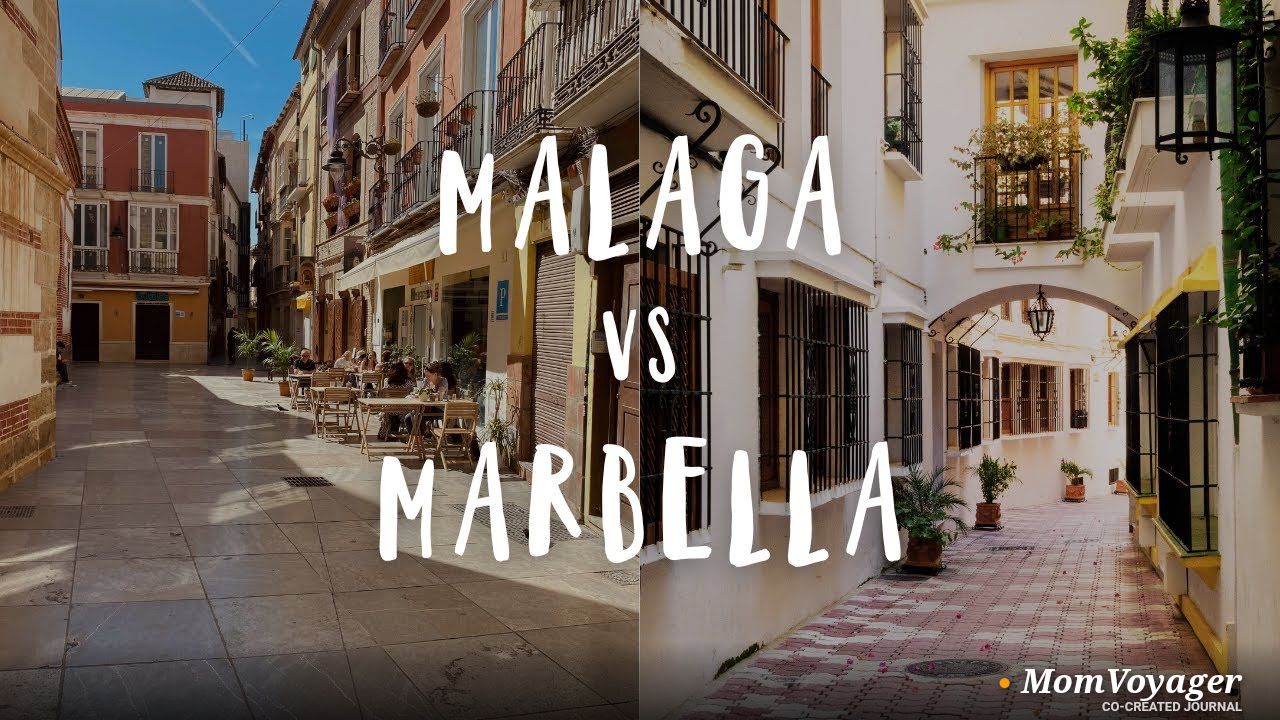
Marbella or Málaga? Discover the secret corners of Andalucía. This guide unveils hidden eateries, tranquil beaches, and local insights for an authentic Spanish adventure. Choose your ideal coastal esc
The Ultimate Andalusian Showdown: Marbella vs. Málaga's Hidden Gems
Welcome, fellow adventurers, to an electrifying head-to-head battle between two of Andalucía's most captivating coastal cities: Marbella and Málaga. Often overshadowed by their more famous counterparts, both possess a unique charm and an abundance of hidden treasures waiting to be discovered. Forget the crowded tourist traps; we're diving deep into the soul of these cities, pitting them against each other in five rounds to reveal where your next unforgettable Spanish escape truly lies.
Round 1: Authentic Culinary Delights
#### Marbella: The Taste of Refined Seclusion Beyond the glitzy marinas, Marbella's Old Town, Casco Antiguo, offers a labyrinth of narrow streets where true culinary magic happens. Seek out family-run bodegas serving traditional pescaíto frito (fried fish) or a quiet chiringuito on a lesser-known beach like Playa del Cable. Here, you'll find impeccably fresh seafood, often caught that very morning, expertly prepared with generations of culinary wisdom. Venture further into the barrio of Divina Pastora for humble, yet utterly delicious, tapas bars where locals gather for their evening cañas and raciones. Look for specialties like espetos de sardinas cooked over olive wood on the beach, or the lesser-known tortillitas de camarones (shrimp fritters) at an unassuming eatery near the Plaza de los Naranjos. Don't overlook the chance to sample local olive oils and Málaga wines in a traditional taberna tucked away from the main thoroughfares, where the ambiance is as rich as the flavors, offering a true taste of refined Andalusian comfort.
#### Málaga: A Tapestry of Traditional Flavors Málaga, with its bustling port and vibrant historic center, offers a different, yet equally authentic, culinary journey. The true heart of Málaga's gastronomic scene lies not just in its popular restaurants but in its lively markets and unassuming ventas. The Mercado Central de Atarazanas is an absolute must-visit, not just for its stunning architecture but for the sensory overload of fresh produce, seafood, and local delicacies. Here, you can enjoy fried boquerones or a ración of jamón ibérico right at the market stalls, alongside locals doing their daily shopping. For a truly hidden gem, head east of the city to the fishing villages of El Palo and Pedregalejo. Their seafront chiringuitos are legendary for espetos de sardinas, grilled sardines on skewers, cooked over open fires on the beach. These aren't just meals; they're an experience, often accompanied by the sound of the waves and the chatter of multi-generational Spanish families. Don't leave without trying a sweet Málaga wine or indulging in a traditional almendrado (almond pastry) from a local pastelería tucked away in the historic center.
Round 2: Cultural Immersion & Historical Wonders
#### Marbella: Echoes of Ancient Grandeur While often perceived as a modern playground, Marbella's historical roots run deep, offering fascinating glimpses into its past for those willing to seek them out. The Casco Antiguo isn't just for dining; it's a living museum. Beyond the postcard-perfect Plaza de los Naranjos, wander through the quieter side streets to discover remnants of the old Moorish castle walls, dating back to the 9th century. Explore the Murallas del Castillo, which stand as silent sentinels to centuries of history, often integrated surprisingly into modern buildings. Visit the lesser-known Santo Cristo de la Vera Cruz chapel, an architectural marvel often overlooked by tourists rushing to the main square, boasting serene interiors. For a deeper dive, seek out the Roman Villa of Río Verde, an archaeological site showcasing well-preserved mosaics from the 1st century AD, providing a tangible link to Marbella's ancient Roman past. These sites offer a tranquil contemplation of history, far removed from the beachfront bustle, revealing a Marbella steeped in forgotten stories.
#### Málaga: A Journey Through Time Málaga is a city steeped in history, where layers of civilizations are visible at every turn, offering an incredibly rich cultural tapestry. Beyond the well-trodden paths of the Alcazaba and Roman Theatre, delve deeper into the city's hidden historical narratives. Explore the unassuming Museo de Artes y Costumbres Populares (Museum of Popular Arts and Customs), housed in an old inn, which offers an intimate look at traditional Andalusian life, local crafts, and ethnographic displays that paint a vivid picture of the region's heritage. Wander through the vibrant, often overlooked, Barrio del Soho, an urban art district where ancient buildings are canvas for contemporary street art, blending old and new in a captivating dialogue. For a truly unique experience, visit the Jardines de Puerta Oscura, quiet terraced gardens offering stunning views of the Alcazaba and port, a perfect spot for reflection away from the crowds, especially at sunset. Even the Cathedral, while prominent, holds secrets in its less-visited chapels and offers stunning city panoramas from its rooftop tours – an often-missed perspective for those seeking a unique historical viewpoint.
Round 3: Serene Nature & Outdoor Escapes
#### Marbella: Coastal Tranquility and Mountain Majesty Marbella's natural beauty extends far beyond its famed beaches, offering a plethora of serene escapes for the adventurous soul. While popular beaches draw crowds, seek out the secluded coves and natural rock pools east of the city, such as those found near Cabopino or the protected Artola Dunes. These pristine natural areas provide a wilder, more untamed coastal experience, perfect for quiet contemplation, birdwatching, or discovering local marine life away from the sun loungers. For mountain enthusiasts, the majestic Sierra Blanca, forming a dramatic backdrop to the city, offers numerous hidden trails. Ascend to La Concha peak for breathtaking panoramic views of the entire coastline, often accessible from lesser-known starting points like the Nagüeles nature area, offering a challenging yet rewarding hike through pine forests and fragrant Mediterranean scrub. Alternatively, explore the tranquil Parque Natural de la Sierra de las Nieves, a UNESCO Biosphere Reserve just a short drive inland, renowned for its ancient Spanish fir forests and diverse wildlife – a true escape into unspoiled wilderness perfect for hiking, canyoning, or simply enjoying the crisp mountain air.
#### Málaga: Verdant Sanctuaries and Coastal Trails Málaga boasts an impressive array of natural retreats, from expansive parks within the city limits to dramatic coastal paths. The sprawling Montes de Málaga Natural Park, located just a few kilometers north, is a true urban forest, offering a dense network of hiking and cycling trails suitable for all levels. Here, you can discover hidden ventas serving traditional mountain fare amidst fragrant pine forests, complete with stunning viewpoints overlooking the city and the Mediterranean Sea. For a more botanical experience, the Jardín Botánico-Histórico La Concepción is a spectacular 19th-century tropical garden, a lush oasis of exotic plants, captivating waterfalls, and romantic pathways – a peaceful escape from the urban hustle. Along the coast, venture beyond the city beaches to discover the Senda Litoral, a coastal path that stretches for miles. While parts are popular, certain sections, particularly those further east towards La Cala del Moral and Rincon de la Victoria, offer quieter stretches of beach, natural rock formations, and excellent birdwatching opportunities, providing a more intimate connection with the sea and a chance to witness local life away from the city buzz.
Round 4: Unique Shopping & Local Crafts
#### Marbella: Artisanal Treasures in the Old Town Marbella's shopping scene isn't just about high-end designer labels; its Old Town harbors a treasure trove of unique artisanal finds and local crafts. Steer clear of Puerto Banús for truly authentic pieces and instead lose yourself in the enchanting maze of Casco Antiguo's narrow streets. Here, you'll discover charming independent boutiques selling handcrafted leather goods, bespoke jewelry from local designers, and beautifully painted ceramics reflecting traditional Andalusian motifs, often made in nearby villages. Look for small workshops where artisans can often be seen at work, creating custom pieces right before your eyes, offering a personal touch to your souvenirs. The Mercado Municipal de Marbella, while smaller than Málaga's, is a fantastic spot to find local produce, specialty cheeses, and unique food items like regional honey or cured meats, often accompanied by friendly conversation with the vendors who are passionate about their wares. Even the seemingly touristy shops can hide genuine, handcrafted souvenirs if you know where to look – always ask for items made hecho a mano (handmade) locally to ensure authenticity.
#### Málaga: Bohemian Bazaars and Artisan Alleys Málaga's diverse districts offer a rich and varied shopping experience, focusing on local artistry, vintage finds, and gastronomic delights. The Mercado Central de Atarazanas, beyond its bustling food stalls, houses various vendors selling local crafts, exotic spices, and unique souvenirs that reflect Málaga's distinct character, from intricately woven baskets to artisanal soaps. For something truly distinctive, explore the Barrio del Soho, where independent galleries, concept stores, and quirky boutiques offer everything from avant-garde fashion to unique homeware, local art prints, and vinyl records. This vibrant district is a hub for emerging artists and designers, ensuring you'll find something truly original and cutting-edge. Venture into the more traditional areas around Calle Carcer and Plaza de Uncibay for small, family-run shops specializing in regional products like gourmet olive oil, authentic flamenco accessories, and hand-painted fans. Don't miss the chance to browse the antique shops and second-hand markets that periodically pop up, especially in the historic center or the Alameda Principal, unearthing forgotten treasures and giving a piece of Málaga's past a new home.
Round 5: Authentic Nightlife & Local Vibes
#### Marbella: Sophisticated Serenity After Dark Marbella's nightlife extends far beyond the high-octane clubs of Puerto Banús, offering a more refined and authentically local experience for those in the know. In the Casco Antiguo, the evening comes alive with a gentler rhythm. Seek out discreet tabernas and wine bars where locals gather for quiet conversations over copas of sherry or Málaga wine, often accompanied by impromptu flamenco guitarists or passionate conversations that spill onto the cobblestone streets. The atmosphere in these establishments is one of warmth and tradition, a stark contrast to the glitz of the marina. Discover intimate jazz clubs or live music venues tucked away on side streets, offering a sophisticated alternative for a cultured evening out. For a truly local beachside experience, head to the chiringuitos on lesser-known beaches after sunset, like those towards Elviria or Las Chapas, where the focus is on good food, relaxed chill-out music, and the soothing sound of the waves, rather than thumping beats. During the summer, look out for local verbenas (street parties) or ferias in the surrounding residential areas, offering a genuine taste of Andalusian festivity away from the main tourist hubs.
#### Málaga: Electrifying Energy and Traditional Taverns Málaga's nightlife is renowned for its vibrancy and diversity, offering everything from historic taverns to modern, bohemian hangouts. For a truly authentic experience, begin your evening in the historic center at one of the city's many traditional bodegas, such as the famous El Pimpi (though popular, its history and setting make it a landmark for a reason). For a more local feel, explore the quieter streets around Calle Granada and Plaza de la Merced, where smaller, less-touristy bars offer excellent tapas and cañas well into the night, filled with animated local chatter. The Barrio del Soho transforms after dark, with its art galleries giving way to stylish cocktail bars and live music venues featuring local bands playing everything from indie to flamenco fusion, catering to a younger, more artistic crowd. For an unparalleled local experience, head to the fishing districts of El Palo and Pedregalejo. Their beachfront chiringuitos stay open late, offering a relaxed atmosphere, fresh seafood, and often live music or DJ sets, where you can dance under the stars with your feet in the sand – a quintessential Málaga summer night. Don't forget to cap off the night with a visit to a churrería for hot chocolate and churros, a beloved Spanish tradition that provides the perfect sweet ending to any Málaga evening.
Journey Highlights
Culinary Delights: Marbella: Savor refined seafood specialties in the charming Casco Antiguo, offering an authentic gourmet experience. 🍽️✨ Málaga: Dive into diverse, innovative tapas along the vibrant shores of Pedregalejo and El Palo. 🍢 bustling Coastal Escapes: Marbella: Discover tranquil, secluded havens like the pristine Artola Dunes, perfect for serene relaxation. 🏖️🌿 Málaga: Explore rugged coastal paths and unique rocky beaches, revealing breathtaking natural beauty. 🌊🚶♀️ Cultural & Historical Immersion: Marbella: Wander through the historic Old Town, uncovering local artisans and rich Moorish heritage. 🎨🕌 Málaga: Immerse yourself in deep cultural experiences with the vibrant Soho district and authentic flamenco peñas. 🎭🎶 Beyond the City: Marbella: Venture inland for picturesque equestrian trails and charming, traditional white villages. 🐎🏘️ Málaga: Connect with nature at the stunning Jardín Botánico and the expansive Montes de Málaga Park. 🌳🏞️ Overall Vibe & Pace: Marbella: Embrace an atmosphere of understated elegance and a wonderfully serene, relaxed pace. ✨🥂 Málaga: Experience bustling energy, exceptional walkability, and a genuinely warm, welcoming spirit. 🚶♀️💬
Local Secrets & Insider Tips
As someone who's lived and breathed Andalucía for years, here are a few hard-won secrets to truly unlock the hidden gems of Marbella and Málaga:
For Marbella:
Crowd Avoidance: To experience the Casco Antiguo (Old Town) without the throngs, arrive before 9 AM. The Plaza de los Naranjos is magical at dawn, and you'll have the narrow streets to yourself. For Cabopino Beach, aim for a weekday morning before 10 AM. The protected dunes are best explored then, when the light is soft and the air is cool. Hidden Entrances/Viewpoints: Most people stick to the main beach path. Instead, from the Marbella lighthouse, walk east along the promenade for about 15 minutes. You'll find a small, unmarked path leading through some pines to a slightly elevated viewpoint offering stunning, uninterrupted views of the coastline towards Puerto Banús. It's perfect for a sunset photo without crowds. Local Dish: In Marbella Old Town, skip the tourist traps around Plaza de los Naranjos. Head to Bar El Estrecho (Calle San Lázaro, 12). It's tiny, often standing room only, and famous for its gambas al pil-pil (sizzling garlic prawns) and boquerones fritos (fried anchovies). Order the berenjenas con miel de caña (fried eggplant with cane honey) – their version is incredibly light and crispy. Logistics Tip: Parking in Marbella's Old Town is a nightmare. Park at the Parking Avenida del Mar underground garage and walk up. It’s centrally located and saves endless frustration. Also, if visiting a chiringuito east of Marbella, always call ahead for a reservation, especially on weekends, even for lunch. The best ones fill up quickly with locals.
For Málaga:
Crowd Avoidance: For the Alcazaba, arrive right at opening time (usually 9 AM). Head straight for the upper gardens and palace areas first. You'll get stunning photos and a sense of tranquility before the main groups arrive. For the Mercado Central de Atarazanas, go on a Tuesday or Wednesday morning, not Friday or Saturday. It’s still lively but less overwhelming. Hidden Entrances/Viewpoints: After visiting the Alcazaba, instead of exiting the main way, look for the lesser-known path that connects directly to the Roman Theatre. It's often less used and offers a different perspective. For an unparalleled view of the city, skip the Gibralfaro Castle altogether. Instead, hike up the path leading to Mirador de Gibralfaro from the back, near the Parador. There’s a specific bench about halfway up that offers an incredible, less-obstructed panorama, especially at dusk. Local Dish: In Pedregalejo, instead of the main promenade restaurants, find El Cabra (Paseo Marítimo El Pedregal, 17) – it’s a local institution. Their espetos de sardinas are cooked over wood embers right on the beach and are legendary. Also, seek out Ajoblanco (cold almond and garlic soup) in a traditional bar; Mesón Mariano (Calle Granados, 2) sometimes has it, a true Málaga specialty often missed. Logistics Tip: Málaga is very walkable, but the bus system is excellent for longer distances (e.g., Pedregalejo). Buy a Tarjeta de Transporte (bus card) at a estanco (tobacconist) for cheaper fares. Don't rent a car unless you plan extensive day trips outside the city; navigating and parking in the center is challenging. Embrace walking and public transport. And always carry small change for tips and small purchases at local markets.
Common Questions
- Q: Which city is better for a family vacation with young children? A: Marbella, with its calmer beaches and more spread-out resorts, often provides a more relaxed environment for families. However, Málaga's child-friendly museums and interactive science center are also great options. - Q: Can I easily travel between Marbella and Málaga? A: Yes, there are frequent bus services connecting the two cities, with the journey taking approximately 45 minutes to an hour depending on traffic. Renting a car offers more flexibility for exploring hidden gems. - Q: Which city has better nightlife for those seeking local experiences? A: Málaga offers a more vibrant and authentic Spanish nightlife scene, especially in its historical center, with numerous local bars, tapas routes, and impromptu street performances. Marbella's nightlife tends to be more concentrated in exclusive clubs and beach bars. - Q: Are there good hiking opportunities near both cities? A: Absolutely! Marbella is close to the Sierra Blanca mountains with beautiful trails, while Málaga is adjacent to the Montes de Málaga Natural Park, offering various hiking routes with stunning panoramic views. - Q: Is it easy to find English speakers in both Marbella and Málaga? A: In tourist areas and hotels, you'll find English speakers in both cities. However, in more local establishments and hidden gems, especially in Málaga, basic Spanish phrases will significantly enhance your experience.